Introduction
Personalized rehabilitation treatment refers to a tailored approach to recovery that takes into account an individual’s specific needs, goals, and medical background. Unlike standard rehabilitation methods, which apply a general treatment plan, personalized rehabilitation focuses on creating a unique strategy for each patient. This treatment style is gaining popularity worldwide as it offers a more efficient and effective way of helping individuals recover from injuries, surgeries, or chronic conditions. By customizing the rehabilitation process, patients are more likely to experience faster recovery times, improved outcomes, and a higher level of engagement in their recovery journey.
What is Personalized Rehabilitation?
Personalized rehabilitation is a patient-centered approach where the treatment plan is customized to fit the individual’s specific condition, recovery goals, and lifestyle. Unlike a one-size-fits-all approach, personalized rehab programs take into account the patient’s age, physical condition, previous medical history, and the type of injury or surgery they are recovering from. Whether it’s physical therapy for an injury, neurorehabilitation for a stroke, or post-surgery rehab, the plan is designed to optimize recovery, focusing on the patient’s unique circumstances.
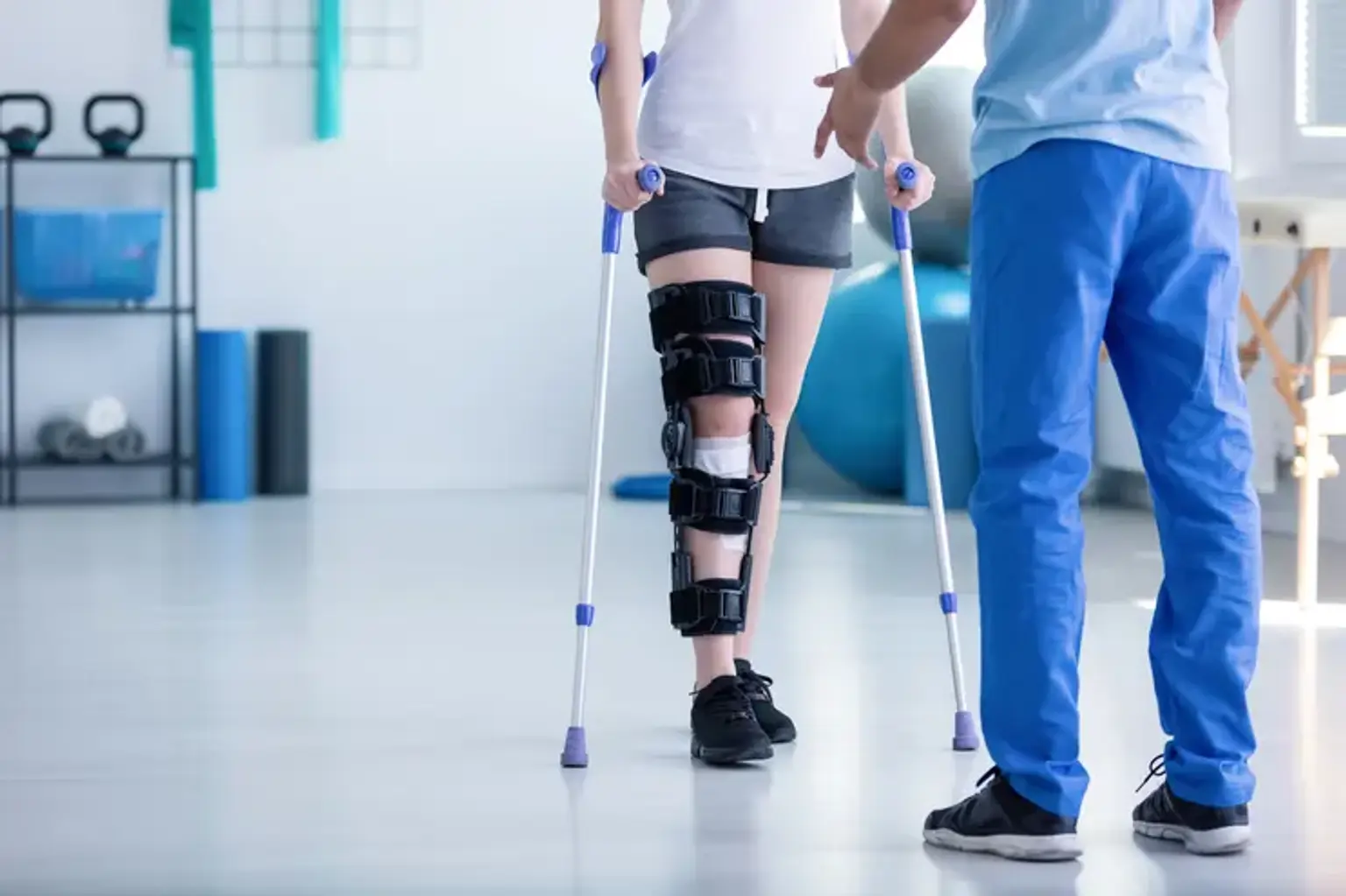
A personalized rehab plan might combine various therapies, including physical therapy (to improve movement and strength), occupational therapy (to aid daily activities), and neurorehabilitation (for those with neurological conditions). This multi-faceted approach ensures that every aspect of a patient’s health is considered, providing them with the best chance of recovery.
The Process of Creating a Personalized Rehabilitation Plan
Creating a personalized rehabilitation plan involves several key steps to ensure that it is effective and aligns with the patient’s specific recovery goals. Here’s a breakdown of the process:
Initial Consultation and Assessment: The first step in creating a personalized plan is to conduct an in-depth consultation with the patient. This includes evaluating their medical history, understanding the nature of their injury or condition, and discussing their recovery goals. A thorough assessment will also involve physical evaluations to determine current limitations, strengths, and weaknesses.
Medical History and Physical Examination: The rehabilitation team—comprising doctors, physical therapists, and other specialists—will review the patient’s medical history to identify any pre-existing conditions that may affect the recovery process. A physical examination helps in setting realistic goals and identifying areas that need special attention.
Setting Goals and Tracking Progress: Once the initial evaluation is completed, the rehabilitation team will work with the patient to set clear, achievable recovery goals. These could range from improving strength or flexibility to regaining independence in daily activities. Progress will be regularly tracked to ensure the treatment plan remains effective and is adjusted as necessary.
Collaboration Among Healthcare Providers: Personalized rehabilitation often involves a multi-disciplinary approach, meaning that different healthcare professionals may be involved in the patient’s treatment. These could include physical therapists, occupational therapists, neurologists, or psychologists. Collaboration between these specialists ensures that the patient receives holistic care that addresses all aspects of their rehabilitation.
By following this structured process, personalized rehabilitation plans can be optimized to address the specific needs of each individual, leading to better outcomes and a smoother recovery process.
Personalized Rehabilitation for Sports Injuries
Sports injuries require specialized care, and personalized rehabilitation is the most effective way to ensure athletes return to their sport safely and efficiently. Whether recovering from a sprained ankle, an ACL tear, or a shoulder injury, athletes benefit from rehab programs designed specifically for their sport and injury type.
These customized plans focus on regaining strength, flexibility, and functionality, all while considering the athlete’s performance goals. For example, a football player may need rehab to focus on explosive movements and agility, while a swimmer might prioritize shoulder mobility and muscle recovery.
By tailoring rehabilitation programs, athletes can reduce the risk of re-injury and improve overall performance, allowing them to return to their sport stronger and more confident.
The Benefits of Personalized Rehabilitation Treatment
Personalized rehabilitation treatment offers numerous benefits, making it a preferred choice for patients worldwide. Here are a few key advantages:
Faster Recovery Times: Because the rehabilitation program is customized, patients are often able to recover more quickly than with generalized treatments. Personalized plans focus directly on the patient’s specific needs, which helps avoid unnecessary steps in the recovery process.
Increased Patient Engagement: When patients understand that their rehabilitation plan is tailored specifically for them, they tend to be more motivated and invested in the process. This can lead to better compliance with the program and better results overall.
Addressing Individual Needs: A personalized rehab plan considers a patient’s medical history, lifestyle, and goals, ensuring that their recovery path is aligned with what they want to achieve. For example, a professional athlete recovering from a sports injury will have a very different rehab plan than an elderly patient recovering from hip surgery.
Improved Long-Term Outcomes: Personalized treatment has been shown to lead to improved recovery outcomes, including reduced risk of relapse or further injury. The more targeted the treatment, the better the results, and personalized rehab is a highly effective way to minimize future problems.
Personalized Rehabilitation After Surgery
Post-surgery rehabilitation is crucial for restoring function and mobility, and personalized rehab is key to ensuring a full recovery. Whether after joint replacement, spinal surgery, or soft tissue repair, each patient’s recovery needs differ. A customized rehabilitation plan allows patients to recover at their own pace, focusing on the specific areas impacted by the surgery.
For example, a knee replacement patient may initially focus on regaining range of motion and reducing swelling, while a spinal surgery patient might work on strengthening the core and improving posture. Personalized treatment speeds recovery, reduces pain, and helps patients return to daily activities more quickly and safely.
Neurorehabilitation: Personalized Treatment for Neurological Conditions
Neurorehabilitation focuses on treating neurological conditions like stroke, brain injury, or spinal cord damage. Personalized neurorehabilitation plans are essential for tailoring treatment to an individual’s cognitive, emotional, and physical needs. Each neurological condition requires a unique approach based on the severity of the injury and the patient's goals for recovery.
Personalized neurorehabilitation might include motor therapy, speech therapy, cognitive exercises, and psychological support. The goal is to help patients regain as much independence as possible, improve quality of life, and support emotional well-being. Customizing the rehab plan ensures patients receive the most effective therapies for their condition, improving recovery outcomes.
How Personalized Rehab Enhances Recovery for Elderly Patients
As people age, the body’s ability to recover from injury or surgery becomes more challenging. Personalized rehabilitation for elderly patients is essential in addressing the unique physical and cognitive changes that come with aging. Older adults may need specialized rehabilitation programs that focus on balance, mobility, and strength, helping them regain independence and reduce the risk of falls.
For elderly patients recovering from hip surgery, for example, the rehab plan may focus on gentle strength training and balance exercises, while also addressing any underlying health issues like arthritis or osteoporosis. Tailored rehab programs can significantly improve quality of life, allowing seniors to maintain independence for as long as possible.
Multi-disciplinary Approach to Personalized Rehabilitation
A multi-disciplinary approach is often at the heart of personalized rehabilitation. Recovery is not just about physical therapy; it involves a team of specialists working together to address the various needs of the patient. This collaborative care includes doctors, physical therapists, occupational therapists, psychologists, and sometimes even nutritionists or social workers.
By integrating different perspectives and expertise, personalized rehab programs are more comprehensive. For example, while physical therapists focus on movement and strength, occupational therapists help patients regain independence in daily tasks, like dressing or cooking. In addition, a psychologist may provide emotional support, helping the patient manage any frustrations or mental health challenges related to recovery.
This teamwork ensures that all aspects of a patient’s rehabilitation are addressed, which can lead to faster recovery and a higher quality of life.
Technology in Personalized Rehabilitation
Technology is revolutionizing personalized rehabilitation, offering new ways to track progress, monitor performance, and improve treatment outcomes. Wearable devices, such as fitness trackers, can monitor patients’ movements, strength, and endurance in real-time, providing valuable data to adjust rehab programs.
Telemedicine is another tool that allows patients to receive remote therapy sessions, making rehabilitation more accessible and convenient, especially for those in rural areas or with limited mobility. Virtual reality (VR) has also emerged as a powerful rehabilitation tool, offering immersive exercises that can improve motor skills, coordination, and balance.
The integration of AI and machine learning in creating personalized rehab programs is also on the rise. By analyzing large amounts of data, these technologies can help predict recovery timelines and suggest the most effective treatment plans based on a patient’s progress.
Overcoming Challenges in Personalized Rehabilitation
Despite the many benefits, personalized rehabilitation does come with its challenges. One of the biggest hurdles is ensuring patient adherence to the rehab plan. Recovery can be slow and difficult, and patients may become discouraged if they don’t see immediate results. To overcome this, it’s essential to maintain clear communication, set realistic goals, and adjust the plan as needed to keep patients engaged.
Another challenge is managing patients with complex medical histories or multiple conditions. For instance, an individual recovering from surgery may also have a pre-existing condition like diabetes or arthritis, which complicates the rehab process. In these cases, it’s critical for the rehabilitation team to work closely with other healthcare providers to ensure a coordinated and safe approach to recovery.
Finally, access to personalized rehabilitation can be a barrier, especially in areas with limited resources or for individuals with financial constraints. Solutions like telehealth and community-based programs are helping to overcome these challenges and make personalized rehab more accessible.
Psychological Aspects of Personalized Rehabilitation
Psychological support is a crucial element of personalized rehabilitation. Recovery is not only physical; it also involves mental and emotional healing. Many patients face feelings of frustration, anxiety, or depression as they progress through their rehabilitation. These emotional challenges can hinder recovery, making psychological support an integral part of the rehab process.
Therapists or counselors can help patients manage these emotions, offering coping strategies and helping them stay motivated throughout the process. For example, setting small, achievable goals can provide a sense of accomplishment and help combat feelings of helplessness. Additionally, some patients may need help adjusting to changes in their body or lifestyle after an injury or surgery, and psychological support can guide them through these transitions.
By addressing the emotional aspects of recovery, personalized rehabilitation ensures a more holistic approach to healing, improving the overall patient experience and outcomes.
The Role of Nutrition in Personalized Rehabilitation
Nutrition plays a vital role in personalized rehabilitation, as the body needs the right nutrients to heal and recover effectively. A well-balanced diet helps reduce inflammation, repair tissues, and restore energy levels, all of which are crucial for recovery. For example, protein is essential for tissue repair, while vitamins like Vitamin C support the healing of wounds and strengthen the immune system.
A personalized rehabilitation program may include dietary recommendations tailored to a patient’s needs. For instance, an athlete recovering from an injury might benefit from a higher protein intake to build muscle strength, while a patient undergoing joint surgery may need to focus on foods that reduce inflammation, such as omega-3 fatty acids.
Working with a nutritionist can enhance the effectiveness of a rehab plan by ensuring that patients are fueling their bodies with the right foods to support their recovery.
Cost and Accessibility of Personalized Rehabilitation
While personalized rehabilitation has proven benefits, its cost and accessibility can be a concern for many patients. The individualized nature of the treatment often requires specialized equipment, more frequent therapy sessions, and a multi-disciplinary approach, which can make it more expensive than traditional rehabilitation.
However, there are growing efforts to make personalized rehab more accessible. Telehealth services, for example, allow patients to receive remote therapy sessions, reducing costs related to travel and clinic visits. Additionally, insurance coverage for personalized rehab is increasing as more providers recognize its effectiveness.
For those with financial constraints, community-based rehabilitation programs and non-profit organizations may offer more affordable personalized rehab options. Despite these challenges, the long-term benefits—such as reduced re-injury rates and quicker recovery times—often make personalized rehabilitation a worthwhile investment.
Global Popularity of Personalized Rehabilitation
Personalized rehabilitation is gaining popularity worldwide as more people seek treatments that are tailored to their unique needs. This growing demand is driven by increased awareness of the benefits of individualized care and the rise of advanced technologies that make it more accessible.
Countries with well-developed healthcare systems, such as the United States, Canada, and European nations, have seen significant growth in personalized rehabilitation programs, particularly for patients recovering from surgery, sports injuries, and neurological conditions. Meanwhile, emerging economies are also beginning to adopt these practices, recognizing their value in improving health outcomes.
As personalized rehabilitation continues to prove its effectiveness in diverse settings, its adoption is expected to spread globally, improving access to high-quality care and setting new standards for patient-centered recovery.
Future Trends in Personalized Rehabilitation
The future of personalized rehabilitation is exciting, with continued advancements in technology, treatment methods, and patient care. One of the most promising trends is the integration of artificial intelligence (AI) and machine learning to create even more precise and adaptive treatment plans. These technologies can analyze a patient’s progress and make real-time adjustments to rehabilitation protocols, ensuring optimal recovery.
In addition, personalized rehabilitation will increasingly incorporate virtual reality (VR) and augmented reality (AR) to make rehabilitation more engaging and effective. These tools can create immersive environments that simulate real-world movements and tasks, helping patients recover motor skills, balance, and coordination in a fun and interactive way.
As research into personalized care continues, we can expect more innovative therapies, wearable devices, and remote monitoring options, all designed to enhance recovery and improve long-term outcomes for patients.
Personalized Rehabilitation for Chronic Conditions
Chronic conditions like arthritis, back pain, and cardiovascular diseases often require ongoing management and rehabilitation. Personalized rehabilitation can significantly improve the quality of life for individuals dealing with these long-term health challenges. Treatment plans are tailored to reduce symptoms, improve mobility, and enhance daily function.
For example, a patient with chronic back pain might undergo a personalized rehab program focused on strengthening the core muscles and improving posture, while someone with cardiovascular disease might engage in tailored exercises that promote heart health without overexertion. Personalized rehab helps patients manage their condition more effectively, reduce flare-ups, and maintain independence.
The Role of Patient Education in Personalized Rehabilitation
Educating patients about their condition, treatment options, and the rehabilitation process is a key component of personalized rehab. Knowledge empowers patients to actively participate in their recovery, leading to better outcomes. Rehabilitation professionals often provide detailed information on how exercises work, the importance of each treatment phase, and how lifestyle changes can enhance the recovery process.
Patient education also includes addressing concerns and fears about rehabilitation. By understanding what to expect and how rehabilitation will help, patients are more likely to stay motivated and compliant with their treatment plan, which accelerates recovery.
How Personalized Rehabilitation Supports Mental Health
Recovery from an injury or surgery often comes with emotional challenges. Personalized rehabilitation acknowledges the psychological aspect of healing and offers support to patients struggling with anxiety, depression, or feelings of isolation. Mental health professionals, such as psychologists or counselors, are often part of the rehabilitation team, providing patients with the emotional tools to cope with the stresses of recovery.
This integrated approach ensures patients not only recover physically but also maintain their mental well-being throughout the process, which is critical for long-term success and overall quality of life.
Conclusion
Personalized rehabilitation is transforming the recovery process by offering customized treatment plans that optimize recovery and improve patient outcomes. By addressing the unique needs of each individual—whether through specialized therapies, multi-disciplinary teams, or the use of technology—personalized rehab provides a more effective, holistic approach to healing.
As technologies evolve and the understanding of rehabilitation deepens, personalized treatment will continue to play a crucial role in healthcare. With its growing popularity worldwide and its proven effectiveness, personalized rehabilitation is poised to become the standard for recovery, offering hope for better, faster, and more sustainable healing.