Introduction
Phototherapy, or light therapy, is a medical treatment that uses various light wavelengths to address skin conditions. In recent years, it has become increasingly popular for treating ailments like psoriasis, eczema, acne, and even vitiligo. This non-invasive procedure harnesses the power of ultraviolet (UV) light or red light to reduce inflammation, stimulate healing, and improve skin appearance.
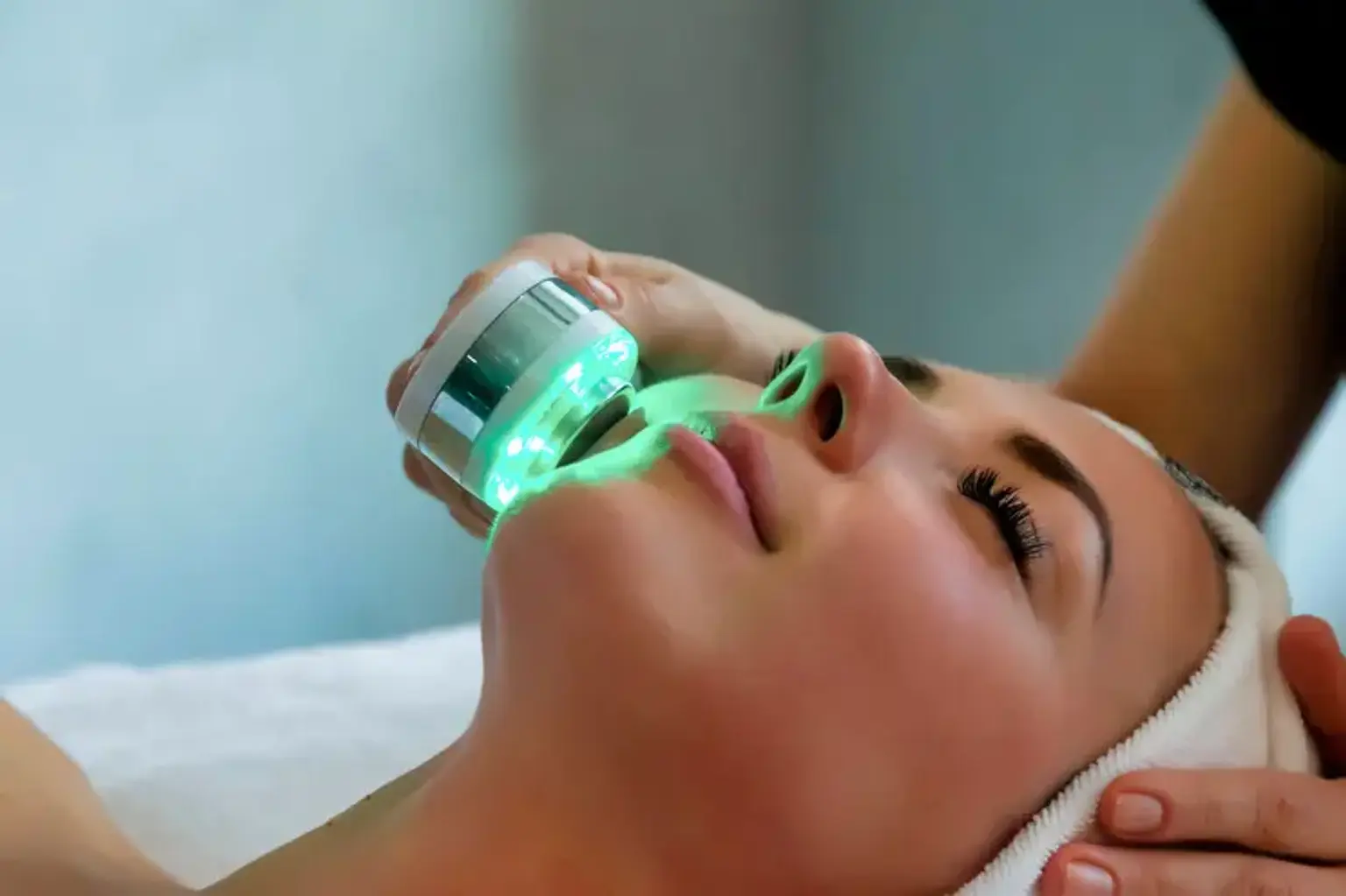
With its ability to target the underlying causes of many chronic skin conditions, phototherapy offers an alternative to more traditional treatments like topical medications. As more people seek effective solutions for their skin issues, the global use of phototherapy continues to grow.
What is Phototherapy?
Phototherapy involves exposing the skin to specific wavelengths of light, most commonly UV light or red light. By targeting the skin’s cells, phototherapy helps to regulate immune function, reduce inflammation, and promote healing. The light used in therapy typically falls within certain wavelengths (UVB, UVA, or red light), each having distinct effects on the skin.
The treatment works by slowing down excessive skin cell production and modulating the immune system, which can be particularly beneficial for conditions like psoriasis, eczema, and vitiligo. While phototherapy was initially used to treat conditions like jaundice in newborns, it has since expanded into dermatology as a key tool for managing skin disorders.
Types of Phototherapy for Skin Conditions
There are several types of phototherapy, each suited to different skin conditions:
Narrowband UVB Therapy: The most common form of phototherapy, used mainly for treating psoriasis, eczema, and vitiligo. Narrowband UVB therapy targets the skin with specific UVB wavelengths, which helps slow down skin cell turnover and reduces inflammation.
Broadband UVB: A less targeted form of UV therapy, which is generally used for more generalized skin conditions. It has a wider spectrum of light but can be less effective than narrowband UVB.
Red Light and Infrared Therapy: These types of light therapy are often used for their anti-inflammatory properties and ability to stimulate collagen production, which can improve skin texture and healing.
Excimer Laser Therapy: A targeted laser treatment for specific areas of psoriasis or vitiligo, excimer lasers deliver high doses of UVB light to small patches of skin.
Each treatment is tailored to the patient’s needs based on the condition and severity of the skin issue.
Phototherapy for Psoriasis
Psoriasis, a chronic skin condition characterized by red, scaly patches, can be effectively treated with phototherapy. Narrowband UVB is especially beneficial for psoriasis patients because it targets the skin at specific wavelengths, helping to slow down the rapid growth of skin cells that causes the scaly plaques.
The treatment works by reducing the overactive immune response that triggers skin cell production. Over time, regular phototherapy sessions can significantly reduce or even clear psoriasis plaques, improving both skin appearance and quality of life for many patients.
For severe cases of psoriasis, phototherapy is often used in combination with topical treatments or systemic medications. The results can vary, but many patients experience noticeable improvements, with some achieving long-term remission.
Phototherapy for Eczema (Atopic Dermatitis)
Eczema, or atopic dermatitis, is a condition that causes dry, itchy, and inflamed skin. Phototherapy, particularly narrowband UVB, has proven to be effective in reducing eczema flare-ups. UV light helps calm the immune response, reduce inflammation, and promote healing by affecting the skin's ability to produce inflammatory proteins.
For patients with moderate to severe eczema who haven’t found relief with topical treatments, phototherapy offers an alternative. Regular sessions can lead to significant improvements in skin appearance, reducing the frequency and intensity of flare-ups. Phototherapy also plays a role in preventing the chronic scratching that often worsens eczema symptoms.
Studies show that UVB therapy is generally safe and effective, with many patients experiencing long-lasting relief after a series of treatments.
Acne Treatment with Phototherapy
Acne is one of the most common skin conditions, affecting both teenagers and adults. Phototherapy, specifically blue light therapy, is gaining attention for its ability to target the bacteria responsible for acne and reduce skin inflammation.
The blue light emitted during phototherapy penetrates the skin to kill Propionibacterium acnes, the bacteria that cause acne breakouts. It also helps reduce oil production and inflammation, two key contributors to acne. This makes it a beneficial treatment for both inflammatory and non-inflammatory acne.
While blue light therapy is most commonly used for mild to moderate acne, it can also be combined with other treatments like topical medications or oral antibiotics for enhanced results. Many patients report clearer skin after a series of treatments, making it a popular choice for those seeking non-invasive acne solutions.
Phototherapy for Vitiligo
Vitiligo is a condition that causes loss of pigmentation in patches of skin. Phototherapy, particularly narrowband UVB, has shown effectiveness in stimulating the melanocytes (pigment-producing cells) to restore some skin color in affected areas.
The process works by activating the melanocytes and promoting pigment production, which helps to repigment the depigmented skin. Patients typically see improvements over time, though complete repigmentation may not always be achieved. Narrowband UVB has been proven to be one of the most effective treatments for vitiligo, especially when started early.
While phototherapy can restore some color, the results vary. Some patients see significant improvement, while others may require additional therapies, such as topical corticosteroids or immunosuppressive agents, to enhance the effect.
Sunburn Treatment with Phototherapy
Sunburn, a form of skin damage caused by overexposure to UV rays, can benefit from phototherapy in certain cases. While UV light is typically the cause of sunburn, controlled UV therapy, particularly narrowband UVB, can help accelerate the healing process by reducing inflammation and promoting skin regeneration.
By exposing the damaged skin to a carefully controlled dose of UV light, phototherapy can encourage the skin to heal faster, reducing redness and peeling. However, this is typically a treatment option for more severe sunburns and is not intended for routine or mild sunburns.
In most cases, topical treatments like aloe vera or corticosteroid creams are the first line of defense for sunburn. Phototherapy is generally used for sunburns that result in significant swelling or blistering, offering faster relief than conventional treatments.
The Phototherapy Process: What to Expect
Phototherapy treatments typically involve exposing the skin to controlled amounts of light. A session may take anywhere from a few minutes to around 30 minutes, depending on the condition being treated and the type of light used.
Before starting treatment, a dermatologist will assess your skin type and medical history to ensure phototherapy is a safe option. During the session, you’ll either stand in a light booth or sit in front of a special light panel. Protective eyewear is worn to safeguard the eyes from UV exposure.
Most patients undergo phototherapy two to three times a week, with sessions lasting anywhere from 8 to 15 weeks. After each session, you may experience some mild redness or skin irritation, but this usually subsides within a few hours. While results vary, many patients begin to see improvements after about 4 to 6 sessions.
Effectiveness of Phototherapy for Skin Conditions
Phototherapy has been shown to be highly effective in treating a range of skin conditions. Studies suggest that UVB therapy, particularly narrowband UVB, can significantly reduce symptoms of psoriasis, eczema, and vitiligo. The success rate varies depending on the condition, but many patients experience substantial improvements, including reduced inflammation, fewer flare-ups, and enhanced skin appearance.
For conditions like psoriasis, phototherapy has been proven to clear plaques and reduce the need for topical treatments. In cases of eczema, phototherapy helps to prevent flare-ups and soothe irritated skin. Vitiligo patients, especially those who start treatment early, often see repigmentation of affected areas.
However, it’s important to note that while phototherapy is highly effective for many, results may differ from person to person. Consistency is key, and some patients may need to combine phototherapy with other treatments for optimal results.
Risks and Side Effects of Phototherapy
While phototherapy is generally safe, there are potential risks and side effects to consider. The most common side effect is mild skin redness or irritation immediately following treatment. Over time, prolonged exposure to UV light can increase the risk of premature skin aging (wrinkles, sun spots) and skin cancer, particularly with excessive use.
Other potential side effects include:
Sunburn-like reactions: Temporary redness and peeling of the skin.
Itching: Some patients may experience itchiness after treatment.
Eye damage: UV light can harm the eyes, so protective goggles are essential during treatment.
To minimize risks, dermatologists carefully monitor treatment progress and ensure that the light exposure is tailored to the patient’s needs. It’s also important for patients to follow any post-treatment care instructions, which may include avoiding direct sun exposure and using moisturizers.
Phototherapy at Home vs. Clinical Settings
Phototherapy is available in both clinical settings and for home use, but each option has its advantages and considerations.
Clinical Settings: Dermatologists often provide more advanced phototherapy treatments, using high-powered UVB lamps or excimer lasers that offer more precise and effective treatment. Clinical settings also allow for professional monitoring, ensuring that the treatment is safe and tailored to the patient’s needs. This is particularly important for more severe conditions.
Home Phototherapy: For patients with milder conditions or those who prefer convenience, home-use phototherapy devices are available. These devices are usually smaller and less powerful than those used in clinics, but they can still offer effective treatment for conditions like psoriasis or eczema. However, it’s important to follow the manufacturer’s instructions carefully, as overuse or incorrect use can lead to side effects.
When deciding between home and clinical treatments, it's important to consult with a dermatologist to determine which option is best suited for your condition and lifestyle.
Phototherapy vs. Other Treatment Options
When compared to other traditional treatments for skin conditions, phototherapy offers several advantages. For instance, topical medications and corticosteroids may provide quick relief but often come with side effects, including skin thinning and potential long-term complications with prolonged use.
Phototherapy, on the other hand, is a more targeted and non-invasive approach. It doesn’t carry the same risks of skin thinning or dependency on creams, making it a safer long-term solution for managing chronic skin conditions. Additionally, phototherapy can treat widespread areas of skin, which is a significant advantage for patients with conditions like psoriasis or eczema that affect large portions of the body.
Other alternatives include systemic medications, which involve taking oral drugs or injections to manage conditions like psoriasis or eczema. While these treatments can be effective, they may have more serious side effects, including immune suppression and liver damage. Phototherapy, in contrast, is localized to the skin, reducing the risk of systemic side effects.
Ultimately, the choice between phototherapy and other treatments depends on the specific condition, severity, and individual patient needs. Your dermatologist can help determine the most appropriate course of action based on your health history and treatment goals.
How to Maximize the Benefits of Phototherapy
For the best results, phototherapy should be used consistently and as prescribed by a dermatologist. Here are some tips to help maximize its benefits:
Follow the Treatment Schedule: Regular sessions are key to achieving optimal results. Skipping treatments or altering the schedule can slow down progress and reduce the effectiveness of the therapy.
Use Post-Treatment Skincare: After each session, apply soothing moisturizers or topical treatments recommended by your doctor. This can help reduce irritation and promote healing.
Protect Your Skin from Sunlight: Since phototherapy uses UV light, your skin may become more sensitive to sunlight. After treatment, it’s crucial to avoid direct sun exposure or use sunscreen to prevent sunburn.
Stay Hydrated and Maintain Skin Health: Hydration plays a vital role in skin recovery. Drinking enough water and maintaining a good skincare routine will help your skin recover more quickly.
Monitor Progress: Keep track of your skin’s response to the treatment. If you notice any new side effects or if your condition worsens, inform your dermatologist immediately.
By following these guidelines and working closely with your healthcare provider, you can maximize the therapeutic benefits of phototherapy and improve your overall skin health.
Cost and Accessibility of Phototherapy
The cost of phototherapy can vary depending on several factors, such as the type of treatment (e.g., narrowband UVB, excimer laser), the number of sessions required, and whether the treatment is administered in a clinical setting or at home.
Clinical Phototherapy: For patients receiving phototherapy in a clinic, the cost of each session may range from $50 to $200. A typical treatment plan may require 2 to 3 sessions per week for several weeks, making the total cost for a full course of treatment between $1,000 and $3,000.
Home Phototherapy Devices: Home devices tend to have a higher upfront cost, typically ranging from $200 to $1,000. While the initial cost may seem high, home phototherapy can be more cost-effective in the long run, especially for patients who require ongoing treatments.
Despite the costs, many insurance plans cover phototherapy treatments, especially when prescribed for conditions like psoriasis or eczema. Patients should verify with their insurance provider to determine if phototherapy is covered under their plan.
Access to phototherapy can also depend on geographic location, as not all dermatology clinics offer these services. However, with the increasing availability of home-use devices and the growing number of clinics offering phototherapy, it is becoming more accessible to a wider audience globally.
Global Popularity of Phototherapy
Phototherapy has become a globally recognized treatment for various skin conditions, with its use growing steadily across the world. In countries like the United States, the United Kingdom, Canada, and Australia, phototherapy is widely available in dermatology clinics and hospitals. In addition, advancements in home phototherapy devices have made it possible for patients to receive treatment in the comfort of their homes, making this form of therapy even more accessible.
The global appeal of phototherapy is largely due to its effectiveness, minimal side effects, and non-invasive nature. As people worldwide become more aware of its benefits, phototherapy is becoming the go-to treatment for many skin conditions. Additionally, the increasing awareness of the dangers of overusing topical steroids and other medications has contributed to the rise in popularity of phototherapy.
Countries in Europe and Asia are also embracing phototherapy as a treatment for common skin conditions, particularly those related to psoriasis and eczema. As demand for phototherapy grows, more research is being conducted to explore its benefits, refine its techniques, and ensure its safety across diverse populations.
Future of Phototherapy in Dermatology
As research into phototherapy advances, the future looks promising for this treatment modality in dermatology. New innovations are making phototherapy more effective and accessible. For instance, researchers are working on improving the precision of light wavelengths to target specific skin issues more effectively, while minimizing side effects.
One exciting development is the increasing use of combination therapies, where phototherapy is paired with topical treatments, biologics, or even oral medications. These combined approaches may lead to faster and more sustainable results for patients with severe or persistent skin conditions.
In addition, personalized phototherapy is on the horizon. As dermatologists gain a deeper understanding of individual skin responses, future treatments may be tailored specifically to a person’s unique skin type, condition, and genetic makeup, making phototherapy even more effective.
Furthermore, the evolution of wearable phototherapy devices could allow for more convenient at-home treatments, enabling patients to receive professional-grade care from the comfort of their own homes.
Patient Testimonials and Success Stories
Many patients have reported life-changing results from phototherapy. For example, Sarah, a 35-year-old woman who had been struggling with severe psoriasis for years, shared her experience: “Phototherapy gave me my life back. I had tried almost every topical treatment and medication, but nothing worked until I tried phototherapy. Now, my skin is clear, and I feel confident again.”
Similarly, John, who has been battling chronic eczema, said, “I used to have flare-ups almost every week. Since starting phototherapy, I’ve noticed a huge improvement. The itching is under control, and my skin is much less inflamed.”
These real-life stories showcase how phototherapy can significantly improve not just the physical appearance of the skin, but also the overall quality of life for patients. It offers hope for those dealing with chronic skin conditions that affect their self-esteem and mental well-being.
Phototherapy’s Role in Skin Cancer Prevention
While phototherapy uses UV light to treat certain skin conditions, it is important to note that excessive UV exposure can contribute to the development of skin cancer. As a result, dermatologists carefully regulate the amount and frequency of light exposure during phototherapy sessions.
Interestingly, some studies suggest that controlled UV exposure in phototherapy may actually help reduce the risk of skin cancer for certain patients. For example, in patients with psoriasis, who are at a higher risk for developing squamous cell carcinoma due to long-term use of immunosuppressive treatments, phototherapy may serve as a safer, more targeted alternative.
However, patients undergoing phototherapy should be vigilant about protecting their skin from excessive sun exposure and should have regular skin checks with their dermatologist to monitor for early signs of skin cancer.
Conclusion
Phototherapy has emerged as a highly effective and versatile treatment for a wide variety of skin conditions. From psoriasis and eczema to acne and vitiligo, this innovative therapy provides an option for patients who seek non-invasive, targeted treatments without the side effects associated with many traditional medications.
Its popularity is growing globally, thanks to its proven effectiveness, safety when used correctly, and ability to be tailored to individual needs. Whether delivered in a clinic or used at home, phototherapy offers hope for those living with chronic skin conditions, improving both skin health and overall well-being.
As research into phototherapy continues, new advancements will likely make it even more effective and accessible. Patients considering this treatment should consult with a qualified dermatologist to determine if it’s the right option for them, and to ensure they receive the full benefits of this innovative therapy.