Introduction
In the world of cosmetic dentistry, porcelain veneers are a popular option for people seeking a brighter, more attractive smile. These thin, custom-made shells are placed over the front of the teeth to conceal imperfections and create a flawless appearance. Whether you're dealing with discolored, chipped, or misaligned teeth, porcelain veneers offer a natural, long-lasting solution that can dramatically improve your smile.
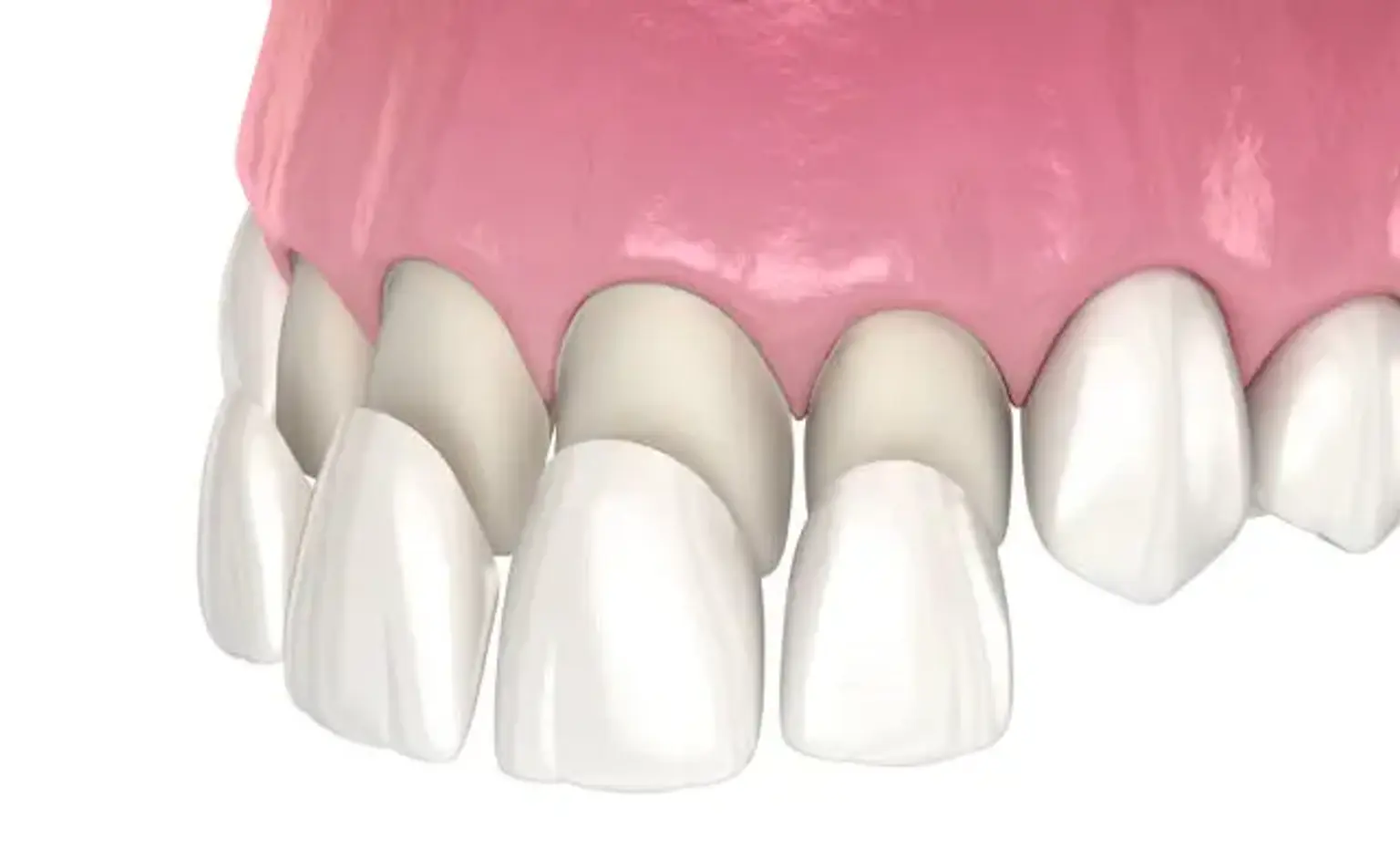
Porcelain veneers are quickly becoming one of the top choices for smile enhancement, providing a safe and non-invasive way to transform your dental aesthetics. In this article, we’ll dive into what porcelain veneers are, their benefits, the procedure, and what to expect if you decide to choose them for your smile makeover.
What Are Porcelain Veneers?
Porcelain veneers are ultra-thin, tooth-colored shells made from durable porcelain that cover the front surfaces of your teeth. These veneers are custom-designed to match the shape, size, and color of your natural teeth. They are bonded to the teeth to address a variety of cosmetic issues, including:
Discolored or stained teeth: Veneers can provide a brighter, more uniform color, perfect for those with stubborn stains that won’t fade with whitening treatments.
Chipped or cracked teeth: Veneers can restore the integrity of damaged teeth, creating a smooth, polished appearance.
Misaligned or uneven teeth: For minor alignment issues, veneers can create a more symmetrical look without the need for braces.
Gaps between teeth: Veneers can also help close small gaps, giving you a fuller, more even smile.
One of the key advantages of porcelain is that it closely mimics the natural appearance of teeth, especially when it comes to light reflection. This makes porcelain veneers not only aesthetically pleasing but also a durable, long-lasting option for smile enhancement.
How Porcelain Veneers Improve Your Smile
Porcelain veneers can address a variety of dental concerns, enhancing both the appearance and confidence of those who choose them. Here's how they can improve your smile:
Uniformity and Brightness: Veneers instantly transform the color and symmetry of your teeth, giving you a brighter, more uniform smile. This is ideal for individuals whose teeth are stained, discolored, or unevenly shaped.
Restoring Damaged Teeth: If you have chipped or cracked teeth, veneers provide an easy and effective way to restore them to their original shape, improving both function and appearance.
Closing Gaps: For those with minor gaps between teeth, veneers can provide a seamless look without the need for more invasive treatments like braces.
For many, porcelain veneers serve as the perfect solution for a smile makeover, allowing them to feel confident and excited about their appearance.
The Step-by-Step Process of Getting Porcelain Veneers
The process of getting porcelain veneers typically involves several stages to ensure the best possible results:
Initial Consultation and Planning: Your first visit will involve a consultation with a cosmetic dentist, where they will evaluate your dental health and discuss your goals. X-rays and impressions of your teeth will be taken to help design the perfect veneers. The dentist will also discuss the color, shape, and size of the veneers to ensure they complement your facial features and natural smile.
Tooth Preparation: To prepare your teeth for the veneers, the dentist will remove a small amount of enamel from the front surface of your teeth. This step ensures that the veneers fit properly and look natural. The amount of enamel removed is minimal, making the procedure minimally invasive.
Temporary Veneers: In some cases, temporary veneers may be placed while the custom porcelain veneers are being created. These temporary veneers allow you to continue your daily activities without concern for aesthetics.
Veneer Placement: Once the custom veneers are ready, they are carefully placed over the prepared teeth. The dentist will make sure the fit is perfect, adjusting the veneers as needed. Once satisfied, the veneers are bonded to your teeth using a strong adhesive and hardened with a special light beam. This bonding process ensures that the veneers stay securely in place for many years to come.
Benefits of Choosing Porcelain Veneers
Porcelain veneers offer a range of benefits, making them an appealing option for anyone looking to enhance their smile. Here’s why they are a top choice for smile transformation:
Aesthetic Enhancement: Veneers can dramatically improve the color, shape, and alignment of your teeth, giving you a flawless smile that looks natural. Since porcelain closely mimics the natural translucence of teeth, your smile will look more vibrant and lifelike.
Long-Lasting Durability: Porcelain is highly durable and resistant to stains, making veneers an excellent long-term investment. With proper care, porcelain veneers can last between 10 to 15 years, maintaining their beautiful appearance.
Minimal Tooth Preparation: Compared to other cosmetic treatments, porcelain veneers require little removal of natural tooth structure. This minimally invasive procedure preserves your natural teeth while still providing exceptional results.
Confidence Boost: A new smile can improve your self-esteem and overall confidence. Many people feel more comfortable in social and professional settings after receiving veneers, as their smiles become a source of pride rather than self-consciousness.
Factors to Consider Before Getting Porcelain Veneers
Before committing to porcelain veneers, it’s important to consider a few key factors:
Consulting with a Qualified Cosmetic Dentist: Choosing the right dentist is crucial. You want someone who specializes in cosmetic dentistry and has experience in creating natural-looking veneers. A skilled dentist will help you understand the process, set realistic expectations, and tailor the treatment to your needs.
Oral Health Check: For veneers to be successful, your teeth and gums must be healthy. If you have cavities, gum disease, or other oral health issues, they should be addressed before proceeding with veneers. This ensures a better outcome and reduces the risk of complications.
Assessing Your Expectations: While porcelain veneers can correct many imperfections, they may not be suitable for everyone. For example, individuals with severe misalignment or structural dental issues may need additional treatments like crowns or braces before veneers can be applied.
Commitment to Maintenance: Although porcelain veneers are durable, they do require some maintenance. Patients must commit to maintaining good oral hygiene and avoiding habits that could damage their veneers, such as biting on hard objects or grinding teeth.
The Cost of Porcelain Veneers
The cost of porcelain veneers can vary based on several factors, including the location of the dental practice, the number of veneers needed, and the complexity of the procedure. On average, porcelain veneers cost between $900 and $2,500 per tooth, though this price can vary.
Location: The cost of veneers can be higher in major cities or regions with a higher cost of living.
Number of Veneers: The more veneers you need, the higher the overall cost will be. Some people choose to get veneers for only their top or bottom teeth, while others opt for a full smile makeover.
Quality and Customization: The quality of the materials and the degree of customization can also influence the price. High-quality porcelain that matches your natural teeth may cost more than standard options.
Insurance and Financing: Because porcelain veneers are considered a cosmetic procedure, they are typically not covered by dental insurance. However, many dental practices offer financing plans or payment options to help manage the cost. It’s worth inquiring about these options to make the treatment more affordable.
Are Porcelain Veneers Right for Everyone?
While porcelain veneers are an excellent option for many people, they may not be suitable for everyone. Here are some considerations:
Ideal Candidates: The best candidates for porcelain veneers are individuals with healthy teeth and gums who have cosmetic dental issues such as discolored, chipped, or slightly misaligned teeth. Veneers can also help those with small gaps between their teeth.
Not for Severe Dental Issues: If you have significant tooth decay, gum disease, or severely misaligned teeth, porcelain veneers might not be the best option. In these cases, your dentist may recommend other treatments, such as dental crowns or orthodontics, to address the underlying dental issues first.
Commitment to Oral Hygiene: Porcelain veneers require regular maintenance to ensure they last. People who are committed to brushing, flossing, and visiting their dentist regularly are ideal candidates. Additionally, those who do not suffer from habits like teeth grinding or nail-biting are better suited for veneers.
Long-Term Considerations: Because veneers require the removal of a small amount of enamel from your teeth, the process is not reversible. It’s essential to carefully consider this permanent aspect of the procedure before making a decision.
Porcelain Veneers vs. Other Smile Enhancement Procedures
Porcelain veneers are just one of many options available for smile enhancement. Here’s how they compare to other treatments:
Teeth Whitening: While teeth whitening is a great option for surface stains, it can’t fix issues like chipped, misaligned, or uneven teeth. Porcelain veneers provide a more comprehensive solution, addressing both color and shape.
Braces and Clear Aligners: For more significant misalignment, braces or clear aligners may be necessary. However, these treatments take months or even years to deliver results, whereas veneers can offer an instant smile transformation.
Composite Veneers: Composite veneers are another popular option, made from resin rather than porcelain. They’re typically less expensive, but they are not as durable and may stain more easily than porcelain.
Porcelain veneers are often the best option for those looking for a fast, long-lasting, and natural-looking smile enhancement.
The Risks and Considerations of Porcelain Veneers
While porcelain veneers are generally safe, there are a few risks and considerations to keep in mind:
Tooth Sensitivity: Some patients may experience temporary tooth sensitivity after getting veneers, especially to hot or cold temperatures. This usually subsides over time.
Veneer Damage: Although porcelain is durable, it can still chip or crack if subjected to heavy force, like biting down on hard objects. Avoiding habits like nail-biting or chewing ice is crucial.
Irreversibility: Since a small amount of enamel is removed during the preparation process, veneers are permanent. If you decide to remove them later, your teeth will require alternative coverage, such as crowns.
Gum Health: If you have gum disease or receding gums, porcelain veneers may not adhere well or could worsen existing issues. Proper oral care is essential to maintain healthy gums.
Caring for Your Porcelain Veneers: Maintenance and Aftercare
Proper care ensures the longevity of your porcelain veneers. Follow these tips:
Daily Oral Hygiene: Brush your veneers with a non-abrasive toothpaste and floss regularly. Maintaining good oral hygiene helps prevent decay around the veneers and keeps your smile bright.
Avoid Hard Foods: To protect your veneers, avoid biting into hard objects like nuts, ice, or pens. Also, try to minimize teeth-grinding, as this can wear down the porcelain over time.
Regular Checkups: Visit your dentist every six months for professional cleanings and to check the condition of your veneers. This helps ensure they stay in great shape for years to come.
Mouthguards: If you grind your teeth at night, consider wearing a mouthguard to protect your veneers from damage.
How Long Do Porcelain Veneers Last?
Porcelain veneers are highly durable and can last between 10 to 15 years with proper care. Their longevity depends on factors like:
Oral Hygiene: Keeping your veneers clean and plaque-free is key to maximizing their lifespan.
Lifestyle Habits: Avoiding habits like chewing hard objects, grinding your teeth, or smoking can prevent premature wear or staining.
Regular Maintenance: Regular visits to your dentist for checkups and cleanings help catch any potential issues early, ensuring your veneers remain in top condition.
When cared for properly, porcelain veneers can provide a long-lasting, beautiful smile for many years.
Porcelain Veneers for Different Age Groups
Porcelain veneers can benefit people of all ages, but the reasons for getting them may vary depending on age. Here's how they work for different age groups:
Teens: Adolescents and young adults may choose veneers to correct discolored or chipped teeth, or to improve minor misalignments. However, dental professionals may recommend waiting until the teeth have fully developed before applying veneers.
Adults: Many adults seek veneers to enhance the appearance of their smile due to staining, wear and tear, or age-related issues. For those looking for a quick cosmetic fix without major invasive procedures, veneers are an excellent choice.
Older Adults: Veneers can be particularly beneficial for older individuals who experience tooth discoloration or damage due to aging. Since veneers provide a youthful appearance without requiring extensive dental work, they can be an effective option for restoring confidence in one’s smile.
In general, veneers are a versatile solution, suitable for a wide range of patients, provided their teeth are healthy.
Real-Life Results: Patient Testimonials
Real-life results can offer a glimpse into the transformative power of porcelain veneers. Many patients report life-changing experiences after getting veneers, from improved confidence to a more youthful, vibrant smile.
For example, one patient who had struggled with severe discoloration and slight misalignment was thrilled with the outcome after receiving veneers. “I never smiled without covering my mouth before,” they shared. “Now I feel confident in every picture and when I speak to people.”
Another patient who had chipped teeth from a childhood accident felt like their smile was finally whole again after veneers. “It’s amazing how something so small can make such a big difference. I feel like I have a new lease on life!”
These real-life experiences showcase how porcelain veneers not only enhance appearance but also improve patients' self-esteem.
Frequently Asked Questions (FAQs)
Here are some common questions people ask about porcelain veneers:
How long does the porcelain veneer procedure take? Typically, getting veneers takes two visits: one for the initial consultation and tooth preparation, and another for placing the veneers. Each visit may take about 1–2 hours.
Are porcelain veneers painful? Most patients report little to no discomfort during the procedure. Local anesthesia is used for the tooth preparation, so you won’t feel pain. Afterward, there may be mild sensitivity for a few days, but this generally subsides.
Can porcelain veneers be removed? No, porcelain veneers are permanent. Once placed, the enamel removed from your teeth cannot be restored, making the procedure irreversible.
Will my porcelain veneers stain over time? Porcelain is highly resistant to staining, so as long as you maintain good oral hygiene, your veneers should remain bright and beautiful.
Can I eat normally with veneers? Yes, after the veneers are securely bonded to your teeth, you can eat and drink normally. Just avoid hard or sticky foods that could damage the veneers.
Global Popularity of Porcelain Veneers
Porcelain veneers have gained global popularity, especially in countries like the United States, South Korea, Brazil, and Turkey, where cosmetic dentistry is a booming industry. Their rise in demand can be attributed to:
Quick Results: Many people appreciate that porcelain veneers offer an immediate solution for a perfect smile, without the lengthy process of braces or other orthodontic treatments.
Celebrity Influence: The influence of celebrities with flawless smiles has fueled the desire for porcelain veneers, as many individuals want to achieve similar results.
Access to Advanced Technology: Advances in cosmetic dentistry have made porcelain veneers more accessible and affordable than ever, with high-quality materials and techniques available worldwide.
As the procedure becomes more widespread, it’s clear that porcelain veneers are a sought-after solution for those wanting to enhance their smiles and boost their confidence.
Choosing the Right Dentist for Porcelain Veneers
Selecting the right cosmetic dentist is crucial for achieving the best results with porcelain veneers. Here are some tips:
Experience in Cosmetic Dentistry: Ensure your dentist specializes in cosmetic procedures, particularly veneers. Look for someone with a portfolio of successful cases.
Consultation: A consultation allows you to discuss your goals, evaluate your dental health, and understand the procedure. It also gives you the chance to ask about the dentist’s experience and the materials they use.
Patient Reviews and Before/After Photos: Check patient reviews and before-and-after photos to gauge the dentist’s skills and see real-life results.
A good dentist will make you feel comfortable, informed, and confident in your decision.
Alternatives to Porcelain Veneers
While porcelain veneers are popular, they might not be the best fit for everyone. Here are some alternatives:
Composite Bonding: This is a less expensive, minimally invasive procedure where a tooth-colored resin is applied to the teeth. It's effective for minor chips and discoloration but doesn’t last as long as porcelain.
Crowns: For teeth that are severely damaged, crowns might be a better option. Crowns cover the entire tooth, offering more protection and durability.
Orthodontics: If misalignment is a primary concern, braces or clear aligners like Invisalign might be a better solution. They address structural issues over time, though the process is longer than veneers.
Each option has its pros and cons, and a consultation with your dentist can help determine the best treatment for your needs.
The Environmental Impact of Porcelain Veneers
As cosmetic dentistry evolves, patients may wonder about the environmental impact of their treatments. Porcelain veneers are made from durable ceramic materials, which, while long-lasting, may not be biodegradable.
However, the benefits of using durable materials outweigh many of the potential environmental concerns. Veneers help preserve your natural teeth, potentially preventing the need for more invasive procedures like crowns or implants, which can be resource-intensive.
Additionally, advancements in the manufacturing of dental products are making veneers more eco-friendly, with some brands focusing on sustainable sourcing and production methods.
Conclusion
Porcelain veneers offer a transformative solution for individuals seeking to enhance their smile. With their natural appearance, long-lasting durability, and minimal tooth preparation, veneers are a top choice in cosmetic dentistry.
Though they are an investment, the boost in confidence and quality of life they provide makes them well worth considering for many people. Remember, it's essential to consult with an experienced dentist to ensure you get the best results and make an informed decision.
If you’re considering porcelain veneers, take the time to understand the process, costs, and care requirements. With proper maintenance, porcelain veneers can help you enjoy a beautiful, healthy smile for many years to come.