What is Prolotherapy?
Prolotherapy is a form of regenerative medicine that aims to treat pain and promote healing in damaged joints, ligaments, and tendons. The term “prolo” comes from “proliferation,” referring to the process of stimulating tissue growth. In prolotherapy, a mild irritant, usually a solution like dextrose, is injected directly into the affected area. This solution encourages the body’s natural healing process by stimulating the production of collagen and other healing factors.
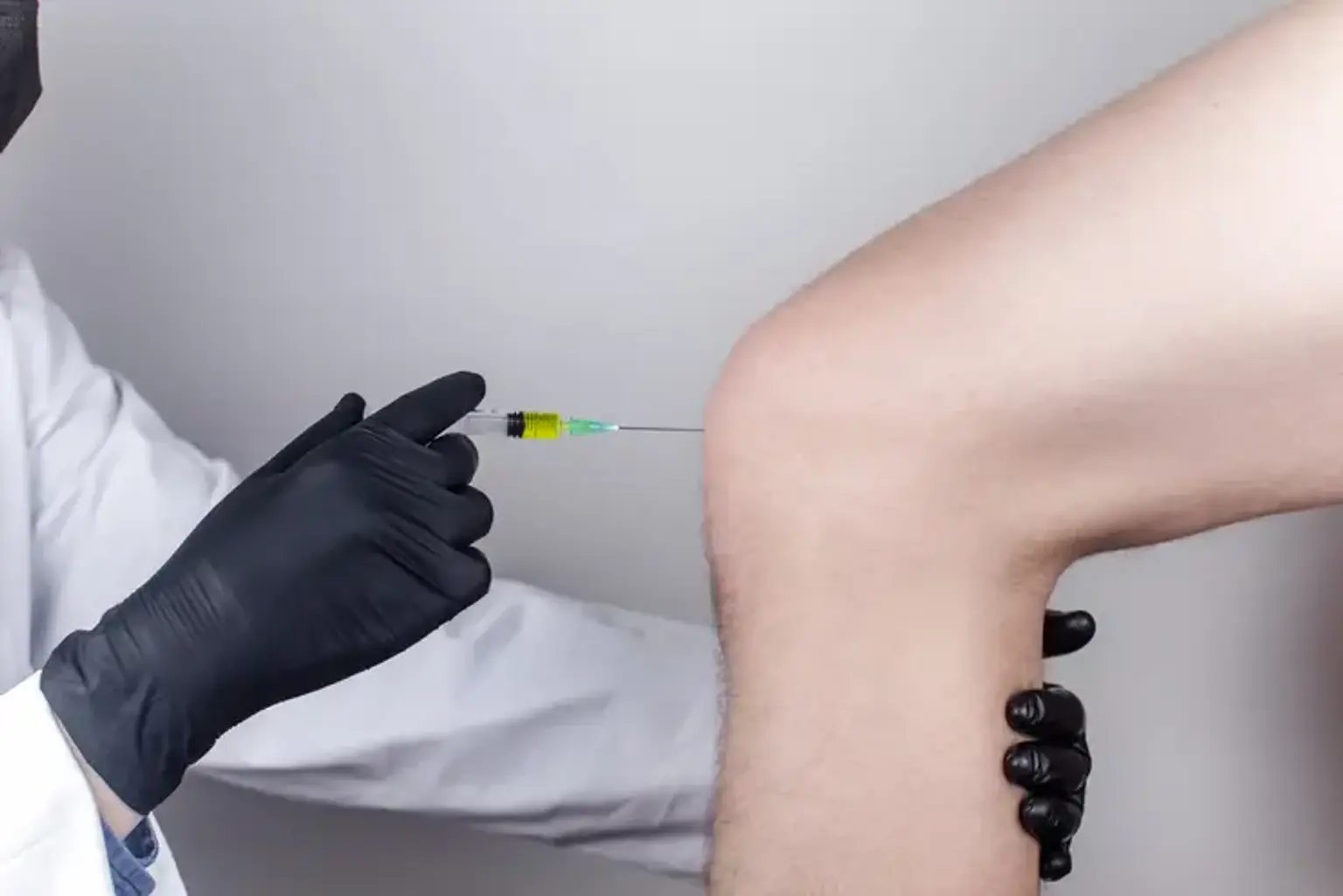
Prolotherapy has been used for decades as a non-surgical alternative to treat musculoskeletal conditions, particularly in patients with chronic pain, ligament injuries, or joint instability. While it may not be as well-known as other medical treatments, it has shown promise in helping individuals with conditions that typically require surgery, offering a much less invasive option for recovery.
Importance of Joint and Ligament Health
Joints and ligaments are essential for the body’s ability to move and function. Joints are the areas where two bones meet, and they allow for flexibility and motion. Ligaments, on the other hand, are the fibrous tissues that connect bones together, providing stability and support. Healthy joints and ligaments are vital for a wide range of activities, from walking to playing sports.
When joints and ligaments are damaged, whether due to overuse, aging, or trauma, the body’s ability to function can be severely impacted. Conditions like osteoarthritis, ligament tears, and chronic joint pain can make everyday tasks challenging. As a result, many individuals seek treatments that will restore mobility and alleviate pain without resorting to invasive surgeries.
Prolotherapy offers a potential solution for these common problems. By stimulating the body’s own healing mechanisms, prolotherapy aims to restore the integrity of joints and ligaments, allowing individuals to regain mobility and reduce pain.
How Does Prolotherapy Work?
Prolotherapy works by utilizing a solution that is injected into the damaged tissues to initiate the body’s natural repair mechanisms. This solution is typically a dextrose-based substance, although other compounds like platelet-rich plasma (PRP) may also be used. When injected into the joint or ligament, the irritant causes mild inflammation, which is precisely what the body needs to start healing the injured tissue.
The inflammatory response triggered by prolotherapy promotes the production of collagen, a key component of connective tissues like tendons and ligaments. This process helps to strengthen and repair damaged tissues, encouraging new cell growth and improved structural integrity. Over time, this leads to reduced pain, improved mobility, and, in many cases, the restoration of full function.
Unlike corticosteroid injections or pain medications, which can mask pain temporarily without addressing the underlying cause, prolotherapy aims to promote healing at the source. It is an attractive option for those looking for a natural, long-term solution to musculoskeletal pain.
Mechanism of Action
The mechanism behind prolotherapy is grounded in its ability to stimulate the body’s innate healing response. The solution injected during the procedure triggers an inflammatory reaction at the site of the injury. While inflammation is typically seen as something harmful, in the case of prolotherapy, it plays a crucial role in tissue regeneration.
Once injected, the body identifies the irritant as a signal to begin repairing the damaged tissues. This inflammation kickstarts the production of collagen and other essential growth factors that are necessary for tissue repair. Over time, these newly produced collagen fibers help to rebuild ligaments, tendons, and cartilage, thus restoring the integrity and functionality of the joint or ligament.
One of the reasons prolotherapy is so effective is that it encourages the body to use its own natural resources to heal itself. By fostering collagen production and improving the blood flow to the injured area, prolotherapy enables the body to repair its own tissues more effectively, leading to long-term pain relief and improved joint stability.
Stem Cell Therapy vs. Prolotherapy for Joint Repair
Stem cell therapy and prolotherapy are both forms of regenerative treatments used for joint and ligament repair. However, they differ in their approach and complexity.
Prolotherapy uses irritant solutions like dextrose to stimulate the body's healing process, while stem cell therapy involves harvesting stem cells (often from bone marrow or adipose tissue) and injecting them into the injured area to regenerate tissue. Stem cell therapy is a more advanced and complex procedure, often used for more severe injuries or conditions that don't respond to prolotherapy alone.
While stem cell therapy may offer more profound healing, it is also more expensive and requires specialized procedures. On the other hand, prolotherapy is more accessible, less invasive, and often effective for milder injuries or chronic pain conditions.
For many patients, prolotherapy provides a less costly, less invasive alternative to stem cell therapy, with satisfactory results for joint repair and ligament healing.
Common Solutions Used in Prolotherapy
Prolotherapy typically involves the injection of an irritant solution into the damaged joint or ligament. The most commonly used solution is dextrose, a form of sugar, which helps trigger an inflammatory response that promotes tissue healing. Sometimes, additional compounds like saline, glycerin, or even vitamin B12 are used, but dextrose remains the most popular choice.
In recent years, Platelet-Rich Plasma (PRP) has gained attention as an advanced version of prolotherapy. PRP involves using a patient’s own blood, which is processed to concentrate platelets and growth factors before being injected into the injured area. This has shown to enhance healing by supplying the body with its natural healing agents.
Each solution works by stimulating collagen production and healing in the affected area. The choice of solution depends on the injury, the practitioner’s experience, and the patient’s needs.
Prolotherapy for Knee Joint Repair
One of the most common uses of prolotherapy is for knee joint repair, especially in patients suffering from ligament damage or osteoarthritis. The knee is a complex joint, and injuries here can severely affect mobility and quality of life.
Prolotherapy is particularly useful in addressing injuries to the anterior cruciate ligament (ACL) or medial collateral ligament (MCL), as well as in treating knee arthritis. In these cases, prolotherapy injections can reduce inflammation, strengthen the ligaments, and help regenerate damaged cartilage, ultimately reducing pain and improving joint function.
Patients who undergo prolotherapy for knee injuries often experience a significant decrease in pain and an increase in their ability to move freely, making it a popular choice for those who prefer non-surgical treatments. It’s especially effective for athletes or individuals who want to avoid knee replacement surgery.
Prolotherapy for Shoulder and Elbow Injuries
Prolotherapy can also be highly effective in treating shoulder and elbow injuries, especially for conditions like rotator cuff tears, tendinitis, and tennis elbow. These injuries often result in chronic pain, stiffness, and reduced range of motion, which can disrupt daily activities and sports performance.
For the shoulder, prolotherapy helps by promoting collagen growth in the tendons and ligaments that support the joint, reducing pain and improving mobility. In the case of elbow injuries like tennis elbow, prolotherapy helps strengthen the tendons, providing stability and decreasing discomfort.
Athletes and individuals involved in repetitive motion activities, such as tennis players or manual laborers, are common candidates for prolotherapy when facing shoulder or elbow injuries. By stimulating the body's healing process, prolotherapy can provide significant relief, sometimes avoiding the need for surgery.
Prolotherapy for Ankle and Foot Ligaments
Ankle and foot injuries, such as sprains and ligament tears, are common among athletes and individuals who engage in physical activities. These injuries can lead to persistent pain, instability, and difficulty walking or running. Prolotherapy is an excellent non-surgical solution for repairing the damaged ligaments in these areas.
Prolotherapy works by injecting a regenerative solution into the injured ligaments and tendons, stimulating healing and promoting tissue regeneration. For conditions like ankle sprains, prolotherapy strengthens the ligaments, improves joint stability, and reduces the risk of future injuries. Similarly, for foot injuries like plantar fasciitis or Achilles tendonitis, prolotherapy can help relieve pain and accelerate recovery by encouraging collagen production and tissue repair.
This approach is especially beneficial for individuals who suffer from chronic ankle instability or ongoing pain that hasn't responded to other treatments.
Success Rates and Patient Outcomes
Prolotherapy has been shown to be effective in treating a wide range of joint and ligament injuries, with many patients reporting significant improvements in pain and mobility after treatment. The success rates can vary depending on the severity of the injury, the area being treated, and the patient's overall health.
Several studies have highlighted the effectiveness of prolotherapy for chronic musculoskeletal pain. For instance, patients with knee osteoarthritis, shoulder injuries, and back pain have experienced substantial improvements in pain levels and joint function after prolotherapy injections. Success rates can range from 70-80% in many cases, with some patients requiring multiple sessions for optimal results.
It’s important to note that prolotherapy is not a quick-fix solution, and patients should be prepared for a gradual improvement in symptoms. Recovery may take weeks or months, but the long-term benefits—such as increased joint stability and reduced pain—make it a popular choice for many.
What to Expect During a Prolotherapy Treatment
The prolotherapy treatment process is relatively straightforward, but understanding the steps involved can help patients feel more at ease. Here’s a general overview of what to expect:
Initial Consultation: Before undergoing prolotherapy, patients will undergo a thorough consultation with a qualified practitioner. The doctor will review medical history, perform a physical examination, and possibly order imaging tests (like X-rays or MRIs) to assess the injury.
The Injection Procedure: During the treatment, the doctor will inject the regenerative solution directly into the injured area. Depending on the location and the number of areas being treated, this may take anywhere from 20 minutes to an hour. Most patients report minimal discomfort during the procedure, though local anesthesia can be used to reduce pain.
Aftercare: After the injection, patients are usually advised to rest the treated area for a short period. While most can return to normal activities within a few days, some mild soreness or swelling may occur. Physical therapy is often recommended to support the healing process and prevent re-injury.
Prolotherapy is typically performed in outpatient settings, and patients can usually return home the same day. However, it’s important to follow post-treatment guidelines carefully to ensure the best possible results.
Factors Influencing Prolotherapy Outcomes
The outcomes of prolotherapy can depend on several factors, including the severity of the injury, the area being treated, the patient’s age, and their overall health. Here are some key factors that can affect the success of prolotherapy:
Severity of Injury: Prolotherapy is most effective for mild to moderate injuries. In cases of severe tissue damage or advanced joint degeneration, prolotherapy may not provide the desired level of improvement.
Number of Sessions: Many patients require more than one prolotherapy session for optimal results. In some cases, follow-up treatments are necessary to maintain long-term benefits.
Overall Health and Age: Younger patients with healthy tissues tend to respond better to prolotherapy. Individuals with underlying conditions like diabetes or poor circulation may require a more tailored approach and may not experience as rapid results.
Patient Commitment to Rehabilitation: Prolotherapy alone may not be enough for complete recovery. A dedicated rehabilitation program, including physical therapy and lifestyle modifications, can help enhance the effects of prolotherapy.
Understanding these factors can help set realistic expectations for patients considering prolotherapy as a treatment option.
Risks and Side Effects of Prolotherapy
As with any medical treatment, prolotherapy carries some risks and potential side effects. However, the risks associated with prolotherapy are generally considered low, especially when performed by a skilled and experienced practitioner. Common side effects include:
Mild Pain or Swelling: After the injections, patients may experience mild discomfort, swelling, or redness at the injection site. This is typically temporary and should resolve within a few days.
Bruising: Some bruising at the injection site is common and can last for a week or two.
Infection: Although rare, there is a small risk of infection if the injection site is not properly cleaned.
Nerve Injury: There is a very small risk of nerve injury, but this is rare and can typically be avoided by using proper injection techniques.
Most side effects are temporary and manageable with basic aftercare. It’s important for patients to follow the instructions given by their healthcare provider and report any severe or persistent symptoms immediately.
Prolotherapy vs. Traditional Surgery
One of the most significant advantages of prolotherapy is that it provides a non-surgical alternative to traditional joint and ligament repair procedures. Traditional surgery, such as ligament reconstruction or joint replacement, often involves longer recovery times, a higher risk of complications, and the need for general anesthesia.
Prolotherapy, on the other hand, is minimally invasive, typically performed in an outpatient setting, and involves less downtime. While surgery may be necessary for certain severe conditions, prolotherapy can be a highly effective option for patients who wish to avoid surgery or for those who are not candidates for surgery due to age or underlying health conditions.
Moreover, prolotherapy can be used to complement other treatments, such as physical therapy, to enhance recovery. For individuals seeking to return to physical activities quickly, prolotherapy offers a more conservative and less invasive route to recovery.
Cost of Prolotherapy and Insurance Coverage
The cost of prolotherapy can vary depending on factors such as the practitioner’s experience, the region where the treatment is performed, and the number of sessions required. On average, prolotherapy can cost between $300 to $800 per session. Multiple sessions may be necessary to achieve optimal results, which can add to the total cost.
Unlike surgery or traditional medical treatments, prolotherapy is often considered a form of alternative or complementary therapy, which means it may not always be covered by insurance. However, some patients may have success obtaining partial reimbursement depending on their plan and the reason for treatment. It’s always advisable to contact your insurance provider beforehand to understand the potential costs and coverage options.
While prolotherapy may be an out-of-pocket expense for some patients, it is generally more affordable than surgery, with less time off work and fewer associated costs like hospital stays or rehabilitation.
Global Popularity and Use of Prolotherapy
Prolotherapy has gained increasing recognition worldwide as a viable alternative for joint and ligament repair. While it originated in the United States, prolotherapy is now widely practiced in many countries across Europe, Asia, and South America. In some regions, prolotherapy is considered a standard treatment for musculoskeletal injuries, especially among athletes and active individuals.
Countries like Canada, Germany, and Brazil have prominent clinics offering prolotherapy, and its use is growing steadily in places like India and Australia, where alternative and regenerative medicine is becoming more mainstream. The increasing demand for non-invasive treatments and the focus on regenerative medicine have helped prolotherapy gain traction as a reliable and effective option for those seeking to avoid surgery.
As more research and clinical studies continue to support the efficacy of prolotherapy, it is expected to become even more widely accepted and used across the globe, offering patients a more affordable, less invasive way to address joint and ligament injuries.
How to Find a Qualified Prolotherapy Practitioner
Choosing the right practitioner for prolotherapy is crucial to achieving successful outcomes. It's important to select a healthcare provider who is experienced and properly trained in regenerative medicine techniques. Look for the following qualifications:
Certification and Training: Ensure the practitioner has specialized training in prolotherapy, often through recognized organizations like the American Association of Orthopaedic Medicine (AAOM).
Experience: Ask about the practitioner’s experience with prolotherapy, including their success rates and their familiarity with treating specific joint or ligament injuries.
Reputation: Read patient reviews and seek recommendations from others who have undergone prolotherapy. Trustworthy practitioners often have a strong track record of satisfied patients.
Consultation: Before committing to treatment, schedule a consultation to discuss your case and ensure the provider addresses your questions and concerns. This also allows you to gauge comfort and professionalism.
Combining Prolotherapy with Physical Therapy
For optimal results, prolotherapy is often combined with physical therapy. Prolotherapy helps accelerate the healing process, while physical therapy strengthens the muscles and joints, improving mobility and function. A typical rehabilitation plan after prolotherapy may include:
Strengthening Exercises: These exercises help to build muscle support around the injured area, preventing re-injury and improving stability.
Range-of-Motion Exercises: These exercises restore flexibility to the joint, improving overall function and reducing stiffness.
Pain Management: Physical therapists may use techniques like massage or heat therapy to reduce pain and swelling during recovery.
By combining prolotherapy with physical therapy, patients can maximize their recovery and reduce the chances of re-injury, enhancing the long-term benefits of the treatment.
When to Consider Prolotherapy for Chronic Pain
Prolotherapy is often recommended for patients who have chronic pain in joints or ligaments that have not responded to other treatments like physical therapy, medications, or corticosteroid injections. Conditions that can benefit from prolotherapy include:
Osteoarthritis: Especially in the knees, hips, and shoulders, where cartilage loss and ligament weakening occur.
Tendinitis: Common in the elbow, shoulder, and knee, prolotherapy can stimulate healing in tendon tissues.
Sports Injuries: Chronic ligament or joint injuries that haven't healed properly may benefit from prolotherapy's regenerative effects.
Patients with chronic pain who have tried other methods without success may consider prolotherapy as a non-invasive alternative to more aggressive treatments, such as surgery.
Conclusion
Prolotherapy has emerged as a promising non-surgical solution for individuals dealing with joint and ligament injuries. With its ability to stimulate the body’s natural healing processes, prolotherapy provides relief for chronic pain, improves joint stability, and accelerates tissue regeneration. Whether treating sports injuries, osteoarthritis, tendonitis, or ligament tears, prolotherapy offers a conservative yet effective alternative to invasive surgical procedures.
While it’s essential to have realistic expectations regarding the timeline and number of treatments needed, many patients experience significant improvements in mobility, pain reduction, and overall quality of life. Prolotherapy’s growing popularity globally, combined with its minimal side effects and non-invasive nature, makes it an appealing option for those seeking long-term solutions without the risks associated with traditional surgery.
For the best results, patients should work closely with a qualified practitioner, adhere to post-treatment care instructions, and consider integrating physical therapy into their recovery plan. As the field of regenerative medicine continues to evolve, prolotherapy is poised to play an even larger role in healing and rehabilitation, offering patients an accessible and effective path toward recovery.