What is Prosthetic Joint Replacement Surgery?
Prosthetic joint replacement surgery, commonly known as joint replacement, is a medical procedure where a damaged or arthritic joint is replaced with an artificial prosthesis. The goal is to relieve pain, restore function, and improve the quality of life.
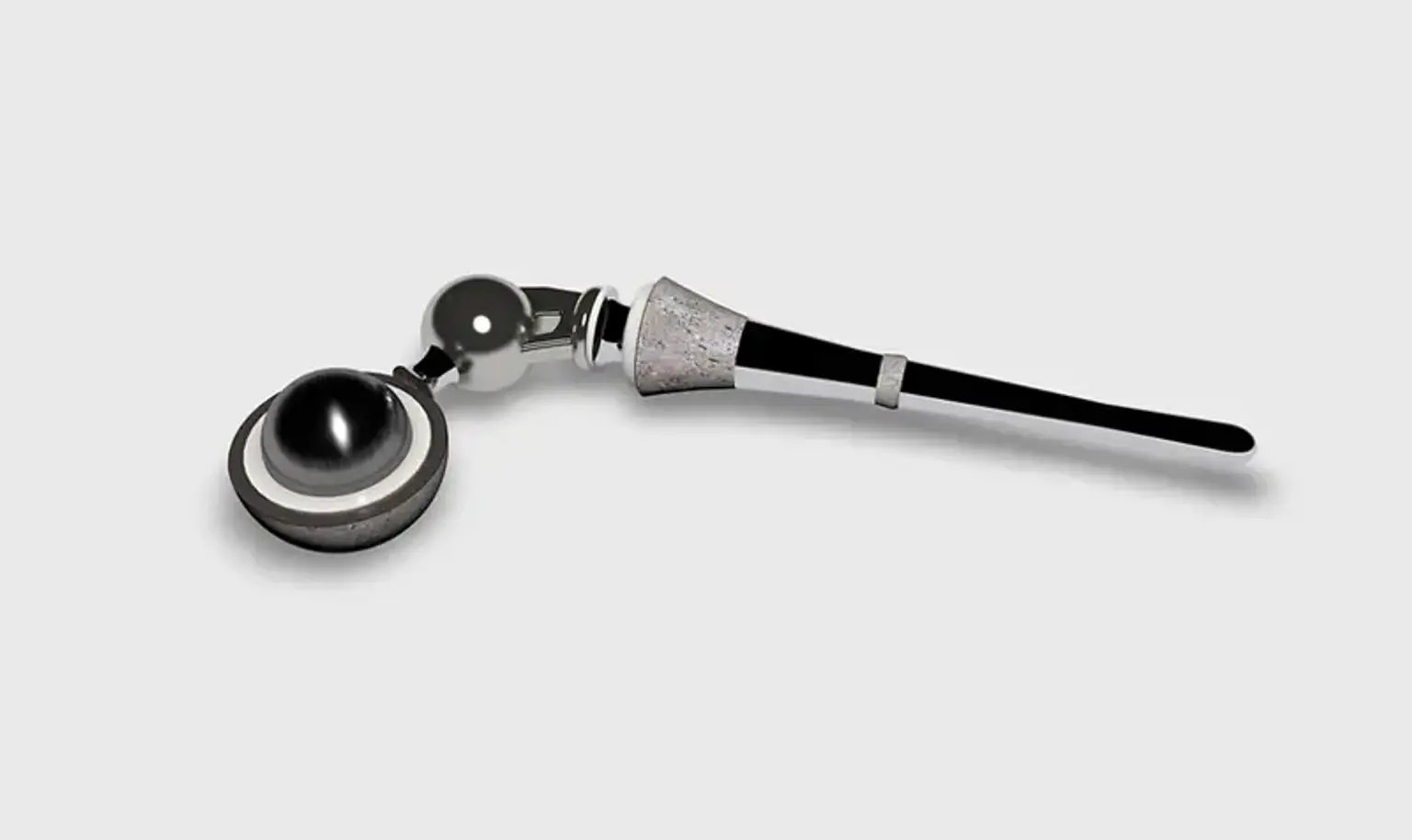
The most common joints replaced are the hip, knee, and shoulder, but the procedure can also be performed on other joints like the elbow and ankle. Prosthetic joints are typically made from durable materials such as metal alloys, plastics, and ceramics.
Patients often opt for this surgery when conservative treatments, like medication or physical therapy, no longer provide relief from chronic pain and limited movement.
Common Types of Prosthetic Joint Replacements
There are several types of joint replacement surgeries, with the hip, knee, and shoulder being the most common.
Hip Replacement: Often performed for osteoarthritis or fractures, this surgery replaces the damaged hip joint with a prosthetic to restore mobility and eliminate pain. It is particularly effective for individuals who experience severe hip pain or limited movement.
Knee Replacement: The most common joint replacement surgery, knee replacement (or total knee arthroplasty) is done for conditions like arthritis. It involves replacing the damaged cartilage and bone with an artificial joint to restore movement and alleviate pain.
Shoulder Replacement: This is generally performed for rotator cuff injuries, arthritis, or fractures. A prosthetic joint is used to replace the damaged shoulder joint, improving pain relief and arm function.
Other joints like the elbow and ankle may also require replacement, though these surgeries are less common.
The Procedure: Step-by-Step Guide
The process of joint replacement surgery typically follows these steps:
Pre-Surgery Preparation: Before surgery, the doctor will conduct imaging tests (e.g., X-rays) to assess the extent of the joint damage. A full medical assessment will be done to evaluate your overall health and suitability for the surgery.
Anesthesia Options: Patients are usually given either general anesthesia (where they are fully asleep) or regional anesthesia (which numbs only the affected area). The choice depends on the type of surgery and patient preference.
Surgical Process: Traditional joint replacement involves making an incision to remove the damaged joint and replacing it with the prosthetic. Minimally invasive surgery, which uses smaller incisions, is becoming increasingly popular for faster recovery and less scarring.
Robotic-Assisted Surgery: In some cases, robotic technology is used to guide the surgeon’s movements, ensuring higher precision during the operation.
Recovery Timeline After Joint Replacement Surgery
Recovery from joint replacement surgery varies, but most patients can expect the following:
Immediate Post-Surgery: You’ll likely stay in the hospital for 1 to 3 days. The first day involves pain management, and physical therapists will begin gentle exercises to promote healing.
Early Recovery: Within the first few weeks, you’ll begin walking with assistance. Physical therapy becomes crucial to regain range of motion and strength.
Full Recovery: For knee or hip replacement, it can take 6 months to a year for full recovery. During this time, most patients gradually resume normal activities, with some avoiding high-impact sports.
Recovery can be faster for minimally invasive procedures, but physical therapy and following post-surgery guidelines are essential for a successful outcome.
Preparing for Joint Replacement Surgery
Proper preparation is key to a successful joint replacement surgery:
Pre-Surgical Assessments: Your doctor will conduct several tests, including X-rays, blood tests, and a general physical exam to ensure you’re fit for surgery. If you have other health conditions (e.g., diabetes, heart disease), these may need to be managed prior to surgery.
Lifestyle Adjustments: In the weeks leading up to surgery, you may be advised to lose weight, stop smoking, or improve your fitness levels to make the recovery process smoother. Your doctor might also recommend exercises to improve joint strength.
Home Preparation: You’ll need to arrange for help at home during your recovery, especially in the early days. Consider making your home more accessible by removing obstacles or setting up safety measures.
Mental Preparation: Surgery can be emotionally taxing, so it’s essential to mentally prepare for the challenges ahead. Understanding what to expect and discussing any concerns with your healthcare team can help reduce anxiety.
Benefits of Prosthetic Joint Replacement
Prosthetic joint replacement offers numerous benefits:
Pain Relief: The most immediate benefit of joint replacement is relief from chronic pain caused by arthritis or injury. Most patients experience significant improvement within weeks.
Restored Mobility: By replacing the damaged joint, patients often regain the ability to move freely without pain, making activities like walking, climbing stairs, and driving possible again.
Improved Quality of Life: Joint replacement can significantly enhance a patient's independence, allowing them to return to daily activities like work, exercise, and social engagements.
Reduced Dependence on Medication: Many patients reduce or eliminate their need for pain medication post-surgery, improving their overall health and well-being.
What Are the Success Rates of Joint Replacement Surgery?
Joint replacement surgery boasts high success rates, with many patients experiencing significant improvements. Here are some key statistics:
Hip and Knee Replacements: The success rate for both hip and knee replacements is about 90-95%, with most patients enjoying a pain-free or minimally painful joint for many years.
Factors Influencing Success: The outcome of surgery depends on factors like age, general health, commitment to post-surgery rehabilitation, and the presence of other medical conditions (e.g., diabetes or obesity).
Real-Life Examples: Patients who undergo joint replacement surgery often report significant relief from pain, improved mobility, and a restored sense of independence. For instance, many individuals who were previously unable to walk without a cane can return to walking or light jogging after surgery.
Pain Management and Anesthesia Options
Pain management and anesthesia play a critical role in making the surgery comfortable and ensuring a smooth recovery:
Anesthesia: The two most common types of anesthesia for joint replacement surgery are general anesthesia, which puts you to sleep during the procedure, and regional anesthesia, which numbs the affected area while you remain awake. Your surgeon will decide based on your medical history and the procedure’s requirements.
Pain Management: After surgery, pain management is a priority. Doctors often use a combination of medications, including opioids, non-steroidal anti-inflammatory drugs (NSAIDs), and nerve blocks. Many hospitals also use patient-controlled analgesia (PCA), where patients can self-administer pain relief within prescribed limits.
Post-Surgery Pain Relief: After the initial recovery, you may experience some discomfort as you begin physical therapy. Most patients report that the pain from the joint replacement surgery significantly decreases after the first few weeks.
How Long Does a Prosthetic Joint Last?
The lifespan of a prosthetic joint depends on several factors:
Average Lifespan: Most artificial joints last between 15 and 25 years. However, this can vary depending on the patient’s age, activity level, and the type of prosthesis used.
Factors Affecting Longevity: Younger, more active patients may put more stress on the joint, potentially leading to wear and tear sooner. On the other hand, older patients who engage in low-impact activities may see their prosthetic joint last longer.
Technology Improvements: Advances in materials (such as more durable plastics and metals) have helped increase the lifespan of modern prosthetics. Newer joint designs and surgical techniques also contribute to better outcomes.
Revision Surgery: If a prosthetic joint wears out or loosens over time, revision surgery can be performed to replace it. This surgery is typically more complex than the original, but it can significantly improve function and alleviate pain.
Physical Therapy: Key to a Successful Recovery
Physical therapy is essential for a successful recovery following joint replacement surgery:
Early Therapy: In the first few days after surgery, physical therapists will guide you through gentle movements to prevent stiffness and promote healing. These initial exercises help you begin walking again and improve circulation.
Strength and Mobility Exercises: As recovery progresses, physical therapy becomes more intense, focusing on strengthening the muscles around the new joint and improving range of motion. Exercises may include leg lifts, squats, or resistance training.
Post-Surgery Goals: Your physical therapist will set achievable goals, such as walking without assistance, bending the knee or hip, or using stairs. These goals are based on your individual progress and needs.
Staying Motivated: Commitment to physical therapy is crucial for a full recovery. Regular sessions will help you achieve the best results, so it's important to stay motivated and communicate with your therapist about any pain or discomfort.
Risks and Complications of Prosthetic Joint Replacement
While joint replacement surgery is generally safe, there are risks and potential complications, including:
Infection: One of the most common concerns after surgery, infections can occur at the surgical site or deeper within the joint. Preventive antibiotics are typically given, and proper wound care is essential.
Blood Clots: Deep vein thrombosis (DVT) can occur after surgery, especially in the legs. To reduce this risk, patients are encouraged to move their legs frequently and wear compression stockings.
Prosthesis Failure: Over time, the prosthetic joint may loosen or wear out, requiring revision surgery. The risk of failure is higher in younger patients who are more active.
Nerve and Blood Vessel Damage: While rare, nerves or blood vessels can be accidentally damaged during surgery, leading to temporary or permanent issues.
Stiffness and Dislocation: In some cases, the new joint may not move as smoothly as expected, or it may dislocate. Regular physical therapy can help prevent this issue.
Lifestyle Changes Post-Surgery
After joint replacement surgery, certain lifestyle changes may help enhance recovery and prolong the life of your new joint:
Maintain a Healthy Weight: Excess weight places added stress on the new joint, particularly for knee and hip replacements. A balanced diet and regular exercise can help you manage your weight and support joint health.
Low-Impact Exercise: While high-impact activities like running or jumping should be avoided, low-impact exercises such as walking, swimming, and cycling are excellent ways to stay fit without putting undue stress on the joint.
Assistive Devices: During the early recovery period, you may need assistive devices like crutches, a walker, or a cane. These can help reduce strain on the new joint as you rebuild strength and stability.
Ongoing Physical Therapy: Continuing physical therapy even after the initial recovery period can help maintain flexibility, strength, and overall joint health.
Advances in Prosthetic Joint Technology
Advancements in prosthetic joint technology have greatly improved both the performance and longevity of joint replacements:
Materials: New materials like cross-linked polyethylene, which is used in hip and knee prosthetics, are more durable and wear-resistant than older materials. Ceramic prosthetics are also increasingly popular, offering enhanced wear resistance and lower risk of wear debris.
3D Printing: The rise of 3D printing in prosthetic manufacturing allows for customized, patient-specific joint replacements. This ensures a better fit and may lead to faster recovery times.
Robotic-Assisted Surgery: Robotic systems, such as the MAKO robotic-arm assisted surgery, offer enhanced precision in joint replacement surgeries. These systems assist the surgeon in planning and performing the procedure, potentially leading to more accurate placement of the prosthesis and reduced recovery times.
Improved Joint Designs: New prosthetic designs aim for better biomechanics, which mimics natural joint movements more closely. This improves both function and comfort for patients.
Costs of Prosthetic Joint Replacement
The cost of prosthetic joint replacement surgery can vary greatly depending on factors such as location, hospital fees, and the type of prosthesis used:
Cost Breakdown: The total cost typically includes the surgeon’s fees, anesthesia, hospital stay, and the prosthetic itself. In the U.S., the cost for a hip or knee replacement can range from $30,000 to $70,000 or more.
Insurance: Most health insurance plans, including Medicare and Medicaid, cover the majority of the costs for joint replacement surgery. However, out-of-pocket expenses may still include copays, deductibles, and certain rehabilitation services.
Financial Planning: If you are concerned about the cost, discuss payment options with your healthcare provider and insurance company. Some hospitals offer payment plans or financial assistance programs.
Cost vs. Quality of Life: Despite the expense, joint replacement surgery often provides a significant return on investment by improving mobility, reducing pain, and enhancing quality of life, allowing individuals to return to work and recreational activities.
Managing Expectations: What to Expect After Surgery
It's essential to have realistic expectations about the results of joint replacement surgery:
Pain Relief: Most patients experience significant pain relief within weeks after surgery, although some discomfort is normal during the early stages of recovery. The majority of patients see a dramatic reduction in pain compared to pre-surgery levels.
Recovery Speed: While recovery times vary, most patients can return to light activities within 6 weeks. More strenuous activities may take 3 to 6 months to safely resume. It’s important to follow your doctor’s guidance regarding activity limitations during the healing process.
Long-Term Outcomes: Joint replacement surgery is not a cure-all, but it significantly improves quality of life. The surgery will relieve pain, improve mobility, and restore functionality for most patients, but it’s important to understand that prosthetic joints eventually wear out and may need replacement in the future.
Global Popularity and Trends in Joint Replacement
Prosthetic joint replacement surgery is becoming increasingly popular worldwide, with many countries adopting cutting-edge technologies and practices:
Global Surge in Demand: With aging populations and higher rates of osteoarthritis, joint replacement surgeries are on the rise globally. In the U.S. alone, over 1 million knee and hip replacement surgeries are performed annually.
Technological Adoption: Countries like Germany, South Korea, and Japan are at the forefront of adopting robotic-assisted surgeries and advanced prosthetic designs, improving outcomes and patient satisfaction.
Access to Care: While joint replacement surgeries are widely available in developed countries, there is a growing trend to offer these services in developing countries as well. Countries like India, Mexico, and Thailand are becoming popular destinations for medical tourism due to lower surgical costs and high-quality care.
Trends in Patient Demographics: More active and younger patients are opting for joint replacement, especially for knee surgeries. Surgeons are increasingly focusing on long-term results, tailoring joint replacements to suit younger, more active lifestyles.
Frequently Asked Questions (FAQs)
Here are some common questions patients ask before undergoing joint replacement surgery:
How long does the surgery take?
The surgery typically lasts between 1 to 2 hours, depending on the joint being replaced and whether it's a primary or revision surgery.Is joint replacement surgery painful?
While some pain is expected post-surgery, pain management techniques and medications are used to keep discomfort manageable. The pain usually decreases significantly within weeks.Will I need physical therapy after surgery?
Yes, physical therapy is essential for a full recovery. It helps improve mobility, strength, and flexibility after the surgery.How soon can I walk after surgery?
Most patients can start walking with assistance within the first 24 hours after surgery. Full mobility comes gradually over the following weeks and months.
Maintaining Your New Joint for Longevity
To ensure the longevity of your prosthetic joint, consider these tips:
Follow Physical Therapy: Regular exercise and therapy strengthen the muscles around the joint, improving stability and function.
Avoid High-Impact Activities: Sports like running or heavy lifting can accelerate wear on the prosthetic. Opt for low-impact activities such as swimming or walking.
Monitor Joint Health: Keep track of any changes in the joint's movement or pain levels. If you notice discomfort or unusual symptoms, consult your doctor promptly.
Healthy Lifestyle: Maintaining a healthy weight and balanced diet is crucial to reducing strain on your joints and ensuring long-term success.
Conclusion
Prosthetic joint replacement surgery offers significant benefits, including pain relief, improved mobility, and enhanced quality of life. However, it’s important to consider your overall health, activity level, and expectations before deciding.
The decision to undergo joint replacement should be made in consultation with a skilled orthopedic surgeon who can assess your condition and guide you through the process. With proper preparation, recovery, and lifestyle adjustments, joint replacement can provide lasting results, helping you live a more active, pain-free life.