Introduction
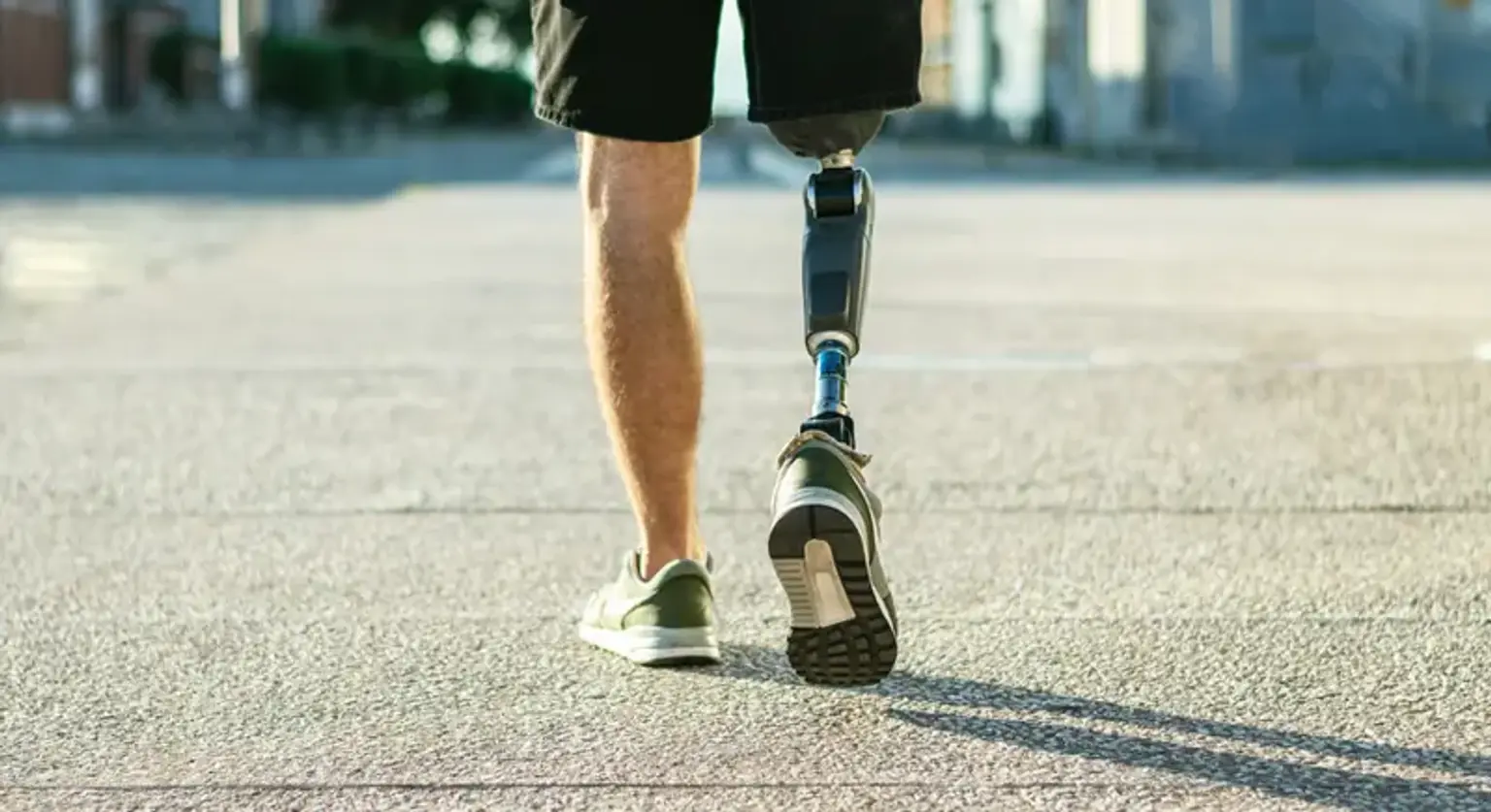
Prosthetic plastic surgery is a revolutionary field that combines the expertise of plastic surgeons with advanced prosthetic technology to restore both function and aesthetics to patients who have lost limbs or facial features due to trauma, disease, or congenital conditions. This specialized surgery helps individuals regain independence and confidence, improving their quality of life in ways that go beyond medical restoration. From limb prosthetics to intricate facial reconstructions, prosthetic surgery plays a crucial role in giving patients a chance to live life fully after significant injuries or abnormalities.
What is Prosthetic Plastic Surgery?
Prosthetic plastic surgery refers to procedures designed to replace lost or damaged body parts with prostheses—artificial devices that mimic the appearance and functionality of natural limbs or facial features. Unlike purely cosmetic surgery, prosthetic surgery focuses on restoring both form and function. Prosthetics can be used for limbs, such as arms or legs, or for facial features like eyes, noses, and ears, and can be customized to suit each patient's specific needs.
The procedure combines medical expertise with cutting-edge technology, allowing for advanced customization in both the look and the function of the prosthesis. For example, bionic limbs not only replicate the shape of a lost arm or leg but can also incorporate advanced functionality such as movement control, thanks to neural interfaces and sensor technology.
The Need for Prosthetic Surgery: Real-Life Impact
For individuals who have experienced the loss of a limb or facial feature due to accidents, medical conditions, or congenital deformities, prosthetic surgery provides a chance to regain normalcy. It isn’t just about physical restoration; prosthetic surgery addresses the psychological toll of losing a part of one's body, helping patients regain their confidence and sense of self.
Traumatic injuries, such as those from car accidents, severe burns, or war-related injuries, often leave lasting physical scars and emotional pain. Prosthetics provide a functional solution to help patients adapt to their new reality, allowing them to perform daily tasks with greater ease. Similarly, those born with congenital limb differences or facial deformities can use prosthetic surgery to restore facial symmetry or function, contributing to improved mental health and social integration.
Types of Prosthetic Surgery
Prosthetic surgery can involve various types of prosthetic devices, tailored to the needs of the patient. The most common types include:
Limb Prosthetics: These are used to replace lost arms, legs, or parts of limbs due to amputation or congenital defects. Prosthetic limbs range from simple cosmetic replacements to complex, bionic designs that offer a high degree of functionality, like the ability to grip or walk with minimal effort.
Facial Prosthetics: When facial features such as eyes, ears, or noses are lost due to trauma or disease, facial prosthetics are used to restore the appearance and function. These prostheses are often made from materials like silicone and are designed to blend seamlessly with the patient’s existing features.
Ocular Prosthetics: Used to replace one or both eyes after enucleation (removal) or congenital absence, ocular prosthetics help restore the natural appearance of the face while improving the patient’s psychological well-being.
Each of these types of prosthetic surgery requires a custom approach, tailored to the patient’s specific needs, the extent of their injury or loss, and their desired outcome. The integration of advanced materials, such as silicone, carbon fiber, and titanium, allows for prosthetics that are not only functional but also comfortable and durable.
How Prosthetic Surgery Works: The Process
The journey to receiving a prosthetic involves several stages, each crucial for ensuring a successful outcome. It begins with an initial consultation, where the surgeon evaluates the patient’s medical history, current health, and specific needs. This helps determine the best approach for the prosthetic and whether the patient is fit for surgery.
Once the decision is made, the surgery itself typically involves the removal of any damaged tissue and the careful placement of a prosthetic device, which may be attached through a surgical procedure or be custom-fitted later. In some cases, prosthetic devices are surgically integrated with the patient’s existing tissue to create a more permanent and functional solution.
For limb prosthetics, surgeons use bone or tissue anchors for better stability. For facial prosthetics, the process might include implanting anchors to help secure the prosthesis more naturally.
The final step involves fitting the patient with the prosthesis, adjusting it for comfort and function. This can include several follow-up visits to ensure proper alignment and to adjust the prosthetic as needed.
Advancements in Prosthetic Surgery Technology
Over the years, prosthetic surgery has evolved significantly, largely due to advancements in technology. One of the most exciting developments is the rise of 3D printing. This technology allows for highly customized prosthetics that fit a patient’s unique measurements and needs, improving both comfort and function. 3D printed prosthetics also allow for more intricate designs, such as lightweight limbs or detailed facial prosthetics that mimic the natural texture of skin.
Bionic prosthetics represent another leap forward. These are prosthetic limbs equipped with sensors and actuators that respond to muscle movements or nerve signals, enabling the patient to perform tasks like gripping, walking, and even running. These bionic prosthetics offer greater mobility and a more natural feel compared to traditional prosthetic devices.
Other innovations include the use of smart prosthetics, which can be controlled via mobile apps, allowing users to adjust their prosthesis settings based on their activity. AI-assisted prosthetics can even help patients regain a sense of touch, using sensors embedded in the device to provide feedback on pressure and grip strength.
Prosthetic Limb Design: Materials and Functionality
The design and materials used in prosthetic limbs play a crucial role in their effectiveness, comfort, and durability. Modern prosthetics are crafted from a variety of materials that are lightweight yet strong, providing both comfort and functionality.
Silicone is commonly used for facial and eye prosthetics due to its flexibility and realistic appearance. It's soft, comfortable, and mimics the natural movement of skin. For limb prosthetics, materials like carbon fiber and titanium are often used due to their strength and lightweight nature. Carbon fiber, for example, provides a high level of strength while keeping the prosthetic light and easy to wear.
Titanium is favored for its durability and resistance to wear and tear, making it an ideal choice for the framework of prosthetic limbs. It also integrates well with human tissue, which is crucial for ensuring long-term functionality.
The design of modern prosthetics also considers user comfort and mobility. Adjustable sockets, flexible joints, and ergonomic designs all contribute to improving the patient's daily experience. Prosthetics are now designed not just for function but also to enhance the patient’s lifestyle, allowing for greater activity levels and mobility.
Benefits of Prosthetic Plastic Surgery
Prosthetic plastic surgery offers a wide range of benefits that improve the physical, psychological, and social well-being of patients.
Physical Benefits: Prosthetics allow patients to regain some level of independence by restoring lost functions. For example, a prosthetic limb can help someone who has undergone an amputation walk, climb stairs, or even run. Facial prosthetics help individuals who have lost facial features due to trauma or disease regain normal facial symmetry. These devices restore mobility, improve coordination, and can be adapted to different activities.
Psychological Benefits: The psychological impact of losing a limb or facial feature can be profound. Many patients experience anxiety, depression, and reduced self-esteem. Prosthetic surgery helps combat these emotional challenges by restoring a sense of normalcy. The ability to look and feel more like oneself often leads to improved mental health, increased confidence, and a better quality of life.
Social and Professional Reintegration: Prosthetics also improve social and professional life. When individuals are able to function more like their peers, they are less likely to experience social isolation or discrimination. Prosthetic surgery helps patients feel more confident in social settings and workplaces, leading to improved social interactions and greater opportunities in life.
Risks and Challenges in Prosthetic Surgery
Like any surgery, prosthetic surgery comes with its risks. Infection is a primary concern, especially during the healing process when the body is adjusting to the prosthetic. In some cases, the body may also reject the prosthesis if it is not well-integrated with tissue or if there’s poor alignment.
Another challenge is prosthetic malfunction, which can occur over time due to wear and tear, especially with more complex devices like bionic limbs. Psychological challenges, such as body image issues and adapting to the new prosthesis, are also significant hurdles for many patients.
Despite these risks, careful planning, proper surgical techniques, and post-surgery care can significantly reduce the likelihood of complications.
Recovery and Rehabilitation After Prosthetic Surgery
Recovery from prosthetic surgery is a gradual process that involves both physical and emotional adjustments. Immediately after surgery, patients need to follow strict wound care protocols to avoid infection. The next phase is rehabilitation, which typically includes physical therapy to help patients adapt to their new prosthetic.
The rehabilitation process varies depending on the type of prosthetic and the patient’s condition. For limb prosthetics, this can involve learning to walk with the device, practicing balance, and adjusting to the feel and fit of the prosthesis. For facial prosthetics, it may involve relearning facial expressions and ensuring the prosthesis moves in sync with natural features.
Psychological support is equally important during recovery, as patients may need time to adjust to their new appearance or functionality.
Safety Protocols in Prosthetic Surgery
Ensuring the safety of patients undergoing prosthetic surgery requires strict adherence to medical protocols. Surgeons begin by conducting a thorough pre-surgical evaluation to ensure the patient is physically fit for the procedure. This includes assessing overall health, potential allergies, and any underlying medical conditions.
During surgery, sterile techniques are crucial to prevent infection. In some cases, implants or anchors are used to secure the prosthetic, and their placement must be meticulously planned for optimal function. After surgery, patients are carefully monitored, with follow-up appointments scheduled to adjust the prosthetic and ensure proper fit.
Informed consent is also a critical part of the process, ensuring that patients are fully aware of the potential risks, recovery timeline, and expectations.
What to Expect During Prosthetic Surgery Recovery
The recovery timeline after prosthetic surgery can vary, but there are a few key stages. In the first few weeks, the patient’s body will need time to heal from the surgery, and they may need to adjust to the feel of the prosthetic. Swelling and soreness are common, but this gradually diminishes as the tissue heals.
During months 2-6, patients undergo rehabilitation, focusing on strengthening the muscles and improving coordination. Prosthetic adjustments are often necessary during this time to ensure the best fit and functionality.
Psychologically, patients may experience a range of emotions, from frustration to triumph. It’s important to address any mental health concerns with counseling or support groups to ensure a positive recovery journey.
Choosing a Qualified Prosthetic Surgeon
Selecting the right surgeon is one of the most important decisions in the prosthetic surgery process. A qualified prosthetic surgeon should have extensive experience not only in prosthetic implantation but also in the broader field of reconstructive surgery. They should have a track record of working with both functional and aesthetic prosthetics, ensuring that they can address both the physical and emotional needs of the patient.
It's essential to check the surgeon's credentials, including board certifications and membership in professional organizations, such as the American Society of Plastic Surgeons (ASPS) or the International Society for Prosthetics and Orthotics (ISPO). Moreover, patient reviews and recommendations can provide insight into the surgeon's skill and bedside manner, which are important for a successful, compassionate recovery process.
Costs and Insurance for Prosthetic Surgery
The cost of prosthetic surgery can vary widely, depending on the complexity of the procedure, the type of prosthetic, and the location of the surgery. Limb prosthetics, especially advanced bionic limbs, can be expensive, with prices ranging from a few thousand to tens of thousands of dollars. Facial prosthetics and other specialized devices may also have high costs, factoring in the materials, design, and custom fitting involved.
Fortunately, insurance coverage often helps alleviate some of the financial burden. Many health insurance plans provide coverage for prosthetic surgery, although specific policies and requirements can vary. Medicare and Medicaid also offer assistance for eligible individuals, particularly for those who require basic prosthetics after amputation.
It’s essential for patients to work closely with their surgeon and insurance provider to fully understand what is covered and any out-of-pocket expenses they may face.
Global Popularity of Prosthetic Surgery
Prosthetic surgery is globally recognized and utilized, particularly in countries with advanced healthcare systems. In developed countries such as the United States, the UK, and Germany, prosthetic surgery is widely available, with well-established centers offering cutting-edge technology and skilled specialists.
In recent years, access to prosthetic surgery has been expanding in developing nations, where organizations and charitable foundations are working to provide prosthetic care to individuals in need. Through donations, medical missions, and collaborations, many people who previously had limited access to care are now receiving prosthetic surgery, improving their quality of life.
The global popularity of prosthetic surgery continues to grow, with advancements in technology making the process more accessible and effective. As prosthetic designs become more affordable and customizable, people from diverse backgrounds are benefiting from these life-changing surgeries.
The Future of Prosthetic Plastic Surgery
The future of prosthetic plastic surgery is incredibly promising, driven by ongoing research and innovation in both materials science and robotics. The rise of 3D printing will continue to revolutionize the field, allowing for faster production of customized prosthetics and reducing costs. Bionic limbs are becoming more advanced, with developments in neural interfaces allowing for more intuitive control over prosthetics.
In the coming years, artificial intelligence (AI) could play a crucial role in further enhancing the functionality of prosthetics, including real-time adaptations to different environments and activities. Additionally, biocompatible materials may allow for even more comfortable and durable prosthetics that integrate seamlessly with the body.
The focus will also be on improving the psychological and emotional support for patients, ensuring that prosthetic surgery is not only about restoring physical function but also about fostering a sense of empowerment and self-esteem.
Common Frequently Asked Questions (FAQs)
Q: How long does it take to recover from prosthetic surgery? A: Recovery time varies, but most patients need a few months of rehabilitation to adapt to their prosthetic and rebuild strength. Full recovery can take 6-12 months, depending on the complexity of the procedure.
Q: Are prosthetics covered by insurance? A: Many insurance plans provide coverage for prosthetic surgery, but the extent of coverage depends on the insurance provider and the type of prosthesis. It's essential to verify with your provider before surgery.
Q: How much does prosthetic surgery cost? A: The cost of prosthetic surgery can vary from a few thousand dollars for basic prosthetics to tens of thousands for advanced bionic limbs. Insurance may help cover some costs.
Q: Will my prosthesis feel natural? A: With advancements in materials and design, most modern prosthetics are highly functional and comfortable. However, it can take time to adjust, and customization is key to achieving the best fit.
Support and Resources for Prosthetic Patients
Post-surgery, it's vital for patients to have access to ongoing support. Many organizations offer resources for both practical and emotional guidance, such as support groups, physical therapy, and mental health counseling.
Charities like Limbs for Life provide prosthetics to those in need, especially in underserved areas. Other initiatives, such as Amputee Coalition, offer information on adjusting to life with prosthetics and connecting with others who are going through similar experiences.
Additionally, many hospitals and prosthetic centers provide patient care programs, where individuals can get personalized advice on using and caring for their prosthetics.
Conclusion
Prosthetic plastic surgery is more than just a medical procedure; it is a pathway to recovery, empowerment, and enhanced quality of life. By blending advanced technology with personalized care, prosthetic surgery restores both form and function, enabling patients to lead fulfilling lives.
As innovations continue to shape the field, prosthetic surgery promises even greater advancements, from better materials and functionality to improved patient support. For individuals recovering from injury, disease, or congenital conditions, prosthetic surgery offers hope and a second chance to live life to the fullest.