Introduction
Removable orthodontic appliances are dental devices used to straighten teeth or correct malocclusions (misalignments). These appliances are designed to be worn for specific periods and can be taken out when eating or brushing. The two most common types are clear aligners like Invisalign and removable retainers.
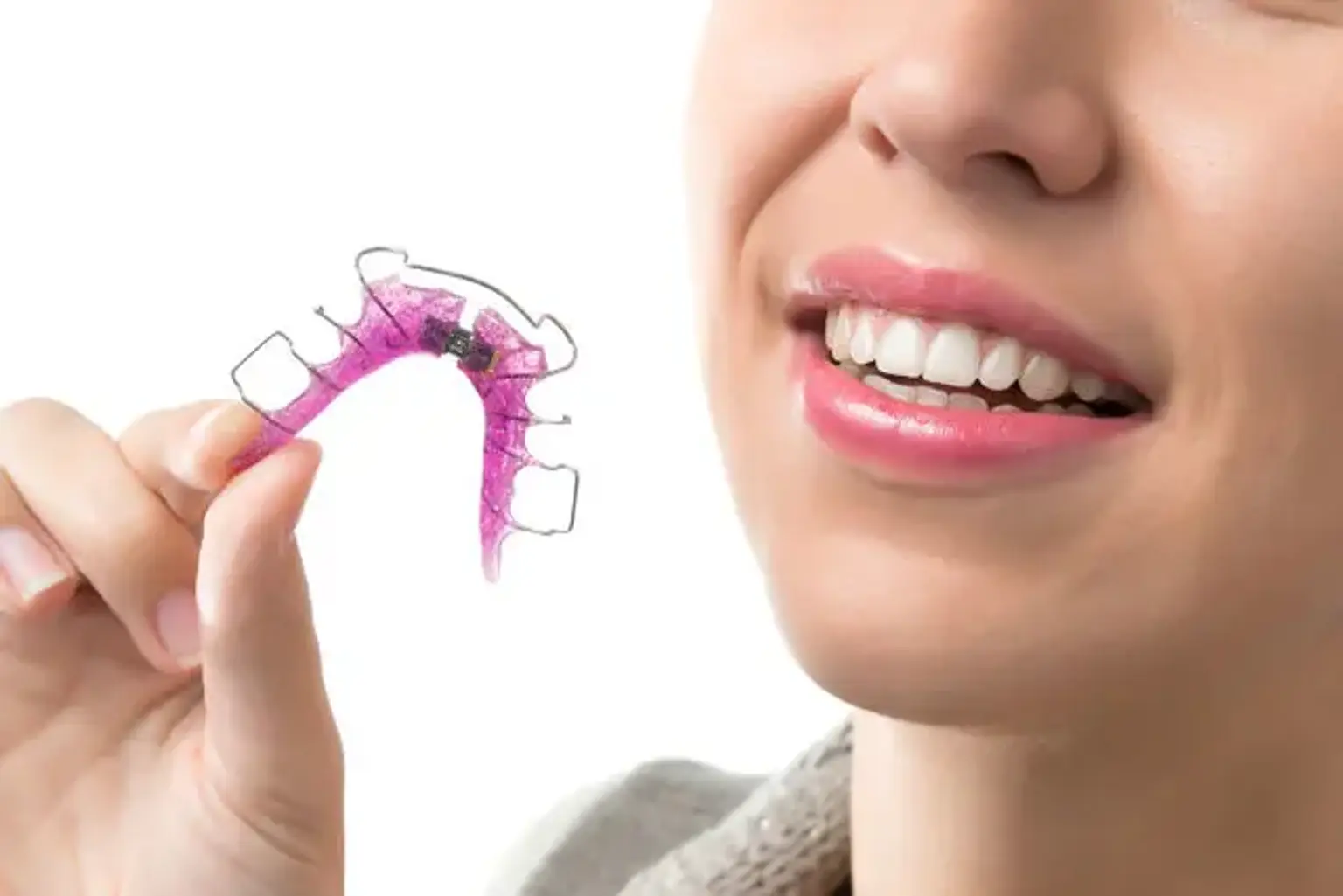
Unlike traditional braces, which are fixed to the teeth, removable devices offer greater comfort and convenience. They can be easily adjusted and cleaned, making them an attractive option for many people. Removable orthodontic devices are growing in popularity, especially for adults who prefer a more discreet way to correct their smile.
Why Choose Removable Orthodontic Appliances?
Removable orthodontic appliances offer several benefits over traditional fixed braces. One of the most significant advantages is comfort. Since these devices can be removed, there's no risk of irritation from food or braces rubbing against the inside of your mouth.
They are also aesthetic-friendly, as clear aligners are almost invisible when worn. This makes them a great choice for adults who want a more subtle approach to orthodontic treatment. Moreover, being removable means you can easily maintain oral hygiene—you can brush and floss without the complications of cleaning around brackets and wires.
Types of Removable Orthodontic Appliances
There are two main types of removable orthodontic appliances: clear aligners and retainers.
Clear Aligners: These transparent plastic trays, like Invisalign, gradually move teeth into proper alignment. They are custom-made for your teeth and need to be worn for 20-22 hours a day, but can be removed for eating or cleaning.
Retainers: After your teeth have been straightened, retainers help maintain their position. They can be removable (for easier cleaning and adjustments) or fixed (bonded to your teeth).
Both options are tailored to specific orthodontic needs, whether it's for realignment or maintaining results post-treatment.
How Do Removable Orthodontic Appliances Work?
Removable orthodontic appliances work by applying gentle pressure to your teeth, gradually shifting them into better alignment. Clear aligners are typically worn for a few weeks before being replaced with the next set, each slightly different to continue the progression. Over time, the pressure helps move teeth into their ideal positions.
For retainers, their main job is to prevent teeth from shifting back after treatment. They are typically worn full-time for a period, then only at night once the teeth are stable. These appliances are custom-made to fit the unique shape of your teeth and bite, ensuring precise adjustments.
Effectiveness of Removable Orthodontic Appliances
Removable orthodontic appliances can be highly effective in treating a variety of dental issues, including crooked teeth, gaps, overbites, underbites, and crossbites. Clear aligners have gained significant popularity, with studies showing that they can be just as effective as traditional braces in many cases. However, their success relies heavily on the patient’s commitment to wearing them consistently.
For retainers, they play a vital role in maintaining teeth alignment after the active treatment phase. They help prevent relapse, ensuring the newly aligned teeth don’t shift back to their original positions. While they don't actively straighten teeth, they are essential for long-term orthodontic success.
Overall, removable appliances offer a less invasive option compared to fixed braces while still delivering excellent results when used correctly.
Advantages of Removable Appliances
The benefits of removable orthodontic appliances extend beyond comfort and aesthetics. One of the most significant advantages is the convenience they offer. Since you can remove them, they provide flexibility in your daily life. You don’t have to worry about avoiding certain foods or worrying about food getting stuck in brackets.
Additionally, because these appliances are removable, they allow for better oral hygiene. You can brush and floss your teeth normally, without the difficulty of cleaning around fixed braces. This can help reduce the risk of cavities and gum disease, which can sometimes occur with traditional braces.
Another key advantage is comfort. Clear aligners, in particular, are designed to fit snugly over your teeth and are less likely to cause irritation than metal braces, making them a more comfortable choice for many people.
What Conditions Can Be Treated with Removable Orthodontic Appliances?
Removable orthodontic appliances can treat a wide range of dental issues, including:
Crooked teeth: Clear aligners can gradually shift misaligned teeth into a straighter position.
Gaps between teeth: Removable appliances can close gaps by gently moving the teeth closer together.
Overbite and underbite: Clear aligners and retainers can correct bite issues by repositioning the teeth and jaw.
Crossbite: Removable appliances can realign teeth that are positioned incorrectly in relation to the opposing teeth.
These devices are effective for mild to moderate cases of misalignment. For more severe issues, a combination of removable appliances and other orthodontic treatments may be needed.
The Process: From Consultation to Final Adjustment
The journey to straightening your teeth with removable orthodontic appliances begins with a consultation with an orthodontist. During this visit, the orthodontist will assess your dental health, discuss your treatment goals, and take impressions of your teeth to create a custom treatment plan.
For clear aligners, a series of aligners will be created, each designed to gradually shift your teeth. You’ll wear each set of aligners for a couple of weeks before moving to the next set. Regular check-ups will be scheduled to monitor progress and make adjustments as necessary.
Retainers, on the other hand, are typically introduced after active treatment with braces or aligners is completed. The orthodontist will take impressions of your teeth and create a retainer that fits perfectly, ensuring your teeth stay in their new position. Retainers are usually worn full-time at first and then gradually switched to nighttime wear only.
Risks and Considerations
While removable orthodontic appliances offer many advantages, they also come with some risks and considerations. One of the most common challenges is compliance. Since these devices are removable, they require the patient to wear them for the prescribed amount of time—usually 20 to 22 hours per day for aligners. Failure to wear them consistently can lead to delays in treatment or less effective results.
Another concern is discomfort. While clear aligners are typically more comfortable than traditional braces, some patients may experience mild soreness or pressure, especially when switching to a new set of aligners. Retainers can also cause discomfort when they are first worn, though this usually subsides as your teeth adjust.
Lastly, it’s essential to take care of your removable appliances. If not properly cleaned and maintained, they can accumulate bacteria, which may lead to oral hygiene issues like cavities or gum disease.
Caring for Removable Orthodontic Appliances
Proper care and maintenance are crucial to ensure the effectiveness and longevity of your removable orthodontic appliances. Here are some tips for keeping your devices in good condition:
Cleaning: Clean your aligners or retainers regularly with a toothbrush and mild soap. Avoid using toothpaste, as it can scratch the surface. There are also specialized cleaning crystals available for aligners.
Storage: When not in use, always store your appliances in a protective case to prevent damage or loss.
Avoiding heat: Never expose your removable appliances to high temperatures, as this can warp the plastic and affect their fit.
Regular check-ups: Attend your scheduled orthodontic visits to ensure that your treatment is progressing as planned and that your appliances are fitting properly.
By following these maintenance tips, you can ensure that your appliances work effectively throughout your treatment.
Who Should Use Removable Orthodontic Appliances?
Removable orthodontic appliances are ideal for a wide range of individuals, from teens to adults. They are particularly beneficial for those who:
Want a more discreet treatment option, as clear aligners are nearly invisible.
Need to correct mild to moderate dental issues such as crooked teeth, gaps, and slight bite misalignments.
Have a busy lifestyle and want the flexibility to remove their appliances when eating, drinking, or brushing.
Are committed to following instructions and wearing the appliance consistently.
While they are a great option for many, those with more severe orthodontic issues may require a more comprehensive treatment plan, potentially involving traditional braces or a combination of treatments.
Global Popularity of Removable Orthodontic Appliances
Removable orthodontic appliances, particularly clear aligners, have become increasingly popular around the world. In the United States, the demand for clear aligners like Invisalign has surged, with millions of people choosing this option over traditional braces. The ease of use, discreet appearance, and comfort have made them especially attractive to adults and professionals who may feel self-conscious about wearing metal braces.
In Europe and Asia, the adoption of clear aligners is also growing, with more orthodontic clinics offering these devices as part of their treatment plans. Countries with advanced healthcare systems have seen a steady increase in the number of patients seeking removable orthodontic treatments due to their flexibility and aesthetic appeal.
The rising popularity of these devices globally can be attributed to the growing emphasis on cosmetic dentistry and the desire for more convenient, comfortable orthodontic solutions. As technology advances, these devices continue to improve, making them an even more attractive option for those looking to improve their smile without the hassle of traditional braces.
The Role of Qualified Practitioners
For optimal results, it's essential to work with a qualified orthodontist when using removable orthodontic appliances. An experienced orthodontist will assess your teeth, determine the best treatment plan, and monitor progress throughout the process. They will ensure the devices fit correctly and make adjustments as necessary.
In addition to creating customized treatment plans, qualified practitioners provide guidance on proper appliance care, helping patients avoid common pitfalls such as neglecting to wear the appliances consistently or failing to clean them properly. An orthodontist's expertise is crucial in achieving a well-aligned, functional smile.
Costs of Removable Orthodontic Appliances
The cost of removable orthodontic appliances can vary depending on several factors, such as the severity of your dental condition and the type of device used. Clear aligners like Invisalign tend to be more expensive than traditional braces, but the added comfort and aesthetics may justify the higher price for many patients.
On average, clear aligners cost between $3,000 and $8,000, while retainers are typically more affordable. Some orthodontic practices offer payment plans or financing options to make treatment more accessible. It's important to check with your insurance provider to see if orthodontic treatment is covered, as some plans may offer partial coverage.
While the upfront cost may seem high, many patients find that removable appliances provide excellent value due to their convenience, comfort, and discreet appearance.
Treatment Timeline: How Long Does It Take?
The duration of treatment with removable orthodontic appliances depends on the severity of your dental issue and the type of appliance used. Clear aligners typically require anywhere from 6 to 18 months for treatment. More complex cases may take longer, while simpler cases may be completed more quickly.
For retainers, they are usually worn full-time for a few months after your teeth are straightened. Afterward, they may be switched to nighttime wear. It’s important to follow your orthodontist's instructions for how long to wear retainers to maintain your results.
Treatment time can be influenced by how consistently you wear your appliances, how often you attend check-ups, and how well you maintain oral hygiene.
Real-Life Examples of Successful Treatment
Many patients have successfully transformed their smiles using removable orthodontic appliances. Take Sarah, a 32-year-old professional who opted for clear aligners to straighten her crowded teeth. After just 12 months of treatment, Sarah’s teeth were perfectly aligned, and she loved the convenience of being able to remove the aligners for social events and important meetings.
Similarly, John, a 45-year-old dentist, used clear aligners to correct his mild overbite. He was able to complete his treatment in 8 months, and the results were so natural that most of his patients didn’t even notice he was undergoing treatment.
These real-life examples demonstrate how removable orthodontic appliances can fit seamlessly into a busy lifestyle while still delivering remarkable results.
Comparing Removable Appliances to Other Options
When considering orthodontic treatment, it's important to weigh the benefits of removable appliances against other options like fixed braces or traditional retainers. While fixed braces are more effective for severe misalignments and can handle complex cases, removable appliances offer several advantages, including:
Aesthetic appeal: Clear aligners are nearly invisible, making them an attractive option for those who want to avoid the look of traditional metal braces.
Convenience: The ability to remove the appliances for eating, drinking, and cleaning makes them much easier to maintain than fixed braces.
Comfort: Many patients find removable appliances to be less painful and more comfortable compared to fixed braces.
However, if your orthodontic needs are more complex, traditional braces may still be the better choice. For mild to moderate cases, however, removable appliances can be a highly effective and discreet solution.
What to Expect After Treatment
After completing your orthodontic treatment with removable appliances, it’s crucial to wear retainers as directed by your orthodontist. Retainers help maintain the new position of your teeth and prevent them from shifting back to their original alignment.
The post-treatment phase may also include regular follow-up visits to ensure that your teeth remain stable. It’s important to keep up with these visits, as well as to continue practicing good oral hygiene to preserve the results of your treatment.
Frequently Asked Questions (FAQs) About Removable Orthodontic Appliances
Q: How long do I need to wear clear aligners each day?
A: For optimal results, you should wear clear aligners for 20 to 22 hours per day, removing them only for meals and cleaning.
Q: Are clear aligners painful?
A: Clear aligners may cause mild discomfort or pressure, especially when switching to a new set. However, the pain is usually temporary and subsides as your teeth adjust.
Q: Can I eat with clear aligners?
A: No, you should remove your aligners while eating or drinking to prevent damage and ensure proper hygiene.
Q: How do I clean my removable appliances?
A: Clean your aligners or retainers with a toothbrush and mild soap. Avoid using toothpaste, which can scratch the plastic.
Conclusion
Removable orthodontic appliances, such as clear aligners and retainers, offer a flexible, discreet, and effective way to straighten teeth. Whether you’re looking for a more aesthetic treatment option or seeking greater comfort, these devices provide a viable solution for many patients.
Before starting any orthodontic treatment, it’s essential to consult with a qualified orthodontist to determine if removable appliances are the best choice for your needs. With the right care and commitment, removable orthodontic appliances can give you the smile you’ve always wanted—comfortably and efficiently.