Introduction
Restorative dental treatments are a branch of dentistry focused on repairing, restoring, and replacing damaged or missing teeth. The goal is not only to restore the function of the teeth but also to enhance their appearance, ensuring a healthy and aesthetically pleasing smile. Whether due to injury, decay, or age, restorative dental procedures can significantly improve the quality of life, help restore self-esteem, and contribute to overall oral health.
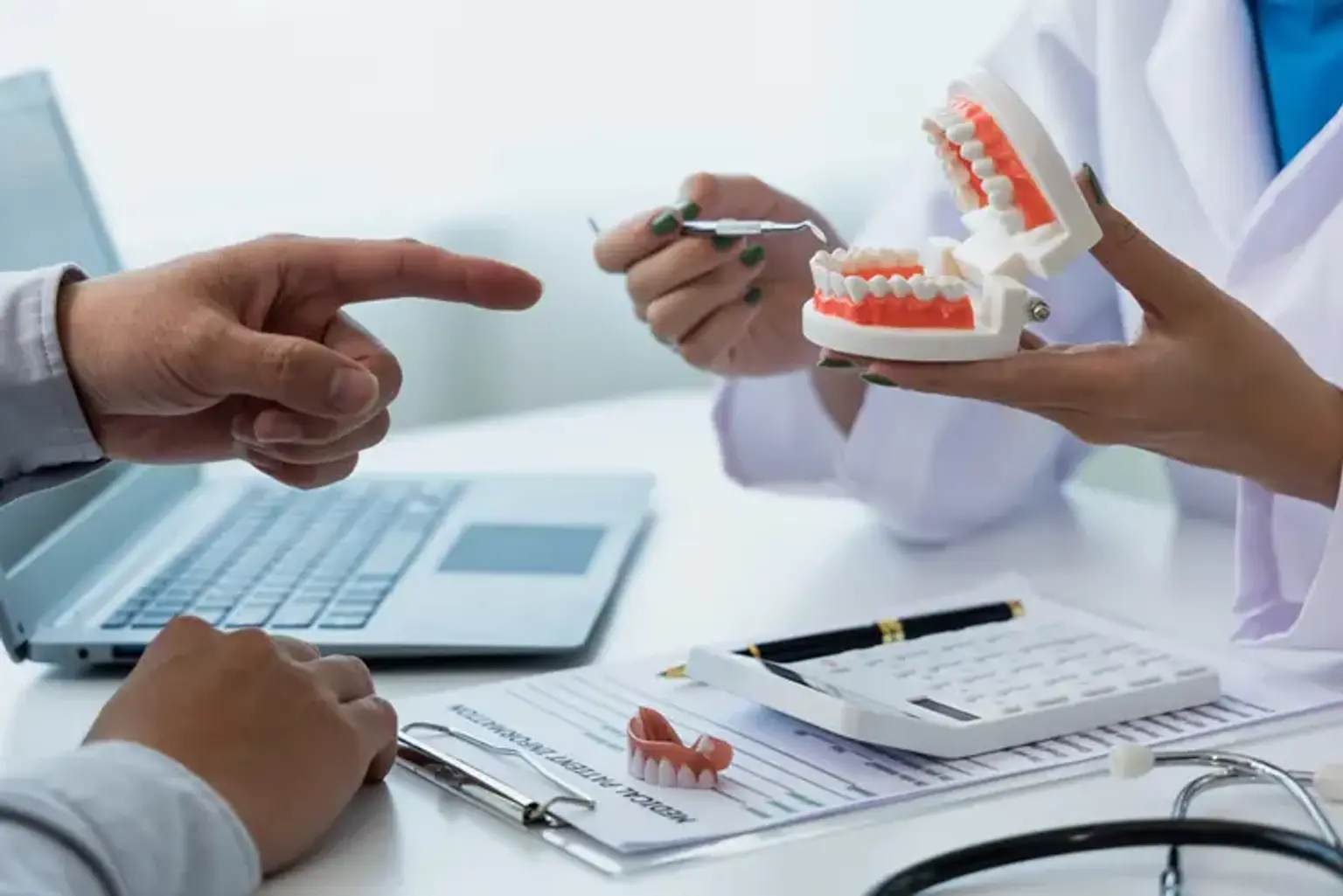
In addition to making teeth functional again, restorative dentistry can prevent further dental issues, improve chewing ability, and restore a natural look. Patients often seek these treatments when faced with tooth loss, cavities, or other dental conditions that affect their smile and self-confidence. Restorative treatments can be as simple as a filling for a cavity or as complex as a full mouth restoration, which might involve dental implants, crowns, and bridges.
Types of Restorative Dental Treatments
There are several types of restorative dental treatments, each designed to address specific dental issues. Some of the most common treatments include:
Dental Implants: These are artificial tooth roots placed into the jawbone to support replacement teeth. Implants are a popular choice for replacing missing teeth because they provide a long-term solution that looks and functions like natural teeth.
Crowns and Bridges: A dental crown is a cap placed over a damaged tooth, restoring its shape and size. A bridge is used to replace one or more missing teeth by attaching a prosthetic tooth to the adjacent teeth. Both crowns and bridges help restore both function and aesthetics.
Fillings: Tooth fillings are used to restore teeth affected by cavities. They can be made from various materials, including composite resin, porcelain, or metal. Composite fillings are particularly popular as they blend seamlessly with natural teeth.
Root Canal Therapy: A root canal is needed when the pulp (nerve) inside a tooth becomes infected or damaged. The procedure involves removing the infected tissue and sealing the tooth, allowing it to function normally without pain.
Each of these treatments serves a different purpose but ultimately works toward restoring a healthy and functional smile.
The Importance of Early Restoration: Preventing Major Issues
Early intervention in dental restoration is crucial for maintaining optimal oral health. When problems such as tooth decay or minor damage are addressed early, they can prevent the need for more extensive procedures down the line. For example, a small cavity can be treated with a simple filling, but if left untreated, it could lead to tooth loss or infection, necessitating a more invasive treatment like a root canal or even an extraction.
Restorative treatments not only address immediate dental issues but also help prevent complications like gum disease, tooth infections, and bone loss. For instance, dental implants can prevent bone loss in the jaw after tooth loss, which is a common problem when missing teeth are left untreated. Similarly, a dental crown can prevent a weakened tooth from fracturing further, maintaining its strength and function.
By opting for early restoration, patients can often avoid the discomfort, complications, and higher costs associated with more severe dental issues. Regular dental check-ups can catch these problems in their early stages, enabling timely and cost-effective solutions.
Dental Implants: The Gold Standard for Replacing Missing Teeth
Dental implants are widely regarded as the gold standard for replacing missing teeth due to their durability, functionality, and natural appearance. A dental implant consists of a titanium post that is surgically placed into the jawbone, where it acts as a substitute for the tooth root. Over time, the bone fuses with the implant in a process called osseointegration, making the implant stable and secure.
Unlike dentures, which may slip or require adhesives, dental implants provide a permanent solution that functions just like natural teeth. They are also far superior to bridges, as they do not require altering adjacent healthy teeth for support.
The benefits of dental implants go beyond simple tooth replacement. Implants help preserve the jawbone's structure, which can deteriorate when teeth are missing. Additionally, they improve overall chewing ability and help maintain the natural alignment of surrounding teeth. With proper care, dental implants can last a lifetime, making them a long-term investment in oral health.
Porcelain Crowns: A Durable and Aesthetic Option for Restoring Teeth
Porcelain crowns are one of the most popular options for restoring teeth that are damaged or weakened by decay, cracks, or large fillings. These crowns are designed to fit over a damaged tooth, providing a protective cover that restores both the function and appearance of the tooth. Made from high-quality porcelain, these crowns mimic the translucency and color of natural teeth, making them an excellent choice for visible teeth, such as the front teeth.
Porcelain crowns are durable and long-lasting, typically lasting between 10 to 15 years with proper care. Unlike metal crowns, which can be noticeable, porcelain crowns blend seamlessly with the rest of your smile. Their natural-looking finish is particularly ideal for patients who want to maintain an aesthetic appearance while benefiting from the strength of a restorative treatment.
Porcelain crowns can be used in various situations, such as when a tooth is cracked, severely worn down, or after a root canal procedure. Because they are custom-made to fit the exact shape of your tooth, porcelain crowns can restore both function and beauty to your smile. They also require minimal removal of healthy tooth structure, making them a less invasive option compared to other types of crowns.
Bridges and Their Role in Restoring Missing Teeth
Dental bridges are an effective solution for replacing one or more missing teeth. A dental bridge consists of a false tooth, called a pontic, which is supported by crowns or other types of restoration on the adjacent teeth. Bridges help restore the ability to chew, speak, and smile confidently, especially when multiple teeth are missing in a row.
Bridges are typically made from porcelain, metal, or a combination of both. Porcelain bridges are especially popular for their ability to blend well with natural teeth. The procedure to place a bridge usually involves reshaping the adjacent teeth to ensure a secure fit for the crowns that will anchor the bridge in place.
While bridges are effective, they do have some limitations compared to dental implants. For example, bridges require that adjacent teeth be altered or reduced in size, which can sometimes lead to future complications if the supporting teeth weaken over time. Nevertheless, dental bridges remain a cost-effective and widely used option for replacing missing teeth.
Composite Fillings: A Modern Solution for Tooth Decay
When it comes to treating tooth decay, composite fillings are a popular, modern alternative to traditional amalgam (silver) fillings. Made from a blend of tooth-colored materials, composite fillings are ideal for repairing cavities in both front and back teeth, as they blend seamlessly with the natural color of your teeth. This makes them a preferred choice for patients who want to maintain a natural-looking smile without visible metal fillings.
Composite fillings are not only aesthetic but also functional. They are bonded directly to the tooth, which helps restore its strength and integrity. This type of filling also expands and contracts like natural tooth structure, reducing the risk of fractures. The material is highly durable, though it may not last as long as porcelain crowns or metal fillings, typically lasting between 5 to 10 years.
Additionally, composite fillings require less removal of healthy tooth structure compared to traditional fillings. This makes the procedure less invasive, helping preserve more of the natural tooth. While composite fillings are effective for minor to moderate decay, they may not be suitable for larger cavities or areas with significant damage.
Root Canal Therapy: Saving Your Natural Teeth
A root canal is a procedure designed to save a tooth that has become infected or damaged due to deep decay or trauma. When the pulp (the soft tissue inside the tooth) becomes infected, the infection can spread to the surrounding tissues and even the bone. A root canal removes the infected tissue and seals the tooth, preventing further infection.
Despite the misconception that root canals are painful, the procedure is typically no more uncomfortable than getting a regular filling. In fact, modern advancements in dental technology and anesthesia make root canal therapy a relatively pain-free treatment. Most patients experience only mild discomfort during the recovery period, which usually lasts a few days.
Root canal therapy is often recommended when a tooth is severely decayed, cracked, or abscessed. Without treatment, an infected tooth could lead to serious health problems, such as a tooth abscess, which can cause swelling and even spread infection to other parts of the body. By saving the natural tooth, root canal therapy prevents the need for extraction and preserves the functionality of your bite. After the root canal is completed, the tooth is typically restored with a crown to protect it and restore its strength.
Veneers and Bonding: Cosmetic Solutions for Minor Tooth Damage
Veneers and bonding are popular cosmetic restorative treatments used to improve the appearance of teeth with minor imperfections, such as chips, cracks, or discoloration. Veneers are thin shells of porcelain or composite resin that cover the front surface of a tooth to enhance its appearance. Bonding, on the other hand, involves applying a tooth-colored resin to repair damage or fill gaps.
Both options are minimally invasive and can provide dramatic improvements in the smile's appearance. Veneers are ideal for those looking to fix multiple issues at once, such as staining or misalignment. Bonding is often used for smaller, localized problems. Both treatments can last for years, with veneers typically having a longer lifespan.
Full Mouth Restoration: Transforming Your Smile
Full mouth restoration is a comprehensive approach to dental restoration, often required when multiple teeth are damaged, missing, or worn down. This treatment combines various procedures, such as implants, crowns, bridges, and veneers, to restore both the function and aesthetics of the entire mouth.
For patients with extensive damage or multiple dental concerns, full mouth restoration can significantly improve chewing ability, speech, and overall appearance. The treatment is highly customized, and each patient’s needs are carefully assessed to create a personalized plan.
The result is a beautifully restored smile that not only enhances confidence but also improves overall oral health and function. While full mouth restoration can take time and involve multiple steps, the outcome is life-changing.
Restorative Dental Treatments and Cosmetic Dentistry: Where They Meet
Restorative dentistry focuses on the function of teeth, while cosmetic dentistry is concerned with enhancing their appearance. However, the two often overlap, as many restorative treatments also offer aesthetic benefits. For example, a dental crown restores the function of a damaged tooth while improving its appearance.
Similarly, treatments like veneers or bonding, though cosmetic in nature, can be part of a broader restorative approach when used to address structural issues or damage. The intersection of these two disciplines allows patients to achieve both health benefits and cosmetic improvements with a single treatment plan.
The Role of Technology in Modern Restorative Dentistry
Modern restorative dentistry has been significantly enhanced by technological advances. 3D imaging, digital impressions, and CAD/CAM systems allow for precise treatment planning, reducing the need for traditional molds and improving the accuracy of restorations. These technologies help create crowns, bridges, and implants that fit more comfortably and naturally.
Laser technology is also used for procedures like gum contouring and cavity treatment, making these procedures less invasive and faster. Overall, the integration of technology in restorative dentistry has made treatments quicker, more comfortable, and more effective, allowing for better patient outcomes and faster recovery times.
Choosing the Right Restorative Dentist for Your Needs
When considering restorative dental treatments, selecting the right dentist is crucial for achieving optimal results. A skilled restorative dentist will not only have the necessary expertise in various procedures but also be attentive to your specific dental needs and goals.
Look for a dentist with experience in a wide range of restorative procedures, from implants to crowns and bridges. It’s also helpful to choose a dentist who uses the latest dental technologies, as these can improve precision and reduce recovery time. Don’t hesitate to ask for before-and-after photos of previous patients to get an idea of the dentist’s work quality.
Moreover, it’s essential to feel comfortable with your dentist. Clear communication, a friendly approach, and a thorough consultation are key to making informed decisions about your treatment plan.
The Recovery Process: What to Expect After Treatment
The recovery process after restorative dental procedures varies depending on the type of treatment you’ve undergone. For minor procedures like fillings or bonding, there is typically little to no downtime, and you can return to normal activities right away.
For more extensive treatments, such as dental implants or root canals, you may experience some discomfort or swelling for a few days. Pain can usually be managed with over-the-counter medication, and your dentist will provide specific aftercare instructions to ensure proper healing.
It’s important to follow these instructions carefully, as post-treatment care plays a key role in the success of the procedure. Avoid hard foods, maintain good oral hygiene, and attend follow-up appointments to ensure everything is healing properly.
Cost of Restorative Dental Treatments: What to Expect
The cost of restorative dental treatments can vary widely depending on the type of procedure, the materials used, and the complexity of the case. Dental implants, for example, can be more expensive upfront due to the need for surgery and a longer recovery time. Crowns and bridges are typically more affordable, while composite fillings and bonding are often the least expensive options.
Many dental offices offer financing options or payment plans to help manage costs. Additionally, some dental insurance plans may cover a portion of restorative treatments, especially if they are deemed medically necessary.
Before starting any procedure, make sure to get a clear estimate of the cost from your dentist, and ask about financing or insurance coverage options to help reduce out-of-pocket expenses.
Long-Term Maintenance: Keeping Your Restorative Work in Top Shape
Once you’ve had restorative dental work done, it’s important to maintain good oral hygiene and schedule regular dental checkups to ensure that your restorations last as long as possible. The longevity of treatments like implants, crowns, and fillings depends on how well you care for your teeth.
Be sure to brush twice daily with fluoride toothpaste, floss regularly, and avoid habits that can damage your teeth, such as grinding or chewing hard objects. For implants and crowns, it’s essential to avoid excessive force on the teeth, which can lead to damage over time.
Regular dental visits will help monitor the condition of your restorations, allowing for early intervention if any issues arise. With proper care, your restorative treatments can last for many years, helping you maintain a healthy, beautiful smile.
Common Concerns and Misconceptions About Restorative Dentistry
Many patients have concerns or misconceptions about restorative dental treatments. One of the most common myths is that these procedures are painful. However, thanks to modern anesthesia and advancements in technology, most restorative treatments are virtually pain-free. Patients often report feeling only mild discomfort during recovery, which can be managed with over-the-counter pain relievers.
Another misconception is that restorative dentistry is only for people with severe dental issues. In reality, restorative treatments can be tailored to meet a wide range of needs, from minor cavities to full-mouth restoration. Restorative dentistry isn't just about fixing damage; it also enhances aesthetics and overall oral health, benefiting people of all ages and dental conditions.
How Restorative Dentistry Improves Your Quality of Life
Restorative dental treatments do more than just fix dental issues; they improve your quality of life by restoring your ability to chew, speak, and smile confidently. Missing teeth, damaged teeth, and other dental problems can impact your self-esteem and even limit your ability to enjoy everyday activities.
For example, dental implants provide a permanent solution to tooth loss, allowing you to enjoy foods you might have previously avoided due to difficulty chewing. Crowns and bridges restore the strength of damaged teeth, making it easier to talk and eat without discomfort. By addressing both the functional and aesthetic aspects of oral health, restorative dentistry can help you lead a fuller, more confident life.
The Global Popularity of Restorative Dental Treatments
Restorative dentistry has gained global recognition for its ability to improve not only dental health but also overall well-being. In countries like the United States, Canada, and the UK, millions of people undergo restorative procedures each year to restore their smiles and prevent further dental issues.
In addition, restorative dental tourism has become increasingly popular, with many patients traveling abroad for high-quality treatments at lower costs. Countries like Mexico, Costa Rica, and Turkey have become hotspots for affordable dental procedures, offering the same high standards of care found in more expensive regions.
As technology continues to evolve, restorative dental treatments are becoming more accessible to people worldwide. With improvements in materials, techniques, and patient care, restorative dentistry is expected to continue growing in popularity, benefiting even more individuals globally.
Conclusion
Restorative dental treatments offer life-changing benefits, from improving the appearance of your smile to restoring the function of damaged teeth. Whether you're seeking a simple filling or a more complex procedure like implants or crowns, these treatments can help you achieve optimal oral health and a beautiful, functional smile.
It’s important to consult with a skilled restorative dentist to discuss your options and develop a treatment plan tailored to your unique needs. With advancements in dental technology and a focus on patient comfort, restorative dentistry is more effective and accessible than ever before.
By investing in your oral health today, you can enjoy a lifetime of smiles, improved confidence, and better overall well-being. Restorative dentistry not only addresses existing dental issues but also helps prevent future problems, making it a smart choice for maintaining long-term oral health.