What is Laser Skin Resurfacing?
Laser skin resurfacing is a cosmetic procedure that uses laser technology to improve skin texture, reduce wrinkles, and treat imperfections like acne scars or sun damage. By targeting the skin’s outer layers with focused light, the procedure stimulates the production of collagen, leading to smoother, younger-looking skin.
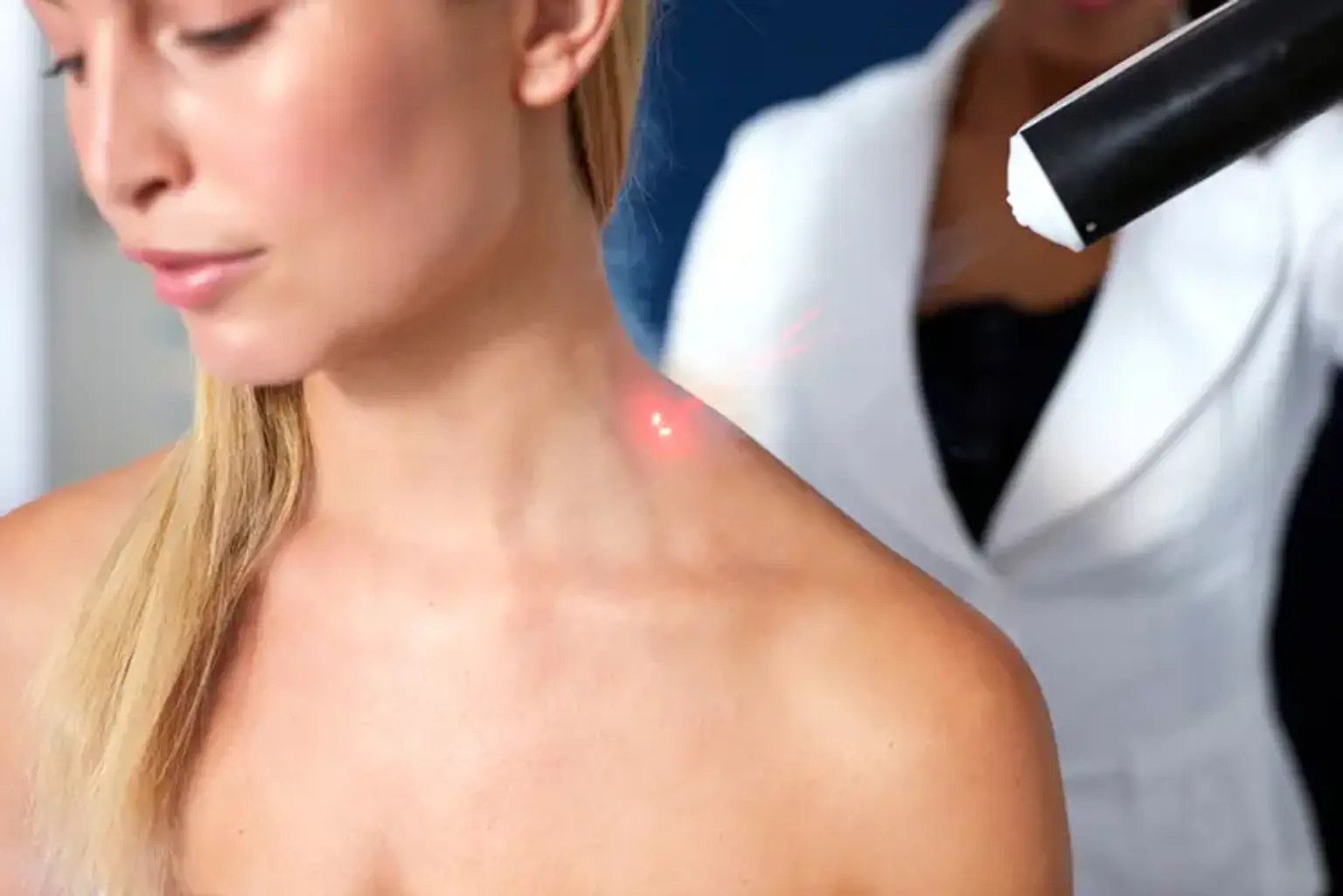
There are two primary types of laser resurfacing: ablative and non-ablative lasers. Ablative lasers, like the CO2 laser, remove the outer layers of skin to treat deeper wrinkles and scars. Non-ablative lasers, such as fractional lasers, work by stimulating the deeper layers of skin without removing surface layers, making recovery time faster.
Types of Laser Resurfacing
CO2 Laser Resurfacing: This is one of the most powerful types of laser resurfacing, using carbon dioxide to vaporize damaged skin. It’s ideal for deep wrinkles, severe acne scars, and sun damage. The results are long-lasting, but it requires more downtime compared to other methods.
Fractional Laser: Fractional lasers target micro-columns in the skin to treat specific areas, leaving surrounding tissue untouched. This results in less downtime and fewer side effects. Fractional lasers are effective for fine lines, skin texture, and superficial scars.
Erbium Laser: Erbium lasers are gentler than CO2 lasers and focus on removing the outer layer of skin while also stimulating deeper layers. They’re commonly used for more superficial skin issues, such as mild wrinkles and fine lines, with less recovery time.
How Does Laser Skin Resurfacing Work?
During laser skin resurfacing, the practitioner directs focused laser light at the skin. The heat generated by the laser creates micro-injuries in the skin, which stimulates the body’s natural healing process. As the skin heals, collagen production increases, improving skin texture, elasticity, and tone.
In the case of ablative lasers, the outermost layers of the skin are removed, while non-ablative lasers stimulate deeper layers without causing visible damage to the surface. Both methods help smooth out wrinkles, scars, and pigmentation issues, but the recovery time and results vary.
Benefits of Laser Skin Resurfacing
Laser skin resurfacing offers several benefits:
Improved Skin Texture and Tone: The procedure can even out skin texture, reduce enlarged pores, and improve overall skin tone.
Reduction of Wrinkles and Fine Lines: By stimulating collagen, laser treatments smooth out fine lines, particularly around the eyes, mouth, and forehead.
Scar and Pigmentation Treatment: It helps reduce acne scars, sun damage, and age spots, giving the skin a more youthful appearance.
Non-Invasive: Unlike surgical facelifts, laser resurfacing is non-invasive, meaning it requires no cuts or stitches, making it a more convenient option for many people.
Who Is a Good Candidate for Laser Skin Resurfacing?
Laser skin resurfacing can be beneficial for a wide range of individuals, but ideal candidates tend to share certain characteristics. If you have issues like fine lines, wrinkles, acne scars, sun damage, or uneven pigmentation, this procedure could be a great option. Laser treatments are especially effective for those looking to rejuvenate their skin without resorting to invasive surgery.
Candidates should have generally healthy skin. Laser resurfacing works best for people with fair to medium skin tones, as darker skin can sometimes be more prone to pigmentation changes after the treatment. A consultation with a certified dermatologist or practitioner is essential to assess whether you’re a good candidate based on your skin type, medical history, and goals.
Risks and Side Effects of Laser Skin Resurfacing
While laser skin resurfacing is generally safe, there are some risks and side effects to consider. The most common side effects include redness, swelling, and mild discomfort in the treated area, which typically subside within a few days. However, in some cases, more serious complications can occur, such as infection, scarring, or changes in pigmentation (either lightening or darkening of the skin).
To minimize these risks, it's essential to follow pre- and post-treatment care instructions carefully. For example, you may be advised to avoid direct sun exposure and use healing ointments after the procedure. Choosing an experienced, licensed practitioner also reduces the risk of complications, ensuring the treatment is performed safely and effectively.
Laser Resurfacing for Acne Scars
One of the most popular uses of laser skin resurfacing is for treating acne scars. These scars can range from shallow to deep, and laser treatments are effective at reducing their appearance. Ablative lasers, such as CO2 lasers, are great for treating deep scars, as they remove damaged skin layers and stimulate the production of new, healthy skin. Fractional lasers are typically used for more superficial scars, targeting smaller areas and offering faster recovery.
Results vary depending on the severity of the scars, but many patients notice significant improvement in skin texture, with scars becoming less noticeable over time. Multiple treatments may be required for optimal results, and post-treatment care is crucial to maintain healthy skin.
Laser Treatment for Wrinkles and Fine Lines
Laser skin resurfacing is an effective non-surgical treatment for reducing the appearance of wrinkles and fine lines. As we age, the skin loses collagen, which leads to the formation of wrinkles. By stimulating collagen production, laser resurfacing promotes smoother, firmer skin.
CO2 lasers are especially effective for treating deeper wrinkles, while fractional lasers work well for more superficial lines. The treatment can be targeted to specific areas, such as crow’s feet around the eyes or smile lines around the mouth. The results are gradual, with patients typically noticing smoother, more youthful skin over the course of several months, as collagen continues to build and improve skin elasticity.
How Long Do Laser Resurfacing Results Last?
The longevity of laser resurfacing results depends on several factors, including the type of laser used, your skin’s response to treatment, and how well you take care of your skin post-procedure. Generally, results can last anywhere from one to five years, with maintenance treatments required to maintain optimal skin health.
For deeper treatments using CO2 lasers, results may be long-lasting, as they target more stubborn skin issues. For superficial treatments with fractional lasers, you may need touch-up sessions every 1–2 years to maintain your results. Factors like sun exposure, lifestyle habits, and skin care practices can also impact the duration of your results, so it's important to follow a good skincare routine and protect your skin from the sun.
Post-Treatment Care and Recovery Timeline
After undergoing laser skin resurfacing, the recovery process is relatively straightforward, though it does vary depending on the type of laser treatment you’ve had. Immediately after the procedure, your skin may be red and swollen, similar to a mild sunburn. For CO2 laser treatments, you might experience peeling, and the skin may take up to two weeks to heal fully. Fractional lasers typically have a quicker recovery time, with most patients returning to normal activities within a few days to a week.
Post-treatment care is crucial for ensuring the best results. You’ll be instructed to keep the treated area moisturized, avoid sun exposure, and follow any other advice from your practitioner. In general, you’ll need to take care of your skin for at least a few weeks post-treatment, avoiding activities that may irritate your skin, such as hot showers or vigorous exercise.
Laser Resurfacing for Sun-Damaged Skin
Laser skin resurfacing is a highly effective treatment for sun-damaged skin. Overexposure to the sun can lead to pigmentation issues, wrinkles, and uneven skin tone. Ablative lasers, like the CO2 laser, work by removing damaged layers of skin and allowing fresh, healthy skin to surface. This process can help reduce sunspots, age spots, and other types of pigmentation caused by prolonged sun exposure.
Fractional lasers can also treat sun-damaged skin by stimulating the underlying layers without damaging the surface. Both types of lasers promote collagen production, helping the skin regain its elasticity and youthful appearance. Many patients notice significant improvements in skin tone and texture after just one treatment, though multiple sessions may be needed for more severe sun damage.
Laser Skin Resurfacing vs. Other Skin Treatments
Laser skin resurfacing is just one of many available options for skin rejuvenation, but it offers distinct advantages over other treatments. Chemical peels, for example, also help to exfoliate and rejuvenate the skin, but they tend to be more superficial than lasers and may require more sessions to achieve the same level of improvement.
Microdermabrasion is another alternative that can improve skin texture, but it doesn’t penetrate as deeply as laser resurfacing, making it less effective for treating deep wrinkles, scars, or significant sun damage. Laser resurfacing, particularly CO2 lasers, offers a more targeted and powerful approach to treating deeper skin issues, making it a preferred choice for more dramatic results.
Cost of Laser Resurfacing
The cost of laser resurfacing varies widely depending on several factors, including the type of laser used, the treatment area, and the geographic location of the clinic. On average, CO2 laser treatments can range from $1,000 to $2,500 per session, while fractional lasers tend to be more affordable, with prices starting around $500 to $1,500 per session. The total cost can also be influenced by the number of treatments required to achieve the desired results.
It’s important to note that laser resurfacing is often considered an elective cosmetic procedure, meaning it may not be covered by insurance. However, many clinics offer financing options to help make the procedure more affordable. While the upfront cost can be significant, many patients find that the long-lasting results and reduced need for ongoing treatments make it a worthwhile investment.
Laser Resurfacing for Skin Rejuvenation
Laser resurfacing is one of the most effective treatments for overall skin rejuvenation. Whether you're dealing with fine lines, sunspots, acne scars, or just want to enhance your skin's texture and appearance, laser technology can provide a comprehensive solution. Ablative lasers, such as CO2, are excellent for dramatic improvements, targeting deeper layers to remove damaged skin while stimulating collagen production for smoother, firmer skin. Fractional lasers, on the other hand, are ideal for people seeking subtle, gradual improvements with minimal downtime.
Laser resurfacing doesn’t just improve the appearance of specific concerns like wrinkles or scars. It can also give your skin a healthier, more youthful glow by encouraging cellular turnover. Many people see visible improvements after just one session, but the skin continues to improve over the following months as new collagen is produced, enhancing the skin’s natural radiance.
Advanced Laser Technologies and Innovations
Laser skin resurfacing technology has advanced significantly in recent years, making treatments more effective, comfortable, and accessible. One such innovation is the development of fractional lasers, which allow practitioners to treat smaller, specific areas of the skin while leaving the surrounding tissue intact. This results in faster recovery times and less risk of side effects. Fractional lasers can target everything from superficial lines to acne scars, offering patients a customizable treatment experience.
Additionally, newer non-ablative lasers are now available that provide skin rejuvenation without the risk of significant downtime. These lasers work by stimulating the deeper layers of the skin, improving texture and tone, while reducing the need for invasive treatments. Advances in technology have also made lasers safer for various skin types, even for people with darker skin tones who were previously at higher risk for pigmentation changes after treatment.
How to Choose a Qualified Practitioner for Laser Resurfacing
Choosing the right practitioner for your laser resurfacing treatment is crucial for achieving optimal results and minimizing the risk of complications. Look for a licensed dermatologist or plastic surgeon with extensive experience in performing laser procedures. A qualified professional will thoroughly assess your skin type, medical history, and specific skin concerns before recommending the appropriate treatment.
During your consultation, ask about the practitioner’s experience with different types of lasers, the number of treatments they typically perform, and their approach to post-treatment care. A reputable practitioner will also take the time to explain the procedure, potential risks, and aftercare instructions in detail. Additionally, check reviews or ask for patient testimonials to gauge their satisfaction with the treatment and overall experience.
Preparing for Laser Skin Resurfacing
Proper preparation for laser skin resurfacing is essential to ensure the best results and minimize complications. Before the procedure, your practitioner will conduct a thorough consultation to evaluate your skin, discuss your goals, and assess your medical history. They may recommend that you avoid sun exposure for a few weeks prior to treatment, as tanning can increase the risk of pigmentation changes.
You may also be advised to stop using certain skincare products, such as retinoids or exfoliating treatments, which can make your skin more sensitive. In some cases, your dermatologist may recommend the use of topical medications, such as Retin-A, to prepare your skin for the treatment. On the day of the procedure, you may be given a topical numbing cream or sedation, depending on the type of laser used and the extent of the treatment area.
What to Expect During the Procedure
During the laser resurfacing procedure, you will be made as comfortable as possible. If you're undergoing a non-ablative laser treatment, the procedure may take as little as 30 minutes to an hour. Ablative treatments, like CO2 lasers, may take longer, depending on the size of the treatment area. You’ll likely experience a warm or mild stinging sensation as the laser is applied, but this is typically manageable.
For more intense treatments, your practitioner may apply a numbing cream or provide local anesthesia. After the laser is passed over the skin, you may feel a slight warmth or tingling, and the treatment area will be carefully cooled to reduce discomfort. Some patients experience a slight burning or prickling sensation, but the procedure is generally well-tolerated.
Common Frequently Asked Questions (FAQs)
Q: How many laser treatments will I need?
A: The number of sessions required depends on the condition being treated and the type of laser used. For mild issues, one treatment may be sufficient, but for deeper wrinkles or severe acne scars, multiple sessions may be necessary. Your practitioner will tailor a treatment plan to meet your needs.
Q: Is laser resurfacing safe for all skin types?
A: Laser resurfacing can be effective for many skin types, but there are certain considerations for people with darker skin tones. Non-ablative lasers tend to be safer for those with darker skin as they have a lower risk of pigmentation changes. Always consult a qualified practitioner to ensure you’re using the most appropriate technology for your skin type.
Q: How soon will I see results?
A: Results from laser skin resurfacing typically appear within a few weeks to a few months, as the skin continues to heal and collagen production increases. Most people see an improvement in skin texture and tone within 2-3 months after treatment, with full results becoming visible after about 6 months.
Global Popularity and Advancements in Laser Skin Resurfacing
Laser skin resurfacing has become a globally popular option for those seeking skin rejuvenation without undergoing invasive surgery. Its ability to treat a variety of skin concerns, from fine lines and acne scars to pigmentation issues, has made it a top choice in aesthetic clinics worldwide. Many countries, especially in North America, Europe, and Asia, have seen a growing demand for laser treatments, driven by advances in technology and improved patient satisfaction.
Recent innovations, such as fractional and non-ablative lasers, have helped broaden the treatment’s appeal by reducing recovery times and enhancing safety. Moreover, as more people seek non-invasive cosmetic treatments to enhance their appearance and boost self-confidence, the demand for laser resurfacing is expected to keep rising. Ongoing research into laser technologies continues to improve both the effectiveness and comfort of treatments, making it an even more attractive option for global patients.
Conclusion
Laser skin resurfacing with advanced laser technology offers a transformative solution for individuals seeking to rejuvenate their skin, reduce the appearance of scars, fine lines, and sun damage, and enhance overall skin texture and tone. With a variety of laser options available, from ablative CO2 lasers to fractional and non-ablative lasers, this treatment can be tailored to suit different skin types and concerns, providing effective, long-lasting results with minimal downtime.
While laser resurfacing has proven to be a highly effective treatment, it’s crucial to consult with a qualified and experienced practitioner to ensure that the right approach is chosen for your unique skin needs. Proper preparation, post-treatment care, and adherence to safety protocols will maximize the outcome of your procedure, helping you achieve healthier, more youthful skin.
With its growing global popularity and continual advancements in technology, laser skin resurfacing is a safe and reliable option for those looking to enhance their appearance and restore their skin’s vitality. Whether you're targeting fine lines, sun damage, acne scars, or general skin rejuvenation, laser treatments offer a powerful, non-invasive alternative to traditional methods, boosting confidence and improving quality of life.