Overview of Retinal Diseases and Their Impact on Vision Health
Retinal diseases encompass a wide range of conditions that affect the retina, the light-sensitive tissue at the back of the eye. The retina plays a crucial role in vision by converting light into neural signals sent to the brain. When damaged, the retina can cause partial or complete vision loss, significantly affecting an individual's quality of life.
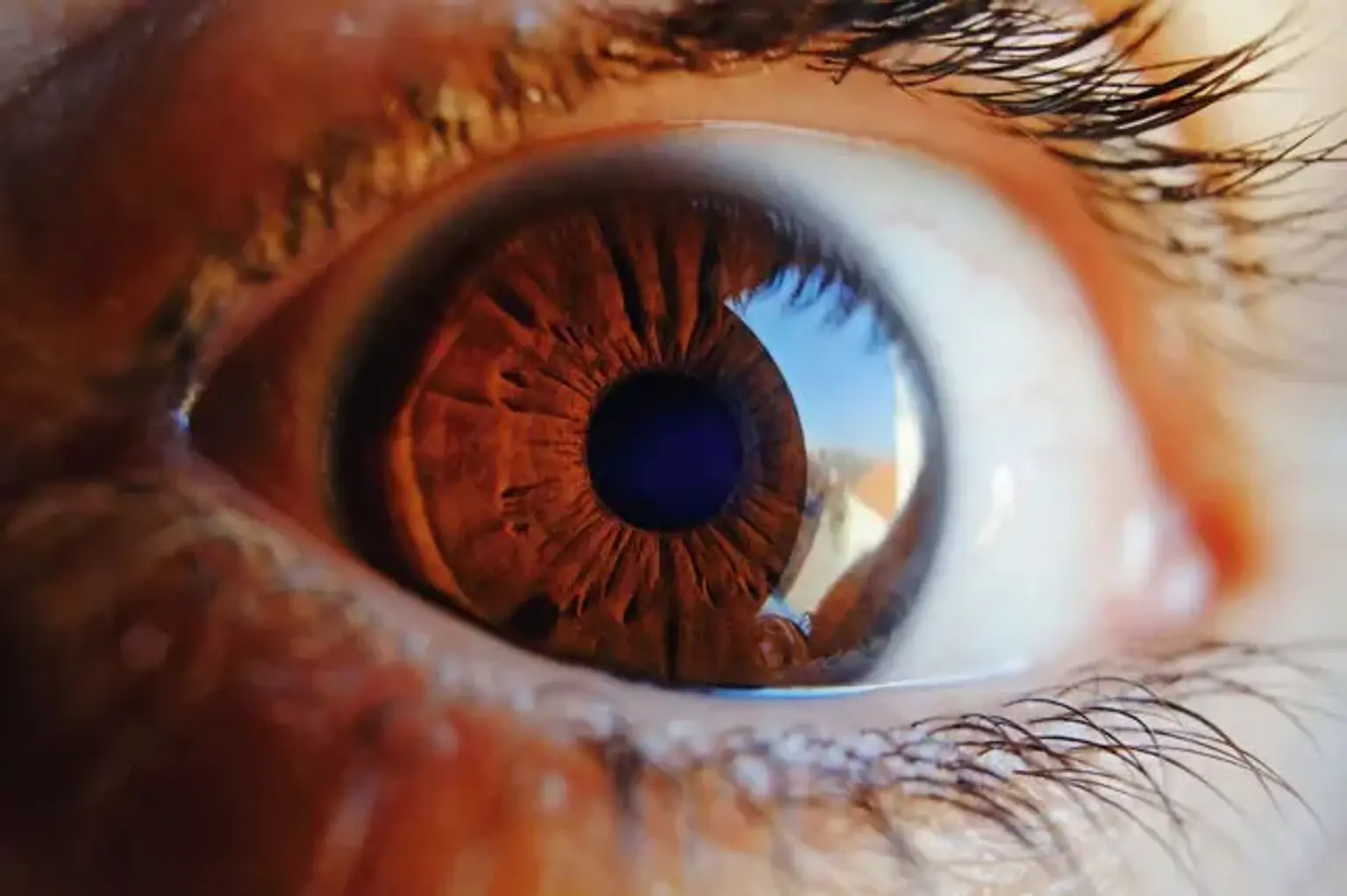
Common retinal diseases include age-related macular degeneration (AMD), diabetic retinopathy, and retinal detachment, each with varying causes and severity.
Common Symptoms of Retinal Diseases
Retinal diseases often present with subtle symptoms that can worsen over time. Some of the most common signs include:
Blurry vision – A gradual loss of clarity, making it hard to read or recognize faces.
Floaters and flashes – The sudden appearance of small floating specks or light flashes, which may indicate retinal detachment.
Dark spots or blind areas – A growing blind spot in the central or peripheral vision, often associated with AMD or diabetic retinopathy.
Distorted vision – Straight lines appearing wavy, a common symptom of macular diseases.
Understanding the Retina’s Function in Vision
The retina consists of specialized cells, including photoreceptors (rods and cones), that detect light and color. Rods help with night vision, while cones allow color perception and sharp detail recognition.
Any damage to the retina can disrupt these functions, leading to vision impairment. The macula, located at the center of the retina, is responsible for sharp central vision, making it especially vulnerable in conditions like AMD. Understanding how the retina works helps in appreciating the importance of early detection and targeted treatments for retinal diseases.
Common Retinal Diseases: Age-Related Macular Degeneration, Diabetic Retinopathy, and Retinal Detachment
Several retinal diseases can significantly impact vision, with age-related macular degeneration (AMD), diabetic retinopathy, and retinal detachment being among the most prevalent. AMD primarily affects older adults and leads to central vision loss due to macular deterioration. It can be classified into dry (atrophic) and wet (neovascular) forms, with the latter progressing more rapidly.
Diabetic retinopathy, a complication of diabetes, occurs when high blood sugar levels damage the tiny blood vessels in the retina, leading to bleeding, swelling, and the growth of abnormal vessels. Without treatment, it can cause severe vision loss.
Retinal detachment happens when the retina separates from the underlying tissue, often due to fluid buildup or a retinal tear. This is a medical emergency requiring immediate intervention to prevent permanent blindness.
Importance of Routine Eye Exams in Detecting Retinal Issues
Because many retinal diseases develop silently, routine eye exams are crucial for early detection. A comprehensive eye exam includes dilated fundus examination, where an ophthalmologist uses eye drops to widen the pupil and inspect the retina for abnormalities. This allows doctors to detect early signs of AMD, diabetic retinopathy, or retinal tears before symptoms become noticeable.
For individuals at high risk, such as diabetics or those with a family history of retinal diseases, annual screenings are highly recommended. Early detection enables timely intervention, which can slow disease progression and preserve vision.
Other Retinal Conditions: Macular Hole, Retinitis Pigmentosa, and Central Serous Retinopathy
Apart from the major retinal diseases, other conditions also pose risks to vision. A macular hole is a small break in the macula that can cause blurred or distorted central vision. It often develops with age or after an eye injury.
Retinitis pigmentosa (RP) is a group of inherited disorders that lead to progressive vision loss due to the degeneration of photoreceptor cells. Patients with RP experience night blindness and gradual peripheral vision loss, eventually leading to tunnel vision.
Central serous retinopathy (CSR) is a condition where fluid builds up beneath the retina, causing blurred or distorted vision. It is often linked to stress and excessive corticosteroid use, and while many cases resolve on their own, some may require medical treatment.
Optical Coherence Tomography (OCT) and Its Role in Diagnosing Retinal Conditions
Optical coherence tomography (OCT) is one of the most advanced and widely used diagnostic tools for retinal diseases. It uses light waves to capture cross-sectional images of the retina, providing detailed insights into the different layers. OCT is especially useful in diagnosing AMD, diabetic macular edema, and macular holes by detecting fluid accumulation, swelling, and structural changes in the retina.
OCT is non-invasive and quick, making it an essential tool for both initial diagnosis and monitoring treatment response. Patients undergoing anti-VEGF therapy for AMD, for example, rely on OCT scans to assess improvements and determine the need for further injections.
Fluorescein Angiography and Its Use in Identifying Blood Flow Issues
Fluorescein angiography (FA) is a diagnostic test used to examine the blood vessels in the retina. It involves injecting a fluorescent dye into a vein in the patient’s arm, which then travels to the eye’s blood vessels. As the dye circulates, a specialized camera captures detailed images of the retina.
This test is particularly useful for diagnosing diabetic retinopathy, retinal vein occlusion, and wet AMD, as it highlights areas of leakage, blockages, or abnormal blood vessel growth. FA is also used to monitor disease progression and assess the effectiveness of treatments such as anti-VEGF injections.
Importance of Early Detection and Treatment
Early diagnosis and timely treatment of retinal diseases are critical in preventing irreversible vision loss. Many retinal conditions develop gradually, making it difficult for individuals to notice symptoms in the early stages.
Routine eye exams, especially for those at high risk (such as individuals with diabetes or a family history of retinal disease), can help detect problems before significant damage occurs. Advanced diagnostic tools like optical coherence tomography (OCT) and fluorescein angiography allow ophthalmologists to assess retinal health and initiate treatment when necessary.
Fundus Photography and Electroretinography for Evaluating Retinal Function
Fundus photography is a non-invasive imaging technique that captures high-resolution images of the retina. These images help ophthalmologists document retinal changes over time, making fundus photography an essential tool for tracking diabetic retinopathy, AMD, and retinitis pigmentosa.
Electroretinography (ERG), on the other hand, is a functional test that measures the electrical response of the retina’s photoreceptors (rods and cones) to light stimulation. ERG is particularly valuable in diagnosing inherited retinal diseases such as retinitis pigmentosa and cone-rod dystrophy. Since these conditions often progress slowly, early detection via ERG can help determine the best course of action to slow vision loss.
Genetic Testing for Inherited Retinal Diseases
For patients with a family history of retinal disorders, genetic testing can provide valuable insights. Many inherited retinal diseases (IRDs), such as retinitis pigmentosa, Stargardt disease, and Leber congenital amaurosis, are linked to specific genetic mutations.
Genetic testing can help confirm a diagnosis, guide treatment plans, and even determine eligibility for gene therapy clinical trials. As advancements in personalized medicine grow, genetic testing is becoming an increasingly important tool in predicting disease progression and developing targeted treatments.
Overview of Treatment Approaches Based on the Type of Retinal Disease
The treatment of retinal diseases varies depending on the specific condition, severity, and underlying cause. Some treatments aim to slow disease progression, while others focus on repairing retinal damage or preventing further deterioration.
Medical treatments like anti-VEGF injections and corticosteroids help manage conditions such as AMD and diabetic macular edema.
Laser therapy is used for conditions like diabetic retinopathy and retinal tears to prevent further vision loss.
Surgical interventions such as vitrectomy are necessary for retinal detachment, macular holes, or advanced diabetic retinopathy.
Emerging therapies like gene therapy and stem cell treatments hold promise for inherited retinal diseases that currently have no cure.
Choosing the appropriate treatment depends on a thorough diagnosis using the advanced imaging techniques discussed earlier.
Anti-VEGF Injections for Conditions Like AMD and Diabetic Retinopathy
One of the most effective treatments for age-related macular degeneration (AMD), diabetic macular edema (DME), and retinal vein occlusion is anti-vascular endothelial growth factor (anti-VEGF) therapy. VEGF is a protein that promotes the abnormal growth of blood vessels in the retina, leading to leakage, swelling, and vision loss.
Anti-VEGF medications such as Ranibizumab (Lucentis), Aflibercept (Eylea), and Bevacizumab (Avastin) work by blocking VEGF, reducing swelling, and preventing further damage to the retina. These injections are typically administered every 4 to 8 weeks depending on the patient’s condition.
Although anti-VEGF therapy does not cure retinal diseases, it slows progression, preserves vision, and, in some cases, improves sight. Patients require regular follow-ups and OCT scans to monitor treatment effectiveness.
Laser Treatments for Retinal Tears and Diabetic Retinopathy
Laser therapy has long been a standard treatment for various retinal conditions. It is used to:
Seal retinal tears before they lead to retinal detachment.
Treat abnormal blood vessel growth in diabetic retinopathy.
Reduce swelling in conditions like macular edema.
There are two primary types of laser therapy:
Focal/Grid Laser Photocoagulation – Used for diabetic macular edema, it targets leaking blood vessels to prevent further swelling.
Panretinal Photocoagulation (PRP) – Used for proliferative diabetic retinopathy, PRP reduces abnormal blood vessel growth by destroying oxygen-starved retinal areas that trigger VEGF production.
Laser therapy is usually painless, but temporary blurriness and mild discomfort may occur post-treatment. Unlike anti-VEGF injections, laser treatment offers long-term stability, making it a preferred option for certain retinal conditions.
Photodynamic Therapy for Choroidal Neovascularization
Photodynamic therapy (PDT) is a specialized treatment primarily used for wet AMD and central serous retinopathy. It involves injecting Verteporfin, a light-sensitive drug, into the bloodstream, followed by low-intensity laser activation in the affected retinal area.
Once activated, the drug targets abnormal blood vessels, causing them to clot and shrink without damaging surrounding tissues. PDT is often recommended for patients who:
Cannot tolerate anti-VEGF injections.
Have persistent abnormal blood vessel growth despite other treatments.
Unlike standard laser therapy, PDT selectively destroys problematic blood vessels, minimizing damage to healthy retinal cells. However, patients must avoid direct sunlight for 48 hours after treatment to prevent skin sensitivity reactions.
Vitrectomy Surgery for Severe Cases Like Retinal Detachment
For more advanced retinal diseases, vitrectomy is a surgical procedure that removes the vitreous gel inside the eye to repair damage. Vitrectomy is often performed for:
Retinal detachment – To reposition the retina and seal any tears.
Macular hole – To close the hole and restore central vision.
Diabetic retinopathy complications – To remove blood and scar tissue.
During vitrectomy, the surgeon replaces the vitreous gel with a gas bubble or silicone oil to hold the retina in place as it heals. Recovery may require weeks of face-down positioning for optimal healing, depending on the condition treated.
While vitrectomy has a high success rate, potential risks include cataract formation, increased eye pressure, and infection. However, in cases like retinal detachment, it is a vision-saving procedure that must be performed immediately to prevent blindness.
Post-Treatment Care and Managing Potential Complications
After undergoing treatment for a retinal condition, proper post-care is essential to ensure a successful recovery and prevent complications. The specific recovery process varies depending on the treatment:
After anti-VEGF injections, patients may experience mild eye discomfort, redness, or temporary floaters. Serious complications such as infection or retinal detachment are rare but require immediate medical attention.
After laser therapy, temporary blurry vision and mild irritation may occur, but most patients can resume normal activities within a day.
After vitrectomy surgery, patients often need to position their head downward (face-down recovery) for several days to weeks to ensure proper retinal healing. They should avoid heavy lifting and sudden head movements to prevent retinal re-detachment.
Regular follow-ups with an ophthalmologist are crucial to monitor progress and detect any signs of complications. Patients should immediately report symptoms such as increased pain, worsening vision, or new floaters/flashes of light.
Lifestyle Changes to Slow the Progression of Retinal Diseases
While medical treatments play a critical role in managing retinal diseases, certain lifestyle changes can slow disease progression and improve overall eye health:
Quit smoking – Smoking significantly increases the risk of AMD and retinal vascular diseases.
Manage blood sugar and blood pressure – Uncontrolled diabetes and hypertension contribute to diabetic retinopathy and retinal vein occlusion.
Protect eyes from UV light – Wearing UV-protective sunglasses helps reduce damage caused by harmful sun exposure.
Limit screen time – Excessive digital screen use can cause eye strain, although it does not directly cause retinal disease. Taking frequent breaks and adjusting screen brightness can reduce discomfort.
Patients should also schedule routine eye exams to detect early signs of retinal disease, especially if they have a family history or underlying conditions like diabetes.
The Role of Dietary Supplements and Nutrition in Retinal Health
A well-balanced diet rich in antioxidants, vitamins, and omega-3 fatty acids can help support retinal health. Some essential nutrients for the retina include:
Lutein and Zeaxanthin – Found in leafy greens like spinach and kale, these antioxidants help protect the macula from oxidative stress.
Omega-3 fatty acids – Present in fatty fish like salmon, these nutrients reduce inflammation and support retinal function.
Vitamin C and E – Found in citrus fruits, nuts, and seeds, these vitamins help protect retinal cells from damage.
Zinc and Copper – Important for overall eye health and found in shellfish, nuts, and beans.
For patients with AMD, the AREDS2 supplement formula (which includes lutein, zeaxanthin, zinc, and vitamins C & E) has been clinically shown to reduce the risk of advanced disease progression. Consulting with an ophthalmologist before taking supplements is recommended, especially for individuals with pre-existing conditions.
Preventive Measures for Age-Related Retinal Diseases
Prevention is always better than treatment, especially for conditions like AMD and diabetic retinopathy that develop over time. Key preventive measures include:
Regular eye exams – Early detection allows for timely intervention before significant vision loss occurs.
Blood sugar and cholesterol control – Essential for preventing diabetic and vascular retinal diseases.
Maintaining a healthy weight – Reduces the risk of hypertension and metabolic disorders that contribute to retinal problems.
Avoiding excessive alcohol consumption – Excessive drinking can negatively affect blood circulation to the retina.
Staying physically active – Exercise promotes good blood flow to the eyes and reduces the risk of vascular complications.
By adopting these preventive strategies, individuals can protect their vision and reduce their risk of developing severe retinal diseases later in life.
Conclusion
Retinal diseases pose a significant threat to vision, but early detection, timely treatment, and preventive care can help preserve sight and improve quality of life. Advances in diagnostic imaging, laser treatments, anti-VEGF therapy, and surgical techniques have revolutionized the way retinal diseases are managed. Additionally, emerging technologies such as gene therapy, stem cell research, and AI-driven diagnostics hold great promise for the future.
The key to preventing vision loss lies in regular eye exams, managing underlying health conditions, and adopting a healthy lifestyle. Patients at risk for retinal diseases, including those with diabetes, hypertension, or a family history of retinal disorders, should be especially vigilant about routine screenings.
As medical research continues to advance, new and more effective treatments will become available, offering hope to millions of individuals affected by retinal diseases. By staying informed and taking proactive steps to maintain eye health, individuals can significantly reduce their risk of vision loss and enjoy a lifetime of clear sight.