Introduction
A Saline Infusion Sonogram (SIS), also known as a sonohysterogram, is a specialized ultrasound technique used to examine the uterus and its surrounding structures. The procedure involves infusing a sterile saline solution into the uterine cavity while an ultrasound probe is used to capture images. The primary purpose of SIS is to detect uterine abnormalities like fibroids, polyps, adhesions, or structural issues that might affect fertility or cause abnormal bleeding.
It’s an invaluable tool for fertility assessments, as it allows doctors to see details of the uterine lining and fallopian tubes, helping identify potential causes of infertility or recurrent miscarriages. Compared to other imaging techniques like hysterosalpingography (HSG), SIS is less invasive, more comfortable, and generally more affordable.
What is Saline Infusion Sonogram (SIS)?
The Saline Infusion Sonogram (SIS) is a diagnostic imaging procedure in which a sterile saline solution is introduced into the uterine cavity via a thin catheter. This infusion helps to expand the uterine lining, making it easier to detect abnormalities during an ultrasound.
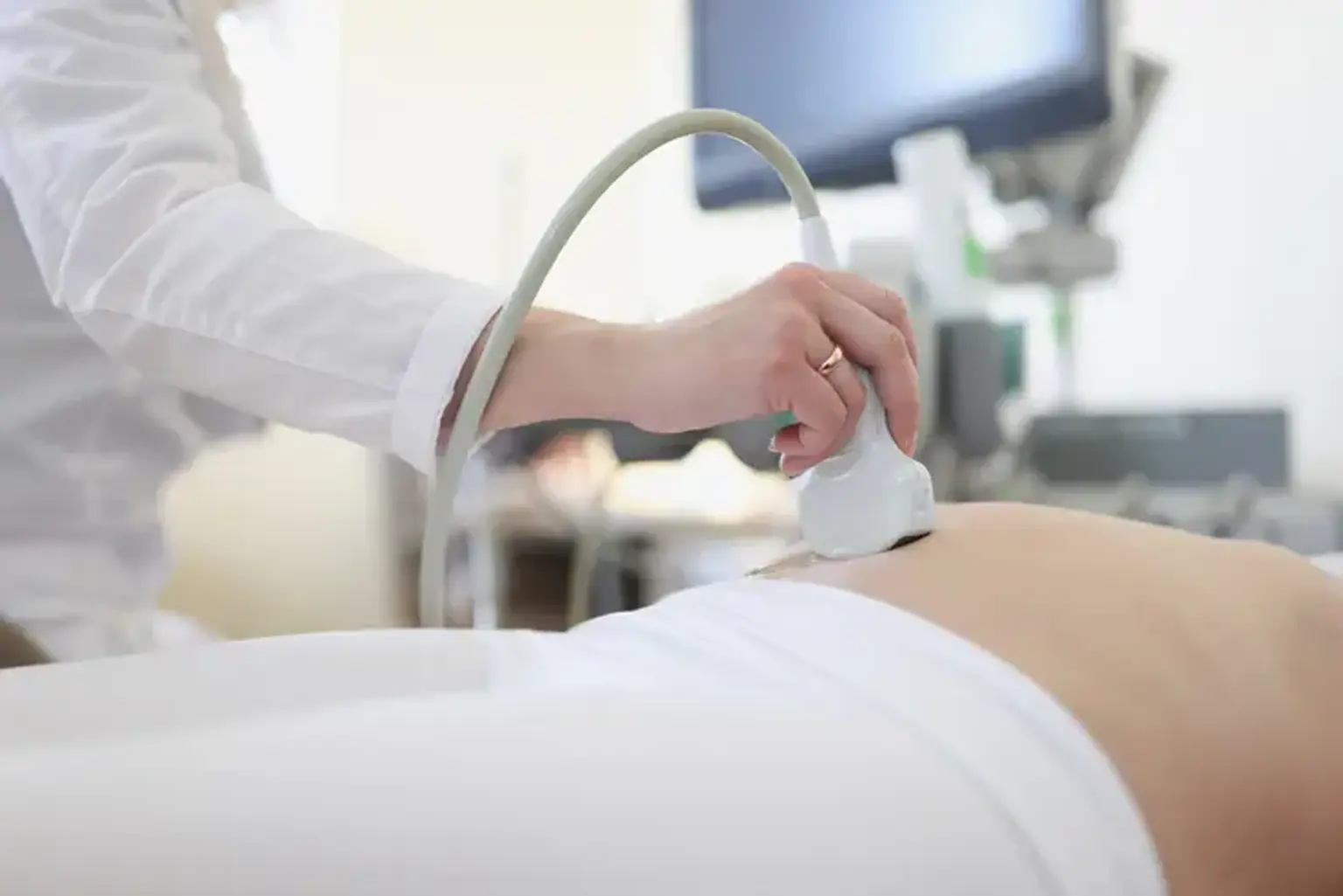
While the procedure may sound similar to other tests like Hysterosalpingography (HSG), SIS is a non-invasive alternative that uses ultrasound to visualize the uterus. In contrast, HSG requires the use of X-rays and a contrast dye, making SIS a safer option for many patients, especially those concerned about radiation exposure. The saline infusion enhances the ultrasound images, allowing doctors to detect issues such as fibroids, polyps, and fallopian tube blockages, which could be hindering fertility.
Medical Uses and Benefits of SIS
SIS is widely used for diagnosing various uterine conditions, particularly for fertility evaluations. Here are some of the key medical uses:
Detection of Uterine Abnormalities: SIS can reveal the presence of fibroids, polyps, and adhesions that may affect the uterine cavity and surrounding areas. These conditions can cause issues such as heavy bleeding, pain, or difficulty conceiving.
Infertility Diagnosis: When a woman is experiencing difficulty getting pregnant, SIS is often used to assess the uterine environment. It helps identify problems such as blocked fallopian tubes, abnormal uterine lining, or structural abnormalities, all of which can impair fertility.
Screening for Endometrial Cancer: In some cases, SIS can detect unusual growths in the uterine lining, which may indicate the early stages of cancer, though further diagnostic tests would be required to confirm this.
The main benefit of SIS lies in its ability to offer a clear picture of the uterine cavity, all while being relatively simple, quick, and less invasive compared to other imaging techniques like HSG or hysteroscopy.
The SIS Procedure: What to Expect
If your doctor recommends a Saline Infusion Sonogram, here's what you can expect:
Pre-Procedure: Before undergoing SIS, it’s important to schedule the test after your menstrual period ends but before ovulation. This timing ensures the best imaging quality and is often chosen because the uterine lining is thinner during this phase. You should also inform your doctor of any medications you are taking and ensure you are not pregnant.
During the Procedure: The test is typically performed in a doctor's office or outpatient clinic. A thin catheter is inserted through the cervix into the uterus, and sterile saline is introduced. The ultrasound probe, placed on the abdomen or inserted vaginally, captures images of the uterine cavity. You may feel mild cramping or discomfort during the infusion, but the procedure typically lasts only 15-30 minutes.
Post-Procedure Care: After the test, you may experience mild cramping or spotting, which should subside within a few hours. It’s recommended to rest for the remainder of the day, though most women can resume normal activities afterward. If you experience severe pain, heavy bleeding, or fever, contact your doctor immediately.
Safety Protocols and Risks
One of the main reasons SIS is so popular is that it is a safe and non-invasive procedure. It carries a lower risk compared to other diagnostic methods like HSG or hysteroscopy, which involve radiation or surgery.
However, like any medical procedure, SIS does come with some risks:
Mild Discomfort: Some patients may experience mild cramping or spotting after the procedure, which typically resolves within a few hours.
Infection: There is a small risk of infection, especially if there is an existing infection in the reproductive organs. This risk can be minimized by ensuring that the procedure is performed under sterile conditions.
Uterine Perforation: While rare, there is a slight risk of injury to the uterus during the catheter insertion. This is more common in patients with previous uterine surgeries or abnormal anatomy.
Before undergoing SIS, it’s essential to discuss any medical conditions, allergies, or concerns with your doctor. SIS is generally not recommended for women who are pregnant or have active pelvic infections.
Effectiveness and Accuracy of SIS
The Saline Infusion Sonogram (SIS) is highly effective in detecting uterine abnormalities, with studies showing high diagnostic accuracy in identifying conditions such as fibroids, polyps, and adhesions. The ability to clearly visualize the uterine lining and structure allows doctors to make accurate diagnoses and determine the best course of action for treatment.
While SIS is particularly effective in identifying uterine growths or abnormalities, it is less reliable in diagnosing issues like ovarian cysts or endometriosis. For more complex issues, additional testing may be recommended. Still, SIS remains one of the most accurate and non-invasive ways to assess the uterine cavity.
Compared to alternatives like Hysterosalpingography (HSG), SIS offers a lower risk of complications and greater comfort for the patient. However, HSG may still be preferred in cases where a comprehensive view of both the uterine cavity and fallopian tubes is necessary.
Cost of Saline Infusion Sonogram (SIS)
The cost of a Saline Infusion Sonogram (SIS) varies depending on the country, medical facility, and whether you have insurance coverage. On average, the procedure can cost anywhere from $200 to $1,000.
In some regions, the test may be less expensive, especially in outpatient clinics or private healthcare settings. However, for women undergoing fertility treatment or evaluating their reproductive health, SIS can be an affordable option compared to more expensive tests like hysteroscopy or laparoscopy.
Insurance Coverage: In many cases, health insurance will cover the cost of SIS if it’s deemed medically necessary, such as for infertility diagnosis or uterine abnormality evaluation. It's important to check with your insurer about coverage, as some plans may require pre-authorization or may only cover certain conditions.
Self-Pay Options: For those without insurance or those seeking the procedure privately, payment options may be available, such as payment plans or discounts for self-pay patients.
SIS is generally considered a cost-effective diagnostic option, especially for individuals seeking a quick, non-invasive way to assess uterine health.
Recovery and Aftercare
The recovery process following a saline infusion sonogram is straightforward. Most patients can return to their normal activities immediately after the procedure, but it’s important to keep a few things in mind:
Mild Cramping or Spotting: It’s common to experience mild cramping and spotting after SIS. This is usually short-lived and should subside within a few hours to a day.
Rest: While many women feel fine after SIS, it's a good idea to take it easy for the remainder of the day to allow your body to recover.
Post-Procedure Care: Avoiding any strenuous physical activity for 24 hours is recommended to minimize the risk of complications, though you can generally return to work the next day.
When to Seek Medical Attention: If you experience severe abdominal pain, heavy bleeding, or signs of infection (such as fever), it’s important to contact your doctor right away.
While the procedure is generally well-tolerated, following your doctor's aftercare instructions is key to ensuring a smooth recovery.
Commonly Asked Questions About SIS
Many women have questions or concerns before undergoing a Saline Infusion Sonogram (SIS). Here are some common questions answered:
Does SIS Hurt? The procedure is generally well-tolerated, but some women experience mild cramping or discomfort during the catheter insertion or saline infusion. This discomfort typically lasts only a few minutes and is not usually severe.
Is SIS Safe? Yes, SIS is considered a safe procedure, with minimal risks. The procedure is non-invasive and does not involve radiation, making it safer than some other diagnostic options like HSG.
How Long Does It Take? The SIS procedure is relatively quick, usually taking about 15 to 30 minutes. You may be asked to rest briefly afterward to ensure you are feeling well.
Can I Get Pregnant After an SIS? SIS is a diagnostic procedure and does not affect fertility. If your doctor discovers any issues during the test, they will discuss treatment options to improve your chances of conception.
Do I Need to Fast Before SIS? Generally, fasting is not required for this procedure. However, follow your doctor’s specific instructions on preparation, such as avoiding certain medications or scheduling the test at a specific time in your menstrual cycle.
Global Popularity of SIS
The Saline Infusion Sonogram (SIS) has gained popularity worldwide due to its non-invasive nature and its ability to provide detailed images of the uterus with minimal discomfort. This procedure is commonly performed in many countries, including the United States, Europe, and parts of Asia.
SIS is often preferred over other procedures like HSG in countries with a strong emphasis on reducing radiation exposure. Additionally, many fertility clinics use SIS as a routine part of their infertility assessments due to its ability to quickly identify structural problems that could affect fertility.
In countries where fertility treatments are widely accessible, such as the United States, Canada, and the UK, SIS has become an essential tool in reproductive medicine. The procedure is also becoming more accessible in developing countries as healthcare standards improve and technology becomes more widely available.
Future of SIS and Advancements in Technology
As medical imaging technology continues to evolve, the Saline Infusion Sonogram (SIS) procedure is also expected to improve. Advances in ultrasound technology, including 3D and 4D imaging, may provide even more detailed and accurate views of the uterus and its structures, enhancing the diagnostic capabilities of SIS.
The integration of AI-driven diagnostic tools could also assist doctors in interpreting SIS results more efficiently, reducing human error and streamlining the decision-making process. Additionally, the development of smaller, more comfortable catheters and other medical tools may further improve the patient's comfort and safety during the procedure.
As fertility awareness and reproductive health continue to be a major focus in medicine, it is likely that SIS will remain a key tool in diagnosing uterine abnormalities and aiding fertility treatments for years to come.
Comparing SIS to Other Imaging Techniques
When it comes to uterine imaging, Saline Infusion Sonogram (SIS) is often compared to other procedures like Hysterosalpingography (HSG) and Hysteroscopy. Here's a quick comparison:
SIS vs. HSG: While both procedures assess the uterine cavity, HSG uses X-rays and a contrast dye to check for blockages in the fallopian tubes. In contrast, SIS uses ultrasound and saline, making it a less invasive, radiation-free option.
SIS vs. Hysteroscopy: Hysteroscopy involves inserting a small camera directly into the uterus to examine the cavity. It’s more invasive but allows for immediate biopsy or treatment, whereas SIS is non-invasive and only used for imaging.
While HSG and hysteroscopy are valuable in certain cases, SIS is often chosen for its comfort, lower risk, and cost-effectiveness, especially for initial fertility assessments or when only a visual diagnosis is needed.
SIS in Fertility Treatment
For women undergoing fertility treatment, an SIS can provide critical information about the uterine environment. It’s often used to evaluate the uterus before starting treatments like in vitro fertilization (IVF) or intrauterine insemination (IUI).
By detecting issues like fibroids, polyps, or adhesions, SIS helps doctors make more informed decisions about treatment plans. Addressing these conditions before starting fertility treatments increases the chances of a successful pregnancy.
Additionally, SIS is frequently used to assess the health of the uterus following treatments like embryo transfer or to check the endometrial lining, which plays a crucial role in embryo implantation.
Who Should Consider an SIS?
A Saline Infusion Sonogram (SIS) is recommended for women who are experiencing certain reproductive health concerns. Common indications for SIS include:
Infertility Issues: Women who have difficulty getting pregnant may benefit from SIS as it can detect abnormalities in the uterus or fallopian tubes that could be interfering with conception.
Recurrent Miscarriages: If a woman has experienced multiple miscarriages, SIS can help identify structural issues in the uterus that may contribute to pregnancy loss, such as fibroids or polyp growth.
Abnormal Uterine Bleeding: Women with heavy, irregular, or painful periods may undergo SIS to determine if fibroids, polyps, or other uterine abnormalities are the cause.
Fertility Preservation: For those who are about to undergo fertility treatments like IVF, an SIS may be done to assess the uterine environment and ensure optimal conditions for embryo implantation.
Post-Surgical Evaluation: Women who have had a uterine surgery (such as a D&C or fibroid removal) may need an SIS to check for any complications like adhesions or scarring.
If you are experiencing any of these issues, your doctor might suggest SIS to get a clearer picture of your uterine health and guide treatment decisions.
Preparing for an SIS: What You Need to Know
Preparation for a Saline Infusion Sonogram is simple, but there are a few key steps to ensure the procedure goes smoothly:
Timing: SIS is typically performed in the first half of your menstrual cycle, after menstruation but before ovulation. This ensures the uterine lining is thin, making imaging clearer.
Avoid Intercourse: It’s recommended to avoid sexual intercourse for a few days before the test to minimize any potential irritation or infection risk.
Medications: Inform your doctor about any medications you’re taking, especially blood thinners or hormonal treatments, as they could affect the procedure.
Most importantly, follow your doctor’s specific instructions. This ensures that the procedure is performed at the optimal time and maximizes the chances of accurate results.
The Role of SIS in Preventive Healthcare
While the primary use of Saline Infusion Sonogram (SIS) is diagnostic, it can also play a role in preventive reproductive healthcare. Early detection of uterine issues, such as fibroids or polyps, can significantly improve outcomes for women trying to conceive or those undergoing fertility treatments. Identifying and addressing these issues early reduces the chances of complications later on.
Moreover, in women with a history of pelvic infections or uterine surgeries, SIS can be a preventive measure to monitor the uterine health and ensure any changes or complications are caught early, reducing the risk of future problems.
By utilizing SIS as part of regular reproductive health checks, especially for women over 35 or those with known fertility issues, it may help reduce the need for more invasive and costly treatments in the future.
Emotional and Psychological Impact of SIS
Undergoing any medical test, particularly one related to reproductive health, can be an emotional experience for many women. Understanding the procedure and its benefits can help reduce anxiety and stress before the test.
Many women undergoing SIS for fertility evaluation may have concerns about their ability to conceive or the potential for serious uterine conditions. It’s important to reassure patients that SIS is not a test for pregnancy viability but a diagnostic tool that helps doctors understand the uterine environment.
For many, the results of the SIS offer valuable insight, leading to a clear diagnosis and treatment plan. While it may not directly resolve fertility issues, it plays a crucial role in guiding further steps in fertility treatments, often providing the clarity patients need to move forward with their journey.
Patient Experiences: What to Expect
For women who have undergone the procedure, experiences with Saline Infusion Sonogram (SIS) tend to vary. Some women report only mild cramping or discomfort, similar to menstrual cramps, while others feel more significant pressure during the saline infusion.
Many patients feel reassured by the relatively short duration of the procedure (15-30 minutes), and most find the recovery quick and uncomplicated. After the test, some may experience light spotting or cramping, but these symptoms typically resolve within a few hours.
Patient testimonials often highlight the comfort of SIS compared to more invasive procedures like hysteroscopy, where a camera is inserted into the uterus. Overall, the majority of patients find SIS to be a tolerable, non-threatening experience that provides valuable diagnostic information.
Conclusion
The Saline Infusion Sonogram (SIS) is a vital diagnostic tool that has greatly enhanced the ability of healthcare providers to assess uterine health. It is especially useful in fertility evaluations, detecting abnormalities that could impact pregnancy or reproductive health.
For women experiencing infertility, abnormal bleeding, or recurrent miscarriages, SIS offers a quick, affordable, and minimally invasive way to gain valuable insights into their reproductive system. It is generally considered safe, with a low risk of complications, and offers a comfortable alternative to more invasive procedures.
As the field of reproductive medicine continues to evolve, SIS will likely remain an essential part of fertility care and overall gynecological health. If you have concerns about your reproductive health or are considering fertility treatments, discuss SIS with your healthcare provider—it could be the first step toward a clearer path to diagnosis and treatment.