Introduction
Semen freezing, or sperm cryopreservation, is a technique that preserves male fertility by freezing sperm at very low temperatures. This service has gained significant popularity in recent years due to its ability to help men retain their fertility for future family planning. Whether due to medical conditions like cancer, aging, or personal choice, semen freezing offers an invaluable opportunity for men to preserve their ability to have children later in life.
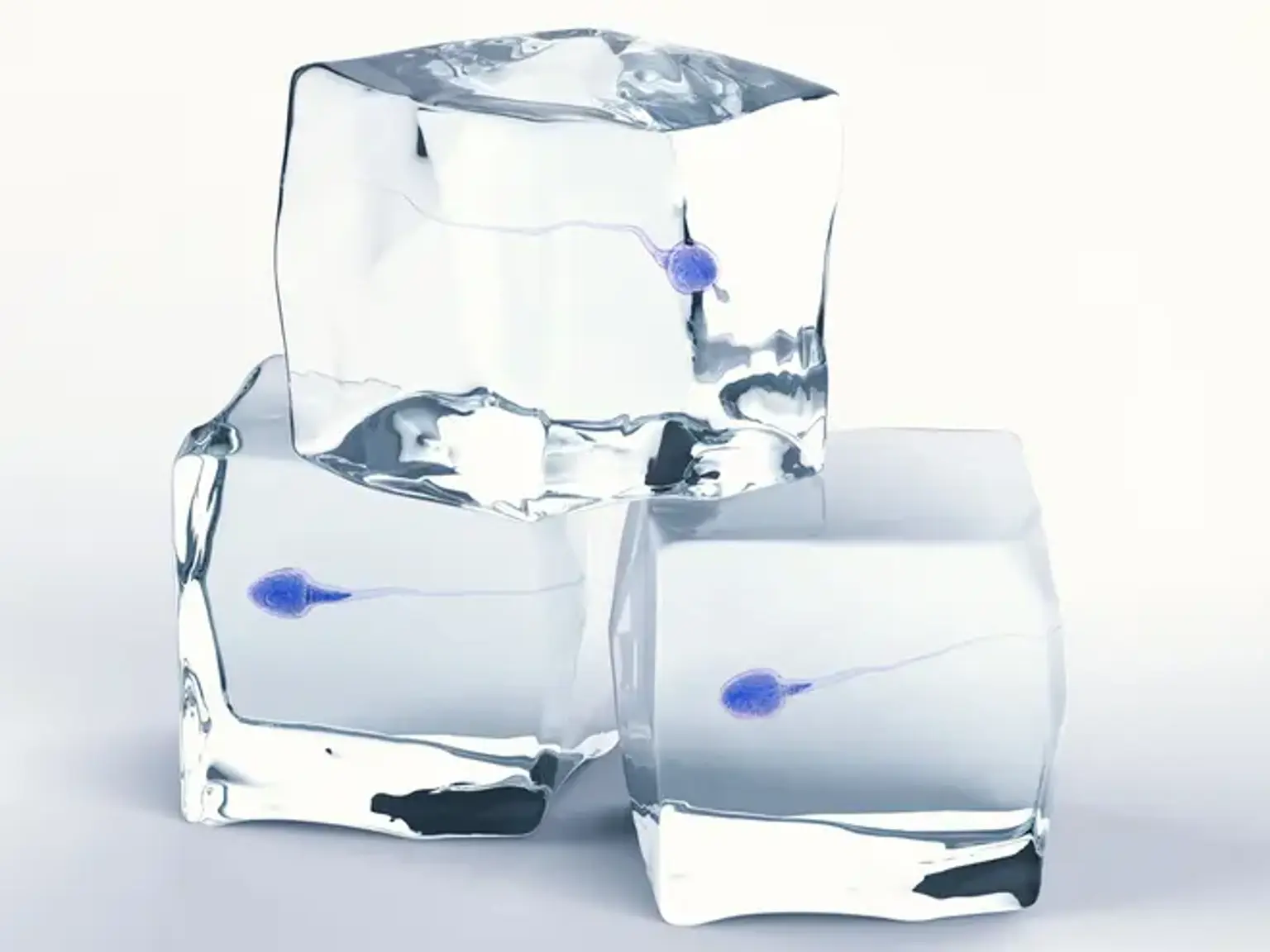
More commonly used in fertility treatments like in-vitro fertilization (IVF), this technique is also recommended for men undergoing chemotherapy or radiation therapy, which can affect sperm quality. Sperm cryopreservation gives these individuals a way to protect their reproductive options.
What is Semen Freezing?
Semen freezing is a process where sperm is collected, evaluated for quality, and then stored at temperatures as low as -196°C (the temperature of liquid nitrogen). The freezing technique ensures that sperm remains viable for later use, typically for fertility treatments, or in cases where a man may not be able to produce sperm later due to health issues, such as cancer treatment.
The process begins with sperm collection, which is usually done at a sperm bank or fertility clinic. The sperm is then mixed with a cryoprotectant, a substance that prevents ice crystals from forming and damaging the sperm. Afterward, the sperm is frozen and stored in cryogenic tanks. Sperm can be kept for many years without losing its ability to fertilize an egg.
The Process of Sperm Freezing
The semen freezing process involves several key steps. First, a sperm sample is collected. This is often done by masturbation in a sterile container at a clinic or sperm bank. The sperm sample is then processed to remove any impurities or non-viable sperm.
Next, a cryoprotectant is added to the sperm, which helps protect the sperm from damage during the freezing process. This substance ensures that the sperm survives freezing and thawing without losing its functionality. After processing, the sperm is divided into vials and frozen in liquid nitrogen.
Frozen sperm can be stored for years in specialized cryogenic storage tanks, allowing men to use it later for fertility treatments like IVF, or for family planning when they’re ready.
Who Should Consider Semen Freezing?
Semen freezing is often recommended for men in specific situations:
Cancer Treatment: Men who are diagnosed with cancer and are about to undergo chemotherapy or radiation therapy should consider freezing their sperm beforehand. These treatments can damage sperm production, making future fertility uncertain. Freezing sperm provides an opportunity to have biological children later, even if the cancer treatment leads to infertility.
Delayed Fatherhood: Men who wish to delay fatherhood until later in life may choose to freeze their sperm. As men age, sperm quality and motility tend to decline. By freezing sperm at a younger age, men can ensure a higher quality of sperm for future use.
Men with Fertility Concerns: If a man has a low sperm count or other fertility issues, freezing sperm can help preserve viable sperm before the condition worsens.
Undergoing Medical Procedures: Certain medical procedures, such as vasectomy, may lead to permanent infertility. Freezing sperm before such procedures is a viable option for men who may want to have children later in life.
By freezing sperm, men ensure that they have fertility preservation options available when they are ready to start a family, regardless of age or health issues.
Benefits of Sperm Cryopreservation
Sperm cryopreservation offers numerous benefits for men looking to preserve their fertility:
Preserving Fertility for Future Family Planning: One of the key benefits is the ability to preserve sperm for future use, enabling men to have children even if their fertility declines due to aging, illness, or medical treatments.
Peace of Mind for Cancer Patients: For men undergoing cancer treatments, sperm freezing offers reassurance. They can undergo necessary treatments without worrying about losing the ability to have biological children.
Enabling Delayed Fatherhood: Men who wish to delay fatherhood until later in life can benefit from sperm freezing. It allows them to preserve their fertility while maintaining the option to have children when they are ready, regardless of the effects of aging.
Preventing Infertility Due to Medical Procedures: Sperm freezing offers men a way to protect their fertility before undergoing medical procedures that may affect sperm production, such as vasectomy or prostate surgery.
In addition to these practical benefits, sperm cryopreservation offers emotional security. Knowing that fertility is preserved provides men with more control over their reproductive future.
Semen Freezing for Cancer Patients
For men undergoing cancer treatments like chemotherapy or radiation, semen freezing is an important fertility preservation option. Chemotherapy and radiation can damage or destroy sperm-producing cells, leading to temporary or permanent infertility. This is particularly concerning for young men who may want to start a family in the future.
Freezing sperm before cancer treatment begins allows these men to preserve their fertility. Even if treatments affect sperm production, they will have viable sperm stored for use in future fertility treatments.
Real-life stories of men who underwent sperm freezing before cancer treatment show that the process offers peace of mind. It provides an opportunity to preserve their ability to have children, even in the face of a potentially life-altering illness. The earlier sperm is frozen, the better the chances of having a successful outcome in the future.
Semen Freezing for Couples Undergoing IVF
Sperm freezing plays a critical role in assisted reproductive technologies like in-vitro fertilization (IVF). When undergoing IVF, couples may use frozen sperm for fertilization, particularly if the male partner has low sperm count or if the sperm quality is poor on the day of the procedure.
For men who have irregular sperm production, sperm freezing can be a solution to ensure a reliable supply of high-quality sperm. Additionally, men who are about to undergo treatments or procedures that might affect sperm production, such as surgery or chemotherapy, may choose to freeze sperm in advance to use later in IVF.
By freezing sperm before starting IVF, men ensure that they have access to the best possible sample for fertilizing eggs. This increases the chances of a successful pregnancy. Sperm freezing also helps IVF clinics avoid delays, ensuring that treatment can begin without waiting for fresh sperm collection.
How Long Can Sperm Be Stored?
One of the remarkable things about sperm freezing is how long sperm can remain viable in storage. Modern cryopreservation techniques allow sperm to be preserved indefinitely if kept at the correct temperature. Some sperm banks report storing samples for over 20 years with success rates remaining high.
While sperm quality can be affected by age, freezing sperm before significant age-related declines in fertility allows men to maintain a higher chance of successful fertilization. The longer sperm is stored, the more important it becomes to use a reputable clinic with advanced storage technology.
Even though sperm can be stored for decades, it’s important for individuals to stay in contact with their sperm bank to ensure their samples are still being properly maintained. If you have concerns about long-term storage, fertility clinics and sperm banks typically offer guidance on managing your sample over the years.
Semen Freezing for International Use
For men who may travel or live abroad, sperm freezing can offer a solution for those wanting to preserve their fertility while away from home. Whether for work, education, or medical treatment abroad, having frozen sperm stored in an international sperm bank provides peace of mind.
Global Storage: Many sperm banks and fertility clinics offer international storage options, allowing sperm to be transported to different locations if necessary. This means that a man can store his sperm in one country and still use it for fertility treatments in another, providing flexibility.
Cross-Border Fertility Treatments: In some cases, couples may choose to undergo fertility treatments in countries with higher success rates or more affordable costs. Frozen sperm can be used in these treatments regardless of the country it was originally stored in, offering a global reach to fertility options.
Sperm freezing allows men to preserve their reproductive health on a global scale, expanding options for fertility treatments worldwide.
Sperm Freezing Success Rates
Sperm freezing has a high success rate when it comes to preserving sperm viability for future use. However, the success of using frozen sperm for fertilization depends on various factors, including the quality of the sperm before freezing, how well the sperm was preserved, and the method used for thawing.
In general, sperm can be frozen and stored for many years without significant loss of quality. Once thawed, the sperm’s ability to fertilize an egg may be slightly lower than fresh sperm, but it still remains viable for fertilization, especially when good preservation techniques are used.
The success rates for fertility treatments using frozen sperm are promising. In IVF or ICSI (intracytoplasmic sperm injection), where a single sperm is injected into an egg, the fertilization rates are very similar to those achieved with fresh sperm. Success depends largely on the sperm's quality before freezing and the overall health of the woman involved in the fertility process.
Factors like the method of sperm cryopreservation and how the sperm is thawed also impact success rates. Clinics with advanced freezing technology and expertise typically report higher success rates.
Semen Storage: What Happens to Frozen Sperm?
After sperm is frozen, it is stored in cryogenic storage tanks that maintain the sperm at extremely low temperatures, usually around -196°C using liquid nitrogen. This freezing process effectively "pauses" the sperm’s biological activity, allowing it to be stored for long periods without degradation.
Sperm is stored in sealed vials, and each vial typically contains enough sperm for multiple uses, depending on the fertility procedure being planned. These tanks are housed in specialized storage facilities, often with strict temperature monitoring and backup systems to ensure that the sperm remains viable.
While the sperm remains in storage, it’s kept under high security to ensure privacy and prevent contamination. Sperm banks and fertility clinics often keep detailed records of each stored sample, including the date it was frozen, the patient's information, and the type of sperm (e.g., motility, count).
It’s essential to understand the process of sperm storage, especially when considering the long-term options. After years of storage, sperm can be thawed and used for IVF, IUI (intrauterine insemination), or other fertility treatments with minimal risk of quality loss, assuming it was preserved properly.
Choosing the Right Sperm Bank
Selecting the right sperm bank is an important decision when considering semen freezing. Several factors should be considered to ensure you’re choosing a reputable and reliable facility for sperm storage.
Accreditation and Certification: Ensure that the sperm bank is accredited by recognized medical organizations, such as the American Society for Reproductive Medicine (ASRM) or the College of American Pathologists (CAP). Accreditation ensures the clinic follows strict medical and ethical standards.
Security and Privacy: It’s essential that the sperm bank has high security measures in place to protect personal and medical information. Privacy is critical, as sperm storage involves sensitive data.
Location and Storage Fees: While there are several reputable sperm banks worldwide, consider one with a location convenient for you, especially for any potential visits to store or retrieve sperm. Compare storage fees, which can vary from one sperm bank to another, based on storage duration and additional services.
Success Rates: Research the clinic’s success rates for fertility treatments using frozen sperm. A high success rate indicates that the sperm freezing and thawing processes are well-executed, improving the chances of a successful pregnancy.
Facilities and Technology: Opt for a sperm bank with modern cryopreservation equipment and facilities. Advanced freezing techniques and regular monitoring of storage conditions ensure better outcomes when sperm is thawed for future use.
By choosing a reputable sperm bank with experience and a solid track record, you ensure that your sperm is stored safely and can be used successfully when you’re ready to start a family.
Semen Freezing for Men with Low Sperm Count
Men with low sperm count or motility can benefit greatly from sperm freezing. Freezing sperm before the condition worsens allows them to preserve high-quality sperm for future use in fertility treatments like IVF or ICSI.
If a man has a low sperm count, sperm freezing gives him the opportunity to secure viable sperm that can later be used for conception. Even though sperm count may fluctuate over time, freezing it at a time when it’s at its best ensures that men have access to their best quality sperm in the future.
For men with fertility concerns, early sperm freezing can improve their chances of successful conception later on, when fresh sperm might not be viable.
Safety Protocols in Semen Freezing
Semen freezing is a highly regulated and safe process when done in accredited clinics or sperm banks. Strict safety protocols are followed to ensure the sperm remains viable throughout the freezing and thawing process.
Sterility and Cleanliness: Clinics follow stringent sterilization procedures to ensure that sperm samples are collected and stored in a clean environment to prevent contamination.
Temperature Control: Sperm is stored at ultra-low temperatures using liquid nitrogen. The storage tanks are monitored constantly to maintain the correct temperature and avoid any thawing.
Security Measures: Most sperm banks implement strict security systems to ensure that sperm samples are securely stored and that patient privacy is maintained.
By adhering to these rigorous protocols, fertility clinics ensure that sperm remains safe, viable, and protected during the freezing and storage process.
Psychological Considerations for Men Using Sperm Freezing
While sperm freezing offers medical benefits, it also brings psychological considerations. Some men may feel stressed, anxious, or uncertain about preserving their fertility. The process can feel daunting, especially for those doing it due to health concerns, such as cancer.
Support and counseling are often available at fertility clinics, helping men understand their options and deal with any emotional challenges. It’s important to address any worries about the procedure and future use of frozen sperm to make the experience more manageable.
For many, sperm freezing provides a sense of control over their future reproductive choices, allowing them to focus on their health and well-being without the fear of losing their fertility.
The Future of Semen Freezing
Semen freezing technology is constantly improving, with advances in cryopreservation and sperm thawing techniques enhancing success rates. Research continues to refine freezing methods, making sperm storage even more reliable.
As fertility preservation becomes more common, particularly among men delaying fatherhood or facing medical treatments, the process will become more accessible and affordable. Emerging technologies may further reduce costs and improve sperm quality after thawing.
In the future, sperm freezing could become even more routine, allowing men to preserve their fertility with greater ease and confidence. Advances in personalized medicine and cryopreservation could also make the process more efficient and tailored to individual needs.
Sperm Freezing Cost and Storage Fees
The cost of sperm freezing varies based on several factors, including location, the clinic or sperm bank, and the length of storage required. On average, the initial sperm collection and freezing process can cost anywhere from $500 to $1,000. Additional storage fees are typically charged annually, ranging from $300 to $500 per year, depending on the clinic or bank.
The overall cost can add up if sperm is stored for many years. However, many men view this as a worthwhile investment, especially if they are concerned about future fertility issues or want to preserve their reproductive options.
Some fertility clinics may offer packages or discounts for multiple years of storage, while others may have higher fees for expedited processing or special services. Insurance coverage for sperm freezing is limited and varies by policy, so it’s essential to check with your insurance provider before starting the process.
Despite the costs, sperm freezing is often seen as a reasonable and essential expense, especially for those facing cancer treatment or other fertility risks.
Legal and Ethical Considerations in Sperm Freezing
Sperm freezing, while highly beneficial, comes with important legal and ethical considerations. Legal questions typically arise regarding ownership and consent, especially when sperm is stored for long periods or used for fertility treatments later on.
Consent and Ownership: It is crucial for men to provide written consent for the storage and use of their sperm. In some cases, if sperm is stored for years, ownership and rights to the sperm could become a topic of legal discussion, especially if there’s a change in relationship status or marital status.
Use of Stored Sperm: Ethical questions often arise regarding the use of stored sperm after a man’s death or if the man is unable to provide consent in the future. Many clinics require explicit instructions on how sperm should be used in such cases, including whether it may be used for posthumous reproduction or other purposes.
It’s essential to clarify these points with a fertility clinic or sperm bank to ensure both legal and ethical concerns are addressed before proceeding with sperm freezing.
Common Myths About Sperm Freezing
There are several myths surrounding the process of sperm freezing that can cause confusion or hesitation. It’s important to debunk these myths to help men make informed decisions about fertility preservation.
Myth 1: Sperm Freezing Reduces Sperm Quality: While freezing and thawing sperm may slightly reduce its motility, studies show that most sperm remains viable and able to fertilize an egg. With proper techniques, sperm freezing is highly successful.
Myth 2: Sperm Can Only Be Stored for a Short Time: Sperm can be stored for decades, and modern cryopreservation methods have shown that sperm remains viable even after long periods of storage.
Myth 3: The Process Is Painful or Complicated: The sperm collection process is straightforward and non-invasive, typically done by masturbation in a private and sterile environment. Freezing sperm is a simple procedure that is safe and quick.
By understanding the facts and dispelling these myths, men can feel more confident in their decision to freeze their sperm.
Conclusion
Sperm freezing is a valuable and accessible option for men looking to preserve their fertility for future use. Whether due to medical conditions like cancer, aging, or personal choice, the ability to freeze sperm offers a sense of control over one’s reproductive future.
The process is safe, effective, and increasingly accessible. With advancements in cryopreservation and improved success rates, sperm freezing provides men with peace of mind, knowing that they can preserve their ability to have children when the time is right.
As fertility preservation becomes more common, especially for men undergoing medical treatments or delaying fatherhood, sperm freezing offers a crucial opportunity to safeguard reproductive health. By considering sperm freezing early, men can ensure they have options available when they are ready to start a family.