Introduction
Sinusitis is a common condition that affects millions of people worldwide, causing inflammation and swelling in the sinuses. This leads to symptoms such as nasal congestion, headaches, facial pain, and difficulty breathing through the nose. Sinusitis can occur as an acute episode due to a viral infection or persist as chronic sinusitis, causing ongoing discomfort.
Effective sinusitis treatment is essential for relieving symptoms and improving quality of life. Treatments can range from simple home remedies and over-the-counter medications to more advanced options like surgical interventions or regenerative procedures. In some cases, sinusitis surgery, including balloon sinuplasty or endoscopic sinus surgery, may be required to address persistent or severe cases.
For patients in Korea, where medical technology is advanced and care is both affordable and accessible, treatments for sinusitis are available that cater to both immediate relief and long-term management. This article will explore the best sinusitis treatment options, including medications, surgery, and emerging techniques like the Restore Volume procedure, which has potential benefits for managing sinus-related issues.
What is Sinusitis?
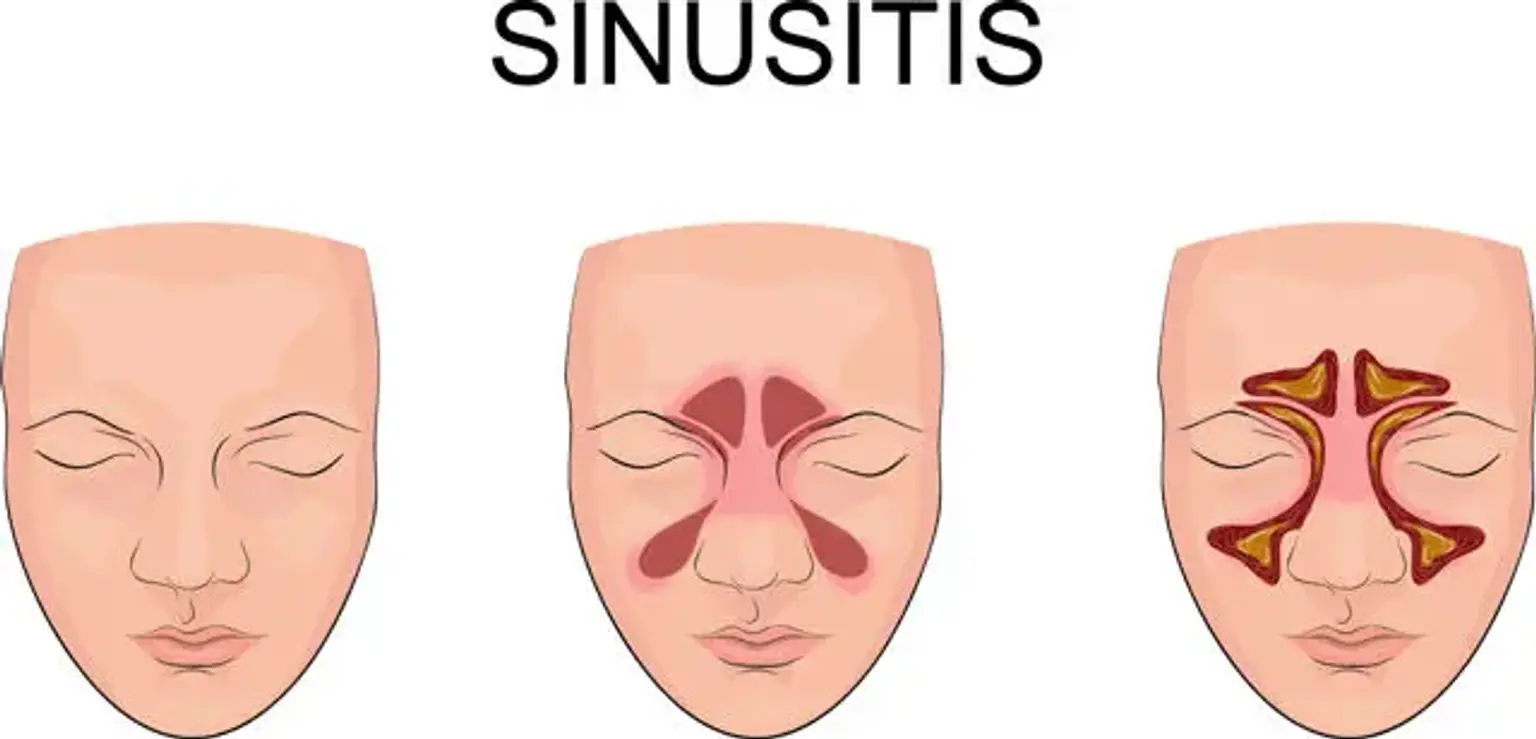
Sinusitis refers to the inflammation or swelling of the tissue lining the sinuses. The sinuses are air-filled cavities located behind the forehead, cheekbones, and eyes. When they become blocked or inflamed, usually due to infection or allergies, mucus cannot drain properly, leading to pain, pressure, and other symptoms.
Acute Sinusitis: This type of sinusitis typically lasts less than four weeks and is most often caused by a viral infection, such as a cold. It can also be caused by bacterial infections.
Chronic Sinusitis: Chronic sinusitis lasts longer than 12 weeks and can be caused by ongoing inflammation, nasal polyps, or a persistent infection. It can also be triggered by environmental factors or allergies.
While both types of sinusitis share common symptoms like nasal congestion and facial pressure, chronic sinusitis can cause long-term discomfort and may require more intensive treatment. Understanding the type and cause of sinusitis is key to determining the right treatment approach.
Sinusitis Symptoms
The symptoms of sinusitis can range from mild to severe, depending on whether the condition is acute or chronic. Common symptoms include:
Nasal Congestion: A blocked or stuffy nose, making it difficult to breathe through the nose.
Facial Pain or Pressure: Pain around the forehead, cheeks, eyes, or nose, often worsened by bending over or lying down.
Headache: Pressure in the sinuses can lead to a dull or throbbing headache.
Coughing: A persistent cough that is often worse at night due to post-nasal drip (mucus dripping down the throat).
Fatigue: Feeling tired or unwell, which can result from the body’s immune response to the infection.
Tinnitus (Ringing in the Ears): Blocked sinuses can affect the Eustachian tubes, leading to a sensation of fullness or ringing in the ears.
Loss of Smell and Taste: Reduced ability to smell or taste, often associated with sinus congestion.
Chronic sinusitis symptoms can be persistent and may interfere with daily activities, requiring more aggressive treatment such as sinus surgery or balloon sinuplasty.
Causes of Sinusitis
The primary cause of sinusitis is the inflammation of the sinuses, which can be triggered by several factors. Understanding the underlying cause is important for effective treatment:
Viral Infections: The most common cause of acute sinusitis is a viral infection, such as the common cold. The virus causes inflammation in the nasal passages, leading to blocked sinuses and mucus buildup.
Bacterial Infections: If symptoms persist beyond 10 days or worsen after initial improvement, a bacterial infection may be responsible. Bacteria can thrive in the blocked sinuses, leading to a more severe infection.
Allergies: Allergies to pollen, dust, mold, or pet dander can cause sinus inflammation, leading to both acute and chronic sinusitis. Allergic rhinitis is a common trigger for sinus problems.
Nasal Polyps: These are growths in the nasal or sinus passages that can block the sinuses and lead to chronic inflammation. They are common in people with long-term sinusitis or allergic conditions.
Deviated Septum: A deviated septum, a condition where the cartilage between the nostrils is misaligned, can obstruct sinus drainage and contribute to sinus infections.
Environmental Factors: Pollution, cigarette smoke, and other irritants can also lead to sinus inflammation and worsen sinusitis symptoms.
Addressing the root cause of sinusitis is crucial for treatment. In some cases, sinus surgery or balloon sinuplasty may be needed to open blocked sinuses, while medications can help manage symptoms and reduce inflammation.
Diagnosis of Sinusitis
Diagnosing sinusitis involves a thorough evaluation of symptoms and may require additional tests to confirm the condition’s cause. Key steps in the diagnostic process include:
Medical History and Symptom Review: The doctor will ask about the patient’s symptoms, such as the duration of nasal congestion, facial pain, and other related issues.
Physical Exam: A doctor may perform a physical exam, including palpating the face and sinuses to check for tenderness and inflammation.
Imaging Tests: A CT scan or X-ray may be used to get a detailed view of the sinuses and check for any obstructions or abnormal fluid buildup.
Nasal Endoscopy: In more complex cases, a nasal endoscopy may be performed to inspect the sinuses directly using a thin tube with a camera.
A proper diagnosis is essential to determine the appropriate treatment approach, whether it be medication, balloon sinuplasty, or surgical intervention.
Acute Sinusitis Treatment
Acute sinusitis often resolves on its own, especially if caused by a viral infection. However, treatment can help alleviate symptoms and speed up recovery. Common treatment options include:
Medications:
Decongestants (oral or nasal sprays) can help relieve nasal congestion.
Pain relievers like ibuprofen or acetaminophen to reduce facial pain or headaches.
Antibiotics may be prescribed if a bacterial infection is suspected, though they are not effective for viral infections.
Home Remedies:
Saline nasal irrigation helps rinse out mucus and allergens.
Steam inhalation and humidifiers can ease congestion and improve sinus drainage.
Rest and Hydration: Drinking fluids and getting plenty of rest helps the body recover and thins mucus for easier drainage.
For more severe or persistent cases of acute sinusitis, your doctor may recommend a sinus surgery or balloon sinuplasty to relieve the blockage and restore normal sinus function.
Chronic Sinusitis Treatment
Chronic sinusitis (lasting over 12 weeks) requires a more comprehensive approach. Treatment focuses on managing ongoing symptoms and addressing any underlying conditions. Key options include:
Long-Term Medications:
Nasal corticosteroids help reduce inflammation and open nasal passages.
Antihistamines to control allergy-related inflammation.
Saline nasal irrigation for daily cleaning of the sinuses and reducing congestion.
Allergy Management: If allergies are contributing to sinusitis, allergy medications and immunotherapy may be recommended.
Surgical Options: In persistent cases, procedures like endoscopic sinus surgery or balloon sinuplasty are often required to remove blockages or polyps and improve sinus drainage.
Chronic sinusitis can significantly impact quality of life, but with the right treatment plan, symptoms can be managed, and flare-ups reduced.
Sinusitis Surgery and Balloon Sinuplasty
In cases where medications and home remedies aren’t effective, sinus surgery may be necessary. The goal of surgery is to remove blockages, improve sinus drainage, and reduce inflammation.
Endoscopic Sinus Surgery: This minimally invasive procedure uses a small camera to guide the surgeon in removing obstructions like polyps, infected tissue, or correcting a deviated septum.
Balloon Sinuplasty: A newer, less invasive procedure, balloon sinuplasty involves inserting a small balloon into the sinuses and inflating it to open up blocked passages. This procedure typically requires no incisions and offers faster recovery times compared to traditional surgery.
While sinus surgery can provide significant relief for chronic sufferers, it is typically reserved for those who haven’t responded to medical management. Both surgical options are highly effective for improving sinus function and preventing further complications.
Sinus Pressure Relief
Relieving sinus pressure is a key part of managing sinusitis, as the inflammation and blockage in the sinuses can create significant discomfort. Here are some effective ways to alleviate sinus pressure:
Decongestants: Over-the-counter decongestants can help reduce nasal swelling and open up the airways, allowing mucus to drain more easily.
Nasal Irrigation: Using a neti pot or saline spray helps flush out mucus and allergens from the nasal passages, providing relief from congestion and pressure.
Steam Inhalation: Inhaling steam from a bowl of hot water or using a humidifier can help loosen mucus, reduce swelling, and provide comfort to the sinuses.
Warm Compress: Applying a warm, damp cloth over the forehead and sinuses can help alleviate pain and pressure, promoting circulation and drainage.
Hydration: Drinking plenty of water helps thin mucus, making it easier to clear out of the sinuses.
Using a combination of these treatments can help manage sinus pressure effectively and prevent further discomfort.
Sinusitis Treatment in Korea
Sinusitis treatment in Korea offers patients access to high-quality medical care, advanced technology, and more affordable options compared to many Western countries. Korea is known for its expertise in both sinusitis diagnosis and treatment, making it a popular destination for those seeking effective relief.
Advanced Treatments: Korean medical centers use state-of-the-art diagnostic tools and treatments like endoscopic sinus surgery and balloon sinuplasty.
Experienced Specialists: The country boasts highly skilled ENT specialists who are experts in treating chronic sinusitis, nasal polyps, and other sinus-related issues.
Cost-Effective: Many patients choose Korea for medical tourism because of the lower treatment costs, which often include comprehensive care options at a fraction of the cost found in the US or Europe.
In Korea, patients can receive personalized care tailored to their specific needs, whether they require medication, surgery, or a combination of treatments.
Restore Volume Procedure for Sinusitis Patients
The Restore Volume procedure is a unique treatment option that has gained attention for its potential benefits in sinusitis care. Though primarily used in cosmetic surgery, the procedure has been adapted to address issues related to sinusitis and its symptoms.
How It Works: The procedure involves using fat grafting or other materials to restore lost volume in the nasal and facial regions. For sinusitis patients, this can help reduce nasal congestion and improve sinus function by correcting structural issues or providing support to weakened tissue.
Benefits: This procedure is particularly helpful for patients who have undergone sinus surgery or have facial volume loss from chronic sinus inflammation. It helps improve appearance and restores function, including clearer airways and better sinus drainage.
Effectiveness: While not a standard treatment for sinusitis, the Restore Volume procedure can help improve the quality of life for patients suffering from long-term sinus issues and related conditions.
Sinusitis Surgery Recovery Tips
After undergoing sinus surgery, recovery is an essential part of ensuring that the treatment is successful and that symptoms are managed effectively. Here are some important recovery tips for patients:
Follow Post-Operative Instructions: Follow your doctor’s advice carefully, including any prescribed medications (antibiotics or pain relievers) and instructions on how to care for the surgical site.
Rest and Avoid Strenuous Activities: It’s important to give your body time to heal. Avoid physical exertion and heavy lifting for the first few weeks after surgery.
Use Nasal Irrigation: Your doctor may recommend saline nasal rinses or neti pot usage to keep your sinuses clear and reduce swelling during recovery.
Stay Hydrated: Drink plenty of fluids to help thin mucus and keep your nasal passages moist, promoting faster healing.
Monitor for Complications: If you experience increased swelling, severe pain, or signs of infection (fever, pus), contact your healthcare provider immediately.
Recovery from sinus surgery typically takes a few weeks, but with proper care, most patients experience significant relief from sinusitis symptoms, allowing them to breathe more easily and return to normal activities.
Sinusitis Treatment Options in Korea
Korea is becoming a popular destination for patients seeking sinusitis treatment due to its advanced medical technologies, high standards of care, and cost-effective options. Whether you’re dealing with acute sinusitis or chronic sinusitis, there are numerous treatment options available in Korea.
Advanced Procedures: Korea is known for offering cutting-edge procedures like endoscopic sinus surgery and balloon sinuplasty. These minimally invasive procedures aim to open blocked sinuses, improve drainage, and reduce the need for prolonged medication.
Comprehensive Care: Korean hospitals specialize in sinusitis management, offering personalized care plans for each patient. From diagnostic testing to surgery and post-treatment care, Korea provides complete services for sinusitis patients.
Affordable Treatment: Compared to Western countries, sinusitis treatment in Korea is significantly more affordable, making it an ideal choice for medical tourists. Many hospitals offer packages that include consultation, treatment, and follow-up care at competitive prices.
For patients seeking the latest treatments for sinusitis with high-quality care, Korea offers a compelling option for those traveling internationally for medical treatment.
Best Sinusitis Specialists in Korea
When seeking sinusitis treatment in Korea, finding the right specialist is key to achieving the best results. Here’s how to choose the best sinusitis specialists:
Experience and Expertise: Look for ENT specialists (ear, nose, and throat doctors) with experience specifically in sinusitis treatment. Specialists with experience in endoscopic sinus surgery, balloon sinuplasty, and sinus infections will be better equipped to address your needs.
Reputation and Reviews: Research the credentials of the doctor and their hospital. Online reviews, testimonials from previous patients, and recommendations from other healthcare professionals can provide valuable insights into the quality of care.
Innovative Treatments: Leading sinusitis specialists in Korea often use the latest techniques and technologies, such as robotic-assisted surgery or the Restore Volume procedure, which can be helpful for patients dealing with chronic sinusitis or sinus-related hearing loss.
Choosing the right sinusitis specialist in Korea ensures that patients receive personalized treatment for optimal outcomes, improving both their quality of life and their sinus health.
Sinusitis Recovery Tips
Recovery from sinusitis treatment, particularly after sinus surgery, is crucial to ensuring the best possible results. Here are some tips to help speed up your recovery and reduce the risk of complications:
Follow Post-Surgery Instructions: If you’ve had surgery, make sure to follow your doctor’s instructions carefully, including taking prescribed medications, using saline sprays, and avoiding activities that could strain your sinuses.
Rest and Hydration: Getting plenty of rest and drinking fluids will help your body heal more effectively. Staying hydrated thins mucus, making it easier for your sinuses to drain.
Nasal Irrigation: Continue nasal irrigation using a saline solution or neti pot to keep your sinuses clear. This will help prevent infections and reduce congestion during recovery.
Avoid Smoking and Irritants: Avoid smoking, second-hand smoke, and environmental irritants that can aggravate your sinuses. These can slow recovery and lead to further complications.
Follow-Up Appointments: Schedule regular check-ups with your doctor to monitor progress and make adjustments to your treatment plan if needed. This helps ensure the long-term success of your sinus treatment.
By adhering to these recovery tips, you can reduce recovery time and ensure lasting relief from sinusitis symptoms.
Cost of Sinusitis Treatment in Korea
The cost of sinusitis treatment in Korea is often more affordable than in many Western countries, making it an attractive option for medical tourism. Here’s a breakdown of the costs:
Consultation and Diagnosis: Initial consultations, including diagnostic tests like CT scans or nasal endoscopy, typically cost between $100 and $300 USD, depending on the clinic.
Surgical Procedures: More advanced treatments like endoscopic sinus surgery or balloon sinuplasty can range from $2,000 to $5,000 USD, depending on the complexity of the procedure and whether it’s a single or multiple treatment session.
Recovery and Follow-Up Care: Follow-up appointments and any necessary post-treatment care typically add a few hundred dollars to the overall cost. However, these services are often bundled into treatment packages at a lower overall cost than in other countries.
When considering sinusitis treatment in Korea, patients can expect to receive world-class care at a fraction of the price they would pay in countries like the United States or Europe. The cost-effectiveness of treatment, combined with advanced technology and skilled specialists, makes Korea an appealing choice for individuals seeking sinus relief.
How Effective Is the Restore Volume Procedure for Sinusitis?
The Restore Volume procedure is an innovative treatment that may benefit sinusitis patients, particularly those with nasal congestion or hearing loss. Typically used in cosmetic surgery, the procedure can help restore lost volume in the nasal and sinus regions, improving both appearance and function.
Benefits: It helps improve nasal airflow, reduces congestion, and may enhance the hearing of patients suffering from sinus-related hearing loss.
Effectiveness: The procedure uses fat grafting or other materials to address volume loss and provide long-term relief. It's especially useful for patients who have undergone previous sinus surgeries and want to improve both functionality and aesthetics.
While not a traditional treatment for sinusitis, the Restore Volume procedure offers a potential solution for patients with chronic or post-surgical complications.
Sinusitis Treatment and Recovery Timeline
The timeline for sinusitis treatment and recovery depends on the severity of the condition and the treatment used.
Acute Sinusitis: For viral cases, recovery can take a few days to a week with medications and home remedies. Bacterial infections may require antibiotics, and recovery may take up to 10-14 days.
Chronic Sinusitis: If sinus surgery is needed, such as balloon sinuplasty or endoscopic sinus surgery, recovery generally takes 1-2 weeks. Full recovery, including improvement in symptoms, may take a few months, especially for procedures involving nasal polyps or structural issues.
Ongoing care and nasal irrigation help speed recovery and prevent relapse, especially for chronic cases.
Benefits of Sinusitis Treatment in Korea
Sinusitis treatment in Korea offers many advantages, including:
Advanced Medical Technology: Korean hospitals use cutting-edge diagnostic tools and procedures like balloon sinuplasty and endoscopic sinus surgery.
Expert Care: Korea is home to specialists with extensive experience in treating sinusitis, ensuring high success rates and tailored treatment plans.
Affordability: Compared to Western countries, sinusitis treatments in Korea are more affordable, making it a popular destination for medical tourism.
Patients seeking the best in sinus care can benefit from Korea's combination of high-quality treatments and cost-effective solutions.
Frequently Asked Questions About Sinusitis Care
What are the best treatments for sinusitis?
Medications, nasal irrigation, surgery, and balloon sinuplasty are common treatments for sinusitis, depending on severity.
How do I manage chronic sinusitis symptoms effectively?
Long-term medications, lifestyle changes, and surgical treatments like endoscopic sinus surgery can help manage chronic symptoms.
How long does recovery take after sinus surgery?
Recovery from sinus surgery usually takes 1-2 weeks for initial healing, but full recovery may take a few months, depending on the procedure.
Can the Restore Volume procedure help with sinusitis-related issues?
Yes, the Restore Volume procedure can help improve nasal congestion and even hearing loss related to sinus problems, especially after surgery.
Are sinus treatments covered by insurance?
Coverage varies by insurance plan, but many insurance providers cover medications and surgical procedures related to sinusitis.
Conclusion
Sinusitis can be a challenging condition, but with the right treatment approach, symptoms can be effectively managed, and quality of life can be restored. Whether dealing with acute sinusitis or chronic sinusitis, treatment options range from medications and home remedies to more advanced solutions like endoscopic sinus surgery, balloon sinuplasty, and the innovative Restore Volume procedure.
Sinusitis treatment in Korea offers patients access to world-class medical care at more affordable prices, with specialized treatments tailored to individual needs. From surgical options to post-treatment care, Korea provides comprehensive solutions that effectively address both functional and cosmetic concerns.
By understanding the causes, symptoms, and available treatments for sinusitis, patients can make informed decisions and find the best path to recovery. Whether through medications, surgery, or regenerative treatments, timely care and expert guidance can provide significant relief, helping you breathe easier and live more comfortably.