Introduction
Dermatosurgery, or skin surgery, encompasses a variety of procedures aimed at diagnosing, treating, and improving conditions related to the skin. It plays a crucial role in removing skin cancers, repairing skin damage, and enhancing aesthetic appearance. From removing tumors to rejuvenating the skin, dermatosurgery benefits patients worldwide.
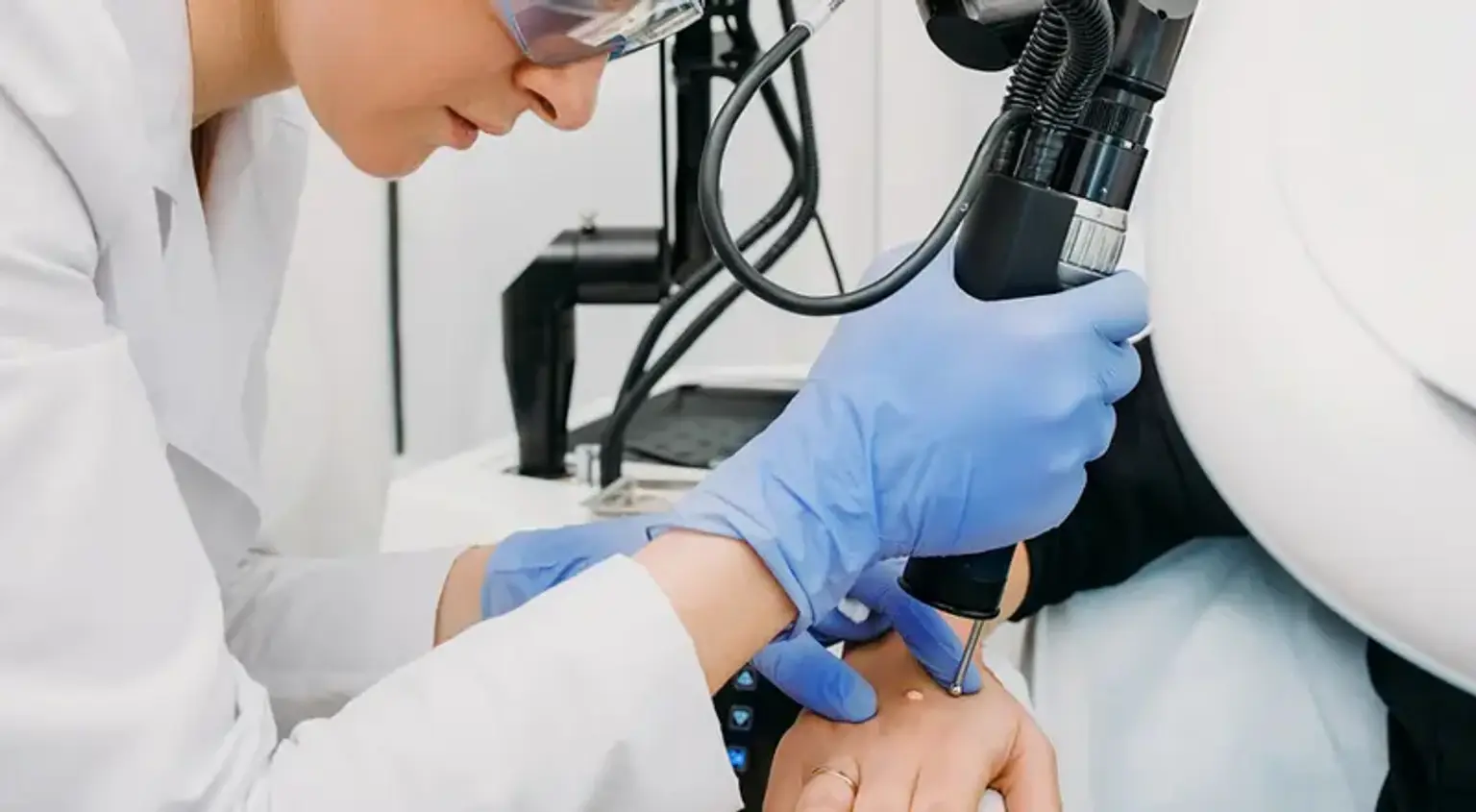
In addition to treating medical issues like skin cancer and scars, it includes cosmetic surgeries to enhance beauty and self-esteem. With the advancements in technology, many of these procedures are minimally invasive, offering quicker recovery times and effective results.
Understanding the Different Types of Skin Surgery
Dermatosurgery includes a range of treatments, each designed to address specific skin issues:
Mohs Surgery: A precise technique used to remove skin cancers, particularly basal cell carcinoma and squamous cell carcinoma. Mohs surgery removes cancerous cells layer by layer, ensuring healthy tissue is preserved.
Scar Revision Surgery: This procedure improves the appearance of scars, often from surgery, injury, or acne. Techniques include excision, laser therapy, and tissue expansion.
Skin Grafting & Flap Surgeries: These procedures involve transplanting skin from one part of the body to another. Skin grafting is commonly used to treat large wounds or burns, while skin flaps are used for more complex reconstructions.
Each of these procedures has a unique approach and purpose, tailored to the patient's needs and medical conditions.
The Role of Dermatologic Surgery in Treating Skin Cancer
Skin cancer, especially basal cell carcinoma (BCC) and squamous cell carcinoma (SCC), is the most common type of cancer worldwide. Dermatosurgery plays a vital role in its treatment.
Mohs Surgery is the gold standard for removing these cancers, offering high cure rates while preserving healthy tissue. The procedure involves removing thin layers of cancerous tissue and examining them under a microscope until all the cancer is gone.
Post-surgery, patients typically experience minimal scarring, especially when the tumor is in an aesthetically sensitive area like the face.
Early detection and treatment are critical for successful outcomes. Dermatosurgery can offer not only life-saving treatment but also improve the patient’s appearance by ensuring minimal scarring.
Cosmetic and Aesthetic Skin Surgery
Beyond medical treatment, dermatosurgery also encompasses cosmetic procedures aimed at enhancing the skin’s appearance. Many people seek out skin surgeries to address aesthetic concerns like moles, age spots, wrinkles, and scars.
Laser Skin Resurfacing: A non-invasive procedure that uses lasers to improve skin texture, reduce wrinkles, and treat sun damage. It’s often used for rejuvenating facial skin.
Mole Removal: Moles that are unsightly or potentially harmful (e.g., changing moles) are removed using surgical or laser methods. This procedure is quick and helps in enhancing one's physical appearance while ensuring safety.
Non-Surgical Cosmetic Treatments: Techniques like Botox injections or fillers are often combined with skin surgery for comprehensive facial rejuvenation.
These procedures not only improve the aesthetic appearance but also boost a person’s confidence. For many, the decision to undergo skin surgery is about enhancing both physical appearance and mental well-being.
Minimally Invasive Skin Surgery
Minimally invasive skin surgery has revolutionized dermatology by offering patients effective treatments with less pain, shorter recovery times, and minimal scarring. These procedures are designed to treat skin conditions without the need for large incisions or complex surgeries.
Laser Treatments: Commonly used for skin resurfacing, acne scars, and age spots, laser treatments require no stitches and involve very little downtime. The laser targets damaged skin layers, promoting healing and collagen production.
Microdermabrasion: A non-invasive exfoliation technique that removes dead skin cells, improving skin tone and texture.
Injectable Treatments: Botox and dermal fillers can address wrinkles, volume loss, and sagging skin with minimal discomfort and recovery. They are often combined with other cosmetic procedures for enhanced results.
Minimally invasive techniques allow for faster healing and are ideal for patients seeking to avoid long recovery periods while achieving beautiful results.
Understanding the Skin Surgery Process: Step-by-Step
The process of skin surgery varies depending on the procedure, but here’s a general overview:
Pre-Surgery Consultation: During your first visit, your surgeon will assess your skin condition, review medical history, and discuss your goals. This step is crucial in determining which procedure is most appropriate.
Preparation: Before surgery, your skin will be cleaned, and anesthesia (local or general) will be administered. For larger procedures, you might need to stay in the clinic or hospital for a few hours or longer.
Surgical Procedure: The surgeon will perform the procedure, whether it’s removing a skin lesion, excising a tumor, or conducting a cosmetic enhancement. Techniques will vary, such as excision for mole removal or laser surgery for resurfacing.
Post-Surgery Care: Once the procedure is complete, the area will be bandaged, and instructions for post-surgical care will be provided. This may include medication for pain management, as well as recommendations for wound care to avoid infection and promote healing.
By following the right steps, skin surgery can be an efficient and relatively low-risk way to address various skin concerns.
Risks and Complications of Dermatosurgery
As with any surgical procedure, dermatosurgery comes with potential risks. However, the likelihood of complications is minimized with proper care and skilled surgeons. Some common risks include:
Infection: This is always a risk with any surgery. Proper wound care and following post-surgery instructions reduce this chance significantly.
Scarring: While skin surgery is often aimed at improving appearance, scarring can still occur. The extent of scarring depends on the type of procedure and the patient’s healing process. For instance, Mohs surgery often leaves minimal scars because it’s done layer by layer.
Skin Changes: In some cases, the skin around the surgical site may become discolored or overly sensitive, but these effects generally improve over time.
Anesthesia Risks: Depending on the procedure, you may receive local or general anesthesia. Though rare, reactions to anesthesia can occur.
Choosing a skilled, board-certified dermatologist or surgeon greatly reduces the risk of complications and ensures that the procedure goes smoothly.
The Recovery Timeline After Skin Surgery
Recovery from skin surgery can vary based on the complexity of the procedure and the individual’s overall health. Here’s a general recovery timeline for common skin surgeries:
Immediate Aftercare: After the surgery, patients may experience minor swelling, redness, or tenderness at the site. This typically subsides within a few days.
First Week: For most minor procedures, you can return to daily activities within a few days, but it's important to avoid strenuous activity. Follow-up appointments may be scheduled to check healing progress and remove any stitches if necessary.
Two to Four Weeks: As the area heals, any discomfort or swelling will subside. Scarring might still be visible, but it will gradually improve over the next several months. Most people can resume normal activities at this point, though some procedures require longer healing.
Long-Term Healing: Depending on the procedure, scars may continue to mature and fade over the next several months. Your doctor will provide advice on how to care for the area during this time, such as using scar creams or protecting the skin from the sun.
Following the aftercare instructions carefully is essential for achieving the best results and minimizing scarring.
Post-operative Care: Ensuring Proper Healing
After undergoing dermatosurgery, following post-operative care instructions is essential for ensuring optimal healing and reducing the risk of complications. Proper wound care can also minimize scarring and speed up recovery. Here's what you can expect:
Wound Care: Keep the surgical area clean and dry. Your doctor will provide specific instructions on how to clean the wound, change bandages, and use any prescribed topical ointments to prevent infection.
Pain Management: Mild pain or discomfort is common in the days following surgery. Over-the-counter pain relievers, like ibuprofen, can help manage this, but stronger medications may be prescribed for more invasive surgeries.
Avoid Sun Exposure: After skin surgery, it’s crucial to avoid direct sunlight, especially during the initial healing phase. UV rays can darken scars and interfere with the healing process.
Follow-up Appointments: Keep all scheduled follow-up appointments to ensure the surgical site is healing properly and to address any concerns. Your doctor may remove stitches, monitor for infection, and assess the aesthetic results.
By diligently following post-surgery instructions, patients can significantly improve their healing time and results.
The Role of Skin Surgery in Treating Skin Lesions and Tumors
Skin lesions and tumors are common issues that dermatosurgery addresses. These can range from benign moles to malignant growths like melanoma. Here’s how skin surgery can help:
Diagnosis: A dermatologist will first assess the lesion’s size, shape, and any changes in color or texture. In some cases, a biopsy may be performed to determine whether the growth is cancerous.
Treatment: For benign lesions such as moles, simple excision or laser treatments can remove them with minimal risk. However, malignant tumors, including basal cell carcinoma, squamous cell carcinoma, and melanoma, require more extensive surgical intervention.
Skin Tumor Excision: For malignant tumors, dermatosurgery often involves excising the tumor with a surrounding margin of healthy tissue to ensure complete removal. Mohs surgery is commonly used for these cases, providing precision and high success rates.
Removing skin tumors not only helps prevent the spread of cancer but also improves the appearance of the skin by removing unsightly growths.
Scar Revision Surgery: Improving Skin Appearance
Scar revision surgery is a key aspect of dermatosurgery, aimed at improving the appearance of scars left from previous injuries, surgeries, or acne. Though it doesn't completely erase scars, it can significantly improve their appearance.
Techniques for Scar Revision:
Surgical Excision: If the scar is wide or raised, it may be excised and the skin closed with fine sutures to minimize the appearance.
Laser Therapy: For flat scars, lasers can break down scar tissue and stimulate collagen production, smoothing the skin.
Tissue Expansion: This technique involves stretching the skin around a scar to make room for new tissue, improving the aesthetic outcome.
When Scar Revision is Needed: Scar revision may be recommended for scars that cause functional issues (like joint movement limitations), scars in highly visible areas, or scars that cause emotional distress due to their appearance.
Success Rates: Scar revision surgery has a high success rate, with most patients seeing significant improvements. The timing of the procedure and the surgeon's expertise are key factors in achieving the best results.
Scar revision can help patients regain confidence and improve both the appearance and function of the affected area.
The Science Behind Laser Skin Surgery
Laser skin surgery has become an essential tool in dermatosurgery, offering a minimally invasive option for treating various skin concerns, from wrinkles to acne scars. Here's how it works and why it’s effective:
How Laser Surgery Works: Lasers use concentrated light energy to target specific skin layers. The energy either vaporizes damaged skin cells or stimulates collagen production in deeper layers, helping the skin heal and regenerate.
Types of Lasers:
CO2 Lasers: Used for resurfacing and treating deeper skin issues like scars and wrinkles. CO2 lasers vaporize the outer layers of skin, promoting the growth of new, healthier skin.
Erbium Lasers: These are less aggressive than CO2 lasers, making them ideal for treating fine lines, surface wrinkles, and superficial pigmentation issues.
Common Treatments:
Wrinkle Reduction: By stimulating collagen production, laser treatments can smooth fine lines and wrinkles, especially around the eyes and mouth.
Skin Resurfacing: Laser resurfacing removes damaged skin layers to reveal smoother, more even skin. It's especially effective for acne scars, sun damage, and uneven pigmentation.
Tattoo Removal: Certain lasers can target ink particles in the skin, breaking them down and allowing the body to naturally eliminate them.
Laser skin surgery is precise, effective, and requires minimal recovery time, making it a popular choice for patients seeking skin rejuvenation.
The Role of Skin Surgery in Anti-Aging Treatments
As people age, skin loses elasticity, leading to wrinkles, sagging, and other signs of aging. Dermatosurgery offers several solutions for reversing these effects and restoring youthful skin.
Facelift Surgery: A common procedure for reducing sagging skin around the face and neck. This surgery tightens and lifts the skin for a more youthful appearance.
Botox & Dermal Fillers: Non-surgical options like Botox and fillers help to smooth wrinkles and restore volume to the face. These treatments are often combined with other surgical procedures for enhanced results.
Laser Resurfacing: Lasers are used to remove damaged skin layers and stimulate collagen production, reducing fine lines, age spots, and skin discoloration.
Anti-aging treatments through dermatosurgery offer patients a chance to enhance their appearance and boost self-confidence, without the need for invasive, long recovery procedures.
Choosing the Right Surgeon for Skin Surgery
Selecting a qualified surgeon is crucial to the success of your dermatosurgery. The right practitioner will ensure the procedure is done safely and that you get the best possible results.
Credentials & Experience: Look for a board-certified dermatologist or plastic surgeon with experience in dermatosurgery. Their specialization ensures they’re skilled in the latest techniques.
Consultations & Reviews: Schedule consultations to discuss your goals and ask about the surgeon’s past results. Reviews from previous patients can give you insights into their work and approach.
Personal Comfort: Trust and comfort with your surgeon are essential. Ensure that they listen to your concerns and explain the process clearly.
The right surgeon can make a significant difference in both the safety and the outcome of your skin surgery.
Global Popularity of Dermatosurgery
Dermatosurgery is growing in popularity worldwide, driven by advancements in technology and increased awareness about skin health. Patients are seeking these treatments not only for medical reasons, such as skin cancer or scarring, but also for cosmetic improvements.
Rise in Aesthetic Demand: Many people, especially in developed countries, are opting for skin surgery to combat the signs of aging or improve their skin’s appearance.
Global Trends: Countries like the United States, South Korea, and Brazil are leaders in dermatosurgery, with millions of people undergoing skin procedures annually. These regions have robust medical tourism, with patients traveling globally for high-quality treatments at affordable rates.
Access to Cutting-Edge Technology: With innovations like robotic surgery and non-invasive lasers, dermatosurgery has become more accessible, efficient, and affordable, contributing to its widespread popularity.
As the global appeal continues to grow, dermatosurgery is becoming a go-to solution for both medical and aesthetic skin concerns.
Costs and Insurance Coverage for Skin Surgery
The cost of dermatosurgery can vary widely depending on the procedure, location, and surgeon’s expertise. Here’s an overview of the factors influencing cost:
Procedure Type: Simple procedures like mole removal are less expensive, while more complex surgeries, such as skin cancer treatments or facelifts, can be significantly more costly.
Location: Costs differ depending on the country or city. Procedures in major medical hubs may be more expensive due to the expertise of surgeons and advanced technology.
Insurance Coverage: Medical insurance often covers dermatosurgery for skin cancer or medically necessary procedures, but aesthetic procedures may not be covered. It's important to check with your insurance provider beforehand.
Understanding the cost factors and exploring your insurance options can help you plan for the financial aspects of dermatosurgery.
Innovations in Dermatosurgery: The Future of Skin Care
Dermatosurgery continues to evolve, with innovative technologies enhancing treatment options, safety, and patient outcomes. The future of skin surgery looks promising, with ongoing advancements:
Robotic Surgery: Robotic systems are being integrated into dermatosurgery, allowing for more precise and less invasive procedures. Robots can assist surgeons with intricate tasks, reducing human error and speeding up recovery times.
3D Imaging: Surgeons now use 3D imaging for more accurate planning, especially for reconstructive surgeries. These technologies create a virtual model of the skin, helping doctors understand the best way to remove lesions or tumors.
Regenerative Medicine: Stem cell therapy and platelet-rich plasma (PRP) are emerging treatments that promote faster healing and skin regeneration. These are particularly useful for scar treatments and post-surgery recovery.
With these new technologies, dermatosurgery is becoming even more advanced, improving patient results and minimizing risks.
Skin Cancer and Dermatosurgery: Early Detection Saves Lives
Skin cancer is one of the most common forms of cancer worldwide, and dermatosurgery plays a vital role in its treatment. Early detection is crucial for successful outcomes.
Common Types of Skin Cancer: The most common forms are basal cell carcinoma, squamous cell carcinoma, and melanoma. Each type requires different treatment approaches, but surgery is often the primary method for removing tumors.
Mohs Surgery: This advanced technique is often used for skin cancer removal, particularly on the face or areas with complex structures. Mohs surgery removes skin cancer layer by layer, ensuring minimal removal of healthy tissue.
Early Detection: Regular skin checks by a dermatologist and self-examinations can catch skin cancer in its early stages, making surgical treatment more effective and less invasive.
By staying vigilant and seeking prompt treatment, patients can significantly improve their chances of a full recovery.
Addressing Common Myths About Skin Surgery
Many misconceptions surround skin surgery, often causing unnecessary fear or hesitation in potential patients. Let’s debunk some common myths:
Myth 1: Skin Surgery is Extremely Painful
Fact: With local anesthesia and advanced pain management techniques, most skin surgeries are minimally painful. Mild discomfort may occur post-surgery but can be managed with over-the-counter pain relievers.Myth 2: Skin Surgery Results in Large, Noticeable Scars
Fact: Most modern skin surgeries, especially with techniques like Mohs surgery or laser therapy, result in minimal scarring. A skilled surgeon will place incisions in discreet locations to reduce visibility.Myth 3: Only Older People Need Skin Surgery
Fact: Skin surgery isn’t just for aging skin; it’s essential for removing moles, treating acne scars, and even addressing skin cancer in younger individuals.Myth 4: Skin Surgery Is Always Expensive
Fact: While costs vary, many skin surgeries, especially those for medical purposes (e.g., skin cancer removal), may be covered by insurance. Non-surgical options like Botox are often affordable as well.
Clearing up these misconceptions can help individuals make informed decisions about seeking treatment.
Conclusion
Dermatosurgery plays a pivotal role in both medical and aesthetic treatments, helping individuals address a wide range of skin concerns—from skin cancer and scars to cosmetic rejuvenation. With its ability to enhance both the health and appearance of the skin, dermatosurgery offers patients significant physical and emotional benefits. Whether it's through the removal of skin lesions, the treatment of aging signs, or the revision of scars, these procedures can help individuals regain confidence and improve their quality of life.
With continuous advancements in technology, such as laser treatments, robotic surgery, and regenerative medicine, dermatosurgery is becoming more precise, less invasive, and increasingly accessible. As a result, the demand for these treatments is growing globally, and the field continues to evolve with innovative solutions that enhance outcomes and minimize risks.