Introduction
Spondylopathy refers to a group of conditions affecting the spine, often causing pain, stiffness, and decreased mobility. It can occur due to the degeneration of the spine’s components, such as the discs, vertebrae, and joints. This condition primarily affects older adults but can also impact younger individuals due to factors like poor posture, injury, or genetic predisposition.
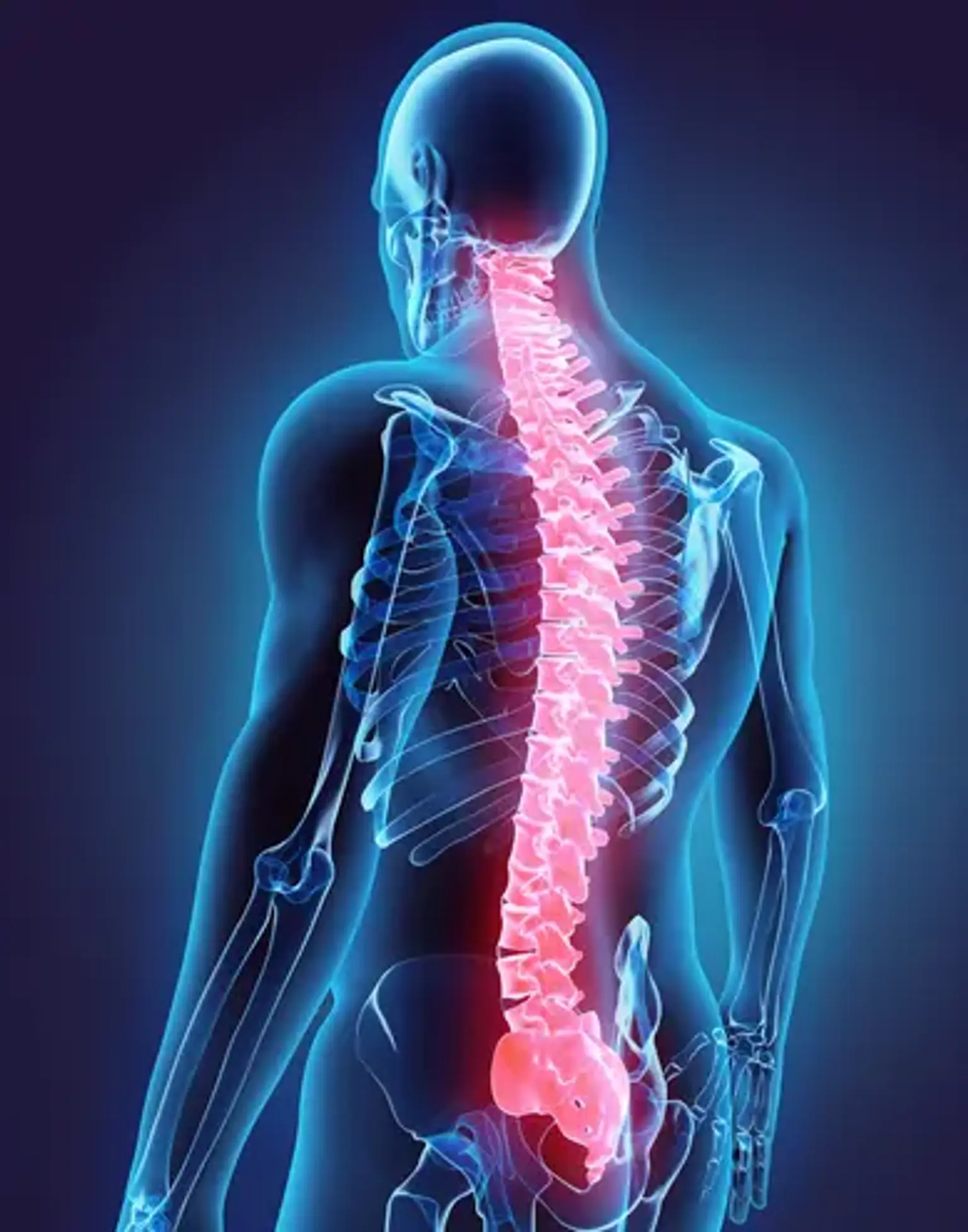
The most common types of spondylopathy are cervical spondylopathy (affecting the neck) and lumbar spondylopathy (affecting the lower back). These disorders are often linked to spinal degeneration, a natural part of aging. Globally, spinal disorders are among the leading causes of disability, with many individuals experiencing chronic back or neck pain.
Spinal health is crucial for overall well-being, as it directly impacts movement, posture, and daily function. Understanding the causes, symptoms, and treatment options for spondylopathy can help individuals take preventive steps or seek timely interventions to improve their quality of life.
The Symptoms of Spinal Disorders
The symptoms of spondylopathy can vary depending on the location and severity of the condition. The most common symptoms include:
Neck or back pain: Often described as a dull ache or sharp pain, especially during movement or after long periods of sitting.
Stiffness: Difficulty in moving the neck or back, especially in the morning or after periods of inactivity.
Radiating pain: Pain may radiate down the arms (in cervical spondylosis) or legs (in lumbar spondylosis), due to nerve compression.
Numbness or tingling: A feeling of pins and needles, usually in the arms or legs, indicating nerve involvement.
Weakness: In more severe cases, nerve compression can lead to muscle weakness.
Differentiating between spondylopathy and other conditions (like herniated discs or osteoarthritis) can be challenging. Therefore, anyone experiencing chronic or worsening pain should seek professional evaluation.
Diagnosis of Spinal Disorders
Diagnosing spondylopathy typically begins with a physical exam and a review of medical history. The doctor will assess the patient’s range of motion, muscle strength, and reflexes. If spondylopathy is suspected, imaging tests like X-rays, CT scans, and MRIs are often used to confirm the diagnosis and evaluate the extent of degeneration.
X-rays can show the alignment of the spine and the condition of the bones.
MRI scans offer detailed images of the soft tissues, including the discs, spinal cord, and nerves, helping to identify issues like nerve compression or disc herniation.
CT scans provide more detailed cross-sectional images and are often used when more clarity is needed.
Accurate diagnosis is crucial for determining the most appropriate treatment plan. It helps distinguish spondylopathy from other potential conditions and guides clinicians in recommending conservative or surgical interventions.
Non-Surgical Treatments for Spinal Disorders
For many individuals with spondylopathy, non-surgical treatments can effectively manage symptoms and improve quality of life. Physical therapy is often the first line of treatment. Targeted exercises can strengthen the muscles around the spine, improve flexibility, and relieve pressure on the affected areas.
Chiropractic care is another popular option. Chiropractors use spinal adjustments to help realign the vertebrae and reduce pain, stiffness, and discomfort. Medications, such as NSAIDs (Nonsteroidal Anti-Inflammatory Drugs), can help reduce pain and inflammation.
In more severe cases, spinal injections, such as epidural steroid injections, may be recommended to provide pain relief and reduce inflammation without the need for surgery. These non-invasive treatments are often effective, allowing patients to manage their condition conservatively.
Physical Therapy for Spinal Disorders
Physical therapy plays a crucial role in managing spondylopathy. A physical therapist will assess a patient's condition and develop a customized exercise plan aimed at improving posture, strengthening muscles, and increasing mobility.
Common physical therapy techniques include:
Strengthening exercises: Targeting the muscles that support the spine.
Stretching: To improve flexibility and reduce stiffness.
Posture correction: To prevent further strain on the spine.
Manual therapy: Hands-on techniques to relieve muscle tightness.
Physical therapy can significantly reduce pain and prevent the condition from worsening, especially if started early. A consistent therapy plan, combined with lifestyle adjustments, can lead to long-term relief for many patients.
Understanding Spinal Degeneration and Spondylosis
Spondylosis is a term often used interchangeably with spondylopathy. It refers to age-related degenerative changes in the spine. As we age, the discs in the spine lose hydration, elasticity, and cushioning, leading to disc degeneration. This degeneration can result in pain, reduced mobility, and, in some cases, nerve compression. Cervical spondylosis affects the neck region, while lumbar spondylosis affects the lower back.
Various factors contribute to spinal degeneration, including genetics, repetitive stress, poor posture, and sedentary lifestyles. Over time, these factors can cause the vertebrae to wear down, and spinal misalignment may occur. If left untreated, this can lead to more serious complications, such as spinal stenosis or nerve compression, which may require more invasive treatments.
Maintaining spinal health involves not only addressing the symptoms of spondylosis but also understanding the root causes, such as poor posture, heavy lifting, and physical inactivity. Early intervention and lifestyle changes can help slow down the progression of spinal degeneration.
Pain Management Options
Managing pain is a priority for those dealing with spondylopathy. In addition to medications like NSAIDs (ibuprofen or aspirin), muscle relaxants can be prescribed to relieve muscle spasms. For chronic pain, doctors may recommend opioids for short-term use, but they should be closely monitored due to the risk of dependence.
For more targeted pain relief, spinal injections such as epidural steroid injections or facet joint injections are often used. These injections deliver medication directly to the affected area, reducing inflammation and relieving pain. In cases where nerve compression is significant, nerve blocks or radiofrequency ablation can be effective options.
Pain management techniques are often combined with physical therapy and lifestyle changes to help patients manage symptoms without resorting to surgery.
Surgical Treatments for Spondylopathy
When non-surgical treatments fail to provide relief, surgery may be necessary for severe cases of spondylopathy. Spinal fusion is one of the most common procedures, where two or more vertebrae are permanently joined to stabilize the spine and reduce pain. This surgery is often recommended for patients with significant disc degeneration or spinal instability.
Other surgical options include discectomy, which involves removing a damaged disc, and laminectomy, where part of the vertebra is removed to relieve pressure on the spinal cord or nerves. Recovery from spinal surgery varies, but many patients experience significant pain relief and improved function post-operation.
Surgery is typically considered when other treatments have not provided lasting results, or if there is a risk of permanent nerve damage.
Chiropractic Care for Spinal Alignment
Chiropractic care is a non-invasive treatment that focuses on spinal alignment. Chiropractors use spinal adjustments to realign vertebrae, which can relieve pressure on nerves, reduce pain, and improve mobility. This method is particularly beneficial for those with vertebral misalignment and can complement other treatments like physical therapy.
While chiropractic care is generally safe, it’s important to ensure that the chiropractor is licensed and experienced in treating spinal disorders. It’s also crucial to discuss with a healthcare provider before beginning chiropractic treatment to ensure it’s appropriate for your specific condition.
Spinal Decompression Therapy
Spinal decompression therapy is a non-surgical treatment designed to relieve pressure on the spine's discs and nerves. The process involves gentle stretching of the spine, which helps create more space between the vertebrae, reducing nerve compression and alleviating pain.
This therapy is most effective for conditions like herniated discs, degenerative disc disease, and sciatica. It’s a popular alternative to more invasive treatments and can often provide relief without the need for surgery.
Candidates for spinal decompression include those with chronic back pain or leg pain caused by nerve compression. It’s typically performed in a series of sessions under the supervision of a trained specialist.
Spondylopathy and Spinal Stenosis
Spinal stenosis is a narrowing of the spinal canal, often caused by spondylopathy. It leads to compression of the spinal cord and nerves, causing symptoms like pain, numbness, weakness, and difficulty walking.
In cases where spondylopathy leads to spinal stenosis, treatment options include both non-surgical and surgical approaches. Non-invasive treatments such as physical therapy and pain management can help alleviate symptoms. However, if stenosis causes significant nerve compression or impairment of movement, surgery may be required to relieve pressure on the spinal cord or nerves.
Surgical options for spinal stenosis include laminectomy, which removes the part of the vertebrae causing the compression, or spinal fusion to stabilize the spine.
Minimally Invasive Treatments for Spinal Disorders
Minimally invasive treatments are gaining popularity for managing spondylopathy and other spinal disorders. These techniques involve smaller incisions, less muscle disruption, and faster recovery times compared to traditional surgeries. Common minimally invasive options include:
Percutaneous discectomy: A procedure where a small tool is used to remove parts of a herniated disc.
Laser spine surgery: Using lasers to remove disc material and relieve pressure on the nerves.
Endoscopic discectomy: A minimally invasive surgery to remove damaged disc material via a small camera.
These treatments offer many benefits, including reduced hospital stays, shorter recovery periods, and less post-operative pain. However, they may not be suitable for all patients, particularly those with more complex spinal conditions.
Lifestyle Changes and Preventive Measures
Preventing the progression of spondylopathy often involves adopting healthy lifestyle habits. Regular exercise is essential for maintaining a strong, flexible spine. Activities like swimming, walking, and yoga can strengthen the muscles that support the spine, improve posture, and reduce strain. It’s also important to avoid activities that place excessive pressure on the back, such as heavy lifting or poor posture during sitting.
Maintaining a healthy weight is another key preventive measure. Excess body weight can strain the spine and increase the risk of degeneration. Proper nutrition, including foods rich in calcium and vitamin D, can also promote bone health.
Incorporating ergonomic practices at work and home, such as using a supportive chair and avoiding prolonged sitting, can help reduce the risk of developing or worsening spondylopathy.
The Role of Nutrition in Spinal Health
A balanced diet plays a vital role in supporting spinal health. Calcium and vitamin D are essential for maintaining strong bones, which is crucial in preventing conditions like spondylopathy. Omega-3 fatty acids can help reduce inflammation, which is often a problem in spinal disorders.
Anti-inflammatory foods, such as leafy greens, berries, nuts, and fish like salmon, can assist in managing symptoms and preventing further degeneration. Additionally, keeping a healthy weight reduces stress on the spine and supports overall health.
While supplements can help, a nutrient-rich diet is the best way to support spinal health. Consulting with a nutritionist or healthcare provider can help tailor dietary choices to an individual’s specific needs.
Global Trends in Spinal Disorder Management
The management of spondylopathy and other spinal disorders is evolving rapidly across the globe, with significant advancements in both non-surgical and surgical treatments. Countries with highly developed healthcare systems are increasingly adopting minimally invasive techniques, which provide faster recovery times and reduced risks compared to traditional surgeries. These technologies are also becoming more accessible in emerging economies, as healthcare innovation spreads worldwide.
Telemedicine is also playing a growing role, allowing patients to consult with specialists remotely, especially for follow-up care and treatment planning. This is particularly beneficial in regions where access to specialized spine care may be limited. Additionally, advancements in robotic surgery and artificial disc replacement are offering patients more precise, effective, and less invasive options.
As spinal health awareness increases globally, the demand for treatments continues to rise, resulting in a more diverse set of options for patients seeking relief from spondylopathy.
Psychological Impact of Spinal Disorders
Living with a spinal disorder like spondylopathy can affect mental well-being, leading to feelings of frustration, anxiety, or depression. Chronic pain, limited mobility, and the impact on daily activities can create emotional stress.
Seeking psychological support through counseling or therapy can be beneficial. Cognitive-behavioral therapy (CBT) is often used to help patients manage the emotional aspects of living with chronic pain. Joining a support group where individuals share similar experiences can also be helpful for coping with the emotional challenges of spinal disorders.
In addition, practicing relaxation techniques such as mindfulness and meditation can help reduce stress and promote mental well-being.
Advancements in Spinal Disorder Research
Research into spinal disorders like spondylopathy is continually progressing, with new findings offering hope for more effective treatments. One promising area of research is regenerative medicine, including stem cell therapy and platelet-rich plasma (PRP) treatments. These therapies aim to regenerate damaged tissues, potentially reversing some of the degenerative changes associated with spondylopathy.
Scientists are also exploring gene therapy to slow or halt the degeneration of spinal discs, which could lead to groundbreaking treatments in the future. Additionally, advances in biomaterials are enhancing the development of spinal implants, offering stronger and more durable replacements for damaged vertebrae or discs.
With ongoing investment in spinal health research, new treatments and techniques will continue to emerge, potentially changing the landscape of spondylopathy management in the years to come.
Frequently Asked Questions About Spondylopathy
What causes spondylopathy?
Spondylopathy is primarily caused by degenerative changes in the spine due to aging, genetics, poor posture, and injury. It can also result from conditions like herniated discs or arthritis.
Can spondylopathy be reversed?
While degeneration cannot be reversed, symptoms can be managed with treatments like physical therapy, pain management, and lifestyle changes to improve quality of life.
Is surgery always required?
No, surgery is not always necessary. Many people with spondylopathy find relief through non-surgical treatments, including physical therapy, medication, and spinal injections. Surgery is typically considered if other treatments fail or if there’s severe nerve compression.
Can exercise worsen spondylopathy?
Exercise, when done correctly, is crucial for managing spondylopathy. It helps strengthen muscles, improve flexibility, and reduce pain. However, certain high-impact exercises should be avoided. Always consult with a doctor or physical therapist before starting a new exercise routine.
How long does recovery take after spinal surgery?
Recovery time varies by procedure, but most people can expect to resume normal activities within 3 to 6 months after surgery. Physical therapy often plays a key role in rehabilitation.
Living with Spondylopathy: A Patient’s Journey
Living with spondylopathy can be challenging, but many individuals find ways to manage their condition and lead fulfilling lives. The key to managing spinal disorders is a combination of medical treatment, lifestyle changes, and emotional support.
Many patients begin their journey with a diagnosis and feel overwhelmed by the symptoms, but with the right treatment plan, they can experience significant improvements. Physical therapy and pain management often play an essential role, helping patients regain mobility and function.
For some, surgery may be necessary, but post-surgical recovery and rehabilitation can be a lengthy process. However, with the help of healthcare professionals, patients can learn techniques for managing pain, improving posture, and maintaining mobility, helping them live with less discomfort.
Support groups and community resources also provide valuable emotional support, helping patients feel less isolated and more empowered in their recovery journey.
Conclusion
Spondylopathy is a common condition, but with early diagnosis and appropriate treatment, most people can manage their symptoms and improve their quality of life. Non-surgical treatments like physical therapy, medication, and lifestyle adjustments are often effective, while more advanced options like minimally invasive surgery and spinal decompression provide additional relief for severe cases.
Research into new treatments continues to evolve, offering hope for even more effective management of spinal disorders in the future. By maintaining a healthy lifestyle, seeking appropriate medical care, and staying informed about the latest advancements, individuals with spondylopathy can look forward to improved spinal health and a higher quality of life.
Ultimately, a holistic approach to managing spinal health—combining medical treatment, exercise, nutrition, and mental well-being—will continue to help people around the world live better, pain-free lives.