Introduction
Spinal stenosis refers to the narrowing of the spaces within the spine, which can lead to pressure on the spinal cord and nerves. This condition commonly occurs in the lower back (lumbar spinal stenosis) or neck (cervical spinal stenosis) and is often associated with aging and degenerative changes in the spine. As the condition progresses, it can cause significant pain, numbness, weakness, and mobility issues, impacting one's quality of life.
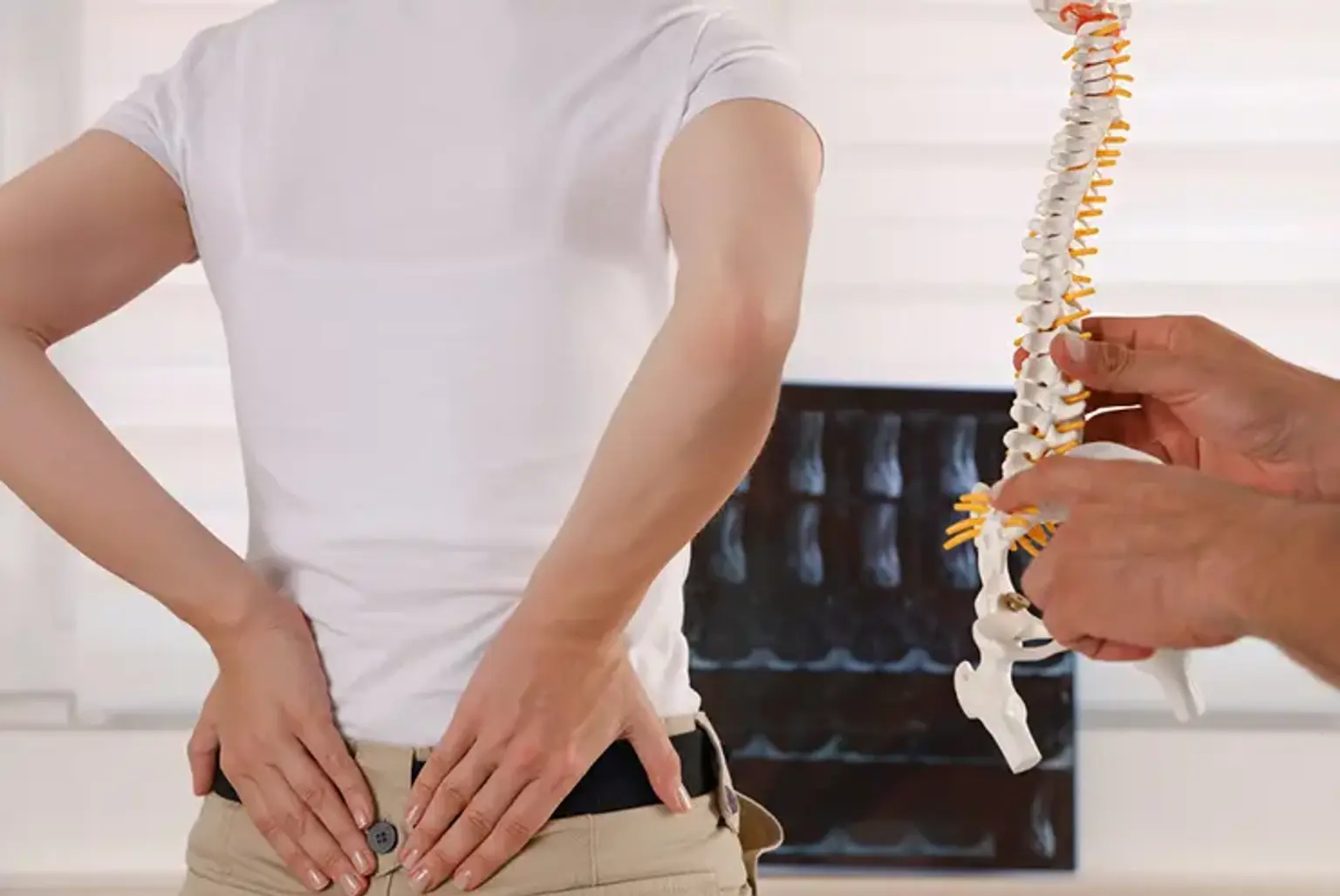
Treatment options for spinal stenosis vary depending on the severity of symptoms and the degree of nerve compression. While many cases can be managed with non-surgical interventions, more severe cases may require surgery. This article explores both conservative and surgical treatments for spinal stenosis, aiming to provide clarity for patients considering their options.
Understanding Spinal Stenosis
What is Spinal Stenosis? Spinal stenosis occurs when the spaces within the spine narrow, putting pressure on the spinal cord and nerves. This can happen in various regions of the spine but is most common in the lumbar (lower back) and cervical (neck) areas.
Types of Spinal Stenosis
Lumbar Spinal Stenosis: Affects the lower back and is the most common type, leading to symptoms such as leg pain, numbness, and difficulty walking.
Cervical Spinal Stenosis: Affects the neck region, often causing pain, weakness, and sometimes paralysis in the arms and hands.
Causes and Risk Factors Spinal stenosis is typically a result of aging, as the spine undergoes wear and tear. Other causes include:
Arthritis: Can lead to the formation of bone spurs that narrow the spinal canal.
Degenerative Disc Disease: As the discs between the vertebrae degenerate, the space available for nerves becomes smaller.
Congenital Conditions: Some people are born with a narrower spinal canal, making them more susceptible to stenosis as they age.
Symptoms of Spinal Stenosis
Spinal stenosis symptoms can range from mild to severe and may worsen over time if left untreated. The most common symptoms include:
Pain: Often experienced in the back, neck, or legs, pain can be sharp or dull. In lumbar stenosis, the pain usually radiates down the legs.
Numbness or Tingling: A feeling of “pins and needles” can occur, particularly in the legs or arms.
Weakness: The compression of nerves may lead to muscle weakness, especially in the legs or hands.
Difficulty Walking: Stenosis can cause pain and discomfort when walking, often leading to an altered gait.
Loss of Bladder or Bowel Control: In severe cases, compression of nerves affecting the lower back may result in this dangerous symptom.
The symptoms of cervical stenosis often differ, with arm pain and weakness being more prominent. In both cases, symptoms may worsen when standing or walking and improve when sitting or leaning forward.
Diagnosis of Spinal Stenosis
Diagnosing spinal stenosis begins with a physical exam and a review of the patient’s medical history. Doctors assess reflexes, strength, and sensation to determine the extent of nerve involvement. Imaging tests are typically necessary for an accurate diagnosis:
X-rays: These can show signs of arthritis or bone spurs that may be contributing to stenosis.
MRI (Magnetic Resonance Imaging): MRI scans provide detailed images of the spine, allowing doctors to visualize the extent of nerve compression and the condition of the discs and surrounding tissues.
CT Scan (Computed Tomography): This may be used if MRI is unavailable, offering cross-sectional views of the spine.
Myelogram: In some cases, a dye is injected into the spinal canal to improve the clarity of a CT scan and help visualize nerve compression.
Early diagnosis is crucial for determining the most appropriate treatment. If symptoms are severe or interfere with daily activities, a timely evaluation is essential for preventing permanent nerve damage.
Conservative Treatments for Spinal Stenosis
Many cases of spinal stenosis can be managed effectively without surgery, especially in the early stages. Conservative treatments aim to reduce pain, improve mobility, and prevent the condition from worsening.
Physical Therapy: Targeted exercises help strengthen muscles around the spine, improve flexibility, and reduce pressure on the nerves. Stretching and strengthening routines can alleviate pain and prevent further degeneration.
Medications: Nonsteroidal anti-inflammatory drugs (NSAIDs) can help manage pain and reduce inflammation. For more severe pain, prescription medications or muscle relaxants may be used.
Epidural Steroid Injections: Corticosteroid injections can provide temporary pain relief by reducing inflammation around the compressed nerves.
Lifestyle Changes: Simple changes such as weight loss, improved posture, and ergonomic adjustments at work can significantly ease symptoms.
These non-surgical options are typically the first line of treatment and are effective for many individuals with mild to moderate spinal stenosis. Surgery may be considered if these methods do not provide adequate relief.
When Surgery Becomes Necessary
While many patients can manage spinal stenosis with conservative treatments, surgery may be required if:
Pain is Severe or Persistent: When pain becomes unbearable or does not improve with non-surgical options.
Loss of Function: If weakness, numbness, or loss of bladder/bowel control occurs, surgical intervention is often necessary to prevent permanent nerve damage.
Limited Mobility: If stenosis significantly impacts walking or the ability to perform daily activities, surgery may be considered to restore function.
Surgical decisions are made on a case-by-case basis, considering factors like the severity of symptoms, the patient's age, overall health, and response to other treatments.
Spinal Stenosis Surgery Options
There are several surgical approaches to treat spinal stenosis, depending on the location and severity of the condition.
Decompression Surgery: The goal is to relieve pressure on the spinal cord or nerves. Procedures like laminectomy (removal of part of the vertebra) and foraminotomy (widening of the nerve passage) are commonly used.
Spinal Fusion: This may be necessary if the spinal stenosis has led to instability in the spine. In spinal fusion, two or more vertebrae are permanently joined together using bone grafts and hardware.
Minimally Invasive Surgery: In some cases, smaller incisions and advanced tools allow surgeons to remove tissue or bone spurs with less tissue disruption, resulting in shorter recovery times.
The best surgical approach depends on the individual case and the location of stenosis. Decompression surgery is often preferred for relieving pain, while spinal fusion is used when stability is required.
Minimally Invasive Surgery for Spinal Stenosis
Minimally invasive spinal surgery has gained popularity due to its numerous benefits over traditional approaches. This technique involves smaller incisions and less disruption to surrounding muscles and tissues.
Advantages: Patients experience less postoperative pain, shorter hospital stays, and quicker recovery times compared to traditional open surgery.
Procedure: Surgeons use specialized instruments and video-assisted technology to remove bone spurs or tissue pressing on nerves, often resulting in less blood loss and fewer complications.
Ideal Candidates: Minimally invasive surgery is best suited for patients with localized stenosis and who are generally in good health. It’s not always appropriate for more severe or widespread cases.
Minimally invasive surgery offers a promising option for many patients, allowing them to return to daily activities more quickly and with less discomfort.
Risks and Complications of Spinal Stenosis Surgery
Like any surgery, spinal stenosis surgery carries risks and potential complications. Understanding these risks can help patients make informed decisions about their treatment options.
Infection: Any surgery involving the spine carries a risk of infection, though the risk is generally low. Surgeons take precautions by using sterile techniques and sometimes prescribe antibiotics.
Bleeding: Excessive bleeding during or after surgery is possible, but it is typically managed well by the surgical team.
Nerve Damage: Although rare, there is a risk of nerve injury, which could lead to new or worsened symptoms.
Blood Clots: After surgery, blood clots can form in the legs (deep vein thrombosis) and may travel to the lungs (pulmonary embolism). Preventative measures like blood thinners or compression devices are often used to reduce this risk.
Failed Surgery: In some cases, the surgery may not relieve symptoms or may only provide temporary relief. Recurrent stenosis or other spinal issues could occur.
Most patients recover without serious complications, but it’s essential to have open discussions with the surgeon about all potential risks before undergoing surgery.
Recovery and Rehabilitation After Spinal Stenosis Surgery
The recovery process after spinal stenosis surgery varies depending on the procedure performed and the individual patient. However, there are general stages and guidelines that most patients follow:
Immediate Post-Surgery: Most patients stay in the hospital for 1-2 days following decompression surgery and up to several days after spinal fusion. Pain management during this period is essential, with medications provided to manage discomfort.
Initial Recovery: The first 2-4 weeks after surgery involve rest and gentle movement. Patients may be advised to avoid lifting heavy objects and bending or twisting motions to allow the spine to heal.
Physical Therapy: After the initial recovery period, patients typically begin physical therapy to improve strength and flexibility. Physical therapy plays a critical role in restoring movement, improving posture, and preventing re-injury.
Full Recovery: For decompression surgery, full recovery may take 6-8 weeks, while spinal fusion surgery may require 3-6 months or more. It is essential to follow the surgeon’s guidelines to avoid complications and achieve optimal healing.
Patients should be aware that recovery times vary, and it’s crucial to follow all post-surgical instructions carefully.
Expected Outcomes of Spinal Stenosis Surgery
Spinal stenosis surgery can be highly effective, with most patients experiencing significant improvements in pain relief and mobility. However, outcomes can vary based on the type of surgery, the severity of stenosis, and the patient’s overall health.
Pain Relief: One of the most significant benefits of surgery is the reduction or elimination of pain, especially in the legs and back. Decompression surgery is particularly effective at alleviating leg pain caused by nerve compression.
Improved Mobility: Surgery can help patients regain mobility, enabling them to walk longer distances and engage in daily activities with fewer limitations.
Long-Term Results: For many patients, surgery provides lasting relief. However, some may experience a recurrence of symptoms, especially if spinal instability or further degeneration occurs.
Studies show that decompression surgery has a high success rate, with approximately 70-90% of patients reporting substantial pain relief. Spinal fusion, while effective in providing stability, may require more extended recovery times and can sometimes result in less flexibility in the spine.
Physical Therapy and Rehabilitation Post-Surgery
Physical therapy is a cornerstone of recovery following spinal stenosis surgery, helping patients regain strength, flexibility, and mobility. Early rehabilitation is essential for long-term success.
Goals of Physical Therapy: The main objectives are to strengthen the muscles surrounding the spine, improve posture, increase flexibility, and reduce the risk of re-injury. It also helps patients manage pain through targeted exercises.
Types of Exercises: Patients may begin with gentle stretching exercises and progress to more strenuous strength training exercises, focusing on the core and lower back muscles. Balance exercises may also be incorporated to improve coordination.
Post-Surgery Guidelines: Physical therapy usually starts within the first 2-4 weeks of recovery. A physical therapist will work with the patient to tailor a program specific to their needs and recovery stage. It’s important to pace rehabilitation to avoid overexerting the healing spine.
For many patients, physical therapy is a crucial step toward regaining independence and ensuring a smooth recovery process. Consistent participation in rehabilitation can help prevent the need for future surgeries.
Alternative Treatments for Spinal Stenosis
While surgery is often an effective option for severe cases, there are also alternative treatments for spinal stenosis that may provide relief for some patients.
Chiropractic Care: Some individuals find relief from spinal stenosis symptoms through chiropractic adjustments. Chiropractors use manual manipulation to realign the spine, potentially easing nerve compression.
Acupuncture: Acupuncture, which involves inserting thin needles into specific points on the body, may help reduce pain and inflammation associated with spinal stenosis.
Massage Therapy: Therapeutic massage can alleviate muscle tension and reduce pain in the back and neck, helping to improve circulation and flexibility.
Herbal and Nutritional Supplements: Some patients explore supplements like turmeric or glucosamine, known for their anti-inflammatory properties. However, their effectiveness is not always supported by scientific research, so they should be used with caution and under medical supervision.
These alternative treatments can be considered as complementary options, particularly for patients who prefer non-invasive methods or as part of an overall pain management strategy.
Cost Considerations for Spinal Stenosis Treatment
The cost of treating spinal stenosis can vary significantly, depending on the type of treatment chosen and the country or healthcare system in which the treatment is received.
Non-Surgical Treatments: Physical therapy, medications, and epidural steroid injections may be covered by insurance, but co-pays and out-of-pocket expenses can add up. The cost of physical therapy sessions may also vary depending on location and frequency.
Surgical Costs: Surgery for spinal stenosis can be costly, especially for complex procedures like spinal fusion. The total cost includes pre-surgical consultations, hospitalization, surgical fees, and post-operative care.
Insurance Coverage: Insurance policies may cover a portion of the cost for both conservative treatments and surgery, but coverage levels vary widely. It’s crucial to consult with your insurance provider to understand what’s covered.
Out-of-Pocket Expenses: Depending on the procedure and the patient’s insurance plan, out-of-pocket expenses can range from a few thousand dollars to tens of thousands for complex surgeries.
Patients should consider the financial impact of spinal stenosis treatment, exploring payment plans or financial assistance programs offered by healthcare providers.
Lifestyle Changes to Manage Spinal Stenosis
In addition to medical treatments, certain lifestyle changes can help manage the symptoms of spinal stenosis and improve overall spine health.
Weight Management: Maintaining a healthy weight reduces stress on the spine, particularly in the lower back. Even modest weight loss can help reduce pain and improve mobility.
Exercise: Regular low-impact exercise, such as swimming or walking, can strengthen the muscles around the spine, improving support and flexibility. Avoiding activities that worsen symptoms, like heavy lifting or high-impact sports, is also important.
Posture Improvement: Practicing good posture helps alleviate pressure on the spine. Patients are encouraged to avoid slouching and to use ergonomic furniture when sitting for extended periods.
Heat and Cold Therapy: Applying heat or cold to the affected area can provide temporary relief from pain and inflammation. Heat therapy can relax muscles, while cold therapy can numb nerve pain.
Incorporating these changes into daily routines can complement medical treatments, helping patients manage their symptoms more effectively.
When to Seek Medical Attention
Knowing when to seek medical help is essential for anyone experiencing symptoms of spinal stenosis. Early intervention can prevent the condition from worsening and reduce the need for more invasive treatments.
Worsening Pain: If pain becomes increasingly severe or if over-the-counter pain medications no longer provide relief, it’s time to consult a healthcare provider.
Loss of Function: Significant weakness, numbness, or difficulty walking could indicate severe nerve compression and requires prompt medical attention.
Bladder or Bowel Issues: If there is a sudden loss of bladder or bowel control, it could indicate cauda equina syndrome, a rare but serious condition that requires immediate surgery.
Failure of Conservative Treatments: If non-surgical treatments such as physical therapy, medications, or injections are no longer effective in managing symptoms, surgery may be considered.
Patients should not hesitate to seek medical advice if they are concerned about their symptoms, as timely intervention can help prevent long-term disability.
Preventing Spinal Stenosis Progression
While spinal stenosis is often age-related, there are steps patients can take to slow its progression and manage symptoms more effectively:
Maintain Good Posture: Practicing proper posture helps prevent additional stress on the spine, particularly in the neck and lower back.
Regular Exercise: Engaging in regular, low-impact exercises can improve flexibility and strengthen core muscles, offering better spinal support.
Stretching: Daily stretching, especially for the lower back and legs, can help maintain flexibility and reduce tightness that may worsen stenosis symptoms.
Ergonomic Adjustments: Making ergonomic changes to workstations, using supportive chairs, and avoiding prolonged sitting or standing can reduce pressure on the spine.
By integrating these practices into daily life, patients can manage symptoms and potentially delay the need for more intensive treatments.
Global Trends in Spinal Stenosis Treatment
The treatment of spinal stenosis has evolved globally, with innovations and trends improving patient outcomes. Some notable trends include:
Minimally Invasive Surgery: Increasingly popular due to its shorter recovery time and reduced complications compared to traditional open surgery.
Advances in Imaging Technology: Enhanced imaging techniques like 3D MRI and CT scans help surgeons plan more precise procedures, improving the overall success rate.
Non-Surgical Alternatives: In some countries, there is a greater emphasis on non-invasive treatments, including acupuncture and physical therapy, before resorting to surgery.
Patient-Centered Care: Global healthcare systems are focusing more on personalized treatment plans, tailoring interventions based on the patient’s age, health, and severity of stenosis.
These trends highlight the growing focus on improving patient outcomes while minimizing risks and recovery time.
Living with Spinal Stenosis
For many patients, spinal stenosis becomes a manageable part of daily life, especially with the right combination of treatment and lifestyle changes. Key strategies include:
Pain Management: Ongoing use of medications, physical therapy, and possibly injections can help control pain long-term.
Regular Check-Ups: Routine visits to a healthcare provider are essential to monitor the condition and adjust treatments as needed.
Support Systems: Emotional and physical support from family, friends, or support groups can help patients cope with the physical limitations that come with stenosis.
With the right support and adjustments, many individuals with spinal stenosis continue to live active, fulfilling lives.
Conclusion
Spinal stenosis is a progressive condition that can significantly impact quality of life, but it is highly treatable. From conservative treatments like physical therapy to advanced surgical options, there are multiple avenues for relief. Early diagnosis and appropriate management are key to preventing complications and improving long-term outcomes.
Patients should carefully consider their treatment options in consultation with healthcare providers, keeping in mind their personal needs, health status, and preferences. With proper care and lifestyle adjustments, most individuals with spinal stenosis can manage their symptoms effectively and enjoy an improved quality of life.