Introduction
Sports injuries are an inevitable part of athletic performance, affecting both amateurs and professionals. These injuries range from minor sprains to severe trauma, and proper care is essential to avoid long-term damage. Trauma care in sports includes immediate treatment for injuries, ongoing rehabilitation, and preventative strategies. With the right care, athletes can recover faster and return to their sport with minimal risk of re-injury. The importance of understanding how to treat these injuries cannot be overstated, as it plays a critical role in ensuring both short-term healing and long-term health.
Common Types of Sports Injuries
Sports injuries come in many forms. The most common include:
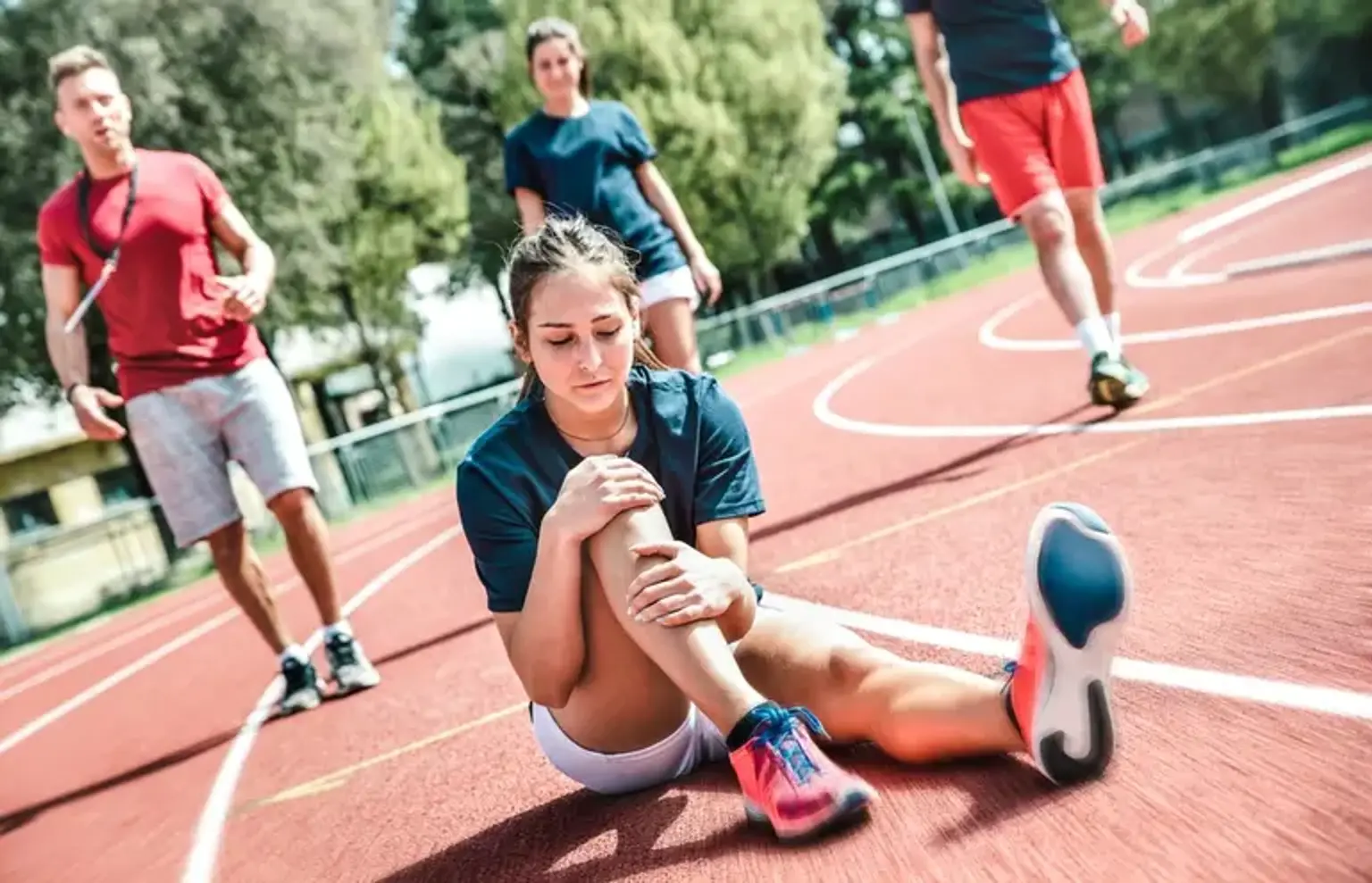
Sprains and Strains: Often caused by overstretching or tearing ligaments and muscles, these are common in sports like basketball and football.
Fractures: A break in bone, usually occurring from a fall or collision, often seen in contact sports.
Concussions: A type of brain injury caused by a blow to the head, common in sports like football and hockey.
Soft Tissue Injuries: Includes injuries to muscles, tendons, and ligaments, often from excessive strain.
ACL Tears: A torn anterior cruciate ligament, particularly in high-impact sports such as soccer or basketball.
Joint Dislocations: When a joint is forced out of its normal position, often occurring in high-contact sports.
Each injury requires specific care and treatment to ensure proper recovery.
The Role of Orthopedic Care in Sports Injuries
Orthopedic care is a cornerstone of sports injury treatment. Orthopedic specialists focus on diagnosing and treating injuries related to bones, joints, and muscles. Advanced imaging techniques like MRIs and X-rays help identify fractures, torn ligaments, and other musculoskeletal injuries.
For injuries like ACL tears or fractures, surgical intervention may be necessary to restore function and strength. However, many injuries can be treated conservatively with physical therapy, medications, and rest. A thorough assessment by an orthopedic professional ensures that athletes receive the best possible care tailored to their specific needs.
Immediate Response to Sports Injuries: The R.I.C.E Method
The R.I.C.E. method is the first line of defense for managing acute sports injuries. It stands for:
Rest: Taking a break from activity helps prevent further injury.
Ice: Applying ice reduces swelling and numbs pain.
Compression: Wrapping the injured area helps control swelling.
Elevation: Raising the injured limb reduces swelling and promotes fluid drainage.
These steps are vital in the initial hours after an injury, helping to manage pain and limit inflammation. If followed correctly, R.I.C.E. can significantly reduce recovery time and prevent complications.
Emergency Care in Sports Injuries
When a sports injury occurs, immediate care can make all the difference in preventing long-term damage. For serious injuries such as fractures, dislocations, or concussions, seeking emergency medical attention is crucial.
First responders and trained medical personnel should assess the injury and provide the necessary stabilization. For example, immobilizing a broken bone or performing CPR for cardiac issues may be required. The faster medical attention is provided, the better the chance for recovery. Additionally, emergency responders can ensure the athlete is safely transported to a medical facility for further care and imaging.
Sports Rehabilitation: The Road to Recovery
Once the acute phase of an injury is managed, rehabilitation becomes the focus of recovery. Physical therapy plays a vital role in restoring strength, flexibility, and function after an injury. A personalized rehab program typically includes:
Strengthening Exercises: Focuses on building muscle around the injured area to improve stability and prevent future injury.
Mobility Work: Helps restore flexibility and movement patterns, especially for joint injuries.
Functional Training: Simulates the movements and activities required in the athlete’s sport to prepare them for a safe return.
By gradually returning to sport-specific activities, athletes can reduce the risk of re-injury and ensure they regain their full physical potential.
Surgical Intervention for Serious Sports Injuries
While many sports injuries can be treated conservatively with physical therapy, some may require surgery for full recovery. Common surgical interventions include:
ACL Repair: Often needed when an anterior cruciate ligament is torn. Surgical reconstruction is typically required for athletes to return to their sport.
Joint Reconstruction: For severe dislocations or degenerative joint issues, surgery can help restore proper function and relieve pain.
Fracture Fixation: If a bone breaks, surgical procedures like plating or pinning may be necessary to align and stabilize the bone.
While surgery is typically a last resort, it may be necessary for more severe injuries. A skilled orthopedic surgeon will guide the athlete through the decision-making process, ensuring the best chance for a successful recovery.
Preventing Sports Injuries in Athletes
Preventing sports injuries is as important as treatment and rehabilitation. A proactive approach to injury prevention can help athletes avoid common problems like sprains, strains, and fractures. Key strategies include:
Warm-up and Stretching: Properly preparing the body before intense activity can help prevent muscle and ligament injuries.
Using Correct Equipment: Protective gear, such as helmets and knee pads, can reduce the risk of trauma during sports.
Improving Technique: Athletes should receive proper training to ensure they’re using correct body mechanics and movement patterns.
Cross-training: Engaging in different activities can reduce the risk of overuse injuries by allowing muscles and joints to recover.
Athletes and coaches alike should emphasize injury prevention as part of a comprehensive training regimen. By integrating these strategies into practice, the risk of injury can be significantly reduced.
The Psychological Impact of Sports Injuries
Sports injuries can have a significant psychological impact on athletes. Beyond the physical pain, the mental and emotional toll can be just as challenging. Athletes often experience feelings of frustration, depression, or anxiety when they are unable to participate in their sport. The fear of not returning to peak performance or experiencing a recurring injury can further hinder recovery.
Psychological support is essential during the recovery process. Sports psychologists help athletes cope with the emotional challenges of injury, providing strategies to manage stress, maintain a positive outlook, and stay motivated. Engaging with mental health professionals can accelerate the rehabilitation process and help athletes regain confidence in their abilities.
Nutrition and Hydration in Sports Injury Recovery
Nutrition and hydration play a crucial role in the recovery process. Proper fueling supports tissue repair, reduces inflammation, and promotes overall healing. Athletes recovering from injury should focus on nutrient-dense foods that provide essential vitamins, minerals, and proteins. Key elements include:
Protein: Vital for tissue repair and muscle recovery, especially after surgery or strenuous rehab exercises.
Omega-3 Fatty Acids: Known for their anti-inflammatory properties, which can help reduce swelling in injured areas.
Vitamin C and Zinc: Essential for collagen formation and tissue healing.
Hydration: Adequate water intake is critical for maintaining joint lubrication and muscle function.
Incorporating a balanced diet that prioritizes these nutrients, along with proper hydration, can greatly improve recovery times and outcomes for injured athletes.
The Importance of Follow-Up Care After Sports Injury
After the initial treatment and rehabilitation, follow-up care is essential to ensure complete recovery and prevent future injury. Regular check-ins with healthcare providers, such as orthopedic specialists or physical therapists, allow for:
Monitoring Progress: Assessing the effectiveness of rehabilitation exercises and making adjustments as needed.
Preventing Re-injury: Ensuring that the athlete doesn’t return to full activity too soon, which could lead to a relapse or further damage.
Adjusting Recovery Plans: Updating rehabilitation strategies based on progress and individual needs.
Long-term care is crucial, particularly for athletes who experience repeated injuries or severe trauma. This ongoing support helps them stay healthy and return to their sport safely.
Case Study: A Professional Athlete's Journey Through Injury Recovery
Take the example of an elite basketball player who suffered an ACL tear during a game. After initial assessment and confirmation through an MRI, the athlete underwent ACL reconstruction surgery. The surgery was successful, but the road to recovery was lengthy.
Following surgery, the athlete began a rigorous rehabilitation program that included strengthening exercises, mobility work, and sport-specific training. For the first few months, the focus was on regaining range of motion and rebuilding muscle strength. As the athlete progressed, functional training began, with drills that mimicked movements on the court.
Throughout the recovery process, psychological support was also crucial. The athlete worked closely with a sports psychologist to manage anxiety about returning to competition and to stay motivated through the long recovery.
After nearly a year of hard work, the athlete successfully returned to the court, stronger and more confident than before the injury. This case illustrates the importance of comprehensive care — from surgical intervention to physical therapy and psychological support — in ensuring an athlete's return to peak performance.
The Global Appeal of Sports Injury Care
Sports injury care is universally essential, but the approach varies across different regions. While advanced treatment options are available in many developed countries, sports injury care in emerging economies may focus more on general emergency care due to fewer resources.
In developed nations, high-tech methods like MRI imaging, robotic surgeries, and advanced rehabilitation techniques are readily available. Meanwhile, in countries with limited access to these technologies, basic first-aid principles such as the R.I.C.E. method and physical therapy remain central to care.
Despite these disparities, the global appeal of sports injury care continues to rise. Innovations in treatment, such as minimally invasive surgeries and telemedicine consultations, have made world-class care more accessible, helping athletes everywhere recover and prevent further injury.
The Future of Sports Injury and Trauma Care
The future of sports injury care looks promising, driven by new technologies and medical innovations. Advances in regenerative medicine, such as stem cell therapy and platelet-rich plasma (PRP) treatments, offer hope for faster healing and more effective management of injuries.
Robotic surgery is also making waves, allowing for highly precise procedures that minimize recovery time and reduce the risk of complications. These technologies, coupled with more personalized care plans based on genetic testing and data analysis, will provide athletes with customized recovery strategies.
Moreover, telemedicine is becoming an increasingly important tool. Athletes can now consult with experts remotely, which is especially beneficial for those in rural or underserved areas. As telehealth services grow, they promise to bring world-class injury care and rehabilitation directly to athletes, regardless of location.
Managing Pain in Sports Injuries
Managing pain effectively is a crucial component of sports injury treatment. Pain management techniques vary based on the severity of the injury, but common methods include:
Non-steroidal Anti-inflammatory Drugs (NSAIDs): Medications like ibuprofen help manage pain and inflammation in the initial phases of recovery.
Ice and Heat Therapy: Ice packs reduce swelling, while heat therapy can improve blood circulation and relax muscles.
Physical Therapy: Tailored exercises can help reduce pain by promoting healing and restoring muscle function.
Alternative Therapies: Acupuncture and massage therapy are gaining popularity as complementary pain relief methods for athletes.
For severe pain, especially after surgery, stronger medications or nerve blocks may be necessary. However, a balanced approach that includes rehabilitation and alternative treatments ensures the athlete doesn't rely too heavily on medication, promoting long-term recovery and reducing the risk of dependence.
How to Recognize Serious Sports Injuries
Recognizing when a sports injury is serious is essential for proper treatment. While minor sprains or bruises may only require basic care, certain injuries demand immediate medical attention. Red flags that indicate a more serious injury include:
Severe Pain: Intense pain that doesn’t subside with rest or basic treatment may indicate a fracture, ligament tear, or nerve damage.
Swelling and Deformity: Large amounts of swelling, along with visible deformities such as a bent limb or joint, usually signal a fracture or dislocation.
Loss of Function: Inability to move a limb, walk, or use an injured area properly could indicate a severe injury, such as a torn ligament or broken bone.
Concussion Symptoms: If an athlete experiences dizziness, confusion, or loss of consciousness after a blow to the head, they may have sustained a concussion, requiring immediate evaluation.
If any of these symptoms are present, it is essential to seek professional medical attention without delay to avoid complications and ensure proper care.
The Role of Coaches and Trainers in Injury Prevention
Coaches and trainers play a critical role in preventing sports injuries. They are the first line of defense in ensuring athletes use proper technique and avoid overexertion. Key responsibilities include:
Teaching Correct Form: Ensuring athletes perform exercises and movements with proper mechanics to reduce strain.
Monitoring Fatigue: Recognizing signs of fatigue and advising athletes to take rest to prevent overuse injuries.
Promoting Injury Prevention: Encouraging warm-ups, stretching, and using protective gear.
A proactive approach from coaches can help reduce injury rates and promote long-term athletic performance.
Cost of Sports Injury Care
The financial aspect of sports injury care can be significant, especially for professional athletes. Expenses include:
Medical Bills: Diagnostic imaging, surgeries, and hospital stays can add up quickly.
Rehabilitation Costs: Physical therapy and rehab programs may last for months, depending on the severity of the injury.
Loss of Income: Athletes unable to perform may lose sponsorships or game-related earnings.
For professional athletes, these costs can be extensive, but even for amateurs, access to affordable care can impact the recovery process. Insurance coverage and healthcare accessibility play an important role in managing these financial burdens.
The Role of Sports Medicine Specialists
Sports medicine specialists are experts in treating injuries related to athletic activity. They have extensive training in diagnosing, treating, and rehabilitating sports-related injuries. Their role involves:
Diagnosis: Using advanced imaging and physical assessments to identify the nature of the injury.
Treatment Plans: Developing individualized treatment and rehabilitation programs.
Return-to-Sport Decisions: Guiding athletes through recovery and determining when it's safe to return to play.
Their expertise is essential for ensuring that athletes recover fully and safely, minimizing the risk of reinjury.
Conclusion
Effective sports injury care goes beyond treating the injury—it requires a comprehensive, holistic approach. This includes immediate treatment, psychological support, rehabilitation, and injury prevention strategies. Through a combination of medical expertise, personal dedication, and proper care, athletes can recover fully and return to their sport stronger than ever. The key is early intervention, a personalized treatment plan, and ongoing support throughout the recovery journey.
Athletes at all levels can benefit from this approach, ensuring both a faster recovery and a reduced risk of future injuries.