Introduction
Square jaw reduction surgery is a cosmetic procedure aimed at softening and reshaping the jawline, often to create a more feminine or balanced appearance. This surgery has gained popularity worldwide, especially in regions like South Korea, where facial aesthetics are highly valued. People seek this procedure for various reasons—some desire to achieve a V-shaped face, while others may simply wish to reduce the prominence of their jaw.
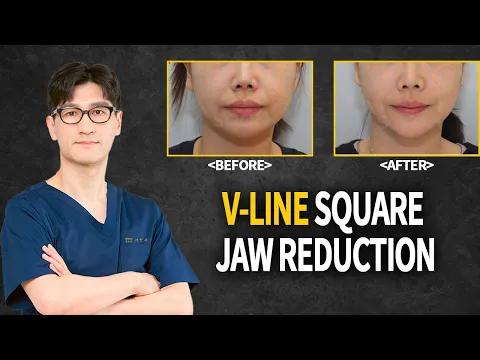
Square jaw reduction surgery is more than just a beauty treatment; for many, it’s a transformative procedure that boosts self-confidence and helps people feel more comfortable with their appearance. Whether driven by personal preference or societal beauty standards, the procedure continues to grow in demand globally.
Understanding Square Jaw and Its Causes
A "square jaw" refers to a prominent, angular jawline that often results from the shape of the lower jaw and the masseter muscle (the muscle responsible for chewing). This condition is typically hereditary, though lifestyle factors like excessive teeth grinding or clenching can also contribute to the appearance of a square jaw.
The square shape happens when the lower jaw (mandible) is more angular or when the masseter muscles are overdeveloped. In some cases, a large lower jaw bone can make the jawline appear broad and sharp. People with square jaws may feel their facial features are out of balance, often seeking treatments to create a softer, more feminine contour.
What is Square Jaw Reduction Surgery?
Square jaw reduction surgery, also known as mandibular angle reduction, involves reshaping the jaw by reducing the size of the lower jaw or removing excess bone. The goal is to soften the jawline, giving the face a more oval or V-shape, which is often considered more aesthetically pleasing.
The surgery typically focuses on two areas:
Reshaping the mandible: The lower jaw’s bone structure is sculpted to soften the sharp angles.
Reducing masseter muscle volume: In some cases, surgeons reduce the masseter muscle’s size, either through surgery or Botox injections.
The Procedure: How Square Jaw Reduction Surgery Works
Square jaw reduction surgery is a minimally invasive procedure performed under general or local anesthesia. During the surgery, the surgeon makes small incisions inside the mouth to avoid visible scarring. The lower jaw is then carefully contoured using specialized surgical tools, with some of the excess bone removed.
In some cases, the surgeon may opt to trim or reduce the masseter muscle, which contributes to the jaw’s square shape. This approach can either be done through direct surgery or by using Botox, which relaxes the muscle and reduces its size over time.
The entire procedure typically takes about 2 to 3 hours, depending on the complexity, and patients can usually go home the same day. Post-surgery, patients may experience swelling and discomfort, but these symptoms typically subside within a few days to weeks.
Risks and Complications of Jaw Reduction Surgery
As with any surgery, square jaw reduction comes with potential risks. While the procedure is generally safe, it’s important to be aware of possible complications. Common risks include:
Infection: Any surgery carries the risk of infection, but this can be minimized with proper aftercare and antibiotics.
Nerve Damage: During surgery, there's a slight chance that nerves near the jaw area could be damaged, potentially affecting sensation in the lower lip or chin.
Swelling and Bruising: These are common side effects after surgery and usually subside within a few weeks.
Asymmetry: While the goal is to achieve a balanced look, there's a small risk of uneven results, which may require revision surgery.
Choosing an experienced, board-certified surgeon can significantly reduce these risks, as they’ll follow the best practices and ensure that your procedure is as safe as possible.
Benefits of Square Jaw Reduction Surgery
The primary benefit of square jaw reduction surgery is the aesthetic transformation. A softer, more contoured jawline can create a V-shaped face that many people desire. Some of the key benefits include:
Improved Facial Proportions: The procedure enhances facial symmetry, which can make your overall features appear more balanced and youthful.
Boost in Confidence: Many patients report feeling more confident and comfortable in social situations after the surgery.
Permanent Results: Unlike non-surgical options (like Botox), the results of jaw reduction surgery are permanent, providing long-term benefits.
Additionally, the procedure is highly customizable—your surgeon can tailor the surgery to your facial structure, ensuring that the results complement your overall look.
Are There Non-Surgical Alternatives to Square Jaw Reduction?
For those who are hesitant about surgery, there are non-surgical alternatives to consider. These treatments offer temporary solutions and may be ideal for individuals looking for a less invasive option:
Botox Injections: Botox can be injected into the masseter muscles to reduce their size and soften the appearance of the jaw. The results are temporary, typically lasting 4-6 months.
Dermal Fillers: In some cases, fillers can be used to enhance the jawline's shape, although this is more commonly used for adding volume than reducing the jaw’s size.
Liposuction: Liposuction can be performed in the jaw area to remove excess fat, providing a more defined contour.
While these treatments can provide effective results, they are temporary and require maintenance. Square jaw reduction surgery offers a more permanent solution for those who want lasting results.
The Ideal Candidate for Square Jaw Reduction Surgery
Not everyone is a good candidate for square jaw reduction surgery. Ideal candidates are typically in good health and have realistic expectations about the outcome. Here are some factors to consider:
Age: Most patients are between 20-40 years old, as the bone structure is still relatively flexible. However, the procedure can be performed on older patients as well.
Facial Anatomy: Candidates should have a square or angular jawline caused by excess bone or muscle. Those with overly pronounced masseter muscles or significant jawbone protrusions are often the best candidates.
Health Status: Good overall health is essential to ensure proper healing. People with certain medical conditions (such as uncontrolled diabetes) may need to postpone the surgery until their condition is under control.
It's essential to have a detailed consultation with a qualified surgeon, who will assess your facial structure and discuss your goals to determine if this surgery is right for you.
Post-Surgery Recovery: What to Expect
Recovery after square jaw reduction surgery can vary from person to person, but most patients experience a similar recovery timeline. Here’s what you can expect:
Immediate Aftercare: After the procedure, patients may experience some swelling, bruising, and mild pain. These side effects are normal and typically improve within a week.
Swelling: Swelling can be significant during the first few days but will gradually decrease. Ice packs can help reduce swelling during the initial recovery phase.
Pain Management: Discomfort is common but manageable with prescribed painkillers. Most patients feel much better within 3 to 5 days, although full recovery can take 2 to 4 weeks.
Follow-Up Visits: After surgery, follow-up appointments will be scheduled to monitor healing and ensure that the jawline is healing correctly.
Return to Normal Activities: Patients are typically able to return to work or school within 7-10 days, depending on their comfort level. Strenuous activities and heavy lifting should be avoided for at least 3 weeks.
Maintaining good oral hygiene and following your surgeon’s aftercare instructions will help reduce the risk of complications and promote a faster recovery.
Expected Results After Square Jaw Reduction Surgery
One of the most appealing aspects of square jaw reduction surgery is the long-lasting and often dramatic results. While swelling and bruising may obscure the results immediately after surgery, most patients notice significant changes in the shape of their jawline within a few months. Here’s what to expect:
Early Results: You’ll start to see a more defined, slimmer jawline after the swelling subsides. This can take a few weeks.
Final Results: The final results are usually visible after 3 to 6 months, once all swelling has gone down and healing is complete. The jawline will appear softer and more balanced, with a clear V-shape.
Long-Term Satisfaction: Many patients report being highly satisfied with the procedure, as the effects are permanent and provide a lasting aesthetic enhancement. The results help improve facial harmony and enhance the overall look.
The improvement in self-esteem and confidence is often one of the most rewarding aspects for patients, as they feel more aligned with their desired appearance.
Cost of Square Jaw Reduction Surgery
The cost of square jaw reduction surgery can vary significantly based on several factors, including the surgeon’s experience, the geographic location of the surgery, and the complexity of the procedure. Here are some general price ranges:
United States: The cost of square jaw reduction surgery typically ranges from $3,000 to $15,000. This depends on the type of procedure (whether it includes bone reduction, muscle reduction, or both) and the clinic’s location.
South Korea: Known for its high demand for cosmetic surgery, prices here are more competitive, ranging from $2,000 to $6,000. The advanced technology and expertise in countries like South Korea contribute to the popularity of the procedure.
Brazil: In Brazil, the cost generally falls between $2,500 and $7,000, depending on the surgeon and clinic.
Additional costs, such as pre-operative tests, anesthesia, and post-operative care, can also add to the overall price. Many clinics offer payment plans or financing options to help make the procedure more affordable. It’s important to factor in travel and accommodation expenses if you're considering surgery abroad.
Global Popularity of Square Jaw Reduction Surgery
Square jaw reduction surgery has become increasingly popular, particularly in countries where facial aesthetics play a significant role in cultural beauty standards. Here are a few trends:
South Korea: Known as the cosmetic surgery capital of the world, South Korea has seen a surge in jawline surgery due to the country's beauty standards, where a smaller, V-shaped face is highly sought after.
United States: While not as culturally ingrained as in South Korea, the U.S. has seen rising demand for jawline contouring, with patients opting for the procedure to achieve a more refined facial look.
Brazil: Brazil’s cosmetic surgery scene is booming, and square jaw reduction is one of the most popular procedures, particularly for those aiming for a more feminine or youthful appearance.
Other Regions: In many countries across Europe and the Middle East, there has been growing interest in facial contouring, driven by both aesthetic goals and the influence of beauty influencers and celebrities.
As awareness about the benefits of square jaw reduction spreads, more people worldwide are considering the procedure as a way to improve their facial features. This rise in demand has also led to more skilled surgeons and advanced technologies being developed to ensure safer, more effective outcomes.
How to Choose the Right Surgeon for Square Jaw Reduction Surgery
Choosing a qualified and experienced surgeon is one of the most important steps in ensuring a successful outcome for square jaw reduction surgery. Here’s what you should look for:
Board Certification: Ensure that the surgeon is board-certified in plastic or cosmetic surgery. This guarantees they have the required training and expertise.
Experience and Specialization: Look for a surgeon who specializes in facial surgeries, particularly jawline procedures. An experienced surgeon will have a portfolio of successful cases that you can review.
Patient Reviews: Read reviews and testimonials from previous patients. This gives insight into their experiences and the quality of results.
Consultation: Schedule a consultation where the surgeon will evaluate your facial structure, discuss your goals, and explain the surgical process. This is also a good time to ask about potential risks and post-surgery care.
Before-and-After Photos: Ask to see before-and-after photos of past patients to assess the surgeon's skill and aesthetic approach.
By selecting the right surgeon, you’ll increase your chances of achieving the desired results safely and effectively.
Common Questions and Concerns About Square Jaw Reduction Surgery
Before undergoing square jaw reduction surgery, it's natural to have questions. Here are some common concerns and answers to help guide your decision:
How long does the procedure take? The surgery usually takes about 2 to 3 hours, depending on the complexity of the case.
Is the surgery painful? While discomfort is common after surgery, the procedure itself is performed under anesthesia, so patients don’t feel pain during the operation. Post-surgery pain can be managed with prescribed medications.
Will I have visible scars? Incisions are typically made inside the mouth, meaning there are no visible scars on the face. This helps maintain the natural look of the skin.
How long will it take to see the final results? Most patients notice the transformation after 3 to 6 months, once swelling has completely subsided and the jawline has fully healed.
Is the result permanent? Yes, the results are permanent. Unlike non-surgical treatments like Botox, the reshaped jawline will remain unchanged unless affected by significant weight gain or loss.
Square Jaw Reduction Surgery for Men
While square jaw reduction surgery is often associated with women desiring a more feminine look, many men also opt for this procedure. Men with a more angular or prominent jaw may seek surgery to achieve a more sculpted, softer appearance. Here are some key points for men considering the surgery:
Subtle Changes: For men, the goal is typically to achieve a more refined, balanced jawline rather than an overly soft or feminine appearance. Surgeons can modify the procedure to ensure the final result enhances masculinity.
Cultural Trends: In some cultures, particularly in East Asia, there is a growing trend among men to undergo cosmetic procedures to refine their appearance and boost self-confidence.
Facial Harmony: A softer jawline can improve overall facial harmony, complementing features such as the cheekbones and chin without looking too altered.
Ultimately, square jaw reduction can be an effective way for men to achieve a more proportionate and youthful look, boosting confidence and enhancing personal appearance.
Impact on Self-Confidence and Quality of Life
For many patients, square jaw reduction surgery goes beyond aesthetics—it's about improving self-esteem and quality of life. The psychological benefits of cosmetic surgery are well-documented, and this procedure is no exception. Here’s how it can impact your life:
Improved Self-Perception: A more balanced and harmonious face can lead to a significant improvement in how you view yourself. Patients often feel more comfortable in social settings and less self-conscious about their appearance.
Enhanced Social Interactions: Feeling confident about your facial features can help you engage more freely in social interactions, whether at work or in personal relationships.
Increased Confidence: For some individuals, the change brought on by square jaw reduction surgery can lead to a newfound sense of confidence that extends beyond appearance, affecting other aspects of life like career or personal growth.
While cosmetic procedures like square jaw reduction can’t solve all personal insecurities, they often provide a significant emotional boost that helps people feel more aligned with their desired image. The psychological benefits make it a worthwhile investment for many individuals.
Alternatives for Jawline Contouring
In addition to square jaw reduction surgery, several non-surgical treatments can help contour the jawline. These options may appeal to those who prefer a less invasive approach:
Botox: Botox injections into the masseter muscles can relax and reduce the muscle size, softening the jawline. Results last for several months.
Dermal Fillers: Fillers can be used to shape and define the jaw, especially for those looking to enhance certain facial features rather than reduce the size of the jaw.
Kybella: This injectable treatment targets fat deposits under the chin, improving jawline definition. It requires multiple sessions for optimal results.
While these treatments are temporary, they are a good option for people hesitant about surgery or those who want subtle changes.
Combining Square Jaw Reduction with Other Procedures
For patients looking for a more comprehensive facial transformation, square jaw reduction surgery can be combined with other procedures. Some common combinations include:
Rhinoplasty: Reshaping the nose in conjunction with jaw reduction can balance facial proportions and improve overall symmetry.
Cheekbone Augmentation: Enhancing the cheekbones adds volume and contour, complementing the newly reshaped jawline.
Facelift: A facelift combined with jaw reduction can provide an overall youthful and rejuvenated appearance, especially for older patients.
Combining procedures allows for a more holistic approach, enhancing facial harmony and achieving a cohesive result.
The Psychological Benefits of Square Jaw Reduction
The psychological benefits of square jaw reduction are significant. Many patients report a substantial boost in confidence after the procedure, particularly in social and professional situations. A more refined jawline can improve self-image, leading to:
Increased Confidence: Patients often feel more attractive, which can positively impact their interactions and career.
Improved Social Life: A more balanced face can help reduce social anxiety, making individuals feel more comfortable in public.
Better Self-Esteem: For those self-conscious about their appearance, the surgery offers a path to feeling better about themselves.
Overall, the emotional and psychological improvements can be just as important as the physical transformation.
Conclusion
Square jaw reduction surgery can be a life-changing procedure for those seeking a softer, more harmonious jawline. It offers permanent results and can greatly enhance self-confidence and facial symmetry. However, it’s essential to consult with an experienced surgeon to ensure the procedure is the right fit for your goals and facial structure.
If you're considering square jaw reduction, take the time to research, understand the risks, and make an informed decision. Whether through surgery or non-invasive methods, achieving the jawline of your dreams is possible, and the benefits extend far beyond aesthetics.