Introduction
In Vitro Fertilization (IVF) is a revolutionary treatment for infertility, offering hope to couples who have struggled to conceive naturally. IVF is a form of Assisted Reproductive Technology (ART) where eggs are fertilized outside the body, and the resulting embryos are implanted into the woman's uterus. The process typically begins with hormone treatments to stimulate the ovaries, leading to egg retrieval. IVF has become increasingly popular due to its high success rates and advancements, making it a go-to choice for those facing infertility issues.
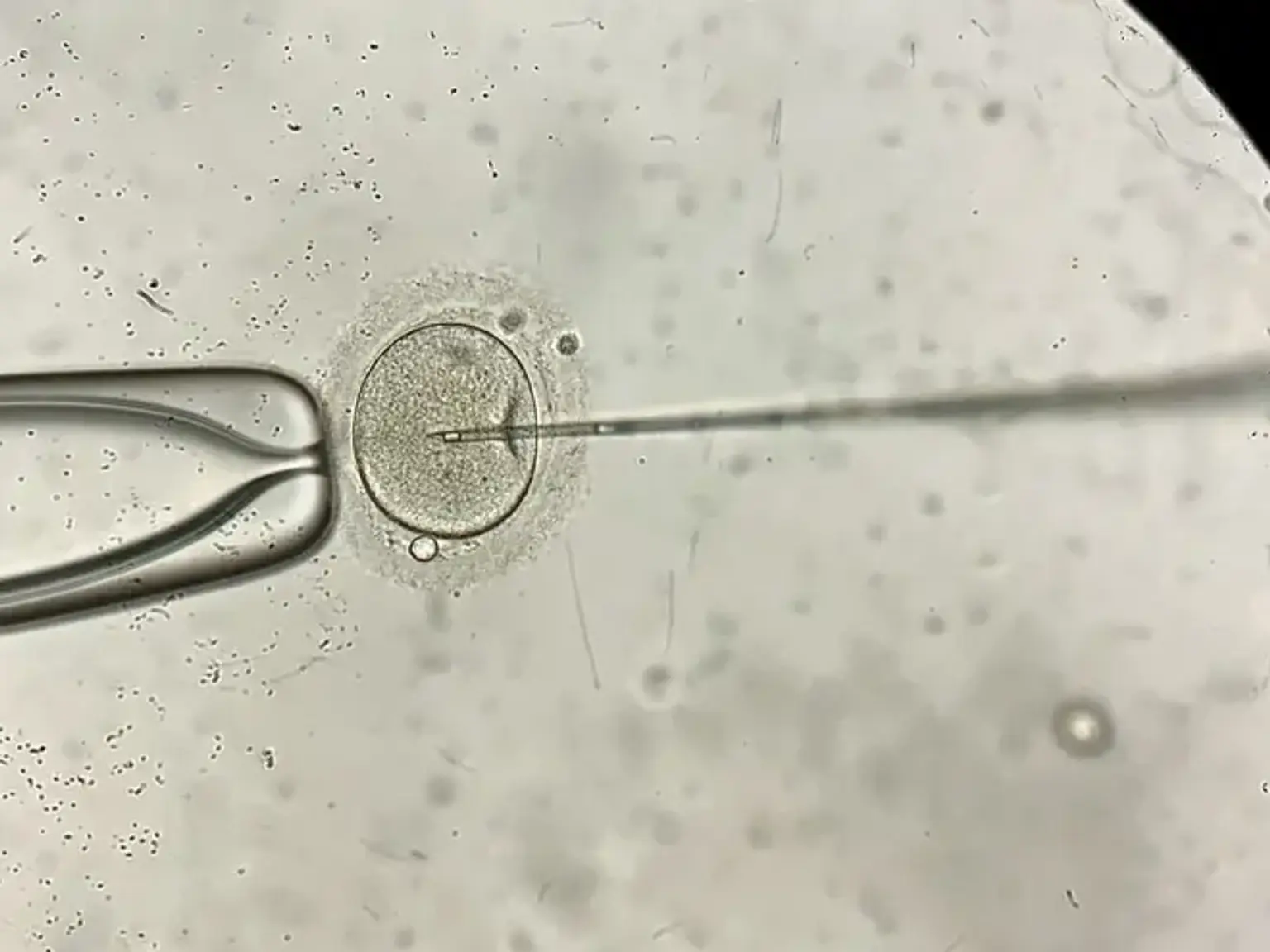
Traditionally, IVF involves the fertilization of eggs with sperm in a laboratory dish. However, advancements such as ICSI (Intracytoplasmic Sperm Injection) and AZH (Assisted Zona Hatching) have further increased the likelihood of a successful pregnancy, especially in cases involving male infertility or embryo implantation issues. Today, IVF is widely used across the globe, helping millions of couples become parents, regardless of age or infertility type.
Understanding ICSI (Intracytoplasmic Sperm Injection)
ICSI is a cutting-edge technique used in conjunction with IVF, where a single sperm is injected directly into an egg to facilitate fertilization. Unlike traditional IVF, where sperm are placed in a dish to fertilize eggs naturally, ICSI is used when there are significant sperm quality issues, such as low sperm count, poor motility, or abnormal sperm shape. It is also beneficial when previous IVF cycles have failed or when sperm quality is known to be a major hurdle.
The process begins with sperm extraction, often through a simple procedure like testicular aspiration. ICSI then ensures that at least one viable sperm fertilizes an egg. The fertilized embryo is monitored, and the best-quality embryo is selected for transfer into the woman's uterus. ICSI has significantly improved success rates for couples struggling with male infertility, making IVF accessible to a wider range of patients.
The Role of AZH (Assisted Zona Hatching) in IVF
AZH is a specialized procedure used in IVF to improve embryo implantation success. During IVF, the embryo is placed inside the uterus, but sometimes it struggles to break free from its protective outer shell, called the zona pellucida. This shell needs to hatch for the embryo to implant successfully. In cases where embryos have difficulty hatching, AZH can help.
In the AZH procedure, a small hole is created in the zona pellucida, allowing the embryo to hatch more easily. This procedure is especially useful for older women or those with poor-quality embryos. Research has shown that AZH can increase the chances of pregnancy in certain patients, particularly when previous IVF attempts have failed or there is a known issue with embryo quality. By aiding in implantation, AZH improves the overall success rate of IVF, making it a valuable addition to the fertility treatment toolkit.
Why IVF with ICSI and AZH is Used for Infertility
IVF with ICSI and AZH is often recommended for couples dealing with specific infertility challenges. For men with low sperm count or motility issues, ICSI provides a way to ensure fertilization occurs, even when sperm quality is suboptimal. By directly injecting a healthy sperm into an egg, ICSI circumvents many of the natural barriers to fertilization.
AZH is introduced to enhance embryo implantation. Older women or those with a history of failed IVF cycles may benefit greatly from this technique. Since the embryo's ability to hatch from its shell is crucial to implantation, AZH helps ensure this process occurs smoothly. IVF with ICSI and AZH, therefore, increases the chances of a successful pregnancy, especially when dealing with male infertility or difficulty with embryo implantation. Together, these technologies provide a powerful combination that can help couples achieve their dream of having a child.
Benefits of IVF with ICSI and AZH for Couples
IVF with ICSI and AZH offers numerous benefits for couples facing infertility challenges. One of the most significant advantages is the higher likelihood of successful fertilization and embryo implantation. ICSI makes it possible to overcome male infertility factors, such as low sperm count or poor sperm motility, by directly injecting sperm into an egg. This increases the chances of achieving a fertilized embryo, which is especially beneficial for couples who have struggled with traditional IVF.
The addition of AZH further enhances the process by improving embryo hatching and implantation rates, especially in cases where embryos have difficulty breaking free from their outer shell. This is particularly beneficial for women with advanced maternal age or those who have had multiple IVF failures. As a result, IVF with ICSI and AZH can give couples a greater chance of achieving their dream of becoming parents.
Global Popularity of IVF with ICSI and AZH
IVF with ICSI and AZH is widely practiced across the globe, with success stories emerging from fertility clinics in many countries. As fertility treatments continue to improve, IVF has become more accessible and affordable, even in developing regions. The combination of ICSI and AZH offers significant advantages for couples dealing with male infertility or recurrent implantation failure, making it a preferred treatment in many cases.
Countries like the United States, the United Kingdom, Australia, and Spain are leaders in IVF technology, offering advanced treatments with high success rates. However, IVF with ICSI and AZH is also becoming more popular in countries with emerging fertility markets, where patients travel for affordable yet effective treatments. This global trend highlights the growing accessibility and acceptance of assisted reproductive technologies.
Success Rates: Does IVF with ICSI and AZH Improve Outcomes?
IVF with ICSI and AZH has shown improved success rates, particularly for couples facing male infertility or recurrent implantation failure. Studies have demonstrated that ICSI increases fertilization rates by overcoming sperm-related issues. Meanwhile, AZH can improve implantation rates by helping embryos hatch more effectively, leading to higher pregnancy chances.
While success rates vary depending on individual factors such as age, egg quality, and sperm quality, IVF with these advanced techniques has significantly improved outcomes. On average, the success rate of IVF with ICSI is higher than traditional IVF, and adding AZH can further increase the likelihood of a successful pregnancy. It’s important to note that success rates are not guaranteed and may require multiple cycles, but the combination of these technologies offers a strong advantage.
Risks and Complications of IVF with ICSI and AZH
Like all medical procedures, IVF with ICSI and AZH carries some risks and potential complications. One of the most common risks of IVF is ovarian hyperstimulation syndrome (OHSS), which can occur when the ovaries over-respond to the hormonal treatment. This condition can cause bloating, pain, and, in rare cases, more severe health issues.
For ICSI, while it significantly helps with male infertility, there may be a slight increased risk of genetic disorders being passed to offspring due to the direct injection of sperm into the egg. AZH, while beneficial in improving implantation, can also potentially harm the embryo if performed incorrectly. However, these risks are rare, and skilled practitioners take extra care to minimize complications. Regular monitoring and post-procedure care are essential to ensuring patient safety.
Cost of IVF with ICSI and AZH: What to Expect
The cost of IVF with ICSI and AZH can vary widely depending on several factors, including the clinic, geographic location, and the complexity of the case. On average, the cost of one IVF cycle can range from $10,000 to $15,000 in the United States, with ICSI and AZH adding an additional $1,500 to $3,000 to the total cost. Additional expenses, such as medication, genetic testing, and storage fees for sperm or embryos, can further increase the price.
Many couples find that the cost of IVF with ICSI and AZH is a worthwhile investment, given the higher chances of success compared to traditional IVF. However, it is essential for patients to check with their fertility clinic regarding the specific pricing and available payment plans. Some clinics may offer financing options, and health insurance may cover some aspects of IVF treatment, though this varies by plan and location.
Emotional Support and Counseling During IVF with ICSI and AZH
The IVF process can be emotionally challenging, particularly when it involves advanced techniques like ICSI and AZH. The hormonal treatments, the uncertainty of success, and the physical and emotional toll of multiple cycles can create stress for both partners. Emotional support throughout this journey is essential to help couples navigate the ups and downs.
Many fertility clinics offer counseling services or support groups where patients can talk about their feelings, fears, and experiences with others going through the same process. This emotional support can be invaluable in reducing stress and anxiety. It’s also important for couples to communicate openly with each other, as shared understanding and mutual support are key to coping with the emotional demands of IVF. Additionally, mindfulness and stress-reduction techniques, such as yoga or meditation, can help manage the emotional challenges of the IVF journey.
Pre-Surgical Assessments and Safety Protocols
Before undergoing IVF with ICSI and AZH, both partners must undergo thorough pre-surgical assessments to ensure they are in optimal health for the procedure. For women, this includes hormone testing to assess ovarian reserve, as well as an ultrasound to check the uterus and ovaries. For men, sperm analysis is performed to evaluate sperm count, motility, and morphology. Genetic testing may also be recommended if there are concerns about inherited disorders.
Safety protocols during the IVF process include careful monitoring of hormone levels to prevent complications like OHSS, as well as ensuring the sperm used in ICSI is of high quality. Clinics also follow strict guidelines to ensure embryo culture conditions are optimal. Both the woman and the man must follow pre-procedure instructions, such as avoiding certain medications and lifestyle changes, to ensure the best possible outcome. Regular check-ups and clear communication with the fertility team are key to a safe and successful IVF journey.
Frequently Asked Questions (FAQs) About IVF with ICSI and AZH
Q1: How long does IVF with ICSI and AZH take?
The IVF process, including ICSI and AZH, typically takes around 4 to 6 weeks from the start of ovarian stimulation to the embryo transfer. However, this timeline may vary depending on individual circumstances, such as response to medication and the timing of the embryo transfer.
Q2: Is IVF with ICSI and AZH successful for older women?
Yes, IVF with ICSI and AZH can be particularly helpful for women over 35 who may have lower egg quality or implantation difficulties. AZH aids in embryo hatching, which is crucial for older women with poor-quality embryos, while ICSI ensures fertilization even in cases of male infertility.
Q3: Is the ICSI process painful?
The ICSI procedure itself is not painful for the woman, as it takes place after egg retrieval, which is performed under sedation. The sperm injection is done under a microscope in a laboratory and does not involve discomfort for the patient.
Q4: How many cycles of IVF with ICSI and AZH might I need?
The number of cycles varies from patient to patient. Many couples have success after one cycle, but it’s not uncommon for patients to undergo multiple cycles before achieving pregnancy. Success rates improve with each cycle, but IVF is not guaranteed to work on the first try.
Q5: Are there any risks to the baby born through IVF with ICSI and AZH?
While IVF with ICSI and AZH can improve the chances of pregnancy, it does carry a slightly higher risk of certain birth defects compared to natural conception. These risks are generally low and are related to the underlying infertility issues, rather than the procedures themselves. However, it’s important to discuss these concerns with your fertility specialist.
Ethical Considerations in IVF with ICSI and AZH
IVF with ICSI and AZH raises important ethical questions, particularly in relation to the use of sperm from donors, genetic screening, and the potential for multiple embryos to be created. The idea of creating and selecting embryos outside the body can be a sensitive topic for some individuals, and concerns around "designer babies" or genetic modification often arise.
Ethical discussions also focus on the emotional and physical risks associated with IVF, as well as the long-term implications for children born through these methods. However, most fertility specialists and ethicists emphasize that IVF, ICSI, and AZH are guided by strict medical and ethical protocols, ensuring the best interests of both the parents and the child. It is crucial that patients fully understand the procedures and ethical implications before proceeding with treatment.
The IVF with ICSI and AZH Procedure: Step by Step
The IVF process with ICSI and AZH involves several key steps to maximize the chances of successful fertilization and implantation. First, the woman undergoes ovarian stimulation using hormone injections to encourage multiple egg production. These eggs are then retrieved through a minor surgical procedure. Meanwhile, sperm is collected from the male partner, or a donor, depending on the case.
Once eggs and sperm are ready, ICSI is performed by injecting a single sperm into each egg. The fertilized eggs are monitored for development, and the best-quality embryos are selected for transfer. If needed, AZH may be applied to assist the embryo’s hatching process before it is transferred into the woman’s uterus. The embryo is then closely monitored for implantation over the next few weeks. This process typically takes around 2–3 weeks, with a follow-up blood test to confirm pregnancy.
Alternatives to IVF with ICSI and AZH
While IVF with ICSI and AZH offers many advantages, it is not the only fertility treatment available. Some couples may benefit from less invasive alternatives, such as intrauterine insemination (IUI) or ovulation induction therapy, particularly if the infertility issue is not severe.
For women with healthy eggs and normal ovarian function, IUI may be a less costly option. Similarly, egg freezing and sperm banking can be alternatives for couples looking to preserve fertility for the future. In cases where male infertility is less severe, IUI with sperm washing might also be effective. However, when these options fail, IVF with ICSI and AZH becomes a more targeted and effective solution.
Future of IVF with ICSI and AZH: Emerging Trends and Innovations
The future of IVF with ICSI and AZH is bright, with continuous innovations aimed at improving success rates and minimizing risks. Advances in genetic testing and embryo screening, for example, may allow doctors to select the healthiest embryos, further increasing the chances of a successful pregnancy.
Other emerging trends include stem cell therapies, artificial intelligence to monitor embryo development, and improvements in cryopreservation techniques for better embryo storage. These innovations are expected to make IVF even more precise and efficient, helping even more couples achieve their dream of parenthood. Researchers are also exploring ways to reduce costs and increase the accessibility of IVF treatments globally.
The Impact of IVF with ICSI and AZH on Family Building
For many couples facing infertility, IVF with ICSI and AZH offers a pathway to building a family that would otherwise be impossible. The emotional and physical journey through IVF is often challenging, but the end result can be life-changing. Couples who may have struggled for years to conceive naturally often find that IVF with these advanced techniques provides them with the opportunity to become parents.
The success stories from IVF with ICSI and AZH not only reflect medical advancements but also the hope and resilience of couples. These treatments give people the chance to realize their dreams of parenthood, improving their quality of life and bringing joy to families. The ability to overcome infertility challenges is a testament to how far reproductive medicine has come, offering a brighter future for families worldwide.
Support Systems for IVF Patients: What You Need to Know
Undergoing IVF, particularly with ICSI and AZH, can be an emotionally taxing experience. It’s vital for patients to have a solid support system in place during the treatment process. Emotional and psychological well-being is just as important as physical health during IVF. Many clinics offer counseling and support groups, helping individuals and couples navigate the stress, anxiety, and uncertainty that often accompany infertility treatments.
Family members, friends, and support groups also play a crucial role. Having open communication with loved ones can reduce feelings of isolation and help patients cope with the highs and lows of the IVF journey. Emotional support can significantly impact the overall success of the treatment process, as it helps reduce stress and improves overall outcomes.
IVF with ICSI and AZH: A Personal Journey
Every IVF journey is unique, and for many, it’s an emotional rollercoaster. Couples who undergo IVF with ICSI and AZH often have deeply personal stories about their experiences with infertility and the treatments that eventually led to success. It’s important to acknowledge the emotional complexity that surrounds these procedures, from the initial decision to seek treatment to the challenges of multiple cycles.
Sharing personal stories helps demystify IVF and provides hope to others. Whether it’s the joy of seeing a positive pregnancy test or the bittersweet reality of unsuccessful cycles, each experience offers valuable insights into the process. Patients often find comfort in connecting with others who are undergoing similar experiences, and sharing their own journeys can inspire others to continue pursuing their dreams of parenthood.
Conclusion
In conclusion, IVF with ICSI and AZH represents a major milestone in fertility treatment, offering significant hope to couples struggling with infertility. The combination of ICSI, which directly addresses male infertility, and AZH, which improves embryo implantation, has transformed the IVF process, making it more accessible and effective. While the emotional and financial challenges can be daunting, the potential for a successful pregnancy makes it a valuable option for many couples.
As IVF technologies continue to advance, so does the promise of parenthood for countless individuals worldwide. IVF with ICSI and AZH is not just a medical procedure; it’s a life-changing opportunity for families. With the right medical care, emotional support, and perseverance, the dream of having a child is within reach for many couples today.