Introduction
Syndactyly refers to the congenital condition where two or more fingers or toes are fused together. This fusion can involve skin (cutaneous syndactyly) or, in more complex cases, bone (complex syndactyly). It may affect one or more digits, with the most common form being webbing between the middle and ring fingers. Syndactyly can also occur in toes, although it’s more often seen in hands. While the condition is typically noticed in infancy, its impact can vary from cosmetic concerns to functional limitations, such as difficulty grasping objects or walking.
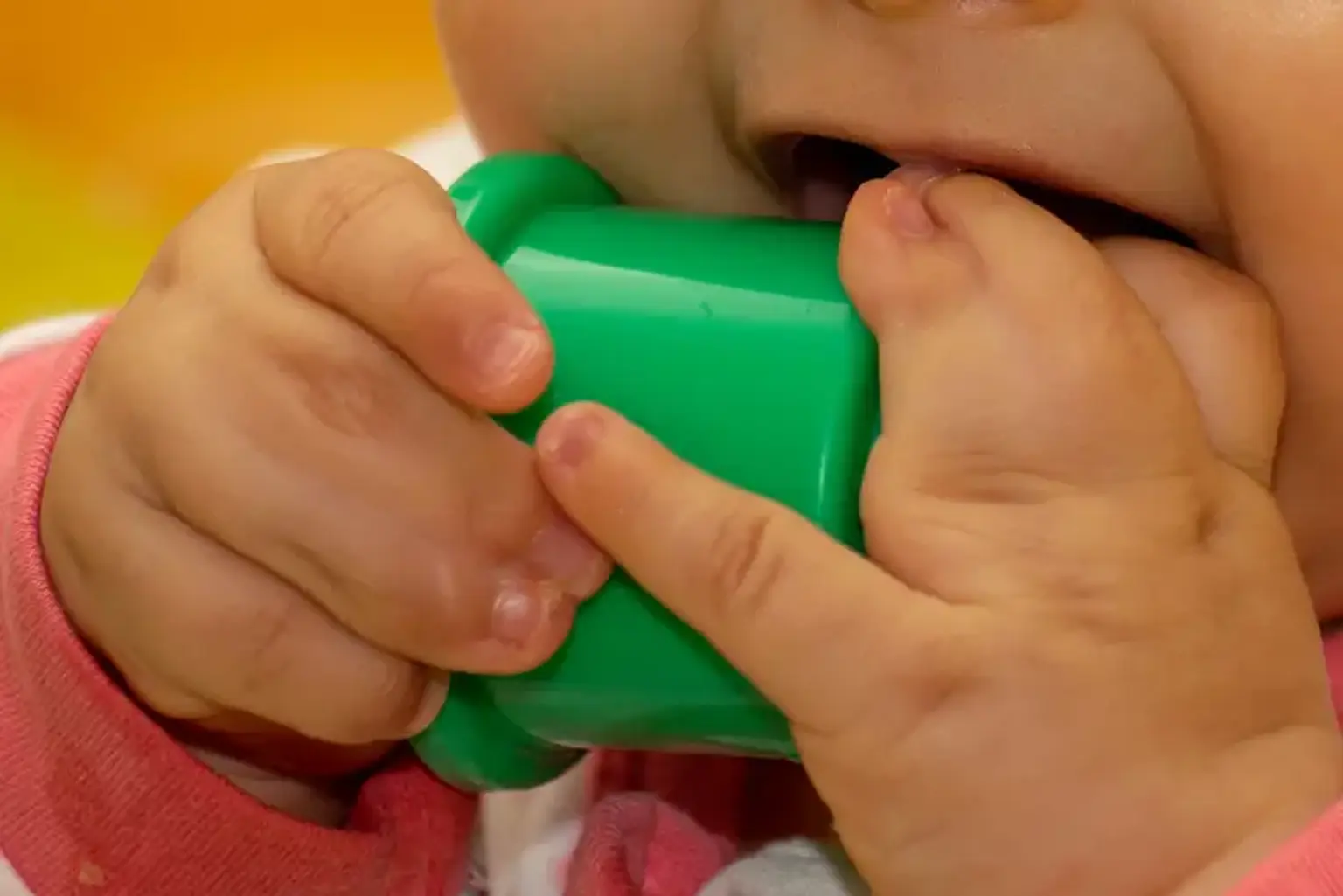
Syndactyly is usually diagnosed at birth, and though its cause is often genetic, it can sometimes be linked to certain syndromes, such as Down syndrome or Apert syndrome. The condition is rare but significant enough to warrant medical attention, as surgical intervention can improve both function and appearance.
Types of Syndactyly
Syndactyly is categorized into different types based on its severity and what is affected. These types include:
Simple (Cutaneous) Syndactyly: The most common form, where only the skin is involved, and the digits remain functional.
Complex Syndactyly: Involves both the skin and the bones, which can make the separation more complicated. This type may require more extensive surgery and recovery.
Complicated Syndactyly: Occurs as part of a broader syndrome with other health issues, such as developmental delays or intellectual disabilities
The condition can also be partial, where only part of the digits are fused, or complete, where the fingers or toes are entirely webbed. Early intervention often results in better functional outcomes, especially in cases involving the thumb or big toe, as they play significant roles in hand and foot function
Causes and Risk Factors of Syndactyly
Syndactyly is primarily a result of abnormal fetal development. During the first eight weeks of pregnancy, a baby’s hands and feet are initially webbed. In a typical pregnancy, the skin between the digits gradually disappears. If this process fails, syndactyly occurs. The exact cause of the failure is not always clear, but it’s often related to genetic mutations, environmental factors, or complications during pregnancy.
Certain syndromes, like Down syndrome and Apert syndrome, can increase the likelihood of syndactyly. In rarer cases, trauma during pregnancy, such as amniotic band syndrome, can cause constriction and scarring, leading to webbing of the fingers or toes
For families with a history of congenital hand malformations, genetic counseling can help identify potential risks in future pregnancies.
How Syndactyly Affects Function and Appearance
Syndactyly can affect both the appearance and function of the hand or foot. While many individuals with the condition can perform everyday tasks without major issues, the fusion of digits may limit the ability to grasp objects properly, especially large or circular items. This can be particularly challenging for children, who might experience difficulty with tasks such as writing, holding utensils, or playing sports.
On a psychological level, syndactyly can impact self-esteem, particularly in social settings. Children with syndactyly may feel self-conscious about their appearance, and the condition can become a source of teasing or bullying. Early surgical correction can help address both functional and cosmetic concerns, boosting the child’s confidence and improving their ability to interact with the world
Diagnosing Syndactyly
Syndactyly is typically diagnosed at birth, but in some cases, it can be detected prenatally through ultrasound. If the condition is suspected, doctors may recommend further imaging tests, such as X-rays or CT scans, to assess the extent of the fusion and whether bones are involved.
Genetic testing might be suggested if syndactyly is part of a broader syndrome. In these cases, the doctor will look for other associated features or abnormalities. Early diagnosis helps plan the appropriate treatment, which is usually surgery, depending on the severity of the condition. Pediatric specialists, particularly pediatric plastic surgeons, often handle the diagnosis and treatment of syndactyly.
Syndactyly Surgery: What to Expect
Syndactyly surgery is a delicate process that requires careful planning. Surgeons may use a variety of techniques to separate the fingers or toes, ensuring that the resulting scars are minimal and that movement is preserved. The procedure typically involves the following steps:
Separation of Digits: The surgeon cuts the webbing, often using a flapped approach where skin is rearranged to cover the exposed areas. This prevents the webbing from reforming as it would with simple cuts.
Reconstruction: If bones are fused, the surgeon may need to separate them as well, requiring more complex procedures and the use of bone grafts or special surgical tools.
Post-Surgery Care: After surgery, the child will likely be placed in bulky soft dressings to protect the newly separated digits. The recovery period can vary, but most children can begin gentle movements within 4 weeks.
Surgery is generally successful, with most patients experiencing significant functional and cosmetic improvements. However, results can vary, and follow-up surgeries may be necessary for some individuals, especially if the fingers or toes begin to re-fuse
Recovery Process After Surgery
The recovery process after syndactyly surgery is gradual and requires close monitoring.
Initial Healing: Immediately after surgery, the child will need to wear soft dressings to protect the surgical site. These dressings are typically kept in place for 3 to 4 weeks. During this time, swelling and discomfort are common, and pain medications are often prescribed to manage any discomfort.
Rehabilitation: Once the initial healing has occurred, the child will begin physical therapy. This helps maintain joint flexibility, softens scars, and ensures proper function is restored. Therapy often starts around 4 weeks post-surgery and may last for several months.
Long-Term Care: While most children experience good functional recovery, some may require additional surgeries later in life if complications arise, such as scarring that limits movement or if the fingers or toes begin to reattach. Regular check-ups are crucial to monitor progress and identify any issues early
Recovery times vary, but most children return to normal activities within 6 weeks, though full recovery of function may take several months.
Treatment Options for Syndactyly
The primary treatment for syndactyly is surgery, as it is the only way to fully correct the fusion of the fingers or toes. Non-surgical options are generally not effective, as the webbing tends to persist without intervention.
When Surgery is Needed: Surgery is typically recommended in infants when the thumb or big toe is involved, usually by 6 months of age. In less severe cases, where only skin is involved and other fingers are not significantly affected, surgery may be performed later, around 12 to 18 months of age.
Surgical Procedure: The procedure involves separating the fused digits and reconstructing the skin and soft tissues to ensure the fingers or toes can move freely. The complexity of the surgery depends on the degree of fusion. In complex cases, skin grafts may be required, though this is less common in modern surgical practices
Long-Term Outcomes and Prognosis
Most children who undergo syndactyly surgery experience excellent outcomes, with restored function and improved appearance. After recovery, the affected digits typically regain full or near-full movement. However, the final result can depend on the severity of the fusion and the timing of the surgery.
For simple syndactyly, where only the skin is fused, the prognosis is generally very good, and most children experience little to no functional limitations. Complex cases, where bones are involved, may require additional surgeries, but even then, many children achieve near-normal hand or foot function over time.
The aesthetic results also tend to improve significantly, with surgical correction allowing the digits to appear more typical. Psychological benefits are substantial, especially for children who previously faced social or self-esteem challenges due to the appearance of their hands or feet
Potential Complications of Syndactyly Surgery
While syndactyly surgery is generally safe, there are some risks involved. Potential complications include:
Infections: As with any surgery, there’s a risk of infection at the incision sites. Proper care and antibiotic treatment can minimize this risk.
Scarring: Some degree of scarring is inevitable, but surgeons use techniques to minimize visible scars. In severe cases, scars may limit joint mobility.
Re-fusion: In complex cases where bone fusion is present, there’s a chance that the digits may re-fuse over time. Follow-up surgeries may be required to correct this.
Experienced surgeons and appropriate post-operative care reduce these risks, ensuring that most patients achieve excellent outcomes without major complications
Syndactyly and Associated Limb Differences
Syndactyly can sometimes co-occur with other congenital limb differences, such as polydactyly (extra digits) or symbrachydactyly (shortened or underdeveloped limbs). These conditions may require more extensive or specialized treatment and can impact the timing of syndactyly surgery.
In some cases, syndactyly may be part of a broader genetic condition or syndrome, such as Apert syndrome, which can involve other physical and developmental issues. Treatment plans for children with these associated conditions often require collaboration between geneticists, pediatric surgeons, and other specialists to ensure comprehensive care
Cultural Perspectives on Syndactyly
The perception of syndactyly varies across cultures. In some societies, having webbed fingers or toes is seen as a rare anomaly, while in others, it may carry symbolic or spiritual significance. For example, in some cultures, certain types of hand malformations, including syndactyly, are believed to be signs of good luck or special traits, while in other societies, they might be viewed negatively.
In modern medical settings, syndactyly is understood primarily as a congenital condition that may require surgical intervention to improve function and aesthetics. However, in certain communities, there can be resistance to surgery due to cultural beliefs or the desire to maintain a unique physical trait. Therefore, discussing the condition openly and addressing any concerns about surgery or outcomes is important for ensuring the best possible results for individuals from diverse backgrounds
Cost of Syndactyly Correction
The cost of syndactyly correction can vary significantly depending on the complexity of the surgery, the location of the procedure, and whether the patient requires multiple surgeries. On average, the cost for a simple surgery can range from $5,000 to $15,000, while more complex cases may cost upwards of $20,000 or more.
Insurance often covers the procedure if it's deemed medically necessary, but coverage can vary depending on the country, insurer, and the specific details of the case. Families should contact their insurance providers early on to understand coverage options. In cases where insurance does not fully cover the procedure, there may be financial assistance programs or payment plans available through the surgical center.
While the initial cost of surgery can seem high, the long-term benefits, such as improved function and appearance, generally make the procedure a worthwhile investment
Prevention and Genetic Counseling for Syndactyly
Syndactyly cannot typically be prevented, as it’s a result of genetic or developmental factors that occur early in pregnancy. However, for families with a history of congenital hand or foot malformations, genetic counseling can help identify potential risks for future pregnancies.
Genetic counselors can explain the likelihood of syndactyly occurring in future children and discuss available testing options, such as prenatal screening or genetic testing, to assess the risk. Early intervention and awareness of the condition are key to ensuring the best possible outcome for affected children
Technological Advancements in Syndactyly Surgery
Syndactyly surgery has advanced significantly over the years, thanks to improvements in microsurgery and reconstructive techniques. Surgeons now have access to more precise tools, such as 3D imaging and virtual planning, allowing them to better plan the separation of digits before performing surgery. These technologies enable doctors to predict potential complications, such as skin tension or re-fusion, and create more effective surgical strategies.
Newer techniques in skin grafting and flap reconstruction have also improved cosmetic outcomes. Surgeons are now able to use the patient's own tissue more effectively, minimizing scarring and improving both the functionality and appearance of the digits. Advances in robot-assisted surgery and other minimally invasive techniques have further reduced recovery times, enabling children to return to their normal activities more quickly
Patient Stories: Real-Life Experiences with Syndactyly
Real-life stories of children and adults who have undergone syndactyly surgery highlight the transformative effects of the procedure. For many children, surgery allows them to perform everyday tasks, such as holding a pencil or playing a musical instrument, which might have been difficult before. Parents often report that their children experience a boost in self-esteem and confidence, especially as they can interact more freely in social settings without feeling self-conscious about their hands or feet.
One story involves a young boy who had his fingers fused at birth. After surgery, he regained full use of his hand, enabling him to play soccer and participate in class activities. His parents noted that, beyond the physical changes, his newfound confidence made a significant difference in his social life, showing how much of an impact the surgery can have on a child’s overall well-being.
These personal stories illustrate that syndactyly correction is not just about improving function but also about enhancing quality of life and self-image
Psychological Impact of Syndactyly on Children
For children with syndactyly, the psychological effects can be just as significant as the physical ones. Many children with syndactyly experience feelings of embarrassment or self-consciousness, especially when interacting with peers. The appearance of webbed fingers or toes can sometimes lead to bullying or teasing, which may affect a child’s self-esteem and confidence.
Fortunately, corrective surgery not only improves the function of the hand or foot but also has a positive impact on a child's mental well-being. After surgery, many children feel more confident and are more willing to engage in social and physical activities. Parents often report that their children experience a marked improvement in their emotional health, as the condition no longer serves as a source of insecurity
For this reason, early intervention is important—not only for the physical benefits of the procedure but also for helping children maintain a positive self-image. Counseling and psychological support may also be helpful in addressing the emotional challenges faced by children and their families before and after surgery.
Syndactyly in Adults: Treatment and Management
Though syndactyly is typically corrected in infancy or early childhood, some individuals may live with the condition into adulthood. In cases where syndactyly is not addressed in childhood, or if the condition worsens over time, surgical intervention in adulthood may still be an option.
Adult patients may experience more stiffness or loss of function in the affected digits compared to children. Additionally, the skin may be less flexible, making surgery more complicated. However, the benefits of surgical correction—improved function and appearance—can still be significant for adults, especially those whose professional or personal lives require greater dexterity, such as musicians or athletes.
Adult patients should consult with a hand or foot specialist to evaluate whether surgery is necessary. In some cases, surgery may not be recommended if the webbing is minimal and doesn’t affect daily functioning, but for those with more severe cases, surgery can greatly improve quality of life
Future Directions in Syndactyly Research
As medical research advances, new treatments and techniques for syndactyly correction are continually emerging. One promising area is the use of stem cell therapy to regenerate tissues and potentially reduce the need for grafting. Research is also exploring genetic therapies that could address the root causes of syndactyly before birth, offering a potential for prevention rather than correction.
Further advancements in 3D printing technology might also revolutionize the field. In the future, custom-made prosthetics or surgical tools could help surgeons perform even more precise and personalized procedures. This could lead to improved outcomes, faster recovery times, and even better cosmetic results.
While many of these advancements are still in early stages, they hold great promise for individuals with syndactyly, offering hope for even more effective treatments in the future
Conclusion
Syndactyly, while relatively rare, can have a significant impact on a child's life if left untreated. Early diagnosis and intervention are crucial for both functional and psychological outcomes. With modern surgical techniques, most children with syndactyly can expect a full recovery, gaining both improved physical function and enhanced self-esteem.
Parents and caregivers should be aware of the signs of syndactyly and seek medical advice if they suspect the condition. Through careful planning, expert surgical care, and post-operative rehabilitation, syndactyly can be corrected, enabling affected individuals to lead full, active lives.
Ultimately, while syndactyly may present challenges, it is a condition that can be effectively managed. With the support of skilled healthcare professionals, patients and families can feel confident about the potential for positive results. Early intervention, comprehensive care, and ongoing research continue to make a profound difference in the lives of those affected by this condition