Introduction
Tooth extraction and oral surgery are essential procedures that maintain or improve oral health. Whether it’s a routine removal of a decayed tooth, the extraction of wisdom teeth, or more complex surgeries, these procedures are vital in preventing further dental problems.
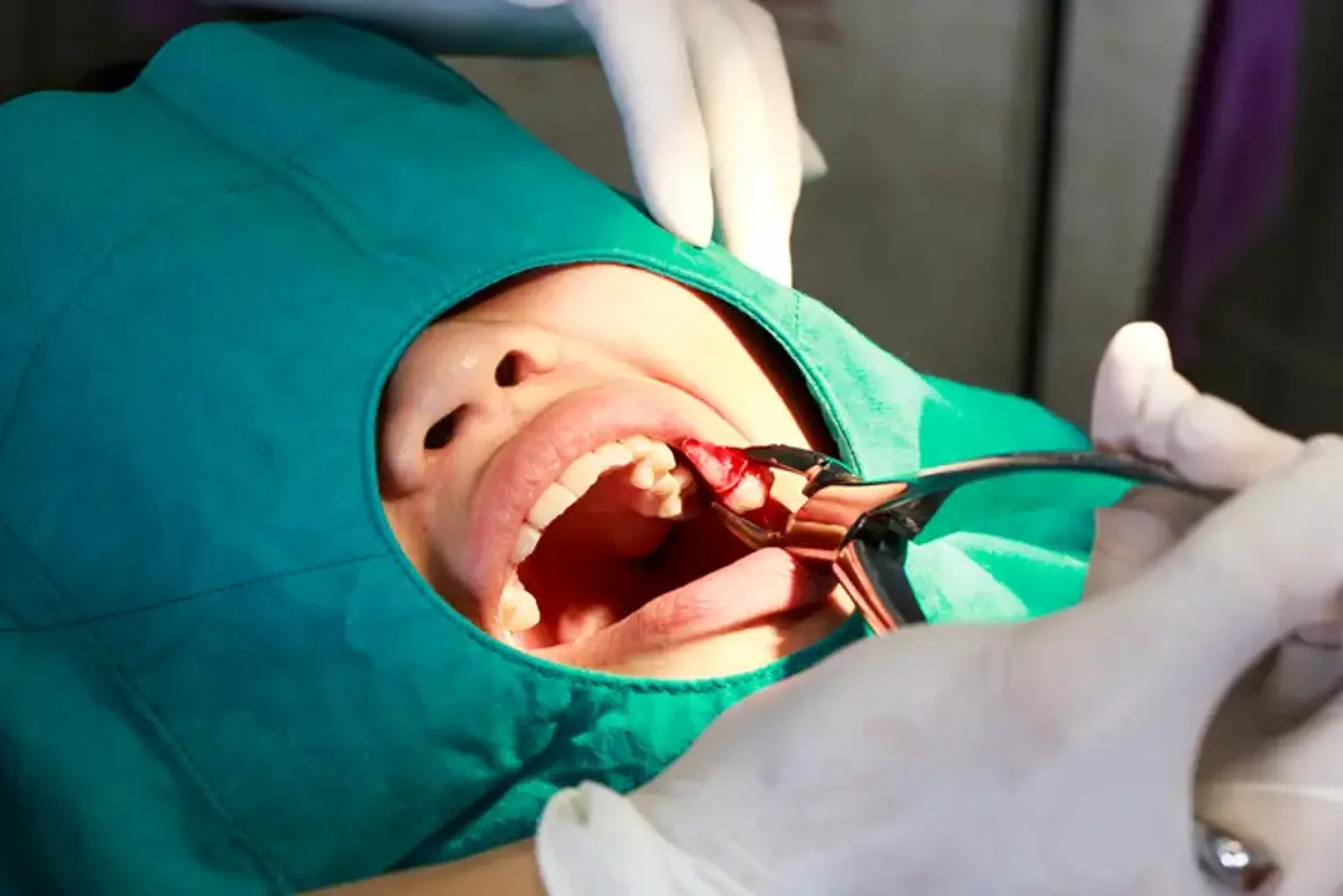
Tooth extractions are often performed to address issues like severe tooth decay, infections, overcrowding, or trauma. Oral surgeries, on the other hand, can involve more complex treatments like wisdom tooth removal, treating abscesses, or performing bone grafts for dental implants. These procedures are commonly performed by oral surgeons who specialize in such treatments, ensuring the patient’s safety and comfort throughout the process.
In this article, we’ll explore the different types of tooth extractions, the surgical process, and recovery expectations, so you can understand what’s involved and what to expect.
Types of Tooth Extractions: Simple vs. Surgical
Not all tooth extractions are the same. They can be classified into two types: simple extractions and surgical extractions. Each procedure is performed based on the tooth’s condition and position in the mouth.
Simple Extractions: This is the most straightforward type of extraction. It's typically done on teeth that are visible in the mouth and have been loosened due to decay or trauma. The process involves numbing the area with local anesthesia, then using forceps to remove the tooth. It's quick, minimally invasive, and requires a short recovery time.
Surgical Extractions: This type of extraction is necessary when the tooth is impacted (not fully emerged) or broken off below the gumline. It requires a more detailed approach, often including an incision in the gum to access the tooth. Surgical extractions may also involve bone removal and are commonly performed for wisdom teeth or severely damaged teeth.
Both types of extractions require careful planning, and the choice depends on the condition of the tooth, the patient's overall health, and the complexity of the extraction.
The Process of a Tooth Extraction
When you go in for a tooth extraction, whether simple or surgical, the procedure follows several key steps to ensure safety and comfort.
Pre-surgical Consultation: Before the surgery, your dentist or oral surgeon will evaluate your oral health, review your medical history, and may take X-rays to understand the positioning of the tooth. For impacted teeth, a CT scan might also be performed.
Anesthesia: Depending on the complexity of the extraction, your surgeon will administer anesthesia. For a simple extraction, local anesthesia is typically used to numb the area around the tooth. For more complex extractions, such as wisdom tooth removal, sedation or general anesthesia may be required to keep the patient relaxed or asleep.
The Extraction: During the procedure, the oral surgeon will either loosen the tooth with forceps or make an incision to remove a tooth that is impacted or broken. In the case of surgical extractions, the surgeon may need to remove a small amount of bone or cut the tooth into smaller pieces for easier removal.
Aftercare: Once the tooth is removed, the extraction site is cleaned, and the wound may be stitched to promote healing. Gauze is typically placed to control any bleeding.
The entire process usually takes about 20 to 40 minutes, depending on the complexity of the procedure. You may be given post-operative care instructions, including how to manage pain, swelling, and diet.
Common Reasons for Oral Surgery Beyond Extractions
While tooth extractions are the most common reason for oral surgery, other conditions may require surgical intervention. Below are a few situations where oral surgery is necessary:
Wisdom Teeth Removal: Wisdom teeth, the last set of molars, often need to be removed when they become impacted (unable to fully emerge) or cause overcrowding, pain, or infection. They may also need to be removed to prevent future dental issues.
Tooth Infections and Abscesses: If a tooth infection is severe or reaches the root, a surgical procedure may be required to drain abscesses or remove the infected tooth. This is crucial to prevent the infection from spreading to other parts of the body.
Bone Grafting for Implants: In some cases, bone loss in the jawbone occurs due to tooth extraction, injury, or disease. Bone grafting may be necessary before placing a dental implant to restore jaw strength and ensure the implant’s stability.
Treatment of Impacted Teeth: Teeth that are unable to emerge properly from the gums can cause pain, infections, or misalignment. Oral surgeons may need to perform surgery to extract or reposition these teeth.
Oral surgeries can address these and other complex dental problems. For patients needing these types of surgeries, a thorough consultation with an oral surgeon will ensure the best course of action.
Wisdom Tooth Removal: What to Expect
Wisdom tooth removal is one of the most common reasons for oral surgery, especially among young adults. Wisdom teeth, or third molars, are the last set of teeth that usually emerge between the ages of 17 and 25. These teeth can become problematic if there isn’t enough space in the jaw for them to grow properly, leading to impaction, infection, or misalignment.
During the procedure, the oral surgeon will make an incision in the gum to access the tooth, which may need to be broken into pieces for removal. Depending on the complexity, patients are given either local anesthesia with sedation or general anesthesia. The recovery time typically ranges from a few days to a couple of weeks, with discomfort and swelling gradually subsiding as the gum heals.
Tooth Extraction Recovery: What Happens After Surgery
After a tooth extraction, recovery typically involves some swelling, pain, and bleeding, especially in the first 24 hours. To help manage this, it’s important to follow the dentist’s aftercare instructions carefully. This may include biting down on gauze to control bleeding, using ice packs to reduce swelling, and taking prescribed pain medication.
For the first few days, avoid hard or hot foods that could irritate the site. Rest is crucial to allow the body to heal, and you should refrain from smoking or using straws, as these can cause a painful condition called dry socket. Generally, it takes about one to two weeks for the gums to heal fully, although complete healing of the bone may take a few months.
Managing Pain After Tooth Extraction Surgery
Pain management after a tooth extraction is essential for a smooth recovery. Immediately after the procedure, the oral surgeon may provide painkillers to keep discomfort at bay. Over-the-counter options like ibuprofen or acetaminophen can also be effective. If the pain becomes intense or persists beyond the first few days, it’s important to contact the surgeon for further advice.
In addition to medication, there are home remedies that can help manage pain, such as saltwater rinses to reduce swelling and promote healing. For more severe pain, prescribed medications, including stronger painkillers or antibiotics, may be necessary if an infection is suspected.
Potential Risks and Complications of Tooth Extractions
While tooth extractions are generally safe, like any surgical procedure, they do come with some risks. The most common complications include:
Dry Socket: This occurs when the blood clot at the extraction site dislodges, exposing the bone. It can cause severe pain and delays healing.
Infection: An infection at the site of extraction can lead to prolonged pain, swelling, and possible pus discharge. It's usually treatable with antibiotics.
Excessive Bleeding: Some bleeding is normal, but if bleeding persists for more than a few hours, you should seek medical attention.
To minimize risks, follow post-surgery instructions carefully, maintain good oral hygiene, and attend follow-up appointments as advised by your oral surgeon. With proper care, the likelihood of complications can be minimized, ensuring a smooth recovery.
Oral Health Benefits of Tooth Extractions and Oral Surgeries
Tooth extractions and oral surgeries play a critical role in maintaining overall oral health. When a damaged or infected tooth is removed, it prevents further complications such as abscesses, gum disease, and bone loss. By extracting a problematic tooth, the risk of infection spreading to surrounding teeth or structures is reduced.
For example, impacted wisdom teeth can lead to infections that affect nearby teeth and the gums, so their removal can help protect the rest of your mouth. Similarly, other surgeries, such as bone grafting after an extraction, help rebuild the jawbone, maintaining the foundation for future treatments like dental implants. This not only improves oral function but can also enhance a patient's smile and self-confidence.
Pre-Surgical Assessments: How Dentists Prepare for Oral Surgery
Before any oral surgery, a thorough assessment is necessary to ensure the procedure is safe and effective. The dentist or oral surgeon will evaluate the patient’s medical history, taking note of any underlying conditions (e.g., diabetes, heart disease, or bleeding disorders) that could impact healing or increase the risk of complications.
Imaging, such as X-rays or 3D scans, are often used to understand the position and structure of the teeth, roots, and jawbone. This is especially important for complex extractions like wisdom teeth or impacted teeth. If any additional treatments are needed, such as bone grafting, they will be discussed during this planning phase. Proper planning ensures that the surgery proceeds smoothly and that the patient’s needs are met.
Understanding the Cost of Tooth Extractions and Oral Surgeries
The cost of tooth extractions and oral surgeries can vary widely based on factors such as the complexity of the procedure, location, and whether additional treatments are required (e.g., bone grafting or sedation). A simple tooth extraction may cost between $75 to $300, while a surgical extraction can range from $225 to $600 or more.
Patients should also consider the costs associated with follow-up appointments, medications, and potential complications. Dental insurance often covers a portion of these costs, especially for medically necessary surgeries. However, cosmetic procedures, such as removing healthy teeth for braces, may not be covered. Financing options are available at many dental practices, allowing patients to pay for treatments in installments.
Alternative Treatments to Tooth Extraction
Not every dental issue requires extraction. In many cases, dentists will try to save a tooth through restorative treatments before recommending extraction. For example, a root canal can often preserve a tooth that is severely decayed or infected, allowing it to function normally without the need for removal.
Crowns, fillings, and bridges are other alternatives that can help restore the integrity of a tooth. In cases where alignment issues are present, orthodontic treatment may be suggested instead of extracting teeth to create more space. When considering treatment options, it’s important to discuss all alternatives with your dentist or oral surgeon to determine the best course of action for your long-term oral health.
Oral Surgery for Tooth Infections and Abscesses
Tooth infections and abscesses can be severe, often requiring surgical intervention to prevent the infection from spreading to the jawbone or other areas of the body. An abscess occurs when bacteria infiltrate the tooth’s pulp, causing an accumulation of pus. If left untreated, it can lead to a systemic infection, which may affect your overall health.
In cases where a tooth infection cannot be treated with antibiotics or a root canal, an oral surgeon may need to drain the abscess or remove the infected tooth. This procedure involves making a small incision to release the pus and clean the area. In more severe cases, the surrounding bone may also need to be cleaned to prevent further infection. Swift treatment is essential for preventing complications such as sepsis or the spread of infection to other areas.
The Role of Bone Grafting in Tooth Extractions
Bone grafting is often performed after a tooth extraction to preserve the jawbone’s structure, especially in preparation for dental implants. When a tooth is removed, the jawbone can begin to shrink, leading to a loss of bone mass. Bone grafting helps prevent this and creates a stable foundation for future restorative procedures.
The grafting procedure involves placing bone material into the area where the tooth was extracted. This material can be sourced from the patient’s own body, a donor, or synthetic materials. Over time, the bone graft integrates with the patient’s natural bone, providing a solid base for dental implants. Bone grafting is crucial for patients seeking implants, as a lack of bone can make it difficult or impossible to place them.
Recovery Timeline: What to Expect in the Days, Weeks, and Months After Surgery
The recovery timeline after tooth extraction and oral surgery can vary depending on the complexity of the procedure and the patient’s overall health. Generally, patients can expect the following stages of recovery:
First 24-48 hours: The focus is on controlling bleeding and swelling. Pain is typically managed with medications, and ice packs are used to reduce swelling.
First week: Swelling and discomfort may still be present, but they should begin to subside. You should avoid strenuous activities and follow all aftercare instructions to avoid complications like dry socket.
One month: Most of the initial healing will have occurred, but you may still experience some tenderness in the area. By this point, the gum tissue should be mostly healed.
Several months: Full bone healing after an extraction can take several months, especially if bone grafting is involved. If you’re planning for a dental implant, your surgeon will guide you on when it’s safe to proceed with the next phase of treatment.
Patients who follow post-operative care instructions closely tend to heal more quickly and with fewer complications.
Post-Extraction Care: Do’s and Don’ts
Proper aftercare is essential for a smooth recovery after tooth extraction. Here’s a list of key do’s and don’ts to ensure you heal well:
Do’s:
Rest: Avoid strenuous physical activity for at least 24-48 hours to promote healing.
Follow up with your surgeon: Attend any scheduled follow-up appointments to ensure that healing is progressing as expected.
Keep the extraction site clean: Gently rinse with warm salt water after 24 hours to help keep the area clean and promote healing.
Take prescribed medications: If antibiotics or pain medications are prescribed, take them as directed to manage pain and prevent infection.
Don’ts:
Avoid smoking: Smoking can increase the risk of complications, such as dry socket, and delays the healing process.
Don’t use straws: The suction can dislodge the blood clot that forms in the extraction site, leading to painful dry socket.
Avoid hot foods and drinks: These can irritate the extraction site and delay healing.
Don’t touch the site with your fingers: This can introduce bacteria and increase the risk of infection.
By adhering to these guidelines, you can minimize discomfort and promote faster healing.
Managing Anxiety and Fear Before Oral Surgery
It’s natural to feel anxious or fearful before any oral surgery, especially when a tooth extraction or more complex procedure is involved. However, there are several ways to manage this anxiety and ensure a calm, stress-free experience.
Discuss concerns with your dentist or oral surgeon: Having a conversation about what to expect can ease your mind. Ask questions about the procedure, anesthesia options, and recovery.
Sedation options: Many patients benefit from sedation during oral surgeries. Options such as laughing gas, oral sedatives, or even general anesthesia are available, depending on the complexity of the surgery.
Relaxation techniques: Deep breathing, meditation, or listening to calming music before your appointment can help reduce stress levels. A calm, relaxed state will make the procedure more comfortable.
Understanding the steps of the procedure and knowing that your dentist or surgeon is committed to making you comfortable can help alleviate much of the anxiety associated with surgery.
The Importance of Choosing a Qualified Oral Surgeon
When it comes to tooth extractions and oral surgeries, the experience and qualifications of your oral surgeon are crucial for a successful outcome. A skilled oral surgeon not only ensures the procedure is done correctly but also minimizes the risk of complications and speeds up the recovery process.
Board certification: Look for oral surgeons who are board-certified by reputable organizations, such as the American Association of Oral and Maxillofacial Surgeons (AAOMS).
Experience with similar procedures: Ensure your surgeon has experience performing the specific type of oral surgery you need, whether it’s a simple extraction, wisdom tooth removal, or a more complicated surgery.
Reputation and reviews: Research the surgeon’s reputation through online reviews and word-of-mouth recommendations from past patients. This can provide insight into their skill level and patient care.
Choosing a highly qualified oral surgeon is essential for ensuring your safety, comfort, and the best possible results.
Preventing Future Dental Issues After Surgery
After tooth extractions or other oral surgeries, it’s important to take steps to prevent further dental issues from arising. Proper oral care is vital to ensuring that your remaining teeth remain healthy and that you don’t face more extractions down the line.
Good oral hygiene: Continue brushing your teeth twice a day, but avoid brushing the extraction site directly during the initial healing period. Use a soft toothbrush to avoid irritation.
Regular dental checkups: Keep up with routine visits to your dentist for checkups and professional cleanings. These visits help catch any potential issues early and keep your mouth healthy.
Healthy diet: Eating a balanced diet rich in calcium and other nutrients promotes strong teeth and bones. Avoid sugary foods that can contribute to cavities and gum disease.
Avoid bad habits: Habits like smoking or chewing on hard objects can increase the risk of dental problems. If you’re considering a dental implant or other restorative treatment, maintaining good habits is essential for long-term success.
By following these practices, you can preserve the health of your teeth and gums and avoid future dental surgeries.
Conclusion
Tooth extractions and oral surgeries are important components of maintaining optimal oral health. Whether it’s removing a decayed tooth, extracting impacted wisdom teeth, or addressing oral infections, these procedures help restore functionality and prevent further complications. While recovery may take time, the results are often well worth the effort.
By choosing a qualified oral surgeon, following post-operative instructions, and maintaining good oral hygiene, you can ensure a smooth recovery and long-term oral health. Regular dental visits, along with preventive measures like avoiding harmful habits and eating a balanced diet, will also help you keep your smile healthy for years to come.