Introduction
Tooth replantation is a dental procedure designed to save a tooth that has been knocked out, or "avulsed," due to an accident or trauma. This process involves reattaching the tooth back into its socket, provided it's done within a specific time window. The primary goal of tooth replantation is to preserve the natural tooth, which is beneficial for both aesthetic and functional reasons. The earlier the tooth is replanted, the better the chances of a successful outcome.
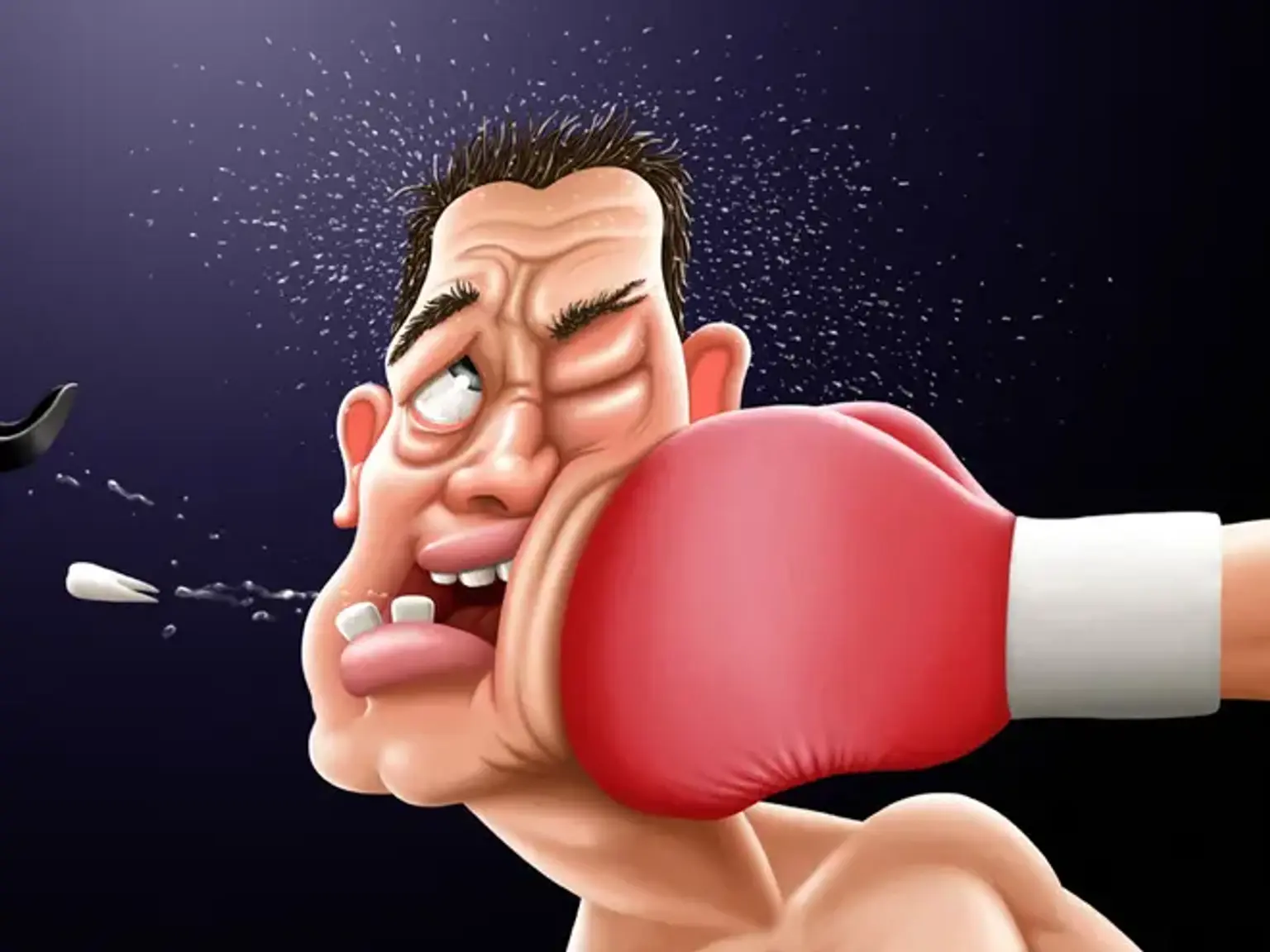
When a tooth is avulsed, it’s crucial to act quickly to preserve the tooth. Immediate professional care can often save the tooth, preventing the need for costly and invasive replacements like dental implants. The success of the procedure depends on factors like timing, preservation, and the skill of the dentist performing the replantation.
Understanding Dental Avulsion
Dental avulsion occurs when a tooth is forcibly knocked out of its socket. It is most common in children and young adults, often resulting from sports injuries, falls, or car accidents. An avulsed tooth, especially a permanent one, can cause both physical and emotional distress, as the tooth is vital for chewing, speaking, and maintaining facial aesthetics.
The tooth’s root may still be viable after avulsion, which is why replantation is possible. However, the longer the tooth remains outside of the mouth, the less likely the procedure will be successful. Teeth that are out of the mouth for more than 60 minutes face lower chances of survival due to potential damage to the root tissue.
When Is Tooth Replantation Needed?
Tooth replantation is necessary when a tooth is knocked out, and it’s a viable candidate for reinsertion. The timing of replantation is critical. Ideally, the tooth should be replanted within 30 minutes to 2 hours for the best chance of success. The longer the tooth remains outside the mouth, the less likely it will survive the procedure.
For immediate action, preserving the tooth in milk or saline can increase its chances of survival. After that, a dentist or oral surgeon will need to assess the tooth and the condition of the socket to determine whether it can be successfully replanted. If replantation is not possible, alternative treatments like dental implants may be suggested.
The Procedure for Tooth Replantation
The replantation procedure itself involves a series of steps to ensure the tooth is securely reattached and that the surrounding tissues heal properly. Here’s a brief breakdown:
Initial Assessment: The dentist first evaluates the tooth, the socket, and the surrounding area. An X-ray may be taken to assess the extent of damage to the tooth and the root.
Cleaning the Tooth and Socket: The tooth is gently cleaned to remove debris. If necessary, the dentist will rinse the socket with saline to remove any dirt or bacteria that could cause infection.
Repositioning the Tooth: The tooth is then carefully placed back into its original socket. The dentist may use a splint or other methods to hold the tooth in place during the healing process.
Post-Procedural Care: After the tooth is replanted, the dentist will provide instructions for at-home care, such as pain management, dietary restrictions, and the need for follow-up visits.
Successful replantation requires prompt action and professional dental care. The dentist's ability to properly place the tooth and monitor recovery is key to ensuring the procedure’s success.
Immediate Aftercare Following Tooth Replantation
After tooth replantation, proper care is essential for the tooth’s survival and to avoid complications. Here’s what you need to do:
Pain Management: It’s common to experience some discomfort after the procedure. Over-the-counter pain relievers like ibuprofen can help manage pain, but always follow your dentist’s recommendations.
Dietary Restrictions: Stick to soft foods for the first few days to avoid disturbing the replanted tooth. Avoid hard, crunchy, or sticky foods that could dislodge the tooth.
Good Oral Hygiene: Brush gently around the reimplanted tooth, avoiding vigorous scrubbing. Your dentist may recommend an antibacterial mouthwash to reduce the risk of infection.
Follow-Up Visits: Your dentist will schedule follow-up appointments to monitor the healing process and ensure the tooth is properly integrating into the socket.
Success Rate of Tooth Replantation
The success of tooth replantation depends on several factors, with timing being the most crucial. If the tooth is replanted within 30 minutes to 2 hours, there’s a higher chance it will successfully reattach. However, after more than two hours, the risk of failure increases as the tooth’s root may suffer irreversible damage.
Children generally have a higher success rate compared to adults, as their root tissues are still developing, which allows for better healing. The success rate also varies based on the tooth’s condition, whether the tooth was kept moist, and how the procedure is performed. Overall, the success rate can range from 50% to 90% depending on these factors.
Factors That Impact the Success of Tooth Replantation
Several factors influence whether a tooth replantation will be successful:
Time: The sooner the tooth is replanted, the better the chances of success. The root of the tooth starts deteriorating the longer it is out of the mouth.
Storage of the Tooth: Keeping the tooth in a suitable medium, such as milk or saline, significantly improves its chances of survival.
Condition of the Tooth: If the tooth is cracked, broken, or severely damaged, the chances of success decrease. A healthy tooth with an intact root has a better chance of reattaching.
Dentist’s Skill: A skilled dentist can minimize complications by handling the tooth carefully and ensuring it’s replanted properly.
Possible Risks and Complications
While tooth replantation is often successful, there are some risks and complications to be aware of:
Infection: The replantation site could become infected if not properly cared for, which can hinder the healing process and may require further treatment.
Tooth Failure: Sometimes, the tooth does not reattach or may become loose after replantation. In such cases, further procedures like root canal treatment or extraction may be necessary.
Root Resorption: Over time, the tooth’s root can dissolve, especially if it was out of the mouth for an extended period. This may require additional dental interventions.
Discomfort or Pain: Some level of discomfort is normal, but severe pain or swelling could signal complications and should be addressed by your dentist immediately.
Despite these risks, early intervention and proper care can significantly improve the chances of a successful replantation.
Tooth Replantation in Children vs. Adults
Tooth replantation outcomes can vary between children and adults. Children typically experience better results due to the nature of their developing teeth and root structures. In younger patients, the roots are still forming, which allows for better healing and integration of the tooth. This increases the chances of success when a tooth is replanted, especially if the replantation occurs soon after the avulsion.
Adults, on the other hand, face lower success rates since the root structure has matured and may be less responsive to replantation. In addition, adult teeth are more prone to root resorption, a condition where the body gradually absorbs the root of the tooth after replantation. While replantation is still possible, adults may require further treatments like root canal therapy to preserve the tooth long-term.
Cost of Tooth Replantation
The cost of tooth replantation varies widely depending on location, the complexity of the case, and whether any additional procedures are required. On average, replantation can cost anywhere from $500 to $2,000 per tooth. This cost may increase if the procedure involves additional treatments, such as a root canal, or if the patient requires sedation.
Dental insurance may cover part or all of the procedure, but it’s essential to check your policy for coverage specifics. If replantation is not possible and alternative treatments like dental implants are required, the costs can rise even further, making early intervention essential for reducing long-term dental expenses.
Long-Term Outlook and Monitoring
After tooth replantation, monitoring is crucial to ensure that the tooth remains stable and healthy. Typically, the dentist will schedule follow-up visits to check on the progress of the reattached tooth. X-rays will be taken periodically to monitor the root and surrounding bone for any signs of infection, resorption, or other complications.
Even with successful replantation, the tooth may require further care in the future. If root resorption occurs, a root canal may be necessary to preserve the tooth. The patient should be vigilant in maintaining good oral hygiene and attending all follow-up appointments to ensure long-term success.
What to Do if Tooth Replantation Isn’t Possible
If tooth replantation isn’t possible due to the extent of damage or the time elapsed since the tooth was knocked out, there are several alternative treatments to consider:
Dental Implants: A dental implant is a permanent solution where an artificial tooth root is placed in the jawbone, followed by a crown. This is a highly effective and long-lasting option, though it’s more invasive and costly than replantation.
Dental Bridges: If the replanted tooth cannot be saved, a dental bridge may be an option to fill the gap. This involves placing crowns on the neighboring teeth and bridging the gap where the tooth was lost.
Removable Dentures: For patients who may not be candidates for implants or bridges, removable partial dentures can help restore function and appearance.
Regardless of the alternative, it's essential to discuss these options with your dentist to choose the best course of action for restoring both the function and aesthetics of your smile.
Preventing Tooth Avulsion: Tips for Protecting Your Teeth
While tooth replantation is a life-saving procedure for knocked-out teeth, prevention is always better than treatment. Here are some practical tips to reduce the risk of tooth avulsion:
Wear Protective Gear: If you participate in contact sports, wearing a mouthguard is essential. A properly fitted mouthguard can absorb the impact from blows and reduce the likelihood of a tooth being knocked out.
Avoid Risky Activities: Activities like skateboarding, cycling, or even roughhousing can increase the risk of falls or collisions. Exercise caution and wear protective equipment, such as helmets, to reduce the risk of accidents.
Good Oral Hygiene: Strong, healthy teeth are less likely to be knocked out during an accident. Maintaining good oral hygiene and regular dental checkups helps keep your teeth strong and healthy.
Child Safety: Teaching children to be cautious while playing and supervising them during rough activities can help reduce the risk of injury to their teeth.
How Tooth Replantation Impacts Quality of Life
Tooth replantation can have a significant impact on a person’s quality of life. Losing a tooth, especially a visible one like a front tooth, can have both physical and emotional consequences. Replanting the tooth allows individuals to restore their smile and functionality in everyday tasks such as eating, speaking, and smiling.
Additionally, a successful replantation helps improve self-esteem and confidence. Patients no longer need to worry about the aesthetics of a missing tooth, which can be particularly important for those with social or professional concerns. In children, replanting a tooth also ensures proper development of the surrounding teeth and jaw, preventing future dental issues.
Tooth Replantation: A Global Perspective
Tooth replantation is a globally recognized procedure, particularly in countries with advanced dental care systems. The procedure’s availability and success rates depend on various factors such as healthcare infrastructure, access to dental professionals, and public awareness.
In developed nations, the success rates for tooth replantation are generally high, as quick access to dental care and appropriate facilities are more common. In some developing countries, however, delays in access to dental care can decrease the likelihood of a successful outcome. Nonetheless, awareness about the importance of prompt action after tooth avulsion is growing worldwide, contributing to better results and a higher chance of tooth survival.
Tooth Replantation: Case Studies and Success Stories
Real-life success stories are often the most reassuring for potential patients. Many individuals who’ve undergone tooth replantation share positive experiences of regaining a natural smile and preserving their oral health. For example, one patient, a young athlete who lost a tooth during a soccer game, had their tooth successfully replanted within an hour of the injury. After follow-up care, the tooth reattached and remained stable for many years, allowing the patient to continue enjoying sports and maintaining a natural appearance.
Another case involved an adult who, after a fall, had their tooth replanted more than two hours after the incident. Despite the longer time frame, with appropriate care and treatment, the tooth successfully reattached, though the patient required a root canal to preserve it. These stories highlight the importance of acting quickly and seeking professional help for the best outcomes.
Long-Term Care After Tooth Replantation
Once the tooth has been successfully replanted, long-term care is crucial for maintaining its health and functionality. Over the months following the procedure, patients should be mindful of the following:
Routine Dental Checkups: Regular dental visits are necessary to monitor the tooth’s stability and detect any signs of complications, such as infection or root resorption.
Avoiding Excessive Pressure: While the replanted tooth is healing, avoid putting excessive pressure on it. This means refraining from chewing on hard foods or using the tooth to bite into tough objects.
Good Oral Hygiene: Keeping the tooth clean is vital to prevent infection. Brush gently around the area and use antibacterial mouthwash as recommended by your dentist.
Avoid Smoking: Smoking can hinder the healing process by reducing blood flow to the gums and tissues around the replanted tooth. It’s best to avoid smoking during the recovery period to ensure optimal healing.
Tooth Replantation vs. Other Dental Procedures
Tooth replantation is just one of several options for dealing with a lost tooth, but it often offers the best outcome when performed quickly. Let’s compare it to other common procedures:
Dental Implants: Implants are often considered when replantation isn’t possible due to the tooth’s condition or the time elapsed. While implants are a highly effective and permanent solution, they involve surgery, require several months for full integration, and are more expensive than replantation.
Dental Bridges: A bridge is an alternative when replantation is unsuccessful. It’s a less invasive procedure but may require altering adjacent teeth to support the bridge, and it doesn’t restore the natural root of the tooth.
Removable Dentures: Dentures are another option for replacing lost teeth but can be uncomfortable and require maintenance. They don't restore the natural tooth’s root and can affect speech and chewing efficiency.
In many cases, tooth replantation remains the preferred choice when it's viable, as it preserves the tooth’s root, which is essential for maintaining long-term oral health.
Advances in Tooth Replantation Techniques
The field of dental care continues to evolve, and so do the methods used for tooth replantation. Recent advancements include:
Improved Preservation Techniques: New research into tooth preservation has led to better methods of storing avulsed teeth before replantation. For example, studies have shown that storing an avulsed tooth in a special solution, such as Hank’s Balanced Salt Solution (HBSS), helps preserve the root and improve the chances of successful replantation.
Regenerative Therapies: Innovations in regenerative medicine, including stem cell research, may one day offer even more promising outcomes for tooth replantation. These therapies could potentially enhance the ability of the tooth to reattach to the jawbone or regenerate lost root tissue.
Minimally Invasive Techniques: Advances in dental technology allow for more precise and minimally invasive replantation procedures, which can reduce recovery time and improve patient comfort.
While tooth replantation has been a well-established procedure for decades, ongoing research and technology are expected to continue improving its success rates and overall outcomes.
Conclusion
Tooth replantation is a remarkable procedure that offers hope to individuals who suffer from tooth avulsion due to injury or trauma. The success of the procedure largely depends on how quickly the tooth is replanted and the care taken in the days following the procedure. By acting fast, keeping the tooth moist, and seeking immediate professional help, the chances of replanting a tooth successfully can be significantly improved.
Ultimately, tooth replantation is a cost-effective solution that preserves the natural tooth, enhancing both function and appearance. However, if replantation isn’t possible, there are other options, like implants and bridges, that can help restore your smile.
With ongoing advancements in dental care, the future of tooth replantation looks promising. Whether you're facing a dental emergency or just looking to understand the procedure, it’s always important to consult with a qualified dental professional who can guide you through the best possible treatment options for your unique situation.