Introduction
Toric multifocal lens implantation is a modern eye surgery designed to correct both astigmatism and presbyopia while also addressing cataracts. Unlike traditional single-focus lenses, multifocal intraocular lenses (IOLs) offer clear vision at various distances, reducing the need for glasses or contact lenses. With advancements in refractive cataract surgery, this procedure has gained immense popularity worldwide, particularly among people seeking more freedom from corrective eyewear.
By integrating astigmatism correction into the multifocal lens, the toric lens helps patients achieve clearer vision without the need for separate glasses for near and far vision. This procedure has become a go-to solution for patients with complex vision needs due to cataracts or refractive errors.
What is Toric Multifocal Lens Implantation Surgery?
Toric multifocal lens implantation is a surgical procedure where a specialized toric intraocular lens (IOL) is implanted into the eye to replace the natural lens that has been removed due to cataracts or refractive issues. The toric lens is unique because it combines the features of both astigmatism correction and multifocality, allowing patients to see clearly at different distances (near, intermediate, and far).
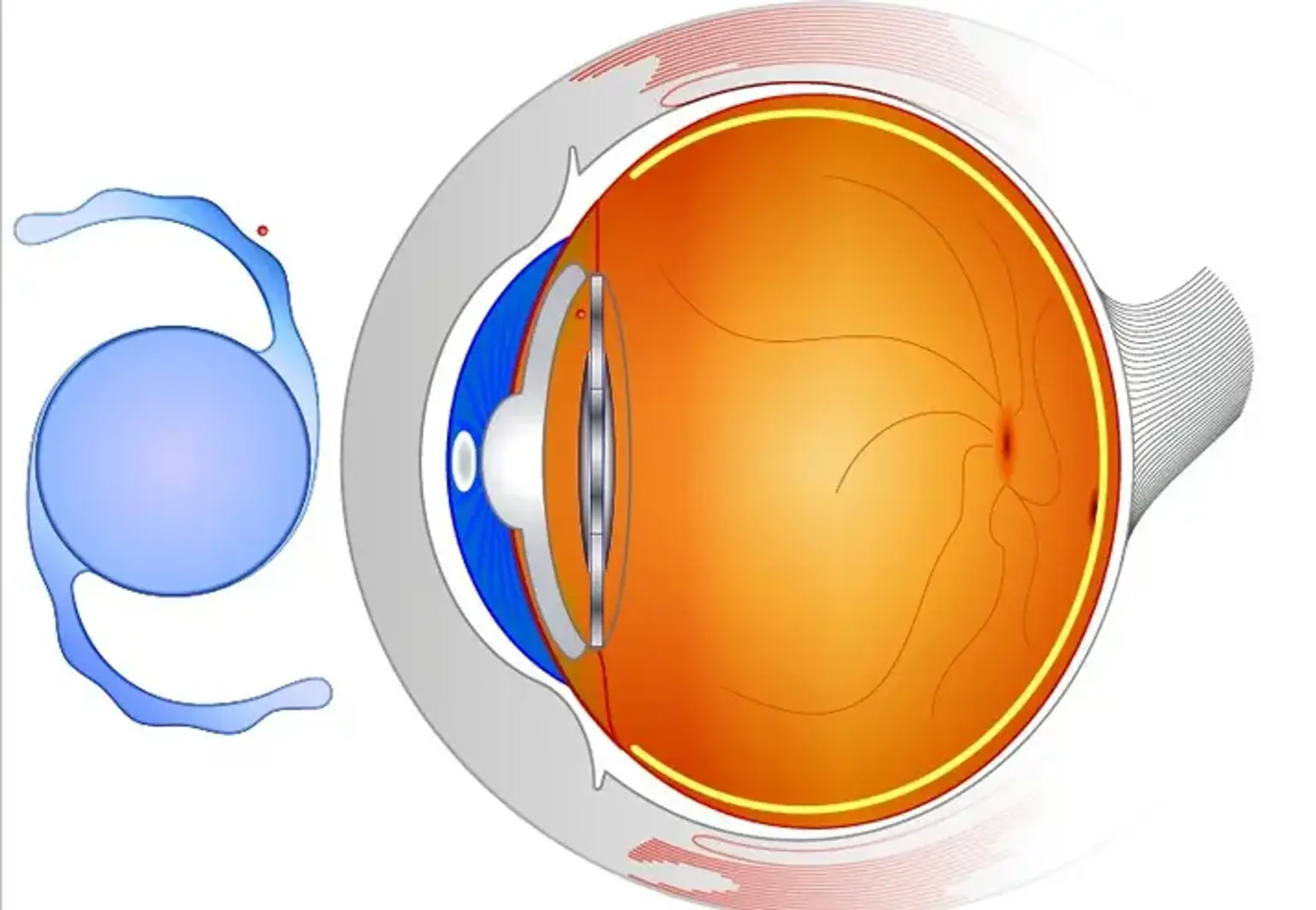
Multifocal IOLs have been a game-changer in cataract surgery, offering patients a chance to reduce or eliminate their dependency on glasses. The toric multifocal lens is especially helpful for people with astigmatism—a condition where the cornea is irregularly shaped, causing blurry vision. With this advanced lens, patients experience a broader range of vision correction.
The Benefits of Toric Multifocal Lenses
The Toric multifocal lens offers a number of important advantages:
Improved Visual Acuity: Patients experience enhanced vision at all distances, which helps reduce the reliance on reading glasses, bifocals, or contacts. This is especially important for those dealing with presbyopia, a condition that makes it difficult to focus on close objects as we age.
Astigmatism Correction: The toric lens is specially designed to correct astigmatism, a refractive error that blurs vision due to the irregular shape of the eye. By reshaping the light entering the eye, the toric lens improves clarity and sharpness.
Long-Term Convenience: After surgery, many patients enjoy freedom from glasses for both near and distance vision. This leads to an overall improved quality of life, especially for people who have struggled with vision problems for years.
Customization: The procedure is highly personalized. Surgeons use detailed measurements of the eye to select the right custom IOL for each patient, ensuring optimal outcomes.
These benefits combine to give patients the opportunity to live life with clearer, more comfortable vision, which reduces the constant need for vision correction through glasses or contact lenses.
How Toric Multifocal Lenses Work
The Toric multifocal lens works by providing multiple focal points, which allows the eye to focus on objects at varying distances. Unlike traditional single-focus IOLs, the multifocal design features zones that correct near, intermediate, and far vision, helping patients see clearly at all ranges without needing extra vision aids.
In addition, the toric lens addresses astigmatism by using a cylindrical shape that compensates for the eye’s uneven curvature. This helps to ensure that light is focused precisely on the retina, improving the sharpness and clarity of the image seen.
Astigmatism correction in a multifocal lens is especially beneficial because it eliminates the need for separate lenses to address both astigmatism and presbyopia. For people who have cataracts, this combination means that one surgery can simultaneously treat multiple vision problems, providing convenience and clearer vision in one go.
Pre-Surgical Preparations
Before undergoing toric multifocal lens implantation surgery, patients must go through a series of steps to ensure the best possible outcome. The pre-surgical preparation phase is crucial in achieving a customized lens fit for the patient’s unique eye structure.
Eye Measurements: Surgeons measure the curvature of the cornea, the length of the eye, and other important factors using advanced imaging technology. These measurements ensure that the lens chosen will properly address both astigmatism and presbyopia.
Consultation and Discussion: During the initial consultation, the surgeon will discuss the patient’s vision goals, explaining the benefits and risks of the procedure. They will also review the patient's medical history, including any eye conditions, allergies, or previous surgeries.
Discussing Expectations: Patients should have realistic expectations about what multifocal IOLs can achieve. While the lens significantly improves vision, perfect 20/20 vision at all distances may not be achieved by everyone. It’s important to understand that post-surgical follow-up is essential for monitoring progress and adjusting expectations.
Who is a Good Candidate for Toric Multifocal Lens Surgery?
Toric multifocal lens surgery is ideal for patients who have cataracts, astigmatism, and presbyopia. It’s particularly suitable for individuals who want to reduce their reliance on glasses or contact lenses after cataract surgery. However, not everyone with these conditions will qualify, so a detailed eye assessment is necessary before deciding on this surgery.
The best candidates are those who:
Have astigmatism (an irregular corneal shape) and presbyopia (age-related difficulty focusing on close objects).
Are experiencing cataracts that are affecting their vision.
Are in generally good eye health and have no other eye diseases such as glaucoma or macular degeneration.
Are ready to embrace the recovery process, which includes initial healing and follow-up visits to ensure proper lens positioning.
It's important to consult with an experienced surgeon who will conduct a thorough pre-surgical assessment, including measuring the eye's curvature and determining the degree of astigmatism. The more personalized the procedure, the better the chances of achieving a successful outcome.
Recovery After Toric Multifocal Lens Surgery
Recovery after toric multifocal lens implantation surgery is relatively quick compared to other surgeries. Most patients can return to their normal activities within a few days, though full recovery may take several weeks.
Immediate Post-Surgery:
After the procedure, patients may experience some blurred vision, mild irritation, or redness in the eye. These symptoms typically subside within a few days.
Eye drops are prescribed to prevent infection and reduce inflammation.
A protective shield is often worn during sleep to prevent accidental rubbing of the eye during the early healing phase.
Follow-Up Visits:
A follow-up visit is scheduled within a few days after surgery to ensure that the eye is healing properly and that the toric multifocal lens is positioned correctly.
Additional visits are scheduled over the next few weeks to monitor progress and make any necessary adjustments to the patient’s vision prescription.
Avoiding Strenuous Activity:
For the first few weeks, patients should avoid strenuous activities or any action that could cause pressure on the eye, such as heavy lifting or swimming.
Visual Recovery:
The clarity of vision will improve over time as the eye heals. Many patients notice significant improvement in their ability to see clearly at multiple distances within a few days. However, it may take several weeks for the full benefits to be realized.
By following the post-surgical instructions and attending follow-up appointments, patients can enjoy the long-term benefits of enhanced vision and freedom from glasses or contact lenses.
Risks and Complications of Toric Multifocal Lens Implantation
Like any surgery, toric multifocal lens implantation carries some risks, although they are rare when performed by a skilled surgeon.
Infection: Though uncommon, any surgery can lead to infection. Patients are prescribed antibiotic eye drops to reduce this risk.
Lens Displacement: The toric lens may shift slightly after implantation, affecting vision. This is typically correctable with further adjustments or surgery.
Visual Distortions: Some patients may experience glare, halo effects, or blurry vision, especially at night. These issues usually improve with time, but occasionally, an additional procedure may be required.
Cataract Formation: If the eye’s natural lens capsule becomes cloudy after surgery, a secondary cataract may form. This can be treated with a simple, non-invasive laser procedure.
Discussing these potential risks with your surgeon ensures that you’re fully informed and can make an educated decision about proceeding with the surgery.
The Procedure: What Happens During Toric Multifocal Lens Implantation?
Toric multifocal lens implantation is a minimally invasive procedure, usually performed under local anesthesia with mild sedation. This ensures that the patient remains comfortable throughout the surgery. The procedure typically takes around 15 to 30 minutes per eye, depending on the complexity of the case.
Incision and Lens Removal: The surgeon makes a tiny incision in the eye and removes the clouded natural lens affected by cataracts.
Placement of Toric Multifocal IOL: The toric multifocal lens is then inserted into the eye. The surgeon carefully aligns the lens to ensure that the astigmatism is corrected while providing multiple focal points for near, intermediate, and far vision.
Final Adjustments: After insertion, the surgeon checks the position of the lens to ensure it is properly aligned. This is critical for achieving optimal results.
Closure: No stitches are typically needed, as the incision is small and self-healing. A protective shield may be placed over the eye to aid healing.
The procedure is highly efficient, and most patients experience minimal discomfort, with only mild pressure during surgery.
How Effective is Toric Multifocal Lens Surgery?
The effectiveness of toric multifocal lens implantation is generally very high. Studies show that the procedure dramatically improves visual acuity for most patients, especially those with astigmatism and presbyopia.
Many patients experience significant improvement in their ability to see at various distances, reducing their dependence on glasses or contacts.
Patient satisfaction is high, with most individuals reporting better quality of life due to reduced reliance on corrective eyewear.
Success rates vary, but studies suggest that over 90% of patients achieve 20/25 vision or better after surgery.
However, the results depend on factors such as the degree of astigmatism and the health of the eye. It’s essential to have realistic expectations and follow post-surgery guidelines carefully.
Long-Term Benefits of Toric Multifocal Lens Surgery
The long-term benefits of toric multifocal lens implantation are highly regarded, particularly for those seeking a significant improvement in vision without relying on glasses or contact lenses.
Sustained Vision Improvement: Most patients report long-lasting improvements in their ability to see clearly at near, intermediate, and far distances. This allows for a more independent lifestyle without the inconvenience of corrective eyewear.
Reduced Need for Additional Procedures: The toric multifocal lens can address multiple vision issues simultaneously, reducing the need for additional surgeries later on, such as for presbyopia or astigmatism.
Increased Quality of Life: By eliminating the dependence on glasses or contacts, many patients experience a boost in self-confidence and enjoy an enhanced quality of life. Everyday activities like driving, reading, and using technology become more accessible without the hassle of corrective lenses.
Minimal Maintenance: After the initial recovery period, the lens typically requires little to no ongoing maintenance. Patients only need regular eye exams to monitor general eye health.
Toric Multifocal Lens vs. Traditional Cataract Lenses
The choice between toric multifocal lenses and traditional cataract lenses depends on the patient’s specific needs.
Traditional monofocal lenses correct only for one distance—usually far vision. Most patients with monofocal lenses need glasses for near or intermediate vision.
Toric multifocal lenses correct for astigmatism and provide clear vision at multiple distances, reducing the need for glasses or contacts.
While the toric multifocal lens offers more comprehensive vision correction, it’s not suitable for everyone. Patients with low astigmatism and no presbyopia may opt for standard lenses, as they are typically more affordable.
Ultimately, the choice depends on the patient’s vision needs, lifestyle, and budget. A consultation with a qualified ophthalmologist is crucial in making the right decision.
Comparing Toric Multifocal Lens Surgery to Other Vision Correction Procedures
While toric multifocal lens surgery is a great option for many patients, it’s not the only procedure available for improving vision. Here’s a comparison to other popular vision correction options:
Laser-Assisted In Situ Keratomileusis (LASIK): LASIK is a non-invasive laser surgery primarily used for correcting nearsightedness, farsightedness, and astigmatism. While LASIK can correct astigmatism, it does not address presbyopia, making it unsuitable for older individuals with age-related vision changes.
Traditional Cataract Surgery with Monofocal Lens: This procedure is standard for cataract removal but only corrects vision at one distance, usually for far vision. Patients typically still need reading glasses for near tasks.
Refractive Lens Exchange (RLE): RLE is a similar procedure where the natural lens is replaced with an IOL. While it can address presbyopia, it doesn’t always correct astigmatism like the toric lens does.
Implantable Collamer Lenses (ICL): ICL surgery involves implanting a lens inside the eye to correct nearsightedness or astigmatism. Unlike toric multifocal lenses, ICLs are not designed for people with presbyopia.
While toric multifocal lens surgery excels in correcting both astigmatism and presbyopia, it’s important to choose the procedure that best suits your individual vision needs, age, and lifestyle.
Frequently Asked Questions (FAQs) About Toric Multifocal Lens Surgery
1. Will I need glasses after toric multifocal lens surgery?
Most patients no longer need glasses for both near
and distance vision after the procedure. However, some may still require glasses for certain tasks, especially for reading fine print or in low-light conditions.
2. How long does the recovery process take?
Recovery is typically quick, with most patients resuming light activities within a day or two. Full recovery, where vision stabilizes, may take a few weeks.
3. Are toric multifocal lenses better than traditional lenses?
For people with astigmatism and presbyopia, toric multifocal lenses offer significant advantages over traditional monofocal lenses. They reduce the need for glasses and provide clear vision at multiple distances.
4. Is the surgery painful?
The surgery is performed under local anesthesia, and patients typically feel no pain during the procedure. Post-surgery discomfort is minimal and easily managed with prescribed eye drops.
5. What happens if the toric multifocal lens shifts after surgery?
If the lens shifts, it may affect vision clarity. In most cases, the lens can be repositioned with a minor follow-up procedure.
The Cost of Toric Multifocal Lens Implantation
The cost of toric multifocal lens implantation can vary depending on the country, the clinic, and whether the surgery is covered by insurance.
In the United States, the procedure can range from $3,000 to $5,000 per eye, including the cost of the lens and surgical fees.
Insurance coverage may be limited, as multifocal lenses are often considered premium lenses. However, some insurance plans may cover the basic cataract surgery component, and patients can pay out-of-pocket for the lens upgrade.
International prices differ, with some countries offering the surgery for significantly lower rates while maintaining high-quality care.
When considering cost, patients should also factor in potential long-term savings from reduced need for glasses and contacts.
Global Popularity and Advancements in Toric Multifocal Lens Technology
Toric multifocal lens implantation surgery has become increasingly popular worldwide, with a growing number of patients seeking improved vision outcomes after cataract surgery. Advancements in lens technology, surgical techniques, and diagnostic tools have made this procedure more accessible and effective.
Technological Advancements: Newer models of toric multifocal lenses offer better precision and stability, reducing the likelihood of lens rotation after implantation. Some lenses also provide better contrast sensitivity, improving vision quality in low-light conditions.
Global Adoption: This surgery is now offered in many countries, with high success rates reported across various healthcare systems. Clinics in regions like North America, Europe, and parts of Asia have adopted these advanced lens implants, contributing to their popularity.
Personalized Treatment: With the aid of advanced imaging technologies like OCT (Optical Coherence Tomography) and topography mapping, surgeons can offer more precise, individualized treatments, tailoring lens selection to the unique features of each patient’s eye.
Patient Education: As awareness about the procedure increases, more patients are opting for toric multifocal lenses due to the potential for improved quality of life and reduced dependence on glasses. Educational campaigns and patient testimonials have played a significant role in spreading the word.
Patient Experiences and Testimonials
Many patients who have undergone toric multifocal lens implantation report high satisfaction with their results. Testimonials often highlight the freedom from glasses and the improved quality of life.
Freedom from Eyewear: One common theme is the ability to engage in daily activities without relying on corrective lenses. Patients can enjoy activities like driving, reading, and using digital devices with greater ease.
Enhanced Vision: Several patients have expressed appreciation for the sharp vision at multiple distances, especially in tasks requiring near or intermediate focus, such as reading or using a computer.
Positive Long-Term Outcomes: Many individuals mention that their vision remains stable long after the surgery, with minimal complications and significant improvements in overall life quality.
While individual results vary, these positive experiences reflect the potential benefits of the surgery when performed by experienced professionals.
Cost Considerations and Insurance Coverage
The cost of toric multifocal lens surgery can be a key factor in decision-making.
Out-of-Pocket Expenses: In many regions, the cost of the procedure ranges from $3,000 to $5,000 per eye, which includes the surgical fees and the multifocal lens. This can be a significant investment for many patients.
Insurance Coverage: Traditional cataract surgery is often covered by insurance, but premium lenses like toric multifocal lenses typically are not. Some insurance plans may cover part of the surgery cost, but patients may need to pay for the lens upgrade themselves.
Financing Options: Many clinics offer payment plans or financing options to help make the surgery more affordable. It’s important to discuss these options with your surgeon or clinic before deciding.
While the procedure may have higher upfront costs, the potential for a lifetime of better vision and reduced reliance on glasses or contacts often makes it worthwhile.
Preparing for Your Toric Multifocal Lens Surgery
Proper preparation before toric multifocal lens surgery is crucial for ensuring a smooth experience and optimal results. Here are a few tips to consider:
Pre-Operative Consultation: Discuss your expectations and goals with your surgeon. This helps them tailor the procedure to meet your specific vision needs and assess your candidacy.
Medications and Health Assessment: You may be asked to stop using certain medications (such as blood thinners) before surgery. It’s essential to provide a full medical history to ensure there are no contraindications.
Post-Surgical Care Plan: Prepare for post-operative care, including having someone drive you home after the procedure. Make arrangements to rest and follow any instructions your doctor provides, especially regarding the use of eye drops and activity restrictions.
By following these steps, patients can ensure that the surgery goes smoothly and recovery is quick.
Conclusion
Toric multifocal lens implantation offers significant benefits for patients with astigmatism, presbyopia, and cataracts. While it’s not for everyone, those who meet the qualifications and are looking to reduce their dependence on glasses or contacts often see great improvements in their vision and quality of life.
Consultation is Key: Before making a decision, it’s important to have a thorough consultation with a qualified ophthalmologist. They will assess your individual case, discuss your goals, and recommend the best course of action.
Weighing the Benefits and Costs: Consider the long-term advantages of improved vision and a more independent lifestyle when evaluating the cost of surgery. For many, the investment is worth it for the freedom it provides.
Ultimately, toric multifocal lens surgery can be life-changing, offering a permanent solution for vision problems caused by cataracts, astigmatism, and presbyopia. With the right preparation and expert care, you can enjoy a brighter, clearer future without the constant need for corrective eyewear.