Introduction
A tracheostomy is a medical procedure that involves creating an opening (stoma) in the neck to allow direct access to the trachea (windpipe). This opening is typically fitted with a tracheostomy tube, which helps patients who have difficulty breathing due to various medical conditions. The procedure is especially beneficial for individuals who require long-term ventilation or have chronic respiratory issues that obstruct normal airflow. In many cases, tracheostomy provides life-saving benefits, allowing patients to breathe more easily and reducing the risks associated with long-term mechanical ventilation.
While it’s a standard procedure in many countries, the growing adoption of tracheostomies in places like Korea has highlighted its importance in managing severe respiratory conditions. Korean hospitals are renowned for their advanced medical technology and expertise in respiratory care, making the procedure an increasingly popular treatment option for patients worldwide.
What is a Tracheostomy?
A tracheostomy is an artificial airway created through a surgical incision in the neck. The tracheostomy tube inserted into this airway allows patients to bypass obstructed or compromised upper airways, improving airflow directly to the lungs. This procedure is often necessary for patients with severe respiratory failure, chronic obstructive pulmonary disease (COPD), or those who are dependent on mechanical ventilation for extended periods.
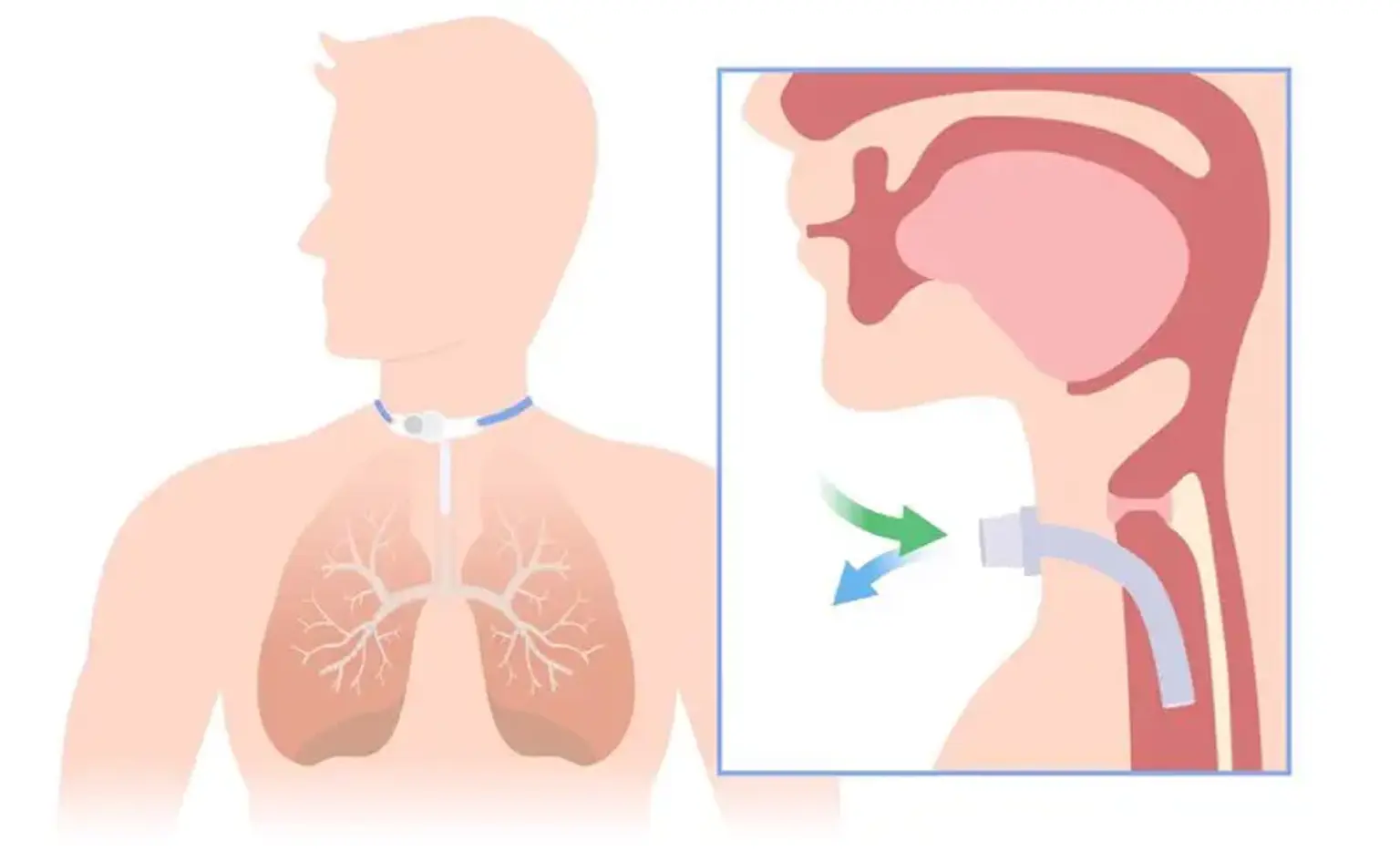
Unlike temporary intubation, which involves inserting a tube through the mouth or nose, a tracheostomy provides a more permanent solution for long-term airway management. It also offers increased comfort and a reduced risk of complications, such as damage to the vocal cords or sinus infections. The decision to proceed with a tracheostomy is often based on the patient’s medical history, their ability to tolerate the procedure, and their long-term needs.
Indications for Tracheostomy Procedure
A tracheostomy is recommended in various situations, particularly when patients experience chronic or severe respiratory failure or require long-term assistance with breathing. Some of the most common conditions that might require a tracheostomy procedure include:
Chronic obstructive pulmonary disease (COPD): A progressive lung disease that causes difficulty breathing.
Neurological conditions: Such as stroke, spinal cord injury, or muscular dystrophy, which impair the muscles needed for effective breathing.
Obstructive sleep apnea: Severe cases of obstructive sleep apnea that don’t respond to other treatments may require a tracheostomy for continuous ventilation.
Head and neck cancers: In cases where tumors obstruct the airway, a tracheostomy can help bypass the blockage.
In Korea, tracheostomies are increasingly used to treat severe respiratory conditions, especially in patients with chronic or complex breathing disorders. Hospitals in Korea are known for their state-of-the-art medical technology and specialized care, offering patients access to advanced tracheostomy procedures.
How is the Tracheostomy Procedure Performed?
The tracheostomy surgery is performed in a controlled setting, often under general anesthesia. The procedure typically involves the following steps:
Preparation and Assessment: Before surgery, the medical team conducts a thorough assessment to ensure the patient is a good candidate for a tracheostomy. This includes checking the patient’s lung function, overall health, and any underlying medical conditions.
Incision and Tube Insertion: The surgeon makes a small horizontal incision in the lower neck, just below the Adam's apple, to expose the trachea. A tracheostomy tube is then inserted into the trachea, creating an airway directly from the windpipe to the outside world.
Securing the Tube: The tracheostomy tube is secured in place using a strap or sutures, ensuring it remains in position. A smaller, inner tube is often inserted for ease of breathing and care.
Post-Operative Care: After the procedure, the patient is closely monitored. Tracheostomy care involves ensuring the tube remains clean and free from blockage, preventing infection and complications. Regular monitoring of the patient’s breathing and airway is essential to avoid issues like tube displacement or infection.
In Korea, the procedure is performed by highly trained surgeons and respiratory therapists who follow strict protocols to ensure patient safety and optimal recovery. The use of advanced equipment helps minimize risks and improve outcomes, making the tracheostomy procedure both effective and accessible for many patients.
Tracheostomy Tube Placement and Care
The tracheostomy tube is a key component of the procedure, allowing the patient to breathe more easily. The tube is inserted directly into the trachea through the neck incision and secured to ensure it stays in place. There are various types of tracheostomy tubes, including cuffed and uncuffed versions, each designed for specific patient needs. Cuffed tubes help seal the airway to prevent aspiration and ensure proper ventilation, while uncuffed tubes are often used for long-term care when the patient can breathe independently without requiring ventilation support.
Tracheostomy care involves ensuring that the tube remains free from obstructions and infections. Regular cleaning and monitoring are necessary to avoid blockages caused by mucus or other secretions. The tube may need to be replaced periodically, and patients are instructed on how to manage the tube at home once they are stable. Routine visits to healthcare professionals are important to check for complications such as tube displacement, infection, or granulomas (small, benign growths that can form around the tube).
In Korea, healthcare facilities emphasize the importance of proper tracheostomy care, providing detailed instructions and support to patients and their families to ensure successful long-term management.
Tracheostomy Surgery for Chronic Conditions
For patients with chronic respiratory conditions, such as COPD, neuromuscular disorders, or severe obstructive sleep apnea, a tracheostomy can be a life-changing procedure. These conditions often lead to long-term breathing difficulties that can’t be easily managed with medications or non-invasive ventilation methods. In such cases, a tracheostomy procedure offers a more sustainable solution by providing direct access to the airway and allowing for more effective respiratory support.
For example, patients with severe COPD often experience chronic respiratory failure, where their lungs cannot properly oxygenate the blood. A tracheostomy helps bypass the upper airways and allows a breathing tube to provide a steady airflow, significantly improving the patient’s ability to breathe and reducing their dependency on mechanical ventilation.
In Korea, specialized care teams are experienced in performing tracheostomies for chronic respiratory conditions, utilizing advanced monitoring and care techniques to ensure the procedure’s effectiveness and improve the patient’s quality of life. For patients with neuromuscular conditions like muscular dystrophy, a tracheostomy can also assist in managing airway obstruction and facilitate long-term ventilation, offering a higher level of comfort and support.
Tracheostomy in Korea: A Growing Trend
The tracheostomy procedure has become increasingly popular in Korea, where healthcare facilities are equipped with cutting-edge medical technologies and skilled healthcare providers. Tracheostomy surgeries in Korea are often performed in response to chronic and severe respiratory conditions, with hospitals in cities like Seoul offering world-class respiratory care.
One of the factors contributing to the popularity of tracheostomy in Korea is the country's advanced healthcare infrastructure, which includes specialized units for respiratory therapy and ventilation support. Hospitals in Korea often offer comprehensive care, from the initial procedure to long-term management of the tracheostomy. Korean surgeons and respiratory therapists are well-trained in the latest techniques and are particularly experienced in managing complex cases of chronic obstructive pulmonary disease (COPD), severe respiratory failure, and neurological disorders.
Patients from around the world are increasingly seeking treatment in Korea for tracheostomy procedures due to the country's reputation for high-quality care and the availability of affordable treatment options. Korean medical tourism continues to grow, with international patients benefiting from the nation’s expertise in advanced respiratory management.
Risks and Complications of Tracheostomy
Like any surgery, a tracheostomy procedure carries potential risks and complications that patients should be aware of. Some of the most common risks associated with the procedure include:
Infection: The most common complication after a tracheostomy is infection, particularly in the area where the incision was made. Patients must follow strict tracheostomy care protocols to prevent bacterial growth and infection around the tube.
Bleeding: Some bleeding may occur during or immediately after the surgery. While most bleeding is minimal, significant bleeding may require additional intervention.
Tube displacement: The tracheostomy tube may become displaced, which can obstruct the airway and require urgent medical attention. Patients and caregivers are trained to recognize the signs of displacement and act quickly if it occurs.
Tracheal Stenosis: This condition involves the narrowing of the trachea around the tube, which can lead to breathing difficulties. Over time, granulation tissue can form around the tube, leading to further obstruction.
Long-term complications include granulomas, tracheomalacia (softening of the tracheal cartilage), and damage to the trachea. Patients who have a tracheostomy must undergo regular monitoring to detect and manage these risks.
Despite these potential complications, with proper care and vigilance, many patients experience a significant improvement in their quality of life after undergoing a tracheostomy. The benefits of improved breathing and reduced dependency on mechanical ventilation generally outweigh the risks. In Korea, tracheostomy care is closely monitored by experienced healthcare teams, who ensure the patient’s safety and well-being throughout the process.
Tracheostomy Aftercare: Ensuring Proper Recovery
Proper aftercare is crucial for the success of a tracheostomy procedure. After surgery, patients must follow a strict care regimen to avoid complications and ensure their airways remain clear and functional. The primary focus during tracheostomy aftercare is keeping the tracheostomy tube clean and free from obstructions, as well as monitoring for signs of infection.
Cleaning the tracheostomy tube is essential to prevent the buildup of mucus and other secretions. Caregivers should clean the outer part of the tube regularly with sterile solutions and ensure the inner tube is replaced when necessary. This helps to maintain the airway and reduce the risk of infections such as pneumonia or tracheitis.
Patients and caregivers should also be trained on how to handle potential complications, such as tube dislodgement or blockages. It's essential to keep emergency equipment, like extra tracheostomy tubes, on hand in case of sudden issues.
In Korea, patients receive comprehensive aftercare education, which includes follow-up visits to monitor their progress. Korean medical teams are skilled in managing complications that may arise after surgery, and they provide continuous support through educational programs and resources for patients and families.
Tracheostomy Procedure for Respiratory Failure
One of the primary reasons a tracheostomy procedure is performed is for respiratory failure, where the lungs are unable to supply the body with enough oxygen. This can occur in cases of severe chronic obstructive pulmonary disease (COPD), neurological disorders, or severe trauma. For patients who require long-term ventilator support, a tracheostomy allows for better management of the airway and reduces the risks associated with long-term intubation.
A tracheostomy is often used when mechanical ventilation is required for extended periods. The procedure offers several advantages over other methods, such as reducing the risk of ventilator-associated pneumonia and improving patient comfort by preventing the need for endotracheal tubes, which can be uncomfortable and cause complications over time.
For patients suffering from respiratory failure, a tracheostomy offers more effective ventilation and a better quality of life. In Korea, where hospitals are equipped with advanced respiratory support systems, this procedure has become a vital tool in treating critically ill patients, including those with neuromuscular diseases or severe pulmonary conditions.
Benefits and Risks of Tracheostomy Surgery
Like any medical procedure, tracheostomy surgery carries both benefits and risks. Understanding both sides is crucial for patients considering this intervention.
Benefits:
Improved breathing: Tracheostomies provide a direct pathway for air to reach the lungs, which is particularly helpful for patients with obstructed or damaged airways. This can significantly improve oxygen levels and overall respiratory function.
Reduced dependency on mechanical ventilation: For patients who need long-term ventilator support, a tracheostomy can reduce the duration of intubation and prevent the complications associated with prolonged use of endotracheal tubes.
Enhanced comfort: Tracheostomy patients often experience less discomfort compared to those who remain on traditional ventilators, which can be intrusive and uncomfortable over time.
Improved quality of life: With better airflow and less reliance on external equipment, many patients experience an improved ability to communicate and perform daily activities, contributing to a higher overall quality of life.
Risks:
Infection: One of the most common risks associated with tracheostomy surgery is infection, particularly around the tracheostomy site. Strict hygiene and tracheostomy care are necessary to minimize this risk.
Bleeding: As with any surgical procedure, there is a risk of bleeding, especially during the initial stages following surgery.
Airway complications: Issues like tube displacement or blockages can lead to life-threatening complications if not addressed promptly.
Long-term complications: Over time, patients may develop tracheal stenosis (narrowing of the trachea) or granulomas (growths that can block the airway).
Overall, the benefits of tracheostomy surgery often outweigh the risks, particularly for patients with severe respiratory conditions. With proper care and monitoring, many patients go on to live normal, productive lives. In Korea, hospitals and medical teams specialize in minimizing these risks, providing ongoing care and support for patients throughout their recovery process.
Recovery Timeline for Tracheostomy Procedure
Recovery after a tracheostomy procedure can vary depending on the patient’s underlying health, the complexity of the surgery, and how well the individual follows aftercare instructions. However, there are general stages of recovery that most patients will go through.
Immediate Post-Surgery (First Week): After the procedure, patients are monitored closely in the hospital, often in an intensive care unit (ICU), where healthcare providers will manage the patient’s breathing and ensure the tracheostomy tube remains secure. During this time, patients are generally not able to speak, and they may need assistance with daily activities.
Short-Term Recovery (2 to 4 Weeks): Once the patient stabilizes, they can be moved to a regular hospital room or transferred to a rehabilitation facility. At this stage, patients begin learning how to care for their tracheostomy tube, including cleaning it and managing any potential complications. They may also begin respiratory therapy to improve lung function.
Medium-Term Recovery (1 to 3 Months): As patients adapt to life with a tracheostomy, they typically begin to feel more comfortable and can resume some normal activities, though they will still need regular follow-ups. In some cases, a long-term tracheostomy may be necessary, particularly for patients who remain ventilator-dependent.
Long-Term Recovery (Ongoing): For patients who have a long-term tracheostomy, recovery continues throughout the life of the procedure. This includes regular visits to the healthcare provider for check-ups, routine tracheostomy tube changes, and ongoing respiratory therapy. It’s important to monitor for potential complications like tracheal stenosis or granulomas, which may require medical intervention.
In Korea, the recovery process is well-supported by specialized care teams who monitor patients closely during each stage of recovery. Medical advancements and patient education ensure that the transition to life with a tracheostomy is as smooth and successful as possible, improving long-term outcomes for patients.
Pre-Surgical Assessment and Safety Protocols
Before undergoing a tracheostomy procedure, a thorough pre-surgical assessment is essential to ensure the patient is fit for surgery. This assessment includes checking lung function, oxygen levels, and overall health to determine whether a tracheostomy is the best course of action. Tests may include blood work, pulmonary function tests, and imaging studies, such as X-rays or CT scans, to evaluate the patient's airway and lung conditions.
Safety protocols are vital throughout the procedure. Hospitals, especially in countries like Korea, follow stringent guidelines to minimize risks, such as infection or excessive bleeding. Surgeons and medical teams take extra precautions to ensure the patient’s safety during and after surgery. Proper anesthesia management, sterile techniques, and careful monitoring are crucial steps in preventing complications.
Qualified Practitioners and Healthcare Teams
Tracheostomy procedures require skilled practitioners to ensure optimal outcomes. Surgeons performing the procedure must have specialized training in respiratory and airway management. In addition to surgeons, respiratory therapists, anesthesiologists, and nursing staff play essential roles in providing comprehensive care.
In Korea, hospitals employ multidisciplinary teams with extensive experience in tracheostomy surgery and respiratory care. These healthcare professionals work together to provide personalized care, ensuring patients receive the best treatment possible. From pre-surgical assessments to post-operative care and long-term follow-ups, qualified teams ensure that the patient's airway management needs are fully addressed.
Tracheostomy and Global Popularity
The tracheostomy procedure has gained global recognition as an essential treatment for patients with chronic respiratory conditions or those requiring long-term ventilation. Countries like Korea have become hubs for advanced respiratory care, offering high-quality tracheostomy services. The country’s advanced medical infrastructure, skilled healthcare professionals, and state-of-the-art technology make it an attractive destination for patients worldwide.
In addition to its domestic popularity, Korea’s expertise in tracheostomy care has made it a sought-after location for medical tourism. Patients from other countries often travel to Korea for treatment due to its reputation for excellent outcomes and affordable care. Korean hospitals are known for their high standards in airway management and post-operative care, making it a global leader in tracheostomy surgery.
Tracheostomy Procedure Cost and Insurance Considerations
The cost of a tracheostomy procedure varies depending on the patient's condition, the complexity of the surgery, and the healthcare provider. In countries like Korea, the cost of the procedure is often lower than in many Western countries, making it a more affordable option for international patients. However, the total cost can include pre-surgical assessments, the procedure itself, post-operative care, and long-term management.
Insurance coverage for tracheostomy surgery can also vary. Some insurance policies cover the full cost, while others may only cover part of it. In Korea, many hospitals offer flexible payment options, and international patients can consult with insurance providers to determine their coverage. Additionally, Korean hospitals typically provide transparent pricing, helping patients make informed decisions about their treatment options.
Pre-Surgical Assessment and Safety Protocols
Before undergoing a tracheostomy procedure, a comprehensive pre-surgical assessment is essential to ensure the patient is physically prepared for surgery. This includes reviewing the patient’s medical history, evaluating their lung function, and performing necessary imaging studies such as chest X-rays or CT scans. Blood tests may also be done to assess overall health and identify any underlying conditions that may affect the procedure.
Safety protocols during the surgery are critical. Surgeons follow strict infection control measures, use sterile instruments, and monitor the patient closely for signs of complications such as bleeding or respiratory distress. In Korea, where medical standards are exceptionally high, pre-surgical assessments and safety protocols are carefully executed, providing patients with the highest level of care and ensuring a smooth transition into surgery.
Qualified Practitioners and Healthcare Teams
A tracheostomy procedure requires highly trained professionals to ensure successful outcomes. Surgeons must have specialized knowledge of airway management and respiratory therapy, with many practitioners undergoing advanced training in the procedure. In addition to the surgeons, a well-coordinated healthcare team, including respiratory therapists, anesthesiologists, and nurses, plays a crucial role in the patient’s care throughout the procedure and recovery.
In Korea, healthcare teams are particularly skilled in performing complex tracheostomy surgeries. Korean hospitals are equipped with cutting-edge medical technologies, and the healthcare providers have vast experience in managing both simple and complicated cases. The expertise of this multidisciplinary team ensures that each patient receives comprehensive care, from pre-surgery consultations to post-operative recovery.
Tracheostomy and Global Popularity
The tracheostomy procedure has seen increasing popularity worldwide due to its ability to support patients with chronic respiratory conditions, especially those who are ventilator-dependent. With its growing demand, Korea has emerged as a leading destination for tracheostomy surgeries. The country is renowned for its advanced medical infrastructure and top-tier healthcare professionals, making it a popular choice for both domestic and international patients.
Korean hospitals are known for their efficient, patient-centered care and expertise in managing complex cases. As a result, medical tourism in Korea is thriving, with many patients traveling from overseas to undergo a tracheostomy procedure. The combination of high-quality care and affordable prices has positioned Korea as a global leader in respiratory treatments.
Conclusion
The tracheostomy procedure is a life-changing surgery that can significantly improve the quality of life for patients with chronic respiratory conditions or those who require long-term ventilation support. While it carries risks, the benefits of enhanced breathing, reduced reliance on mechanical ventilation, and increased comfort make it a crucial treatment option for many individuals.
From pre-surgical assessments to post-operative care, ensuring proper tracheostomy care is essential for a successful recovery. With advancements in medical technology and expert healthcare teams, particularly in Korea, patients can expect high-quality care throughout the entire process, from the procedure itself to long-term management.
As global demand for tracheostomy treatments rises, countries like Korea have become leaders in respiratory care, offering advanced procedures at competitive prices. Whether it's for patients with severe respiratory failure or those needing long-term breathing support, a tracheostomy can offer life-saving benefits, and with the right care, patients can live fulfilling, healthier lives.
For those considering a tracheostomy, it's important to consult with experienced healthcare teams, understand the risks and benefits, and follow the necessary recovery protocols to ensure the best possible outcomes.