Introduction
Trochleoplasty is a specialized knee surgery designed to correct patellar (knee cap) misalignment. When the knee cap doesn’t track correctly in its groove (the trochlear groove), it can cause pain, instability, and frequent dislocations. This misalignment, known as patellar instability, often leads to difficulty walking, climbing stairs, or engaging in sports.
Trochleoplasty works by reshaping the femoral trochlea, the groove in the thigh bone where the knee cap moves. This procedure stabilizes the knee cap, reduces pain, and prevents future dislocations, significantly improving mobility and quality of life.
What Causes Knee Cap Misalignment and Instability?
Patellar instability is often caused by various factors, including traumatic injuries, congenital abnormalities, or overuse. In many cases, the femoral trochlea may be too shallow, preventing the knee cap from staying centered in the groove.
Symptoms of knee cap misalignment include:
Pain in the front of the knee
Swelling and inflammation
Inability to fully straighten or bend the knee
Knee cap dislocations or subluxations (partial dislocations)
These symptoms can make even simple tasks like walking or sitting uncomfortable. When untreated, misalignment can lead to further damage in the knee joint, making early intervention essential.
How Does Trochleoplasty Surgery Work?
Trochleoplasty surgery aims to reshape the femoral trochlea to create a deeper groove that helps the knee cap track properly. Here’s an overview of the process:
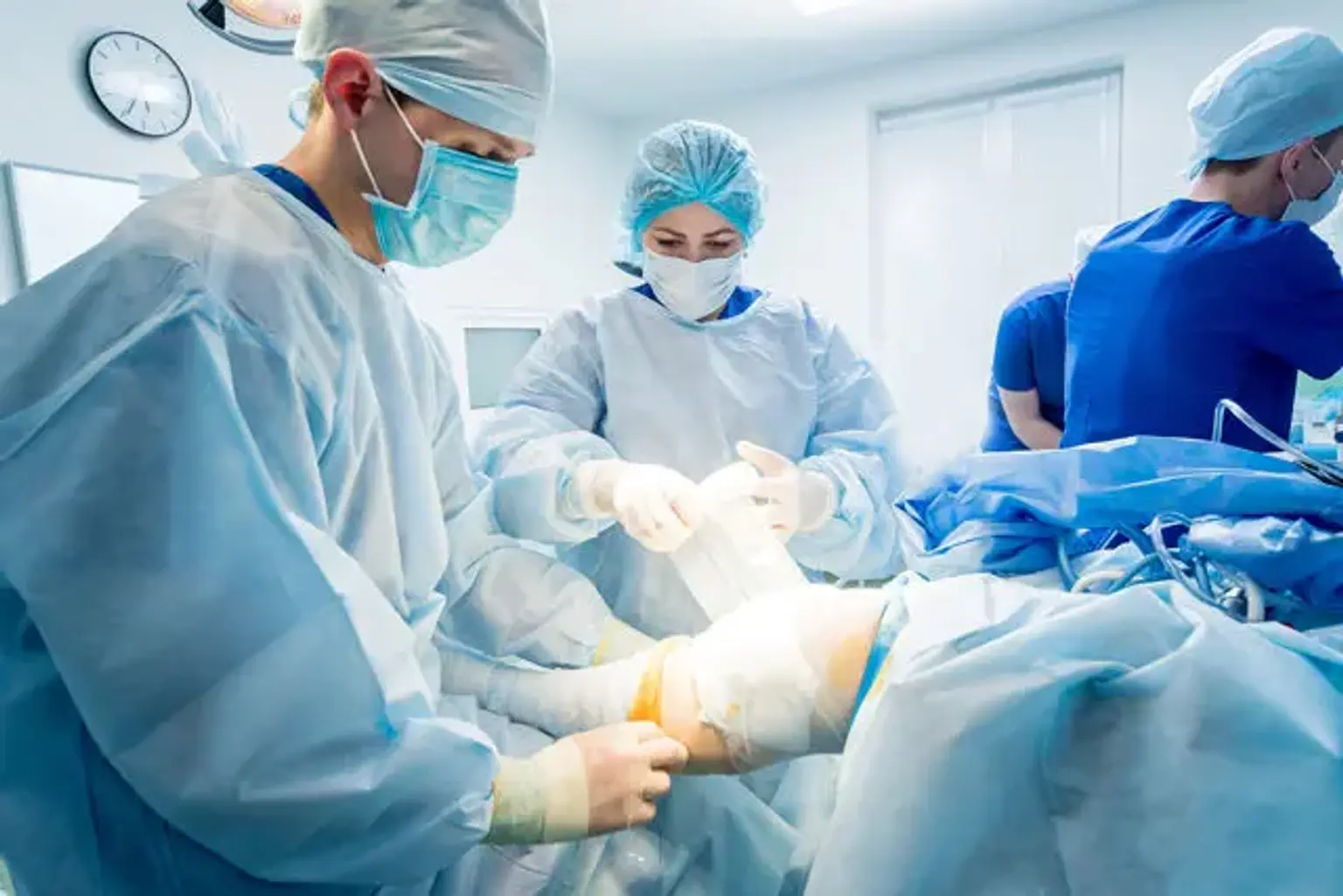
Incision and Access: The surgeon makes a small incision near the knee joint to access the femoral trochlea.
Reshaping the Trochlea: Using specialized tools, the surgeon reshapes the groove to provide better alignment for the knee cap.
Stabilizing the Knee Cap: In some cases, the surgeon may also reposition the knee cap or repair damaged tissues around it.
Minimally Invasive Options: In many cases, the surgery can be performed arthroscopically, which means fewer incisions and a quicker recovery time.
This procedure restores stability, reduces pain, and improves knee function by preventing future dislocations.
Benefits of Trochleoplasty Surgery
Trochleoplasty offers several benefits for patients suffering from patellar instability:
Pain Relief: By stabilizing the knee cap, the surgery reduces pain caused by misalignment and dislocations.
Improved Mobility: The surgery helps restore proper knee movement, allowing patients to perform daily activities more easily.
Long-Term Results: Trochleoplasty can prevent future dislocations and instability, offering lasting improvements in knee function.
Many patients report significant improvements in both pain relief and mobility after recovery, with the surgery allowing them to return to normal activities without fear of dislocation.
Expected Results and Success Rates
Trochleoplasty surgery has shown excellent outcomes in most patients. The success rate for the procedure is high, with many experiencing long-term relief from pain and instability. Studies suggest that up to 85-90% of patients report a significant reduction in knee dislocations and improved knee function following the surgery.
Real-life outcomes are often positive, with patients resuming normal activities like walking, climbing stairs, and participating in sports. However, success depends on several factors, including the severity of knee instability, the patient’s overall health, and adherence to post-surgery rehabilitation.
Risks and Complications of Trochleoplasty Surgery
As with any surgical procedure, trochleoplasty comes with potential risks. Some of the most common complications include:
Infection: Although rare, infections can occur at the surgical site.
Blood Clots: A risk associated with many knee surgeries, blood clots can form during recovery.
Recurrence of Instability: While rare, some patients may experience a return of knee instability.
Damage to Surrounding Tissues: There’s a possibility of unintentional injury to nearby structures, such as ligaments or cartilage.
How to Minimize Risks: Choosing an experienced surgeon and following post-surgery instructions carefully are key to minimizing these risks. Most patients can expect a full recovery with proper care and rehabilitation.
Preparing for Trochleoplasty Surgery
Proper preparation is crucial for a successful surgery and smooth recovery. Here are some steps to take before undergoing trochleoplasty:
Pre-Surgery Evaluations: Expect to undergo imaging tests (like X-rays or MRI scans) to assess the severity of knee instability and plan the surgery.
Physical Health Assessment: A full physical exam will help ensure that you are in good condition for surgery, especially if you have underlying health conditions.
Discuss Medications: Inform your surgeon about any medications or supplements you’re taking, as some may need to be stopped before surgery.
Mental Preparation: Understand the recovery process and follow your surgeon’s advice on post-surgery care, as this will play a vital role in your healing.
Physical Preparation: Strengthening the muscles around the knee before surgery can enhance recovery and support the knee during the healing process.
The Recovery Process: What to Expect After Surgery
Recovery from trochleoplasty surgery varies, but most patients can expect a steady progression. Here’s a general timeline of what to expect:
Immediately After Surgery: You’ll likely experience swelling and some pain, but this can be managed with prescribed pain relievers and ice packs.
First Few Weeks: You’ll need crutches or a brace to avoid putting weight on your knee. Physical therapy often begins within the first few days to help restore mobility.
Rehabilitation: Physical therapy plays a crucial role in restoring strength and function. You'll start with gentle exercises and progress to more challenging activities as your knee heals.
Full Recovery: Full recovery usually takes around 6-12 months, depending on the severity of the instability and the specific surgical approach used.
Key Points: During recovery, follow your surgeon’s guidelines closely. Avoid high-impact activities until your knee is fully healed to prevent re-injury. Consistency with physical therapy will also greatly improve your chances of a successful outcome.
Long-Term Outlook: Can Trochleoplasty Prevent Future Knee Problems?
Trochleoplasty surgery is designed not only to fix the current knee instability but also to prevent future problems. Once the femoral trochlea is reshaped, the knee cap is more securely aligned, reducing the likelihood of dislocations and chronic pain. This makes it an effective long-term solution for those suffering from patellar instability.
For many patients, the improvements last for years, with most reporting a significant decrease in pain and no further dislocations. However, the long-term success of the surgery also depends on factors like physical activity levels and adherence to post-surgery rehabilitation. Staying active and maintaining strong muscles around the knee can further reduce the risk of future issues.
Cost of Trochleoplasty Surgery and Insurance Considerations
The cost of trochleoplasty surgery can vary widely based on factors such as location, the surgeon’s expertise, and whether the procedure is done arthroscopically or through open surgery. On average, the cost can range from $10,000 to $20,000 or more.
Insurance Coverage: Most health insurance plans will cover trochleoplasty surgery if it is deemed medically necessary, especially if non-surgical treatments have failed. Be sure to check with your insurance provider beforehand to understand your coverage and out-of-pocket costs.
Many hospitals and surgery centers also offer financing options or payment plans to make the procedure more affordable. Discussing the cost and financing options with your surgeon or medical facility can help alleviate financial concerns.
Alternatives to Trochleoplasty Surgery
Not everyone with patellar instability will require surgery. In some cases, non-surgical treatments may be effective, especially for patients with mild instability or those who are not ready for surgery. Some alternatives include:
Physical Therapy: Strengthening the muscles around the knee can help stabilize the patella and reduce symptoms.
Bracing: Special knee braces can help keep the patella aligned and prevent dislocations during physical activity.
Medications: Nonsteroidal anti-inflammatory drugs (NSAIDs) can help manage pain and inflammation.
In more severe cases, surgery like trochleoplasty may be recommended if non-surgical methods fail. The decision between surgery and non-surgical options should be made in consultation with a qualified orthopedic surgeon.
Frequently Asked Questions (FAQs) about Trochleoplasty Surgery
1. How long is the recovery after trochleoplasty surgery?
The recovery time varies, but most patients can return to light activities within 3-6 months, with full recovery typically occurring between 6-12 months. The exact timeline depends on the severity of the instability and the individual’s progress with rehabilitation.
2. Is trochleoplasty surgery safe?
Yes, trochleoplasty is a generally safe procedure when performed by an experienced surgeon. Like any surgery, it carries some risks, such as infection and blood clots, but these are rare. Proper preparation and post-surgery care can help minimize these risks.
3. Will I be able to return to sports after surgery?
Many patients return to sports and physical activities after recovery, though high-impact activities may need to be avoided during the early stages of healing. A gradual return to sports is recommended, based on your surgeon’s advice and your physical therapy progress.
4. What if my knee instability returns after surgery?
While recurrence is uncommon, some patients may experience further issues. If this happens, your surgeon will assess the cause and may recommend additional treatments or modifications to your rehabilitation plan.
How to Choose the Right Surgeon for Trochleoplasty
Choosing an experienced surgeon is crucial for the success of trochleoplasty surgery. Here are a few tips for selecting the right one:
Specialization: Look for a surgeon who specializes in knee surgeries, particularly patellar instability.
Experience: Ensure they have performed multiple trochleoplasty procedures with a high success rate.
Certifications: Check if the surgeon is board-certified and has a good reputation in the orthopedic community.
Consultation: Schedule a consultation to discuss your condition, ask questions, and get a feel for the surgeon’s approach.
An experienced surgeon can improve your chances of a smooth surgery and recovery, so take your time when making this important decision.
Lifestyle Changes Post-Trochleoplasty Surgery
After trochleoplasty, it’s essential to make certain lifestyle adjustments to promote healing and prevent re-injury. These changes include:
Physical Activity: Avoid high-impact activities like running or jumping during the initial recovery phase. Instead, focus on low-impact exercises, such as swimming or cycling, once your doctor clears you.
Weight Management: Maintaining a healthy weight reduces stress on your knee joint, which can enhance recovery and longevity.
Strengthening Exercises: Regular physical therapy exercises will help strengthen the muscles around the knee and improve overall knee function.
Staying committed to these lifestyle changes will contribute to your long-term recovery and knee health.
Psychological Impact of Knee Surgery: Coping with Recovery
The recovery process after trochleoplasty can be mentally challenging, especially with the limitations it imposes during the first few months. It's important to:
Set Realistic Expectations: Understand that full recovery can take time, and progress may be gradual.
Stay Positive: Focus on the long-term benefits, such as reduced pain and increased mobility.
Seek Support: Lean on family, friends, or support groups to stay motivated during recovery.
Many patients experience a boost in confidence and quality of life once they’ve fully recovered, so stay positive and patient throughout the process.
Global Popularity of Trochleoplasty Surgery
Trochleoplasty has gained popularity worldwide, particularly in countries with advanced healthcare systems. It’s widely practiced in the U.S., Europe, and parts of Asia, where orthopedic expertise and access to the latest surgical techniques are common.
As awareness grows about knee cap misalignment and patellar instability, more patients are seeking out this procedure for lasting relief. Its effectiveness in treating knee pain and instability has made it a sought-after option, and as the technology improves, the procedure is expected to become even more accessible to patients globally.
Preventing Knee Cap Instability After Surgery
After undergoing trochleoplasty, it's important to follow guidelines that can help prevent future knee instability. Some tips for maintaining knee health include:
Consistent Physical Therapy: Regular rehab exercises strengthen the muscles surrounding the knee and ensure proper tracking of the patella.
Avoiding High-Risk Activities: Avoid activities that put excessive strain on your knee until you’ve fully recovered. Sports with high impact or sudden twists should be reintroduced gradually.
Regular Check-ups: Continue to visit your surgeon for post-op check-ups to monitor your knee’s progress and make any adjustments as needed.
By staying proactive about knee health, you can reduce the risk of instability and preserve the long-term benefits of the surgery.
Advances in Trochleoplasty Surgery: What’s Next?
As with many medical procedures, trochleoplasty is evolving. Surgeons continue to refine techniques to improve patient outcomes and reduce recovery times. Some advancements include:
Minimally Invasive Procedures: With the use of arthroscopy, surgeons can now perform the surgery with smaller incisions, leading to less pain and faster recovery.
Improved Imaging Technology: Better imaging techniques help surgeons plan more precise surgeries, leading to more successful outcomes.
Personalized Approaches: Surgeons are using 3D printing and modeling to create customized treatments based on a patient’s specific knee anatomy, making the surgery even more effective.
These advances suggest that trochleoplasty will become even more accessible and effective in the future.
Conclusion
Trochleoplasty surgery is a powerful solution for correcting knee cap misalignment and providing lasting relief from instability. Although the recovery process requires patience and commitment, the long-term benefits—improved knee function, reduced pain, and enhanced mobility—are well worth the effort.
As you plan for surgery, be sure to work closely with your surgeon, follow recovery protocols, and set realistic expectations. With the right care and rehabilitation, most patients can enjoy an active, pain-free lifestyle and prevent future knee problems. The popularity of trochleoplasty worldwide only underscores its effectiveness in addressing knee cap instability, offering hope for many seeking better mobility and quality of life.