Introduction
Two-Jaw Orthognathic Surgery is a highly effective surgical procedure designed to correct misalignments in the upper and lower jaw. This surgery is often recommended for individuals whose jaw structures affect their ability to speak, chew, or breathe properly. It can also address cosmetic concerns related to facial symmetry. The procedure involves repositioning both the upper (maxillary) and lower (mandibular) jaws to achieve a more functional bite and aesthetically pleasing facial appearance.
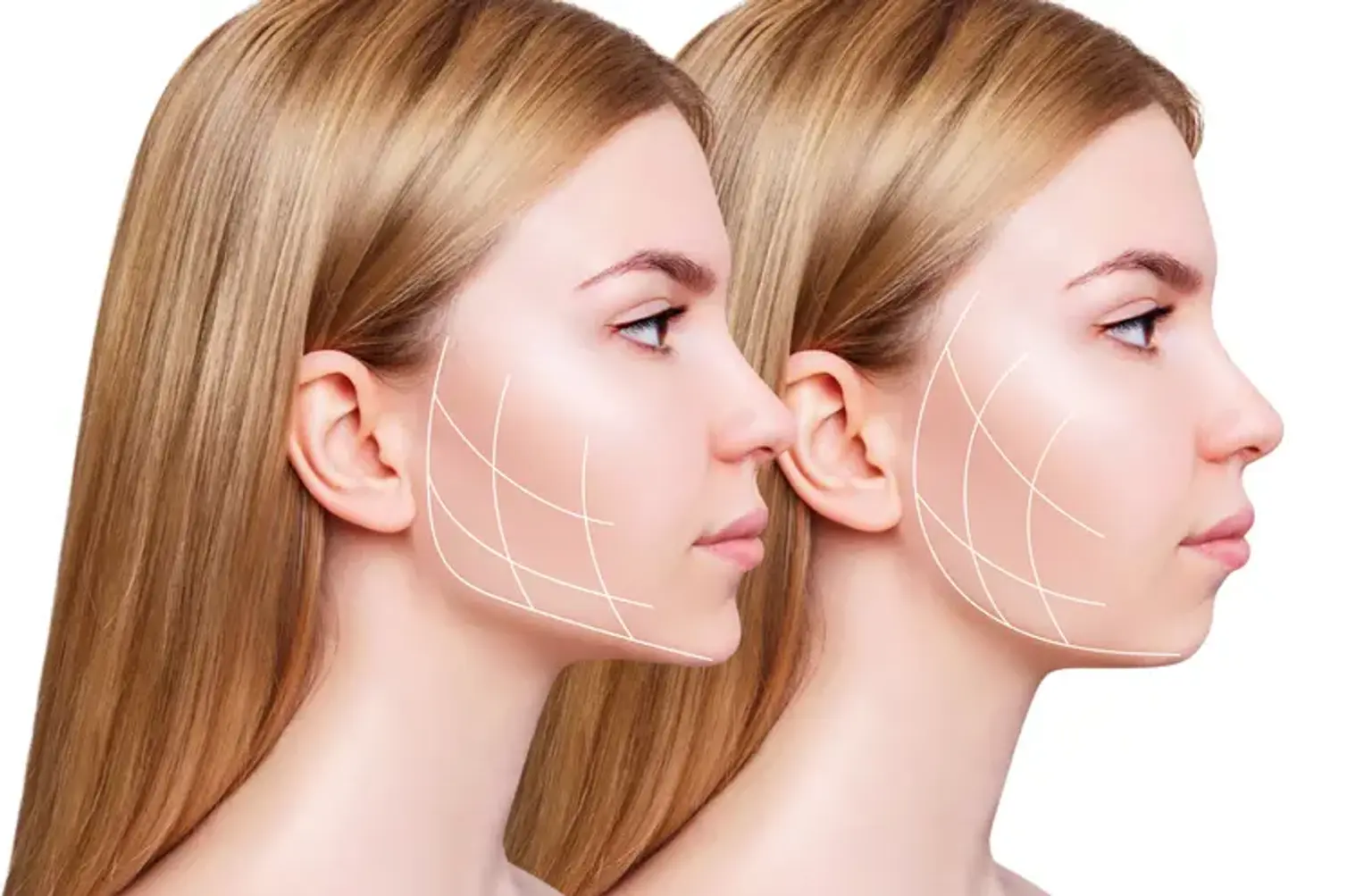
This article will explore the benefits, risks, and recovery process associated with two-jaw surgery, as well as its increasing popularity across the globe. For many patients, the decision to undergo this surgery is not only about improving physical appearance but also about improving overall quality of life and restoring confidence.
Understanding Orthognathic Surgery
Orthognathic surgery refers to a set of procedures used to correct jaw and facial abnormalities. While the term often conjures images of facial surgery purely for cosmetic purposes, two-jaw orthognathic surgery specifically focuses on realigning both the upper and lower jaws to correct significant functional problems like misalignment, bite issues, and even jaw pain.
The procedure combines two separate surgeries:
Maxillary surgery: Corrects the alignment of the upper jaw (maxilla).
Mandibular surgery: Repositions the lower jaw (mandible).
When performed together, these surgeries address conditions like overbite, underbite, open bite, and facial asymmetry. Typically, a team of specialists—including oral and maxillofacial surgeons and orthodontists—work together to plan and execute the treatment. This multi-disciplinary approach ensures that both the functional and aesthetic aspects of jaw realignment are achieved.
Who Needs Two-Jaw Surgery?
Two-jaw surgery is most commonly recommended for individuals with:
Severe malocclusion: Conditions such as overbites, underbites, or crossbites that cannot be corrected with braces or other dental treatments alone.
Facial asymmetry: Significant differences in the size or positioning of the upper and lower jaws, often affecting the person's appearance.
Jaw pain or discomfort: Chronic pain associated with TMJ disorders or improper jaw alignment can lead to jaw surgery as a last resort.
Difficulty in chewing or speaking: Severe misalignments may make it challenging to eat, talk, or breathe properly.
Before surgery, a comprehensive assessment is done, including X-rays, 3D imaging, and consultations with specialists to ensure the surgery is appropriate. Surgery is generally reserved for those who have not responded to less invasive treatments like braces or retainers.
Benefits of Two-Jaw Surgery
The decision to undergo two-jaw surgery offers a range of benefits, both functional and aesthetic. Here are the key advantages:
Enhanced Facial Aesthetics: One of the most visible benefits of two-jaw surgery is the improvement in facial appearance. By realigning the upper and lower jaws, patients often experience a more balanced, symmetrical face, which can significantly boost self-confidence and self-esteem.
Improved Bite Function: For patients with severe bite issues, such as an overbite or underbite, the surgery can restore proper jaw function, making chewing, speaking, and even breathing easier. This functional improvement is not just about comfort but also about long-term health.
Relief from Pain: Jaw misalignment often causes chronic pain, especially in the joints (TMJ) or muscles used for chewing. Correcting the jaw's position can alleviate headaches, neck pain, and jaw discomfort, improving overall quality of life.
Long-Term Oral Health: By fixing misaligned jaws, two-jaw surgery helps reduce the risk of tooth wear, gum disease, and other oral health issues caused by improper bite alignment. It also improves the effectiveness of orthodontic treatments.
Beyond these physical benefits, many patients report a boost in confidence and a reduction in social anxiety related to facial appearance. This holistic improvement in both physical health and mental well-being is a powerful reason why many people choose this procedure.
The Procedure: Step-by-Step
The two-jaw orthognathic surgery is a highly specialized procedure that requires careful planning and precision. Here's what to expect during the process:
Pre-Surgical Assessment: Before the surgery, a series of tests and imaging procedures, such as X-rays and 3D CT scans, will be performed to get a detailed view of the jaw structure. Your orthodontist will also work with your surgeon to determine the ideal alignment for your teeth and jaw. It's important to wear braces or other dental devices for several months prior to surgery to help prepare your teeth for the changes.
Anesthesia: The surgery is performed under general anesthesia, so you'll be asleep throughout the procedure. The surgeon will make precise incisions in the jaw area, and the bones of the upper and lower jaws will be carefully repositioned.
Surgical Process: In the case of maxillary surgery, the upper jaw is moved into a better position to align with the lower jaw. Similarly, mandibular surgery involves repositioning the lower jaw. These adjustments are typically made using screws and plates to secure the bones in their new positions.
Recovery and Hospital Stay: The surgery usually takes between 3 to 5 hours. Most patients stay in the hospital for 1 to 2 days post-surgery for monitoring and initial recovery.
Risks and Complications
While two-jaw orthognathic surgery is generally safe, it does carry some risks, as with any major surgery. Here's a look at the potential complications:
Infection: As with any surgical procedure, there's a risk of infection. This risk is minimized with proper sterilization, post-surgical care, and antibiotics.
Nerve Damage: One of the more serious risks involves nerve damage. The nerves around the jaw area, especially those that control sensation in the lower lip and chin, are vulnerable during the surgery. However, most cases of nerve damage are temporary, and feeling typically returns after a few weeks to months.
Bleeding: Some bleeding is normal during the surgery, but excessive bleeding may require additional medical intervention.
Bite Misalignment: Although the goal of the surgery is to improve bite function, there is a possibility that the bite might need fine-tuning after the procedure. Additional orthodontic treatment may be necessary in some cases to perfect the alignment.
Relapse: In rare cases, the jaw might shift back to its original position after surgery. However, following the prescribed orthodontic treatment and post-operative instructions can significantly reduce this risk.
Scarring and Swelling: While scarring is usually minimal and well-hidden, swelling and bruising around the jaw area are common and can last for several weeks. Cold compresses and prescribed medications can help manage these symptoms.
Recovery After Two-Jaw Surgery
The recovery period after two-jaw surgery is a critical time for healing and adjustment. Here’s what to expect:
First Few Days: Right after the surgery, you will likely experience significant swelling and bruising around your jaw, cheeks, and face. The first few days post-surgery are typically the most uncomfortable, as pain and swelling peak. Your surgeon will prescribe painkillers and anti-inflammatory medications to help manage this discomfort.
Soft Diet: For the first few weeks, you’ll be required to follow a liquid or soft food diet to prevent strain on the healing jaw. Gradually, as healing progresses, you’ll be able to return to regular foods.
Orthodontic Care: Post-surgical orthodontic treatment is often necessary to further adjust the position of the teeth. Your orthodontist will monitor progress and ensure that your bite remains correctly aligned.
Follow-up Visits: Regular follow-up visits with your surgeon and orthodontist are essential to track your healing progress. These appointments will help identify any issues early, ensuring that you heal properly and avoid complications.
Physical Activity and Work: Most patients return to work or school after 1-2 weeks of rest, though strenuous physical activity or exercise should be avoided for at least 6 weeks. Your surgeon will guide you on when it’s safe to resume normal activities.
Final Stages: While most swelling and discomfort begin to subside after a few weeks, full recovery can take 6 to 12 months. During this time, your facial appearance will continue to improve, and your bite will feel more natural as the bones settle into their new positions.
Cost of Two-Jaw Surgery
The cost of two-jaw orthognathic surgery can vary widely depending on several factors:
Surgical Costs: The price of the surgery itself usually ranges from $20,000 to $40,000, depending on the complexity of the procedure, the experience of the surgeon, and the location of the surgery center. This estimate typically includes the surgeon's fees, hospital costs, anesthesia, and post-surgical care.
Orthodontic Treatment: In addition to the surgery, patients often require extensive orthodontic work both before and after the procedure. Braces or other dental appliances can add an additional $5,000 to $10,000 to the overall cost.
Additional Costs: Other costs may include post-operative medications, follow-up consultations, and any additional treatments if complications arise.
Insurance: Many insurance companies cover the cost of two-jaw surgery if it’s deemed medically necessary. This is typically the case for patients with severe malocclusion or jaw dysfunction that impacts their ability to chew, speak, or breathe. However, coverage policies vary, and it's essential to check with your insurance provider beforehand to determine what is covered.
Financing Options: Since the surgery can be quite costly, many patients turn to financing options to help manage the expense. Many surgical centers offer payment plans, and medical credit cards may also be available for financing.
Long-Term Benefits of Two-Jaw Surgery
While the recovery period can be challenging, the long-term benefits of two-jaw orthognathic surgery are significant:
Improved Functionality: The primary benefit of the surgery is better jaw function. Patients experience easier chewing, speaking, and breathing, as misalignments that once caused discomfort are corrected.
Better Oral Health: By addressing bite issues, the surgery reduces wear and tear on teeth, as well as the risk of gum disease, cavities, and jaw strain.
Enhanced Aesthetic Outcomes: The surgery can dramatically improve facial balance and symmetry, providing both a functional and aesthetic transformation.
Improved Mental Well-Being: Many patients report higher confidence and reduced anxiety about their appearance, leading to a positive impact on their overall mental health.
Psychological Impact of Two-Jaw Surgery
Undergoing two-jaw surgery can have profound psychological benefits. Patients often experience a boost in self-esteem due to improved facial aesthetics and jaw function. For those who have lived with jaw misalignments for years, the surgery offers a sense of relief, as it corrects both physical and emotional discomfort.
Increased Confidence: Many individuals feel more self-assured after surgery, especially those who had concerns about their appearance due to facial asymmetry or severe bite problems.
Improved Quality of Life: The functional improvements—like better eating, speaking, and breathing—make daily life easier and less stressful. Patients can also enjoy better sleep as the jaw realigns and reduces snoring or sleep apnea issues.
Addressing Long-Term Anxiety: Chronic pain or discomfort due to misalignment can often lead to feelings of frustration or depression. Correcting these issues helps lift this burden, providing a sense of relief and greater emotional stability.
Global Popularity of Two-Jaw Surgery
Two-jaw orthognathic surgery has gained significant popularity around the world due to its success in treating both functional and aesthetic issues. The procedure is commonly performed in countries like South Korea, the United States, Japan, and Germany, where advancements in both technology and surgical expertise have made it increasingly accessible.
Technological Advancements: The growth of 3D imaging, computer-guided surgery, and precise orthodontic planning has improved the safety and outcomes of the procedure. These technological innovations have also reduced recovery time, making surgery more appealing.
Cultural Influence: In certain countries, such as South Korea, facial appearance and symmetry play a significant role in societal expectations. As a result, orthognathic surgery has become a popular choice among individuals seeking both aesthetic and functional improvements.
Medical Tourism: Due to the high cost of surgery in some countries, many patients travel abroad for more affordable options, often choosing locations with world-renowned surgical expertise. Popular destinations include Thailand, Mexico, and South Korea.
Frequently Asked Questions (FAQs)
How long does recovery take? Recovery varies, but most patients can return to work or school in 1-2 weeks. Full recovery may take 6 to 12 months for complete bone healing and stabilization.
Will I need braces after surgery? Yes, most patients need braces before and after surgery to align the teeth properly. Your orthodontist will guide you throughout this process.
Is the surgery painful? Pain is typically manageable with prescribed medications. Swelling and bruising are common but usually subside within a few weeks.
Is this surgery only for cosmetic purposes? No, while the surgery can improve appearance, it is also medically necessary for patients with severe bite issues, jaw pain, or difficulty chewing and speaking.
What happens if I don't have the surgery? If left untreated, severe jaw misalignment can cause long-term oral health problems, discomfort, and difficulty in daily activities such as eating or speaking.
Preparing for Two-Jaw Surgery
Proper preparation is key to ensuring a successful outcome for two-jaw orthognathic surgery. Before the procedure, there are several important steps to take:
Pre-Surgical Consultations: You'll undergo detailed assessments with both your orthodontist and oral surgeon. These consultations help plan the surgery and identify any potential challenges or concerns.
Orthodontic Treatment: Before surgery, you will likely wear braces for several months to align your teeth. This step helps create a stable foundation for the surgery and ensures that your bite is properly positioned post-surgery.
Health Evaluation: Your doctor will evaluate your overall health and medical history to ensure you are fit for surgery. This includes blood tests, X-rays, and possibly a physical exam to rule out any underlying conditions that could affect recovery.
Lifestyle Adjustments: Smoking can delay healing, so it’s important to stop smoking well in advance of surgery. Also, discuss any medications you are taking with your doctor, as some may need to be temporarily stopped before the procedure.
Mental Preparation: It's normal to feel anxious before such a significant procedure. Speak with your surgeon about any concerns, and ensure you understand what to expect during both the surgery and recovery process.
Aftercare and Post-Operative Tips
Proper aftercare is essential to ensure the best recovery after two-jaw surgery. Here are some post-operative tips to help manage the healing process:
Pain Management: Pain levels vary but can be managed with prescription medications. Swelling and bruising are common, but these can be reduced using cold compresses in the first 48 hours.
Diet Restrictions: For the first few weeks, you will need to follow a liquid or soft food diet to prevent strain on your jaw. Gradually, you’ll be able to incorporate more solid foods as your healing progresses.
Hydration and Rest: Keeping yourself hydrated and getting plenty of rest is crucial for healing. Avoid any strenuous activities during the initial stages of recovery to avoid complications.
Oral Hygiene: Maintaining good oral hygiene is critical to prevent infection. You may need to use a special mouthwash or brush your teeth gently to avoid putting pressure on the surgical site.
Follow-Up Appointments: Regular follow-up visits with your surgeon and orthodontist are essential to ensure the jaw is healing properly and to adjust your treatment plan if necessary.
The Role of Orthodontics in Two-Jaw Surgery
Orthodontics plays a vital role in the success of two-jaw surgery. The journey begins with orthodontic treatment before surgery and continues through post-surgery care. Here’s how it fits into the process:
Pre-Surgery Orthodontics: Braces or other dental appliances are worn for months (sometimes even up to a year) before surgery to align the teeth and prepare them for repositioning during surgery.
Surgical Planning: Your orthodontist and surgeon work together to create a detailed surgical plan, ensuring that the jaw and teeth will be in the best possible position after surgery.
Post-Surgery Orthodontics: After the surgery, braces are often required to fine-tune the alignment of the teeth as the jaw heals. The orthodontist will adjust the braces periodically to ensure that the bite remains correct.
Long-Term Maintenance: Even after the surgery is complete, it’s important to follow through with retainers and other orthodontic care to maintain the results. Regular check-ups will be required to ensure that the bite remains stable over time.
Success Stories and Patient Experiences
Many patients who undergo two-jaw surgery experience transformative results, both in terms of functionality and appearance. Below are a few examples of success stories:
Improved Functionality: Patients who previously had difficulty chewing or speaking due to jaw misalignments report significant improvements post-surgery. One patient shared that after surgery, they could eat comfortably for the first time in years without pain or discomfort.
Boost in Confidence: Many individuals feel more confident in their appearance after the surgery. Patients often report a renewed sense of self-esteem and a willingness to engage in social situations that they had previously avoided due to concerns about their facial appearance.
Relief from Chronic Pain: For those suffering from chronic TMJ pain or headaches caused by jaw misalignment, two-jaw surgery provides long-lasting relief. A patient who suffered from daily headaches for years mentioned that post-surgery, they noticed a dramatic reduction in pain and tension.
Enhanced Quality of Life: The surgery not only changes appearance but also improves the overall quality of life. Patients who had issues with breathing or snoring due to jaw misalignment report better sleep quality and improved daytime energy after recovery.
These success stories reflect the profound impact that two-jaw surgery can have on both physical health and emotional well-being, making it a life-changing procedure for many.
Alternative Treatments to Two-Jaw Surgery
While two-jaw orthognathic surgery is a highly effective solution for severe bite misalignment and jaw-related issues, it may not be the best option for everyone. Here are some alternative treatments:
Braces and Retainers: For mild to moderate bite issues, traditional orthodontics with braces may be enough to align the teeth without the need for surgery. Retainers are often used after orthodontic treatment to maintain results.
Invisalign: For those with less severe misalignments, clear aligners like Invisalign offer a less invasive approach to teeth straightening. While they are effective for many, they may not be suitable for complex bite problems.
TMJ Therapy: For individuals suffering from TMJ disorders, non-surgical treatments such as physical therapy, massage, or bite guards may help alleviate pain and restore function.
Jaw Surgery Alternatives: In some cases, less invasive procedures like temporomandibular joint (TMJ) arthroscopy or repositioning of a single jaw (mandibular or maxillary) might be recommended for patients with less complex issues.
Discussing these options with your orthodontist and surgeon can help you make the right choice for your condition.
Choosing the Right Surgeon for Two-Jaw Surgery
Selecting the right surgeon is one of the most important decisions you’ll make for two-jaw orthognathic surgery. Here’s how to find the best fit:
Experience and Credentials: Look for a surgeon with experience in both orthodontics and jaw surgery. Board certification ensures that the surgeon meets high standards of training and expertise.
Patient Reviews and Before/After Photos: Check online reviews and request to see before-and-after photos of previous patients. This gives you insight into the surgeon's skill and the results you can expect.
Consultations: Meet with potential surgeons to discuss your case in detail. A good surgeon will listen to your concerns, explain the procedure clearly, and provide a personalized treatment plan.
Hospital Affiliation: Ensure that the surgeon operates in a reputable hospital or surgical center. The quality of the facility is just as important as the surgeon’s skills in ensuring a safe and successful procedure.
Choosing a trusted and experienced surgeon will make a significant difference in the outcome of your surgery and your overall experience.
The Future of Two-Jaw Surgery
The field of orthognathic surgery continues to evolve, with ongoing advancements in technology and techniques that improve both the safety and effectiveness of the procedure.
Minimally Invasive Techniques: Advances in surgical tools and methods, such as robotic surgery and minimally invasive incisions, are making the procedure less invasive, reducing recovery time and scarring.
3D Imaging and Virtual Surgery: 3D imaging and virtual surgery planning are becoming standard in orthognathic procedures. These technologies allow surgeons to create highly precise, patient-specific plans, improving the accuracy of the surgery.
Faster Recovery Methods: Researchers are exploring ways to enhance recovery, including the development of more effective pain management techniques, faster healing protocols, and improved post-operative care.
Better Aesthetic Results: As surgeons gain more experience, they are able to deliver more refined aesthetic results. Future surgeries may involve more precise adjustments, leading to even more natural-looking facial transformations.
With these innovations, the future of two-jaw surgery promises even better outcomes for patients.
Conclusion
Two-jaw orthognathic surgery is a transformative procedure for those with significant jaw misalignment or functional issues. While the surgery offers life-changing results, it’s important to weigh the benefits against the potential risks and recovery time.
Consultation is Key: Start by consulting with an experienced orthodontist and surgeon to determine if the surgery is the right choice for your specific condition.
Understand the Process: Make sure you understand the entire process—pre-surgery preparation, the procedure itself, and the post-operative care required.
Consider the Long-Term Impact: The long-term benefits, including improved function, enhanced appearance, and better quality of life, often outweigh the challenges of recovery.
Ultimately, if you're dealing with severe jaw misalignment that affects your daily life, two-jaw surgery may be a life-changing option that offers both functional and aesthetic improvements.