Introduction
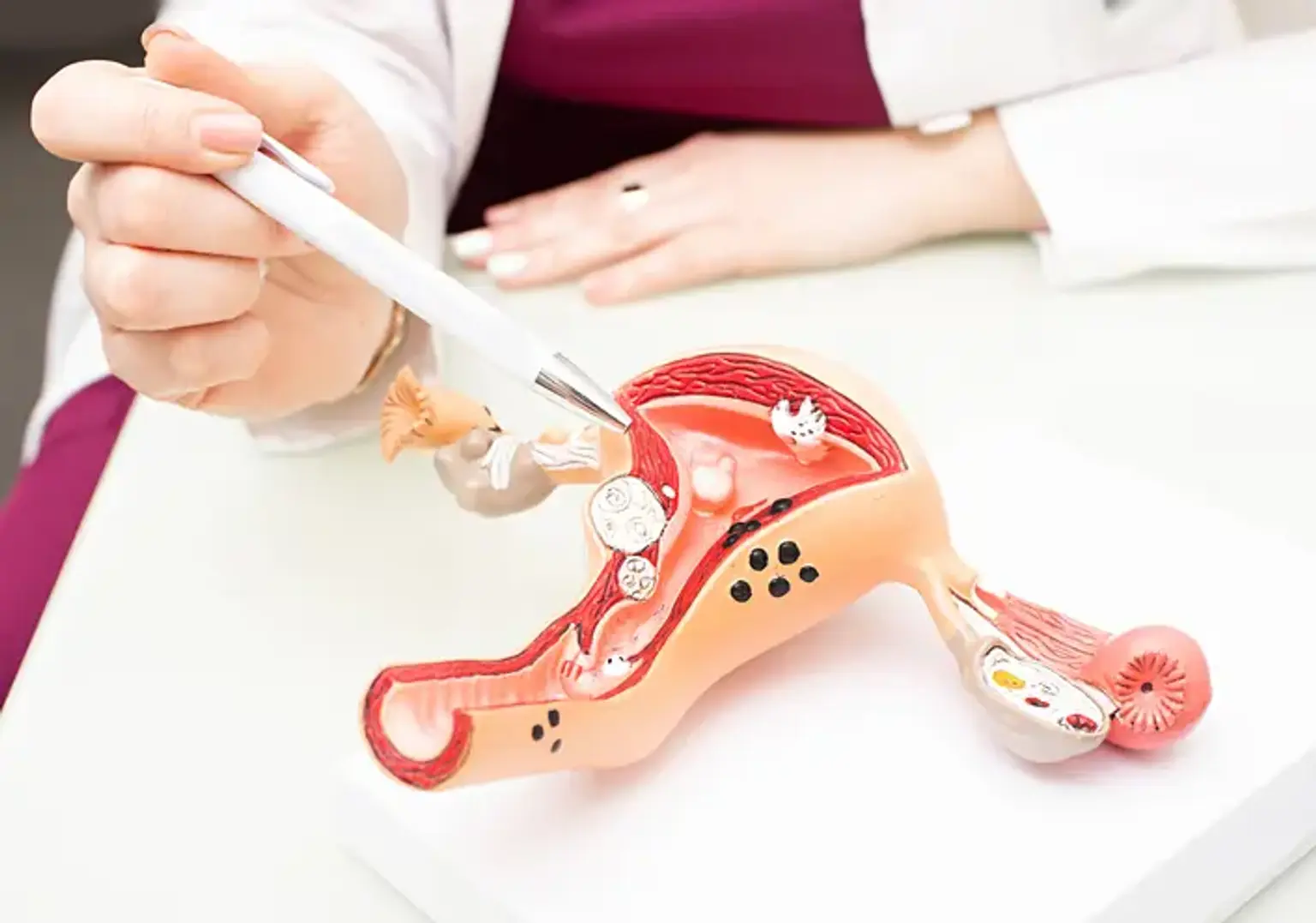
Uterine fibroids, also known as myomas, are non-cancerous tumors that develop in or around the uterus. They are one of the most common gynecological conditions affecting women, especially those in their 30s and 40s. In fact, research estimates that up to 80% of women will develop fibroids by the age of 50, although not all will experience symptoms.
Fibroids can vary in size, from small peas to large masses that can distort the shape of the uterus. While many women with fibroids experience no symptoms, others may face significant complications that can affect their quality of life, fertility, and overall health. These symptoms may include heavy menstrual bleeding, pelvic pain, frequent urination, and bloating.
Understanding uterine fibroids and their impact on a woman’s health is the first step in addressing the condition effectively. Fortunately, advancements in medical treatments allow women to manage their symptoms, and in many cases, completely resolve their fibroids. Treatment options vary depending on factors such as fibroid size, location, and the severity of symptoms.
What Causes Uterine Fibroids?
The exact cause of fibroids is unclear, but several factors contribute:
Hormonal: Estrogen and progesterone fuel fibroid growth, which is why fibroids are more common during reproductive years.
Genetics: A family history of fibroids increases risk.
Age & Ethnicity: Women over 30, especially those of African descent, are at higher risk.
Lifestyle: Obesity and poor diet can increase the likelihood of developing fibroids due to hormonal imbalances.
Other Factors: Early menstruation, high blood pressure, and vitamin D deficiency may also contribute.
When Should You Seek Treatment for Fibroids?
Not all fibroids require treatment. However, you should consider seeking treatment if:
Severe Symptoms: Heavy bleeding, pain, or frequent urination.
Infertility: Fibroids can affect fertility and pregnancy.
Large Fibroids: Can cause abdominal swelling and organ pressure.
Pregnancy Complications: Fibroids can lead to miscarriage or preterm birth.
Emotional Impact: Chronic pain and heavy bleeding can cause distress.
If any of these apply to you, consult your healthcare provider to explore treatment options tailored to your needs.
Treatment Overview: How to Manage Uterine Fibroids
Treatment for uterine fibroids depends on their size, location, and symptoms. Options range from non-invasive therapies to more intensive surgical procedures. The goal is to relieve symptoms, improve quality of life, and preserve fertility when possible.
Non-surgical options: These can help shrink fibroids or manage symptoms without the need for surgery.
Surgical options: Necessary for larger fibroids or when other treatments don’t work.
Personalized care: The choice of treatment should align with your symptoms, age, and fertility goals, guided by your gynecologist.
Identifying Uterine Fibroids: Symptoms and Diagnosis
Symptoms: Not all women have symptoms, but common ones include:
Heavy Menstrual Bleeding: May lead to anemia.
Pelvic Pain: Pressure or discomfort in the pelvic region.
Frequent Urination: Due to fibroid pressure on the bladder.
Back Pain: Caused by large fibroids pressing on the back or legs.
Bloating: A feeling of fullness in the abdomen.
Diagnosis: Fibroids are typically detected via:
Ultrasound: The most common imaging method.
MRI: Provides detailed images, especially for larger fibroids.
Hysteroscopy: Allows for direct visualization of the uterus.
Sonohysterogram: Uses saline to provide clearer images of fibroids.
Non-Surgical Treatment Options for Uterine Fibroids
For women with mild symptoms or who wish to avoid surgery, non-surgical treatments can be effective.
Uterine Artery Embolization (UAE): This procedure blocks blood flow to the fibroids, causing them to shrink. It’s minimally invasive with a relatively quick recovery time.
MRI-guided Focused Ultrasound (MRgFUS): Uses high-frequency ultrasound waves to target and destroy fibroid tissue. It’s non-invasive and can be done on an outpatient basis.
Endometrial Ablation: This technique removes the lining of the uterus to reduce heavy bleeding. It works best for women with submucosal fibroids and may not be suitable for those wishing to keep their fertility.
Medications: Hormonal treatments like GnRH agonists shrink fibroids temporarily, reducing bleeding and pain. Non-hormonal options like anti-inflammatory drugs can manage symptoms like pain and discomfort.
Minimally Invasive Surgical Options
Minimally invasive surgeries offer effective solutions with shorter recovery times and less risk compared to traditional surgery.
Laparoscopic Myomectomy: Small incisions and a camera are used to remove fibroids. This procedure is ideal for women who want to preserve their uterus and fertility.
Hysteroscopic Myomectomy: Used for fibroids located inside the uterine cavity, this procedure removes fibroids through the cervix without external incisions. It's particularly effective for smaller fibroids.
Robot-Assisted Surgery: A more advanced form of laparoscopic surgery, using robotic systems for precision and minimal incisions. It’s beneficial for complex fibroids in difficult-to-reach areas.
Traditional Surgical Treatments for Uterine Fibroids
In some cases, traditional surgical treatments are necessary, especially for larger or more troublesome fibroids.
Myomectomy: This surgery removes fibroids while leaving the uterus intact, making it an ideal option for women who want to preserve their fertility. However, it may not prevent new fibroids from developing over time.
Hysterectomy: The removal of the uterus is considered the most definitive treatment for fibroids, especially for women who no longer wish to have children. It’s a major surgery and carries risks, but it completely eliminates fibroids and prevents their recurrence.
While both procedures are highly effective, they come with significant recovery times and the risk of complications, such as infection or blood loss. For women still hoping to have children, myomectomy is typically preferred, but hysterectomy may be the best option for women who no longer need their uterus for reproduction.
Recovery and Aftercare Post-Treatment
Recovery times and aftercare requirements vary depending on the treatment method. Here's a general overview of what to expect after treatment:
Non-Surgical Treatments:
Uterine Artery Embolization (UAE): Recovery usually takes 1-2 weeks. Pain management and follow-up appointments are necessary to monitor fibroid shrinkage.
MRI-guided Focused Ultrasound (MRgFUS): Most women return to normal activities within a few days, though mild discomfort or bruising may occur.
Medications: Hormonal treatments can take weeks to show results. Patients may need ongoing monitoring to ensure effectiveness and manage side effects.
Minimally Invasive Surgery:
Laparoscopic or Hysteroscopic Myomectomy: Recovery typically takes 1-2 weeks. Most women can return to light activities within 2 weeks, but should avoid strenuous exercise for up to 6 weeks.
Robot-Assisted Surgery: Similar to laparoscopic surgery, recovery is faster than traditional surgery, often allowing a return to work within 1-2 weeks.
Traditional Surgery:
Myomectomy & Hysterectomy: These require longer recovery, typically 4-6 weeks for myomectomy and up to 8 weeks for hysterectomy. Patients should avoid heavy lifting and strenuous activities during recovery.
Follow-up care is crucial to monitor for any recurrence of fibroids and ensure proper healing. Your doctor will provide personalized guidelines for post-treatment care.
Potential Risks and Complications of Fibroid Treatments
Though most fibroid treatments are safe and effective, some risks and complications may arise. Understanding these risks can help in making an informed decision:
Non-Surgical Risks:
Uterine Artery Embolization (UAE): Common side effects include pain, fever, and nausea, though complications like infection or damage to nearby organs are rare.
MRI-guided Focused Ultrasound (MRgFUS): Potential risks include skin burns, damage to healthy tissue, or incomplete fibroid treatment.
Surgical Risks:
Laparoscopic and Hysteroscopic Myomectomy: Risks include bleeding, infection, and damage to surrounding organs. There is also the possibility of fibroid recurrence.
Hysterectomy: A more invasive procedure with higher risks, including infection, blood loss, and injury to nearby organs. Hysterectomy also results in infertility, which may be a major consideration for women wishing to have children.
Post-Procedure Complications:
Scarring and Adhesions: Especially after surgery, scar tissue can form, leading to chronic pain or future fertility issues.
Hormonal Changes: For women who undergo hysterectomy or certain forms of myomectomy, there may be a change in hormonal balance, especially if the ovaries are removed.
Discussing the potential risks and benefits with your doctor is essential to ensure the best outcome based on your health and personal goals.
Lifestyle Changes and Long-Term Management of Uterine Fibroids
After treatment, making lifestyle changes can help prevent the recurrence of fibroids and improve your overall health. Consider these strategies:
Diet and Nutrition: A balanced diet rich in fruits, vegetables, and whole grains can help manage hormonal imbalances linked to fibroid growth. Some studies suggest that foods rich in antioxidants and anti-inflammatory properties may be beneficial. Reducing red meat and processed foods may also help lower the risk of fibroids.
Exercise: Regular physical activity can help maintain a healthy weight, which may reduce the likelihood of fibroid growth. Exercise also helps regulate hormones and reduce stress, which can exacerbate symptoms.
Stress Management: Chronic stress may influence hormone levels and contribute to fibroid development. Practices such as yoga, meditation, and deep breathing can help manage stress and promote overall well-being.
Regular Check-ups: Even after treatment, regular gynecological check-ups are important. Your doctor can monitor for new fibroids and check the health of your uterus.
Manage Underlying Conditions: Addressing conditions like obesity, hypertension, or diabetes can reduce the risk of fibroid recurrence.
Emotional Impact of Uterine Fibroids and Coping Strategies
Living with uterine fibroids can have significant emotional and psychological effects, particularly if the symptoms are severe or affect fertility. The impact may be felt in various ways, from dealing with chronic pain to coping with the emotional toll of infertility or the need for surgery.
Emotional Challenges: Women with fibroids may experience feelings of frustration, anxiety, or depression due to ongoing symptoms, difficulties with fertility, or concerns about surgical options. Chronic pain, heavy bleeding, and infertility can also affect self-esteem and mental health.
Coping Strategies:
Support Groups: Connecting with other women who have experienced or are going through fibroid treatments can provide emotional support and share coping strategies.
Counseling: Speaking with a therapist or counselor can help manage emotional distress and offer strategies for handling the mental burden of fibroids.
Open Communication: Having open conversations with your healthcare provider about emotional well-being is important. They may offer additional resources or refer you to mental health professionals who can assist in coping with the psychological impacts.
Coping with the emotional aspects of fibroids is just as important as managing the physical symptoms. It’s essential to seek help and prioritize mental health during your treatment journey.
Fibroid Treatment and Fertility: What You Need to Know
Fibroids can affect fertility, but treatments can help improve the chances of conception:
Impact on Fertility: Submucosal and intramural fibroids can block the fallopian tubes or disrupt implantation.
Fertility-Saving Treatments:
Myomectomy removes fibroids while preserving the uterus, offering a chance for natural conception.
Minimally invasive surgeries like laparoscopic or robotic myomectomy are fertility-preserving options.
UAE may not be suitable for women wanting to get pregnant.
Consulting a fertility specialist is crucial if you're facing infertility due to fibroids.
The Cost of Uterine Fibroid Treatment
Costs for fibroid treatments vary:
Non-Surgical Treatments:
Medications range from $50 to $1,000.
UAE costs between $6,000 to $10,000, and MRgFUS is $10,000 to $15,000.
Minimally Invasive Surgery:
Laparoscopic myomectomy: $8,000 to $15,000.
Robot-assisted surgery can cost $15,000 to $25,000.
Traditional Surgery:
Myomectomy or hysterectomy: $10,000 to $25,000.
Check with your insurance for coverage options to help with costs.
Global Popularity of Uterine Fibroid Treatments
Fibroid treatments vary globally based on healthcare systems and technology:
Developed Countries: The US and Europe offer advanced treatments like UAE and MRgFUS, along with excellent surgical options.
Developing Countries: Access to advanced care may be limited, but basic surgeries like myomectomy and hysterectomy are common.
Medical Tourism: Many women travel abroad for affordable treatments, particularly in countries like India and Mexico.
Telemedicine: Remote consultations are making it easier for women worldwide to access expert advice.
Awareness and treatment options are expanding globally, especially with advances in technology.
Future of Uterine Fibroid Treatments
The future holds promising developments in fibroid treatment:
Genetic Research: Advances in genetic studies may lead to more personalized treatments targeting the root causes of fibroids.
Minimally Invasive Innovations: New technologies, such as robotic surgery and improved imaging, are making procedures quicker and safer.
Non-Hormonal Medications: Research is exploring alternatives to hormone-based treatments for those who cannot use them.
Alternative Therapies: Diet, acupuncture, and other holistic methods may become more mainstream as studies continue.
These advancements promise more effective and less invasive treatments in the years ahead.
Prevention of Uterine Fibroids
Although uterine fibroids cannot always be prevented, certain lifestyle changes may help reduce the risk:
Healthy Diet: Eating a balanced diet rich in fruits, vegetables, and whole grains while reducing red meat and processed foods can help balance hormones and maintain a healthy weight.
Regular Exercise: Physical activity not only helps with weight management but also supports hormonal balance, which may reduce the likelihood of fibroids developing or growing.
Managing Hormonal Imbalances: Some women with hormonal imbalances are at higher risk for fibroids. Regular health check-ups and working with your doctor to balance hormones can be beneficial.
Avoiding Environmental Toxins: Exposure to certain environmental chemicals, such as pesticides and plastics, may increase the risk of fibroids. Avoiding these where possible may help in prevention.
While these changes can't guarantee fibroid prevention, they contribute to overall reproductive and hormonal health.
Addressing Common Questions about Uterine Fibroids
Here are some common questions women have about uterine fibroids:
Can fibroids come back after treatment?
Yes, fibroids can return after treatment, particularly if they were not completely removed. However, the likelihood of recurrence is lower with advanced treatments like myomectomy and UAE.
Are fibroids cancerous?
No, fibroids are benign (non-cancerous) tumors. However, they can cause discomfort and affect fertility.
How can I manage fibroid symptoms without surgery?
Medications, such as hormonal therapies, can help reduce symptoms. Non-surgical treatments like UAE or MRgFUS may also be effective for symptom relief without requiring surgery.
What is the best treatment option for women who want to keep their fertility?
Myomectomy is the most common option for women who want to preserve fertility. This surgery removes the fibroids but leaves the uterus intact, allowing for a chance to conceive.
These FAQs can help clarify some of the common concerns surrounding uterine fibroids.
Conclusion
Choosing the right treatment for uterine fibroids depends on several factors:
Severity of Symptoms: If you have severe symptoms like heavy bleeding or pelvic pain, a more aggressive treatment like surgery or UAE might be necessary.
Fertility Plans: For women who want to preserve fertility, minimally invasive treatments like myomectomy are ideal.
Health Conditions: Your overall health, age, and other conditions may influence the best treatment for you. Your doctor can provide guidance based on your medical history.
Personal Preferences: Some women may prefer non-surgical methods to avoid recovery times, while others may choose surgery for long-term relief.
It’s essential to consult with your gynecologist or a fibroid specialist to determine the best option for your situation. Your healthcare provider can help you weigh the pros and cons of each treatment, ensuring that you receive the most effective and suitable care.