Introduction
Vulvar vestibulitis, often referred to as vestibulodynia or vulvodynia, is a condition characterized by chronic pain in the vulva, particularly in the vestibule area—the region surrounding the vaginal opening. This pain is usually triggered by touch, making sexual intercourse, even daily activities like sitting, extremely uncomfortable.
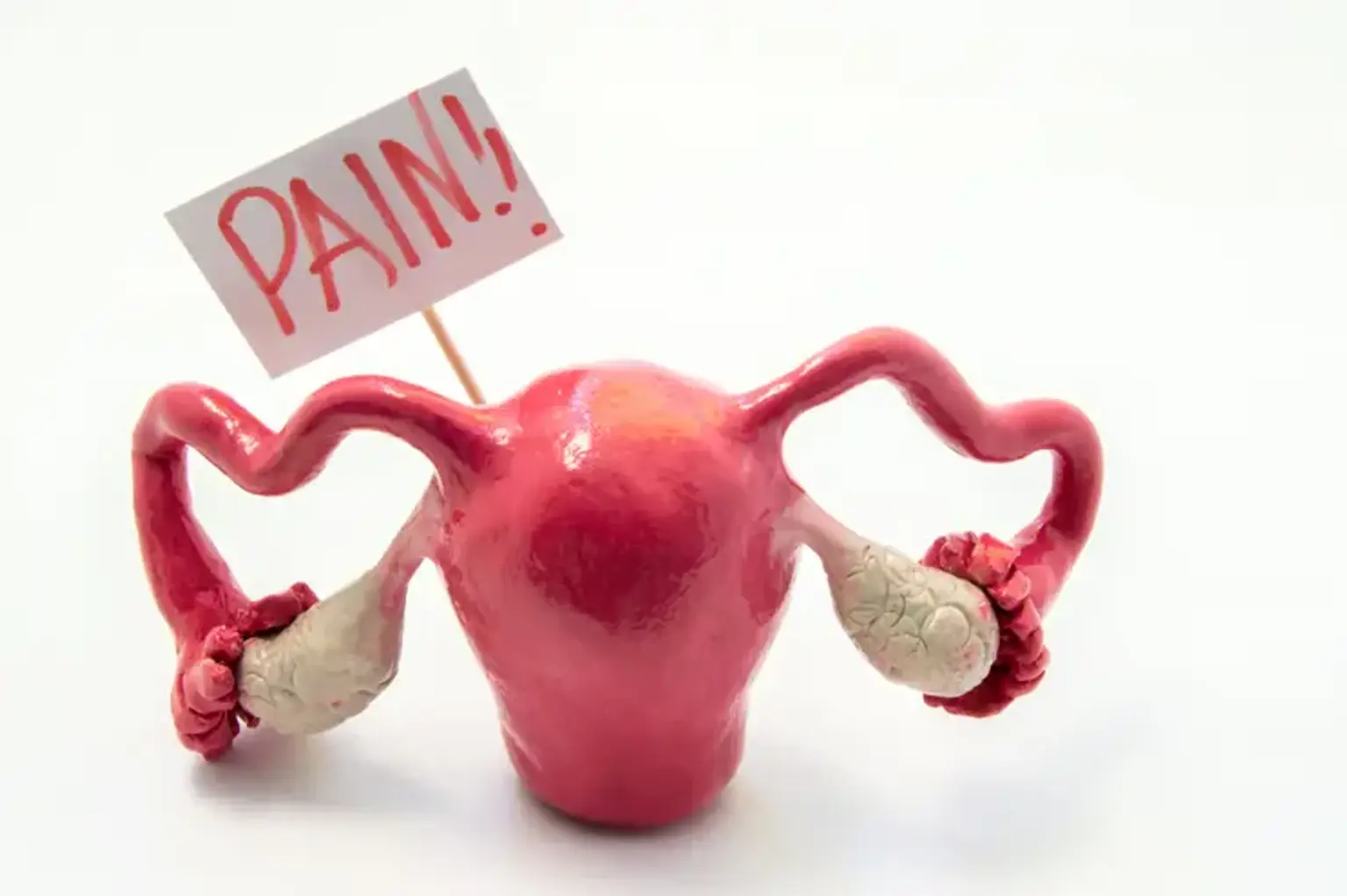
Vulvar vestibulitis affects many women, and its impact goes beyond physical discomfort. It can lead to emotional distress, anxiety, and difficulty with intimacy. Because the condition is often misunderstood or underreported, it’s important to recognize the symptoms early to seek effective treatment.
Understanding the Causes of Vulvar Vestibulitis
The exact causes of vulvar vestibulitis are not entirely understood, but several factors are believed to contribute to its development:
Hormonal Imbalances: Changes in hormone levels, especially during menopause or after childbirth, can influence vulvar tissue and increase pain sensitivity.
Infections and Inflammation: Chronic infections, such as yeast or bacterial infections, may lead to inflammation in the vulvar region, which can contribute to the onset of pain.
Nerve Irritation: In some women, nerve endings in the vulva become hypersensitive, which could be a primary driver of the pain.
Pelvic Floor Dysfunction: Tightness or dysfunction in the pelvic floor muscles can also exacerbate discomfort and contribute to the condition.
Understanding these potential causes helps guide treatment decisions and explains why some treatments work for some individuals but not others.
Recognizing the Symptoms of Vulvar Vestibulitis
Vulvar vestibulitis is primarily defined by chronic vulvar pain. Women with this condition often report:
Burning Sensation: A constant, intense burning feeling in the vaginal area, especially around the opening.
Painful Intercourse: Also known as dyspareunia, this is one of the hallmark symptoms. The pain can make sexual activity physically impossible or highly uncomfortable.
Irritation: Some women experience heightened sensitivity or irritation, even with light touch or wearing tight clothing.
In addition to these symptoms, some women might experience itching, redness, or swelling in the vulvar area. If left untreated, the pain may worsen and impact daily activities, causing significant emotional distress.
Diagnosing Vulvar Vestibulitis
Diagnosing vulvar vestibulitis involves a thorough evaluation by a healthcare provider. The process typically includes:
Clinical Examination: A gynecologist or specialist will conduct a pelvic exam, often using a cotton swab to apply light pressure to the vestibule area. If this elicits pain, it may confirm the presence of vestibulitis.
Excluding Other Conditions: A key part of diagnosis is ruling out other conditions that might cause similar symptoms, such as infections, skin disorders, or other types of vulvodynia. This may involve laboratory tests or a biopsy in rare cases.
Patient History: Discussing medical history, sexual health, and any previous infections or treatments is crucial to understand the full context of the symptoms.
A correct diagnosis is important as it ensures the right treatment approach. Without proper diagnosis, treatments may not be effective, and the underlying cause of the pain might go unaddressed.
First-line Treatments for Vulvar Vestibulitis
For many women, first-line treatments focus on symptom management and reducing pain. These treatments are generally non-invasive and aim to provide immediate relief.
Topical Anesthetics: A common first step in treating vulvar vestibulitis is using topical anesthetics, like lidocaine creams or gels. These numbing agents help reduce pain and discomfort, especially during sexual activity or other irritants.
Pelvic Floor Physical Therapy: If pelvic floor dysfunction is a contributing factor, pelvic floor therapy may be recommended. This treatment involves exercises to relax and strengthen the pelvic muscles, which can reduce pain and improve overall function. Specialized physical therapists are trained to guide patients through this process.
Lifestyle Changes: Small adjustments, such as wearing loose, cotton underwear, avoiding harsh soaps or fragrances, and reducing stress, can help ease symptoms and prevent flare-ups.
These initial treatments are often effective for managing pain and preventing further discomfort, but if symptoms persist, more advanced options may be necessary.
Medications for Managing Vulvar Vestibulitis
When first-line treatments are insufficient, doctors may recommend medications to provide longer-lasting relief and address underlying issues:
Topical Steroids: These can reduce inflammation and improve skin sensitivity in the vulvar area, especially if there’s irritation or inflammation due to underlying conditions.
Oral Medications for Nerve Pain: If the pain is more chronic or neuropathic, oral medications such as antidepressants (e.g., amitriptyline) or anticonvulsants (e.g., gabapentin) may be prescribed. These medications target the nerves, reducing pain and discomfort.
Hormonal Treatments: For women experiencing vulvar vestibulitis related to hormonal imbalances (e.g., post-menopause), estrogen creams or systemic hormone therapy might be recommended. These treatments can help restore the health and moisture of vulvar tissues, decreasing sensitivity and pain.
While medications can significantly reduce symptoms, they may not be a permanent solution and are often used in combination with other therapies.
Non-invasive Treatments for Vulvodynia
In addition to medications, non-invasive treatments can help women manage vulvar vestibulitis effectively. Many of these methods focus on improving pelvic health and managing the emotional impact of chronic pain:
Acupuncture: This alternative therapy uses fine needles inserted into specific points on the body to stimulate nerves and reduce pain. Acupuncture has shown promise in managing chronic pelvic pain and promoting relaxation.
Biofeedback: This technique helps women gain more control over bodily functions, including muscle relaxation. For vulvar vestibulitis, biofeedback training can help reduce pelvic muscle tension and ease discomfort.
Vaginal Dilators: In cases where penetration during intercourse is painful, vaginal dilators can be used to gradually desensitize the area. Dilators are inserted into the vaginal opening and help stretch the muscles around the vestibule, allowing for more comfortable sexual activity over time.
Cognitive Behavioral Therapy (CBT): Chronic pain often takes an emotional toll, and CBT can help women cope with the psychological effects of living with vulvar vestibulitis. CBT addresses anxiety, depression, and stress that often accompany chronic pain.
These non-invasive methods aim to address the physical and emotional components of vulvar vestibulitis, making them valuable in a comprehensive treatment plan.
Pelvic Floor Physical Therapy for Vulvar Vestibulitis
One of the most effective treatments for vulvar vestibulitis related to pelvic floor dysfunction is pelvic floor physical therapy. This form of therapy focuses on the muscles, ligaments, and tissues in the pelvic region and aims to restore balance and relieve pain.
Relaxation Techniques: One of the core goals of pelvic floor therapy is to teach women how to relax tight pelvic muscles. This is especially important because tight muscles can increase pain and discomfort. Techniques such as diaphragmatic breathing and gentle stretches can help alleviate muscle tension.
Strengthening Exercises: In some cases, weak pelvic muscles contribute to pain. Pelvic floor therapists may guide patients through exercises designed to strengthen the muscles, improving support for the vulvar area and reducing discomfort.
Manual Therapy: This hands-on approach involves a therapist applying pressure to specific areas in the pelvic region to release tightness or adhesions. This can be particularly helpful for women whose pain is caused by muscle spasms or scars from previous injuries or surgeries.
Biofeedback Integration: Many pelvic floor therapists use biofeedback devices during treatment to help women monitor muscle activity in real-time, ensuring that they are performing exercises correctly and effectively.
Pelvic floor therapy can take time, but many women find significant relief from their symptoms, making it a valuable treatment option for vulvar vestibulitis.
Surgical Options for Severe Vulvar Vestibulitis
In cases where conservative treatments fail, surgery may be considered for severe or persistent vulvar vestibulitis. Surgery is typically reserved for women who experience debilitating pain and no relief from other therapies.
Vestibular Nerve Resection: One common surgical procedure is the vestibular nerve resection, where the nerves in the painful area are surgically removed or altered to reduce sensitivity. This is typically performed when the pain is localized and caused by nerve irritation.
Vestibulectomy: In more extreme cases, a vestibulectomy involves removing a portion of the vulvar vestibule. This surgery can be effective for women with severe, localized pain, though it does come with recovery time and potential risks.
Surgical options can provide long-term relief for some women, but they carry risks like infection, scarring, and changes in sensation, which should be carefully considered with a specialist.
Hormonal Treatments for Vulvodynia
For women whose vulvar vestibulitis is related to hormonal changes, particularly during menopause or after childbirth, hormonal treatments may be an effective solution.
Estrogen Creams: These topical creams are applied directly to the vulva to restore moisture, elasticity, and health to the tissues, which can help alleviate dryness and sensitivity. Estrogen can also improve circulation, promoting better tissue repair.
Systemic Hormonal Therapy: For some women, a broader approach such as systemic estrogen or progesterone therapy may be recommended, particularly if symptoms are linked to menopause or hormonal imbalances.
While hormonal treatments can provide relief, they may not be suitable for all women, particularly those with a history of hormone-sensitive cancers. A thorough consultation with a healthcare provider is necessary to weigh the benefits and risks.
The Role of Antibiotics in Vulvar Vestibulitis Treatment
In some cases, antibiotics may be prescribed if an infection is suspected to be a contributing factor to vulvar vestibulitis. However, antibiotics are not typically used as a primary treatment for the condition itself.
Treating Infections: If vulvar vestibulitis is caused or aggravated by infections like yeast or bacterial vaginosis, antibiotics or antifungal treatments may be necessary to address the infection before proceeding with other therapies.
Controversy of Antibiotics: Some women seek antibiotics in the hope that they’ll resolve pain caused by vulvar vestibulitis, but it’s important to note that antibiotics won’t address the underlying nerve or tissue sensitivity often associated with the condition.
Antibiotics can be a helpful part of treatment when infections are involved, but they are not a stand-alone solution for vulvar vestibulitis.
Lifestyle Modifications for Long-term Relief
Lifestyle changes can play a crucial role in managing and preventing flare-ups of vulvar vestibulitis. Adopting certain habits can help reduce pain and improve quality of life.
Dietary Adjustments: Some women find that reducing their intake of irritants, such as caffeine, alcohol, or spicy foods, can help decrease inflammation and discomfort. A diet rich in anti-inflammatory foods like fruits, vegetables, and omega-3 fatty acids may also promote healing.
Stress Management: Stress is a known trigger for many chronic pain conditions. Regular practices like yoga, meditation, or deep breathing exercises can help relax the pelvic floor muscles and reduce pain flare-ups.
Exercise and Physical Activity: Staying active through low-impact exercises like walking, swimming, or yoga can improve circulation, reduce stress, and strengthen the pelvic muscles, which may alleviate discomfort.
Simple lifestyle changes can be an important part of an overall treatment plan, helping to manage symptoms and improve overall well-being.
Psychological Impact of Vulvar Vestibulitis
Vulvar vestibulitis can have a significant psychological impact, as chronic pain and discomfort can affect a woman's sense of well-being, body image, and self-esteem.
Anxiety and Depression: Chronic pain is often accompanied by feelings of anxiety and depression. The persistent discomfort can lead to frustration, stress, and a sense of isolation, especially when it interferes with intimacy or daily activities.
Sexual and Emotional Health: Women with vulvar vestibulitis may experience sexual dysfunction, leading to distress about relationships and intimacy. This can lead to avoidance of sexual activity, causing tension with partners and affecting relationship dynamics.
Support Groups and Counseling: Seeking support from others who understand the condition or participating in cognitive-behavioral therapy (CBT) can be beneficial in addressing the emotional toll. Therapy can help women process the emotional challenges and learn coping strategies for managing pain and anxiety.
Addressing the emotional and psychological aspects of vulvar vestibulitis is crucial for holistic care and improving overall quality of life.
Sexual Health and Vulvar Vestibulitis
One of the most challenging aspects of vulvar vestibulitis is its effect on sexual health. Painful intercourse (dyspareunia) can lead to a significant decrease in sexual desire and intimacy.
Communication with Partners: Open communication with a partner is essential. Explaining the condition and its impact can foster understanding and create a supportive environment for intimacy. Couples may need to explore alternative sexual activities or positions to avoid pain while maintaining closeness.
Sexual Therapy: Many women benefit from sexual counseling or therapy to address the emotional and relational aspects of the condition. A therapist can help women and their partners navigate the challenges of pain during intercourse and explore ways to improve intimacy.
While painful intercourse can be distressing, treatment for vulvar vestibulitis and open communication can often improve sexual health and enhance intimacy over time.
Managing Vulvar Vestibulitis Long-Term
Vulvar vestibulitis is a chronic condition that requires ongoing management. Although there may not be a one-size-fits-all solution, many women can find lasting relief through a combination of treatments and lifestyle changes.
Ongoing Maintenance: Women with vulvar vestibulitis should stay in close communication with their healthcare providers to adjust treatments as necessary. Regular follow-ups may be needed to monitor progress and address any new symptoms.
Combining Therapies: Since vulvar vestibulitis has multiple contributing factors (inflammation, nerve sensitivity, pelvic dysfunction), a multifaceted treatment approach often works best. Combining therapies like pelvic floor therapy, medications, and lifestyle changes may provide the best long-term outcomes.
Prevention: While there is no surefire way to prevent vulvar vestibulitis, lifestyle modifications, stress reduction, and maintaining a healthy pelvic floor can help reduce the risk of flare-ups. Practicing good vulvar hygiene and avoiding irritants like harsh chemicals and tight clothing can also be beneficial.
Long-term management focuses on maintaining symptom relief and preventing future pain flare-ups through ongoing care.
Global Awareness and Advancements in Treatment
Vulvar vestibulitis, while common, remains underdiagnosed and misunderstood in many parts of the world. Increased global awareness about the condition is crucial for better diagnosis and treatment options.
Educational Initiatives: Medical professionals are becoming more informed about vulvar vestibulitis, which has led to better diagnosis and more tailored treatment plans. However, there’s still a need for increased education for both healthcare providers and patients.
Research Advancements: Ongoing research is exploring new treatments and deeper insights into the causes of vulvar vestibulitis. Clinical studies are examining the efficacy of advanced therapies such as nerve blocks, botulinum toxin injections (Botox), and regenerative treatments like platelet-rich plasma (PRP) therapy.
Improved Resources: As awareness grows, resources for women suffering from vulvar vestibulitis have expanded, including online support groups, specialized clinics, and medical publications focused on pain management and sexual health.
Advancements in research and treatment options hold promise for future management of vulvar vestibulitis, providing hope for women globally.
The Importance of Early Diagnosis
Early diagnosis of vulvar vestibulitis is crucial for effective treatment and improved outcomes. The longer the condition goes untreated, the more it can affect a woman's quality of life and increase the likelihood of developing chronic pain.
Recognizing Symptoms Early: Women should seek medical attention if they experience persistent pain or discomfort in the vulvar area, especially during intercourse. Early intervention helps manage the condition before it becomes more severe or widespread.
Improved Outcomes: With timely diagnosis, the chances of achieving long-term relief are higher, especially with non-invasive treatments such as pelvic floor therapy or topical medications. Early treatment can prevent the escalation of symptoms and provide better control over the condition.
Prompt medical attention plays a vital role in managing vulvar vestibulitis effectively and reducing the long-term impact on a woman’s health.
Support Networks and Resources for Women
Living with vulvar vestibulitis can be isolating, but there are support networks and resources available to help women cope with the emotional and physical challenges.
Online Communities: Many women find solace and support in online forums or social media groups dedicated to vulvar vestibulitis. These platforms allow women to share experiences, ask questions, and provide encouragement to one another.
Medical Support: Specialized vulvar pain clinics and healthcare providers can offer expert guidance in managing vulvar vestibulitis. These clinics focus on pain management, pelvic floor rehabilitation, and sexual health, making them invaluable resources.
Accessing the right resources and connecting with others who understand the condition can help women feel empowered and less alone in their journey to treatment.
Costs and Insurance Considerations
The cost of treatment for vulvar vestibulitis can vary widely, depending on the therapies involved and whether they are covered by insurance.
Treatment Expenses: Basic treatments, like topical medications and pelvic floor therapy, are generally affordable. However, more specialized treatments, such as surgery, botulinum toxin injections, or long-term hormonal therapy, can be more expensive.
Insurance Coverage: Some insurance plans may cover certain treatments for vulvar vestibulitis, especially if they are deemed medically necessary. It’s important for patients to consult with their insurance provider to understand coverage options for specific therapies.
Understanding the financial aspect of treatment is crucial in ensuring that women can access the care they need without undue financial burden.
Conclusion
Vulvar vestibulitis is a complex and often misunderstood condition, but with the right treatment approach, many women can find relief and regain control over their lives. From conservative measures like topical medications and pelvic floor therapy to advanced treatments such as surgery and hormonal therapies, there is a wide range of options available, depending on the severity of the condition.
Equally important is addressing the emotional impact of vulvar vestibulitis. Psychological support, open communication with partners, and counseling can help women manage the stress and frustration that often accompany chronic pain. Support networks, both online and in clinical settings, offer vital resources for women navigating this journey.
Early diagnosis, combined with a comprehensive treatment plan, can significantly improve outcomes and reduce the long-term effects of the condition. While the cost and availability of treatments can vary, understanding your options and working with healthcare providers ensures that women can make informed choices about their care.