Introduction
The Y Chromosome is a crucial part of male genetics, determining male characteristics like sex differentiation, fertility, and health. Y Chromosome DNA testing allows men to explore their genetic risks, track paternal ancestry, and uncover health conditions that may not be detected through traditional medical tests. With increasing popularity, this test offers insights into male-specific conditions and genetic traits, providing both health and genealogical benefits. This article will cover how Y Chromosome DNA testing works, its uses, and its growing importance in genetic screening.
What is a Y Chromosome DNA Test?
What is Tested
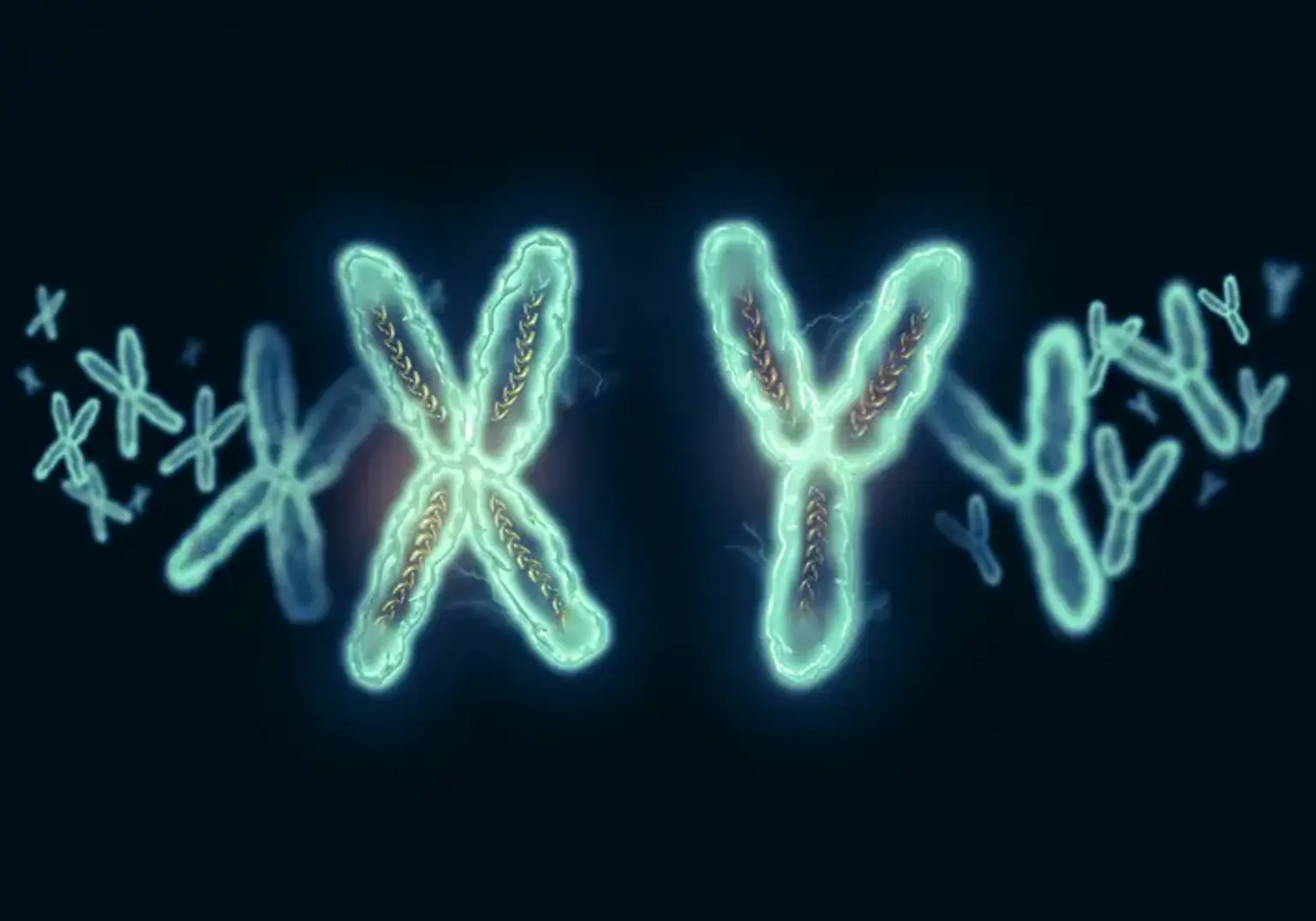
A Y Chromosome DNA test analyzes the Y Chromosome, which is inherited only from father to son. The Y Chromosome carries critical information about male-specific genes that influence traits like sperm production and testosterone levels. By testing it, we can uncover genetic risks related to male health.
How the Test Works
The test begins with a simple DNA sample, usually a cheek swab or blood test. The sample is sent to a lab, where specialists examine specific markers on the Y Chromosome to uncover genetic information. This process typically takes a few weeks, with results offering insights into health risks, ancestry, and potential genetic disorders.
Genetic Information
The Y Chromosome is responsible for male traits and reproductive functions. Testing it can reveal genetic disorders such as infertility, Klinefelter syndrome, or even risks for certain cancers. It also provides data on male-specific hereditary conditions and lineage tracing.
How Y Chromosome DNA Testing Is Used for Genetic Screening
Genetic Disorders
Y Chromosome testing is crucial for diagnosing genetic conditions like Y Chromosome microdeletions, which are linked to male infertility. These microdeletions can lead to azoospermia (lack of sperm) or other fertility issues. Additionally, conditions like Klinefelter syndrome, where men have an extra X Chromosome, can be identified through Y-DNA testing.
Health Risk Detection
Beyond fertility, Y Chromosome testing can detect genetic predispositions to certain health conditions. Studies suggest a connection between the Y Chromosome and conditions like prostate cancer and male-pattern baldness. By identifying these genetic markers, individuals can take preventive steps to manage their health proactively.
Male Fertility
One of the most common uses of Y Chromosome testing is in diagnosing male infertility. Genetic mutations or deletions on the Y Chromosome can prevent sperm production, leading to infertility. Y-DNA testing helps pinpoint these genetic issues, offering men insight into their fertility health and options for assisted reproduction.
The Benefits of Y Chromosome DNA Testing for Genetic Screening
Health Insights
Y Chromosome DNA testing provides vital insights into male health. It helps identify underlying genetic conditions, such as those affecting fertility or increasing susceptibility to certain cancers. Early identification of these risks allows men to take necessary health precautions and undergo targeted treatments.
Preventive Health
Understanding genetic risks through Y Chromosome testing can help men take preventive measures, such as lifestyle changes, early screenings for cancers, or fertility treatments. Proactive health management can help reduce the risk of serious health complications later in life.
Ancestral Insights
In addition to health benefits, Y Chromosome testing allows men to trace their paternal lineage and uncover details about their ancestral roots. Since the Y Chromosome is passed directly from father to son, it offers a clear genetic path for exploring male ancestry. This makes it a valuable tool for genealogical research and connecting with one’s family history.
The Science Behind Y Chromosome DNA Testing
Understanding the Y Chromosome
The Y Chromosome is one of the two sex chromosomes in humans, with the other being the X Chromosome. Men inherit one Y Chromosome from their father and one X Chromosome from their mother, which makes them genetically distinct from women who have two X Chromosomes. The Y Chromosome plays a critical role in determining male sex and supporting male reproductive functions. It contains about 60 million base pairs of DNA and is passed down almost unchanged from father to son.
How Y Chromosome Testing Works
Y Chromosome DNA testing specifically analyzes regions of the Y Chromosome that are prone to mutations or variations, such as microdeletions or other genetic markers. These genetic markers provide information about hereditary conditions that are linked to male health. The test examines DNA in various regions of the Y Chromosome to identify specific mutations, providing valuable data on fertility, genetic disorders, and even paternal lineage.
Genetic Markers and Variations
Researchers have identified several key genetic markers on the Y Chromosome that can indicate the presence of genetic disorders or susceptibility to certain conditions. These markers can be used to assess risks for conditions like male infertility, prostate cancer, or even some autoimmune diseases. The variations in these markers are typically passed down from father to son, making them invaluable tools for understanding paternal inheritance patterns.
Common Genetic Conditions Detected by Y Chromosome DNA Testing
Y Chromosome Microdeletions
One of the most significant uses of Y Chromosome testing is identifying microdeletions. These are small missing segments of DNA on the Y Chromosome that can lead to male infertility. Men with Y Chromosome microdeletions may experience reduced sperm production or azoospermia (absence of sperm), making it difficult for them to conceive naturally. Identifying these microdeletions through genetic testing is crucial for diagnosing infertility and determining the best course of treatment.
Klinefelter Syndrome
Klinefelter syndrome is a genetic condition where men are born with an extra X Chromosome (XXY instead of XY). This condition can lead to developmental issues, such as learning disabilities, reduced testosterone levels, and infertility. While this condition is often detected through karyotyping, Y Chromosome testing can also help identify the genetic causes of Klinefelter syndrome and provide early intervention strategies.
Other Conditions Linked to the Y Chromosome
In addition to microdeletions and Klinefelter syndrome, several other health conditions are associated with the Y Chromosome. These include conditions such as Y-linked hearing loss, which is passed down through the male line, and certain types of male-specific cancers like prostate cancer, which may have a genetic basis linked to variations in the Y Chromosome.
The Global Popularity and Accessibility of Y Chromosome DNA Testing
Increasing Demand for Genetic Screening
As awareness of genetic health and ancestry grows, more men are opting for Y Chromosome DNA testing to learn about potential health risks and trace their paternal lineage. The rise in popularity of direct-to-consumer genetic testing services, such as those offered by companies like 23andMe and AncestryDNA, has made genetic testing more accessible and affordable for the general public.
Availability and Cost of Y Chromosome Testing
Y Chromosome DNA testing is now available through various medical providers and genetic testing companies. While the price of testing can vary, it typically ranges from $100 to $500, depending on the depth of analysis. Many clinics offer specialized genetic counseling services to help individuals understand their results and make informed health decisions. In some cases, insurance may cover the cost of Y Chromosome testing, especially if it’s used for fertility or health-related reasons.
Impact on Men’s Health and Awareness
The growing interest in Y Chromosome DNA testing is helping to increase awareness of male-specific health conditions and conditions that may affect future generations. Men who undergo this testing can gain valuable insights into their health, ancestry, and potential risks, helping them make proactive decisions regarding their health and family planning. Additionally, with more research into the Y Chromosome, we may see further advancements in the prevention and treatment of male-related genetic conditions.
The Role of Y Chromosome DNA Testing in Male Fertility
Male Infertility Diagnosis
Male infertility is a growing concern, with approximately 40-50% of infertility cases being attributed to male factors. Y Chromosome testing plays a key role in diagnosing male infertility, especially when no other obvious cause can be found. Men with low sperm count or no sperm (azoospermia) may benefit from Y Chromosome testing, which can detect genetic issues affecting sperm production.
Link Between Y Chromosome Deletions and Infertility
Microdeletions on the Y Chromosome are one of the primary causes of male infertility. These deletions often occur in regions of the Y Chromosome that are critical for sperm production. A Y Chromosome DNA test can identify these deletions, providing men with the knowledge they need to explore assisted reproductive options, such as sperm extraction and in vitro fertilization (IVF).
Assisted Reproductive Technologies
For men diagnosed with Y Chromosome microdeletions or other genetic infertility factors, assisted reproductive technologies (ART) may offer a solution. Techniques like sperm retrieval, intracytoplasmic sperm injection (ICSI), and IVF can help overcome genetic obstacles to conception. Y Chromosome DNA testing can help fertility specialists determine the best ART approach based on genetic findings.
Ethical Considerations and Privacy Concerns
Data Privacy Risks
Y Chromosome DNA testing raises privacy concerns regarding how genetic data is stored and shared. It is important to carefully review the testing provider’s privacy policies to ensure the security of personal genetic information.
Ethical Challenges
The results from genetic testing can raise ethical issues, including concerns about genetic discrimination. Additionally, discovering predispositions to conditions like infertility or cancer can cause emotional distress. It is crucial to approach these tests with full understanding and informed consent.
The Role of Genetic Counseling
Genetic counseling plays a vital role in helping individuals understand their test results, the potential risks, and the emotional impact. It ensures that people are well-prepared for the implications of their genetic findings.
Common Questions About Y Chromosome DNA Testing
Can Y Chromosome DNA Testing Help with Male Fertility?
Yes, Y Chromosome DNA testing can be an invaluable tool in diagnosing male infertility. It can identify genetic factors, such as Y Chromosome microdeletions, that are often linked to low sperm count or a complete lack of sperm in the semen. This type of testing helps men understand if they have any underlying genetic causes for their infertility, which can aid in making informed decisions about fertility treatments or assisted reproductive technologies like IVF.
Is Y Chromosome DNA Testing the Same as a Paternity Test?
No, Y Chromosome DNA testing is distinct from a paternity test. A paternity test compares the Y Chromosome between the alleged father and child to confirm biological parentage. On the other hand, Y Chromosome DNA testing looks at specific markers on the Y Chromosome to assess male health, fertility, and ancestral lineage. While both tests use the Y Chromosome, their purposes and applications are quite different.
How Accurate Is Y Chromosome DNA Testing?
Y Chromosome DNA testing is highly reliable for detecting conditions like Y Chromosome microdeletions and assessing genetic risks for male-related health issues. However, like all medical tests, there’s always a small risk of error. While false positives and negatives are rare, it’s essential to follow up with a healthcare provider to interpret the results and confirm their significance. This will ensure that any necessary actions are taken based on the findings.
Can Y Chromosome DNA Testing Be Used for Ancestry Tracing?
Yes, Y Chromosome DNA testing is frequently used in genealogical research to trace paternal ancestry. Since the Y Chromosome is inherited directly from father to son, it carries markers that reflect paternal family history. Many people use Y Chromosome DNA tests to trace their paternal lineage, identify ancestral origins, and connect with distant relatives who share similar genetic markers. These tests provide a powerful tool for exploring your genetic heritage.
Risks and Limitations of Y Chromosome DNA Testing
False Positives and False Negatives
While Y Chromosome DNA tests are known for their high accuracy, no genetic test is immune to errors. False positives (when a genetic condition is incorrectly identified) and false negatives (when a genetic condition goes undetected) can happen, though they are relatively rare. It’s important to remember that even when a genetic variant is detected, it doesn’t always result in a medical condition. Many genetic changes may be benign, and their impact might be minimal or require further investigation to understand their full significance.
Incomplete Genetic Information
Y Chromosome DNA testing focuses specifically on the Y Chromosome, which provides valuable information related to male health, fertility, and paternal lineage. However, this test does not provide a full genetic picture. Many genetic conditions may not be detected through Y Chromosome testing, as they could involve genes located on other chromosomes. For a more comprehensive understanding of your genetic makeup, you might need broader testing, such as whole-genome sequencing.
Psychological Impact of Test Results
Receiving potentially alarming test results can have an emotional toll, especially if they suggest an increased risk for infertility, cancer, or other serious conditions. The psychological impact of such information can be significant, which is why it is recommended to discuss the results with a genetic counselor or healthcare provider. They can offer emotional support, help you understand the potential outcomes, and guide you through the next steps, ensuring you feel informed and empowered to make decisions.
Next Steps After Your Y Chromosome DNA Test
Consult with a Genetic Counselor
After receiving your Y Chromosome DNA test results, it’s highly advisable to consult with a genetic counselor or a healthcare professional. They will help you interpret the results and explain how they impact your health and fertility. If the test reveals any genetic conditions or potential health risks, your counselor can guide you through the available options, whether it’s fertility treatments, lifestyle changes, or preventive measures for conditions like cancer.
Take Preventive Measures for Health Risks
If your Y Chromosome DNA test reveals an increased risk for certain health conditions, taking preventive measures is critical. For instance, men with a higher risk of prostate cancer can begin regular screenings to catch any signs early. Similarly, lifestyle changes—such as diet modifications, exercise, or reducing exposure to environmental toxins—may be recommended to reduce health risks. Your healthcare provider can help tailor a preventive strategy that best suits your needs.
Y Chromosome DNA Testing and Male Health Conditions
Health Conditions Linked to the Y Chromosome
Y Chromosome DNA testing is valuable for identifying genetic markers linked to male health conditions, including male infertility, prostate cancer, and heart disease. For instance, Y Chromosome microdeletions are often associated with infertility and low sperm count. Early identification of these genetic issues can help men seek treatment options or fertility preservation methods.
Prostate Cancer and Other Risks
Genetic mutations on the Y Chromosome can also increase the risk of prostate cancer and other male-specific cancers. Early genetic screening can lead to more effective treatments and preventive measures, potentially improving health outcomes.
Male Health Beyond Reproductive Issues
The Y Chromosome also influences broader health conditions, such as cardiovascular disease and metabolic disorders. While research is ongoing, genetic testing can offer insights into these potential risks, helping men make informed decisions about their health.
The Global Popularity of Y Chromosome DNA Testing
Increased Interest Worldwide
Genetic testing, including Y Chromosome DNA testing, is becoming increasingly popular. With advancements in genetic research and testing technologies, more men are seeking these tests for fertility, health risk assessments, and ancestry purposes. This trend is fueled by the growing availability of direct-to-consumer genetic tests.
Medical Use in Fertility Clinics
In medical and fertility clinics, Y Chromosome DNA testing is commonly used to diagnose infertility issues. It helps identify genetic causes, such as Y Chromosome microdeletions, enabling fertility specialists to offer targeted treatments or reproductive technologies like IVF.
Genealogy and Ancestry Services
Y Chromosome DNA testing is also widely used for tracing paternal ancestry. Many people now use these tests to learn about their genetic heritage, connecting with distant relatives and exploring their family history through shared genetic markers.
How to Interpret Your Y Chromosome DNA Test Results
Understanding the Results
Once your Y Chromosome DNA test results arrive, they will typically come in the form of a detailed report outlining key genetic markers found on the Y Chromosome. These markers can help you understand various aspects of your health, fertility, and family history. Depending on the specific test and the markers evaluated, the report may highlight any genetic conditions or predispositions to health issues such as male infertility, prostate cancer, or even certain inherited diseases.
Genetic Variants and Their Significance
Your Y Chromosome results may reveal genetic variants or mutations, which are noteworthy for understanding your risk of various conditions. Y Chromosome microdeletions, for example, can lead to reduced sperm production or infertility. Other genetic variants might indicate an increased likelihood of certain cancers, like prostate cancer. It’s crucial to interpret these results accurately, as some mutations may not manifest as immediate health issues but can have long-term consequences or be passed on to future generations.
Follow-up Testing and Consultation
If your Y Chromosome DNA test reveals any concerning findings, such as microdeletions or other mutations, follow-up testing may be recommended. This might involve additional genetic tests to further assess your health status, such as examining your overall fertility potential or undergoing screenings for specific diseases like cancer. A healthcare provider or genetic counselor can offer guidance, helping you explore your treatment options, fertility preservation methods, or preventive measures based on the findings.
The Future of Y Chromosome DNA Testing
Advancements in Research
The future of Y Chromosome DNA testing is bright, with ongoing research exploring how Y Chromosome markers can predict conditions beyond fertility, such as aging and chronic diseases. This may lead to more precise medical predictions and interventions.
Routine Medical Use
Y Chromosome testing could become a routine part of healthcare, helping men identify health risks early on. This proactive approach to health screening could improve long-term outcomes by enabling preventive measures and early treatments.
Personalized Medicine and Broader Access
As genetic testing becomes more affordable, the potential for personalized medicine grows. Y Chromosome DNA testing could help doctors tailor treatments based on individual genetic profiles. With continued advancements, testing may become accessible to more people globally, promoting health awareness and preventive care.
Y Chromosome DNA Testing in Family Planning
Genetic Risks in Family Planning
Y Chromosome DNA testing is useful for couples facing infertility. Men with Y Chromosome mutations, like microdeletions, may experience low sperm count. Early testing helps guide decisions about natural conception or assisted reproductive technologies like IVF.
Impact on Inherited Disorders
The test also identifies genetic conditions that could be passed down. Families can use this information to make informed decisions about pregnancy and family planning.
Fertility Preservation Options
For men with fertility challenges, early testing offers the chance for sperm banking or other fertility preservation methods before starting treatment.
Understanding Y Chromosome Ancestry Testing
Tracing Paternal Lineage
Y Chromosome DNA tests are ideal for tracing paternal ancestry. This is because the Y Chromosome passes directly from father to son, providing insights into male lineage over generations.
Discovering Ancestral Origins
These tests can reveal ethnic origins and ancestral migrations, helping individuals connect with their heritage.
Ethical Considerations
While Y Chromosome testing uncovers exciting ancestral information, it may also challenge family histories. It's essential to approach these findings with openness and sensitivity.
The Cost and Accessibility of Y Chromosome DNA Testing
Declining Costs and Accessibility
The cost of Y Chromosome testing has decreased, making it more accessible. Advances in technology and direct-to-consumer services have made testing affordable for many.
Insurance Coverage and Genetic Counseling
Insurance may cover the cost of testing for medical reasons, such as infertility. Genetic counseling can also assist individuals in interpreting test results, though it may not be covered by insurance.
Affordable Testing Options
Several companies offer affordable Y Chromosome DNA tests, often in bundles with other genetic assessments like health risk evaluations or ancestry research.
Conclusion
Y Chromosome DNA testing is a powerful tool that offers valuable insights into male health, fertility, and ancestry. As research advances and technology becomes more affordable, this genetic screening is playing an increasingly important role in personalized healthcare. For men, the ability to identify genetic risks, explore paternal lineage, and make informed decisions about fertility and family planning has never been more accessible.
With growing global popularity, Y Chromosome testing offers a unique opportunity for early detection of health conditions, such as male infertility and certain genetic disorders. It also serves as a gateway to understanding one's ancestral roots, enhancing connections to family history. As the field continues to evolve, the future of Y Chromosome DNA testing promises to unlock even more potential, improving both individual and family health outcomes while contributing to the broader field of genetic research.
Whether for health screening, fertility preservation, or exploring genetic ancestry, Y Chromosome testing provides men with the tools to make informed, proactive decisions about their future.