
The clinical information regarding Safe and Effective Lipoma Removal: What to Expect in this article has been rigorously verified against the latest guidelines from the American Academy of Dermatology AAD and primary research from databases like PubMed. This piece was reviewed for accuracy and patient centric clarity and was last updated in October 2023.
Introduction
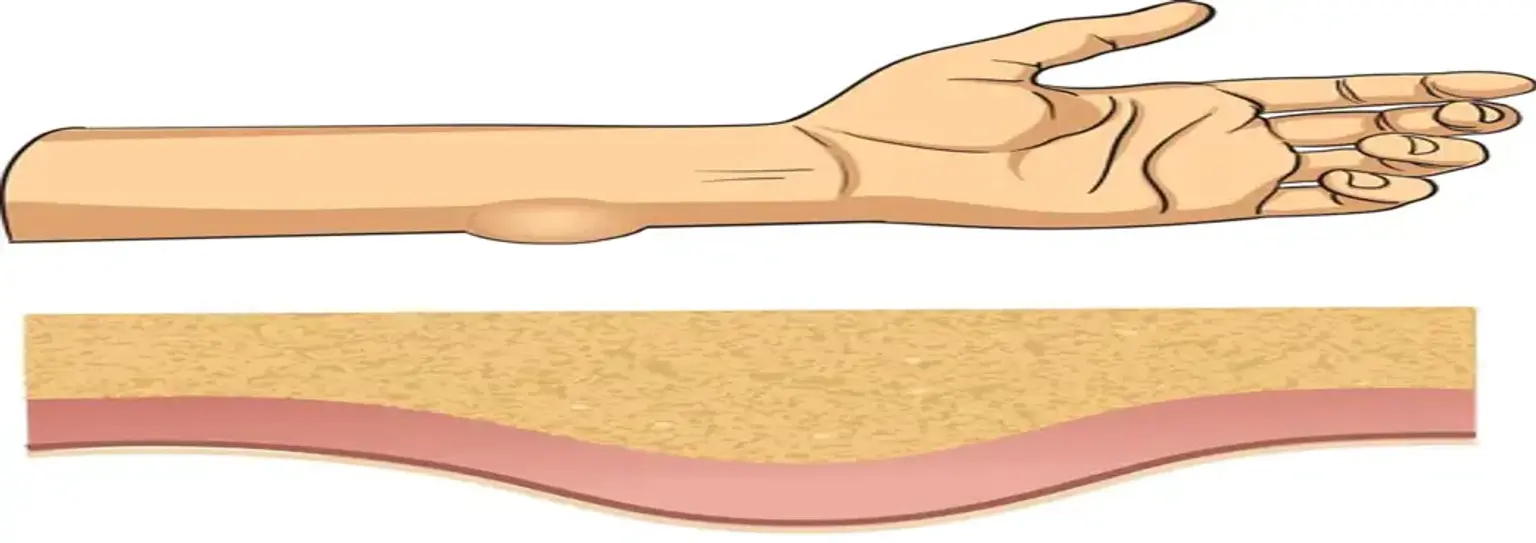
introductionA lipoma is a common, noncancerous tumor composed of fat cells, also known as adipose tissue. These growths develop slowly under the skin and feel soft and doughy to the touch. While typically harmless, many individuals seek removal for cosmetic reasons, discomfort, or if the lipoma grows large and presses on a nerve. This guide provides a detailed examination of modern lipoma removal procedures, offering clarity for individuals considering treatment.
How is a Lipoma Removed Safely?
how-is-a-lipoma-removed-safely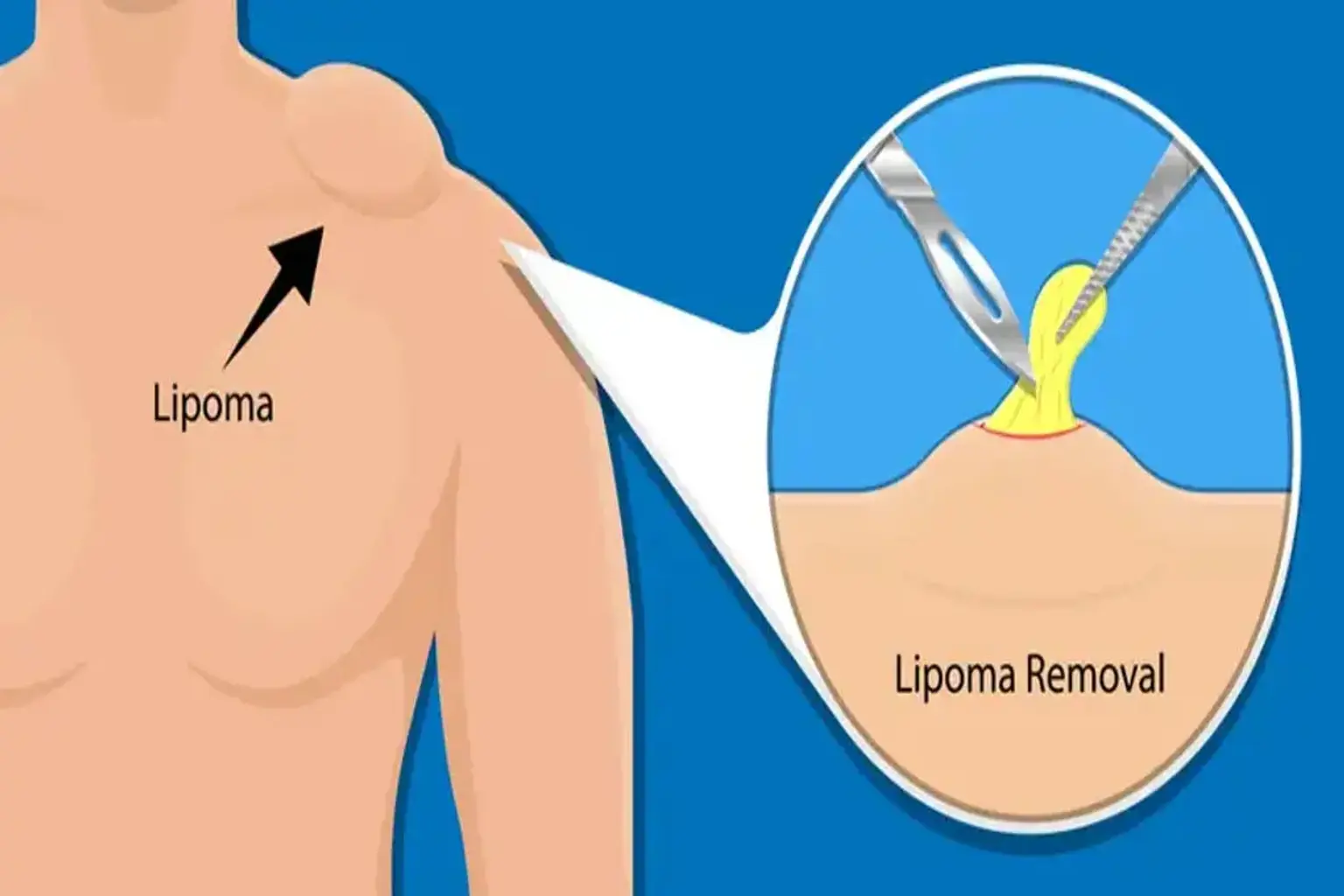
A lipoma is most commonly and definitively removed through a procedure called surgical excision, though other methods like liposuction or steroid injections may be used in specific cases. The goal is to remove the entire fatty tumor and its capsule to minimize the chance of it returning.
The standard and most effective method is surgical excision. During this procedure, a dermatologist or surgeon administers local anesthesia to numb the area completely. A small incision is then made in the skin over the lipoma. The surgeon carefully dissects the lipoma from the surrounding tissue and removes it. For most lipomas, the incision can be closed with a few stitches.
For larger lipomas, a specialized form of liposuction can be an option. This involves using a needle and a large syringe to suction out the fatty tissue. While this technique results in a smaller scar, it may be more difficult to remove the entire lipoma, leading to a slightly higher chance of recurrence compared to excision.
In some cases, steroid injections can be administered directly into the lipoma. These injections can help shrink the fatty tumor over time, but they typically do not eliminate it completely. This option is usually reserved for individuals who are not candidates for surgery or who wish to avoid an invasive procedure.
What are the Key Benefits of Lipoma Removal?
what-are-the-key-benefits-of-lipoma-removalThe primary benefits of removing a lipoma extend from cosmetic enhancement to physical relief. Patients often report a high degree of satisfaction with the outcomes.
Improved Cosmetic Appearance: Removal eliminates the visible lump, restoring a smoother and more normal contour to the skin.
Relief from Physical Symptoms: If a lipoma was causing pain or discomfort by pressing on nerves or restricting movement, its removal alleviates these issues.
Peace of Mind: Although lipomas are benign, their removal eliminates any patient anxiety about the growth. The removed tissue is typically sent for histology, a microscopic examination, to definitively confirm the diagnosis and rule out any rare, malignant conditions.
Enhanced Comfort: Removing a lipoma can make wearing certain clothing or participating in activities more comfortable if the growth was located in an area of friction.
Who is a Good Candidate for Lipoma Removal?
who-is-a-good-candidate-for-lipoma-removalA good candidate for lipoma removal is generally any healthy individual bothered by the presence of one or more lipomas. A board certified dermatologist or surgeon will make the final determination based on a few key factors.
Individuals with a confirmed diagnosis of a lipoma.
Patients who experience pain, tenderness, or restricted movement due to the lipoma's size or location.
People who are concerned about the cosmetic appearance of the lump.
Individuals in good overall health without medical conditions that could complicate minor surgery or wound healing.
Those with realistic expectations about the outcome, including the potential for a small, permanent scar.
What are the Risks and Contraindications of Lipoma Removal?
what-are-the-risks-and-contraindications-of-lipoma-removalLipoma removal is considered a very safe procedure with a low rate of complications. However, like any surgical intervention, it carries some potential risks.
Primary risks include infection at the incision site, minor bleeding or bruising, and scarring. There is also a small possibility of seroma formation, which is a collection of fluid under the skin. Nerve damage is a rare but possible risk, particularly if the lipoma is located deep and near major nerves.
The main contraindication is an active skin infection at the site of the lipoma. Patients with bleeding disorders or those taking certain blood thinning medications may need special pre operative management to proceed safely. A major reason to reconsider removal is if a patient has unrealistic expectations about scarring; while surgeons strive for minimal scarring, any incision will leave a permanent mark.
What Are the Steps of the Lipoma Removal Procedure?
what-are-the-steps-of-the-lipoma-removal-procedureThe patient journey for lipoma removal is straightforward and typically managed entirely in an outpatient clinic setting. It involves a clear consultation, a brief procedure, and a minimal recovery phase.
Before the Procedure: Consultation and Preparation
before-the-procedure:-consultation-and-preparationYour journey begins with a consultation. A dermatologist will physically examine the lump to confirm it has the characteristics of a lipoma. They will discuss your medical history and the reasons you want the lipoma removed. For very large or deep lipomas, imaging like an ultrasound or MRI might be ordered. You will be instructed on how to prepare, which may include stopping certain medications that increase bleeding risk.
During the Procedure: What Happens in the Clinic
during-the-procedure:-what-happens-in-the-clinicThe procedure itself is usually very quick, often taking less than 30 minutes. You will be awake the entire time. The area is first cleaned with an antiseptic solution. The surgeon then injects local anesthesia, which will sting for a few seconds before making the area completely numb. You will feel pressure but no sharp pain. The surgeon then performs the excision or liposuction. Once the lipoma is removed, the incision is closed with sutures.
Immediately After the Procedure: The Initial Recovery Phase
immediately-after-the-procedure:-the-initial-recovery-phaseAfter the procedure, a sterile dressing is applied. You will be able to go home immediately. The area will remain numb for a few hours. Your surgeon will provide instructions on how to care for the wound, which typically involves keeping it clean and dry.
"The small incision healed so quickly, and the relief of not having that lump on my arm anymore is incredible. I wish I had done it sooner." – an anonymous patient, South Korea.
What is the Recovery Timeline for Lipoma Removal?
what-is-the-recovery-timeline-for-lipoma-removalRecovery from lipoma removal is typically rapid and uneventful. Most patients can resume normal daily activities almost immediately, with a few minor restrictions.
First 24 to 48 Hours: The area may be tender and have some mild swelling or bruising. Over the counter pain relievers are usually sufficient to manage any discomfort.
First Week: You should avoid strenuous activities and heavy lifting to prevent strain on the stitches. Keep the surgical dressing clean and dry as instructed.
1 to 2 Weeks: You will return to the clinic to have your stitches removed. By this point, most tenderness and bruising will have subsided.
2 to 4 Weeks and Beyond: The incision will continue to heal and the scar will mature. The initial red or pink line will fade over several months, eventually becoming a less noticeable pale line.
How Long Do Lipoma Removal Results Last?
how-long-do-lipoma-removal-results-lastThe results of a complete surgical excision of a lipoma are considered permanent. When the entire lipoma, including its thin outer capsule, is successfully removed, that specific benign growth will not return. The recurrence rate for complete excision is extremely low, estimated at less than 5 percent. It is possible for a new, unrelated lipoma to develop in a different location.
Recommended Clinics with Relevant Expertise in South Korea
recommended-clinics-with-relevant-expertise-in-south-koreaSouth Korea is home to numerous advanced dermatology and plastic surgery clinics well versed in both surgical and non invasive body contouring techniques relevant to lipoma removal.
Website | Clinic Name | Best Known For | Address | Contact |
|---|---|---|---|---|
All-line Clinic | Body Contouring, Lifting | Mapo-gu, Seoul, South Korea | ||
Plans Clinic | Anti-aging, Facial Plastic Surgery | Gangnam-gu, Seoul, South Korea | ||
BLS Clinic | Lifting, Petite Procedures, Dermatology | Gangnam-gu, Seoul, South Korea | ||
Natural Beauty Clinic | Rhinoplasty, Facial Contouring | Gangnam-gu, Seoul, South Korea | ||
Clinic Trinity Raffaello | Stem Cell Therapy, Immunity Care | Gangnam-gu, Seoul, South Korea | ||
Cheongdam Oracle Dermatology | Dermatology, Laser Treatments | Gangnam-gu, Seoul, South Korea | ||
Cheongdam Qbq Clinic | Dermatology, Lifting, Anti-Aging | Gangnam-gu, Seoul, South Korea | ||
Oracle Clinic Cheongdam | Lifting, Body Contouring | Gangnam-gu, Seoul, South Korea |
Recommended Treatment/Procedure Names with Average Costs in South Korea
recommended-treatmentprocedure-names-with-average-costs-in-south-koreaFor patients exploring options for body contouring or non surgical fat reduction, these procedures are widely available in leading South Korean clinics.
Treatment/Procedure Name | Duration | Hospitalization? | Avg. Cost (USD) in S.Korea | Contact |
|---|---|---|---|---|
High Fat Dissolving Injection | 15 to 30 mins | Not Needed | $200 to $500 | |
Triple Body Injection | 20 to 40 mins | Not Needed | $300 to $600 | |
Body Onda Lifting | 30 to 60 mins | Not Needed | $800 to $2000 | |
Abdomen Fat Dissolving Injection | 15 to 30 mins | Not Needed | $200 to $500 | |
V-Contour Injection | 10 to 20 mins | Not Needed | $150 to $400 | |
Body Sculpting Injection | 20 to 40 mins | Not Needed | $300 to $600 | |
Titanium Lifting | 60 to 90 mins | Not Needed | $2500 to $5000 | |
Body Botox | 15 to 30 mins | Not Needed | $300 to $800 |
Frequently Asked Questions FAQs about Lipoma Removal
frequently-asked-questions-faqs-about-lipoma-removal1. Will I have a visible scar from lipoma removal?
1.-will-i-have-a-visible-scar-from-lipoma-removalYes, any surgical excision will result in a scar. A skilled dermatologist or surgeon will place the incision within a natural skin crease whenever possible and use meticulous closing techniques to ensure the resulting scar is as fine and inconspicuous as possible.
2. How soon can I exercise after the procedure?
2.-how-soon-can-i-exercise-after-the-procedureYou should avoid strenuous exercise, swimming, or heavy lifting for at least one to two weeks after the procedure, or until your stitches are removed. This prevents the wound from reopening and ensures proper healing. Light activities like walking are generally fine.
3. Is the lipoma removal procedure painful?
3.-is-the-lipoma-removal-procedure-painfulThe procedure itself is not painful due to the use of local anesthesia. You will feel the initial small sting of the injection, but the area will become completely numb afterward. Post procedure discomfort is typically mild and easily managed with standard pain relievers.
4. Can a lipoma grow back after it is removed?
4.-can-a-lipoma-grow-back-after-it-is-removedThe chance of a lipoma recurring in the same spot after a complete surgical excision is very low. The surgeon's goal is to remove the entire tumor and its capsule to prevent regrowth. Incomplete removal, which is a slightly higher risk with liposuction, can lead to recurrence.
5. Does health insurance cover lipoma removal?
5.-does-health-insurance-cover-lipoma-removalCoverage depends on your insurance plan and the reason for removal. If the lipoma is causing documented medical issues like pain or is growing rapidly, insurance is more likely to cover the procedure. If the removal is purely for cosmetic reasons, it is often not covered.
6. What is the difference between a lipoma and a cyst?
6.-what-is-the-difference-between-a-lipoma-and-a-cystA lipoma is a solid growth of fat cells, while a cyst is a sac filled with fluid or semi solid material. A doctor can usually differentiate them with a physical exam. Lipomas feel soft and doughy, whereas cysts may feel firmer or have a small central opening.
Take the First Step Toward a Clearer Contour Today!
take-the-first-step-toward-a-clearer-contourDeciding to remove a lipoma is a personal choice aimed at improving your comfort and confidence. The process is straightforward, safe, and highly effective. To explore your options with world class specialists, we recommend a personalized consultation. This allows you to receive a precise diagnosis and a treatment plan tailored to your specific needs. The process is seamless and transparent, with a dedicated Care Manager to support you from your initial questions to your post procedure care. Start Your Confidential Inquiry and receive a free, personalized treatment plan from top tier clinics in South Korea through CloudHospital.