
The clinical information regarding Top Korean Products for Scar Prevention After Surgery in this article has been rigorously verified against the latest guidelines from the American Academy of Dermatology (AAD) and primary research from databases like PubMed. This piece was reviewed for accuracy and patient centric clarity and was last updated in October 2023.
Introduction
introductionA successful surgical outcome extends far beyond the operating room. The weeks and months that follow are a critical period where dedicated aftercare determines the final aesthetic result, particularly the appearance of scars. Proper scar management is essential to ensure the incision heals as flat, soft, and unnoticeable as possible. South Korean dermatological science has developed some of the most advanced and effective post-surgical healing products, blending potent ingredients with sophisticated formulations. This guide provides a comprehensive, expert-led overview of post-surgery scar prevention using Korean products. We will cover the science behind key ingredients, the correct application techniques, and a timeline for care to ensure you achieve the smoothest, most effective healing journey.
When should I start using scar prevention products after surgery?
when-should-i-start-using-scar-prevention-products-after-surgeryYou should typically begin using topical scar prevention products once the wound has fully closed and any stitches or staples have been removed. This usually occurs around 2 to 3 weeks post-operation, but you must get explicit clearance from your surgeon before applying anything to the incision site. Applying products to an open or unhealed wound can increase the risk of infection and interfere with the natural healing process. The initial phase of healing is focused on closing the skin barrier; the second phase, or remodeling phase, is when scar products are most effective.
What key ingredients define elite Korean scar care?
what-key-ingredients-define-elite-korean-scar-careThe best Korean scar prevention products are formulated with scientifically backed ingredients that hydrate the skin, regulate collagen synthesis, and reduce inflammation.
Silicone (Gel & Sheets): This is the undisputed gold standard in scar management. Silicone forms a breathable, flexible barrier over the scar. This barrier action provides optimal hydration for the stratum corneum the outermost layer of skin, which in turn helps to normalize collagen production. By preventing excessive collagen buildup, silicone effectively reduces the risk of raised, discolored scars like hypertrophic scars and keloids.
Centella Asiatica (Cica): A cornerstone of Korean skincare, Centella Asiatica, or Cica, is a powerhouse for wound healing. It contains active compounds called triterpenoids, including madecassoside and asiaticoside, which reduce inflammation, stimulate controlled collagen I synthesis, and improve the tensile strength of newly formed skin.
Epidermal Growth Factor (EGF): EGF is a protein that plays a crucial role in cellular regeneration and wound repair. It signals skin cells to proliferate and migrate to the injury site, accelerating the healing process and helping to form a more organized, smoother skin surface. Korean formulations often use bio-engineered EGF for maximum stability and efficacy.
Onion Extract (Allium Cepa): While not exclusively Korean, many K-beauty scar products incorporate this ingredient. It has anti-inflammatory and anti-proliferative properties, which may help to soften scars and inhibit the overproduction of collagen that leads to raised scarring.
Snail Mucin: This unique ingredient is rich in glycoproteins, hyaluronic acid, and glycolic acid. It promotes skin regeneration, provides intense hydration, and has antimicrobial properties, creating an ideal environment for a healing incision.
How do I properly apply scar creams, gels, and patches?
how-do-i-properly-apply-scar-creams-gels-and-patchesCorrect application is just as important as the product itself. Consistency is the most critical factor for success.
For Scar Creams and Gels:
Ensure the area is clean and dry. Gently wash the scar with mild soap and water and pat it completely dry.
Apply a very thin layer. You do not need a thick coat; a small amount is sufficient to cover the scar.
Gently massage. Use your fingertip to gently massage the product into the scar for 1-2 minutes. This helps the product penetrate and can also assist in breaking down dense collagen fibers.
Allow to dry. Let the gel or cream dry completely before covering it with clothing or cosmetics.
Repeat consistently. Apply the product at least twice daily, or as directed by your surgeon or the product instructions, for a minimum of 8-12 weeks.
For Silicone Sheets/Patches:
Cut to size. If necessary, cut the sheet to a size that covers the entire scar with a small overlap onto the surrounding healthy skin.
Apply to clean, dry skin. Peel off the backing and apply the adhesive side directly to the scar.
Wear for the recommended duration. Most protocols recommend wearing the sheets for 12 to 24 hours per day. They should be removed daily to wash the scar and the sheet itself.
Maintain for several months. Silicone sheeting is a long-term treatment, often recommended for 2 to 4 months for optimal results.
Are silicone sheets or creams better for surgical scars?
are-silicone-sheets-or-creams-better-for-surgical-scarsBoth silicone sheets and gels are considered the gold standard for scar prevention, with their effectiveness being largely comparable for most patients. The best choice often comes down to the location of the scar, your lifestyle, and personal preference.
Silicone Sheets are excellent for scars on flat body surfaces that are covered by clothing. They provide gentle, constant pressure on the scar, which is an added therapeutic benefit. They can be more cost-effective as they are reusable.
Silicone Gels are ideal for visible areas like the face and neck, or on joints where a sheet may not adhere well. They are transparent, dry quickly to an invisible film, and allow for the application of makeup or sunscreen over top.
Can laser treatments be combined with scar products?
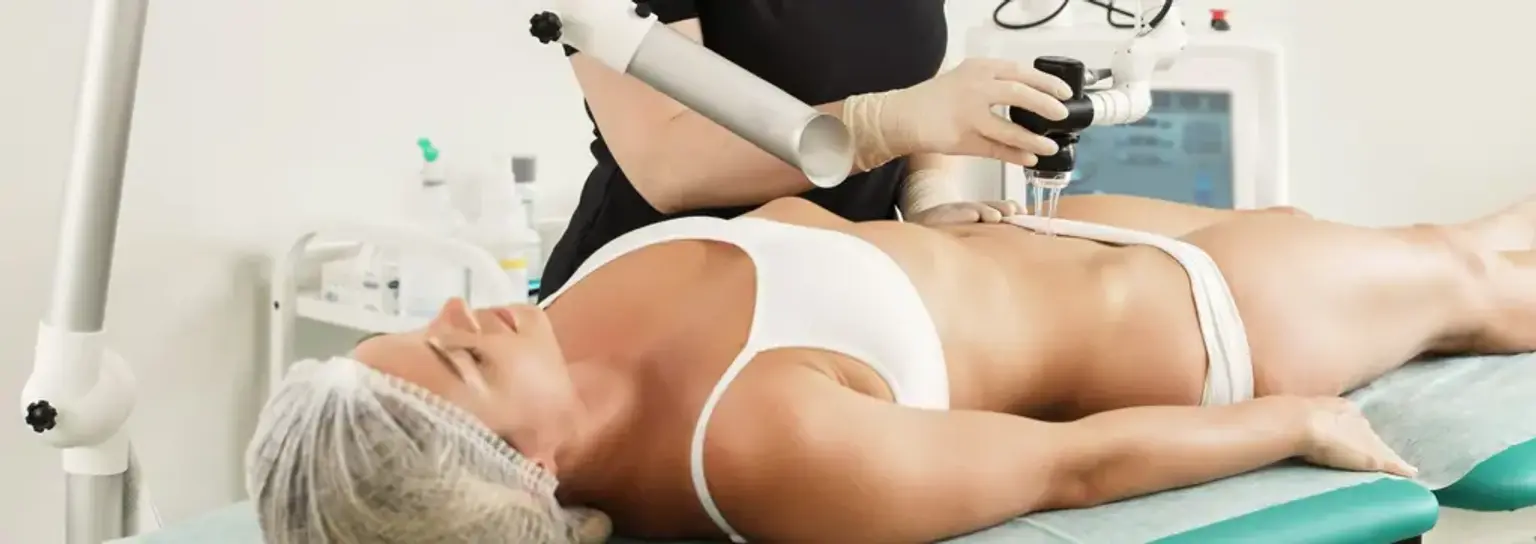
can-laser-treatments-be-combined-with-scar-productsYes, combining topical scar products with in-clinic laser treatments is a highly effective, synergistic approach for achieving the best possible outcome. Lasers like the Secret Laser or other fractional non-ablative lasers work beneath the skin's surface to remodel disorganized collagen and reduce redness. Topical products, especially silicone, protect the surface and provide the optimal healing environment between laser sessions. Your dermatologist will create a coordinated treatment plan, advising you on when to pause and resume topical care around your laser appointments.
Recommended Clinics with Relevant Expertise in South Korea
recommended-clinics-with-relevant-expertise-in-south-koreaThe following clinics are noted for their expertise in dermatology, aesthetic procedures, and comprehensive post-procedure care vital for scar management.
Website | Clinic Name | Best Known For | Address | Contact |
|---|---|---|---|---|
All-line Clinic | Body Contouring, High Fat Dissolving Injection, Triple Body Injection | Mapo-gu, Seoul, South Korea | ||
Plans Clinic | Plastic Surgery, Natural & Balanced Aesthetic Results | Gangnam-gu, Seoul, South Korea | ||
BLS Clinic | Lifting Treatments (Thermage, Ulthera), Anti-aging, Dermatology | Gangnam-gu, Seoul, South Korea | ||
Natural Beauty Clinic | Eye & Nose Surgery, Anti-aging Procedures | Gangnam-gu, Seoul, South Korea | ||
Clinic Trinity Raffaello | Anti-aging, Stem Cell Therapy, Personalized Aesthetic Medicine | Gangnam-gu, Seoul, South Korea | ||
Cheongdam Oracle Dermatology | Comprehensive Dermatology, Laser Treatments, Skin Boosters | Gangnam-gu, Seoul, South Korea | ||
Cheongdam Qbq Clinic | Advanced Laser & Lifting Procedures, Dermatological Care | Gangnam-gu, Seoul, South Korea | ||
Oracle Clinic Cheongdam | Boutique & Personalized Aesthetic Treatments | Gangnam-gu, Seoul, South Korea |
Recommended Treatments and Procedures in South Korea
recommended-treatments-and-procedures-in-south-koreaMany of these advanced procedures require diligent aftercare, including scar prevention, to maximize results.
Treatment/Procedure Name | Duration | Hospitalization? | Avg. Cost (USD) in S.Korea | Contact |
|---|---|---|---|---|
High Fat Dissolving Injection | 20-30 mins | Not Needed | $300 - $800 | |
Titanium Lifting | 60-90 mins | Not Needed | $2,000 - $4,500 | |
Onda Lifting (Face or Body) | 30-60 mins | Not Needed | $1,500 - $3,500 | |
Full Body Contouring | 3-6 hours | Needed (1-2 days) | $10,000 - $25,000 | |
Combination Skin Boosters | 45-60 mins | Not Needed | $500 - $1,500 | |
Rejuran Healer | 30-45 mins | Not Needed | $400 - $800 | |
Juvelook | 45-60 mins | Not Needed | $600 - $1,200 | |
Scar & Pore Laser | 30-45 mins | Not Needed | $300 - $900 | |
Thermage FLX | 60-90 mins | Not Needed | $2,500 - $5,000 | |
Ulthera | 60-90 mins | Not Needed | $2,000 - $4,500 | |
Inmode | 45-60 mins | Not Needed | $1,000 - $2,500 |
Frequently Asked Questions About Scar Healing
frequently-asked-questions-about-scar-healingThis section addresses common practical questions patients have during their recovery.
1. What are some top-rated Korean scar products to look for?
1.-what-are-some-top-rated-korean-scar-products-to-look-forWhile specific recommendations depend on your skin and surgery, look for products from trusted dermatological brands that feature the key ingredients mentioned above. Popular and effective examples include Dr. Jart+ Cicapair Cream for its high concentration of Centella Asiatica, Scarnos Gel which often combines silicone with other healing agents, and various brands offering pure Silicone Gel or EGF-infused serums. Always patch-test a new product on a small area of skin first.
2. What lifestyle factors improve scar healing?
2.-what-lifestyle-factors-improve-scar-healingBeyond topical products, your daily habits significantly impact scar formation.
Sun Protection: UV radiation can cause hyperpigmentation darkening of a new scar, making it much more noticeable. Protect your scar from the sun with a high-SPF, broad-spectrum sunscreen (SPF 50+) or clothing for at least one year after surgery.
Nutrition & Hydration: A diet rich in protein, vitamins especially Vitamin C and Zinc, and antioxidants supports tissue repair. Staying well-hydrated is crucial for skin health.
Avoid Smoking: Smoking constricts blood vessels, reducing oxygen flow to the healing tissues and severely impairing the wound healing process.
3. Is it normal to feel self-conscious or emotional about a new scar?
3.-is-it-normal-to-feel-self-conscious-or-emotional-about-a-new-scarYes, it is completely normal. A scar is a physical reminder of a medical procedure, and it's natural to feel anxious about its appearance. Remember that scars mature and fade significantly over time a process that can take up to 18 months. Be patient with your body and focus on the consistent aftercare routine, which can provide a sense of control and empowerment during your healing.
"After my tummy tuck, I was so worried about the long incision. My care coordinator in Seoul gave me a detailed schedule for using the silicone patches. Seeing the scar flatten and fade over the weeks was incredibly reassuring and made me feel in control of my healing." – an anonymous patient, Australia.
What Warning Signs Require a Call to My Doctor?
what-warning-signs-require-a-call-to-my-doctorWhile diligent care minimizes complications, you must monitor your incision for signs that require immediate medical attention. Contact your surgeon's office if you experience any of the following:
Signs of Infection: Increasing redness that spreads beyond the scar line, yellow or green discharge (pus), foul odor, or a fever.
Excessive Bleeding: Any bleeding that soaks through a dressing.
Worsening Pain: A sudden increase in pain, swelling, or tenderness that is not relieved by prescribed medication.
Wound Dehiscence: Any sign that the incision is pulling apart or opening up.
Optimize Your Healing: Get Your Personalized Scar Prevention Plan Now!
optimize-your-healing:-get-your-personalized-scar-prevention-planYour surgical journey deserves a flawless finish. Ensuring you have the right aftercare plan and products is the final, crucial step toward the results you envision. The process of finding the best treatments and post-operative care in Korea can be managed with expert guidance. By inquiring, you gain access to a seamless, transparent process and a dedicated Care Manager who provides end-to-end support, from your first question to your post-recovery care. Take control of your healing process. And Start Your Confidential Inquiry with CloudHospital to receive a free, personalized treatment plan and product recommendations from top dermatological experts in South Korea.