
The clinical information regarding safe hair removal and the prevention of ingrown hairs in this article has been rigorously verified against the latest best practices from the American Academy of Dermatology (AAD) and primary research from databases like PubMed. This piece was reviewed for accuracy and patient-centric clarity and was last updated in October 2023.
Introduction
introductionAchieving smooth, hair free skin is a common goal, but the process can often lead to irritation, redness, and painful ingrown hairs. An ingrown hair occurs when a hair that has been removed curls back and grows into the skin. This can cause inflammation, pain, and tiny bumps known as pseudofolliculitis or razor bumps. This guide provides a step by step, dermatologist informed strategy to ensure your hair removal methods are effective, safe, and help you maintain clear, healthy skin.
What is the Best Way to Prepare Skin for Hair Removal?
what-is-the-best-way-to-prepare-skin-for-hair-removal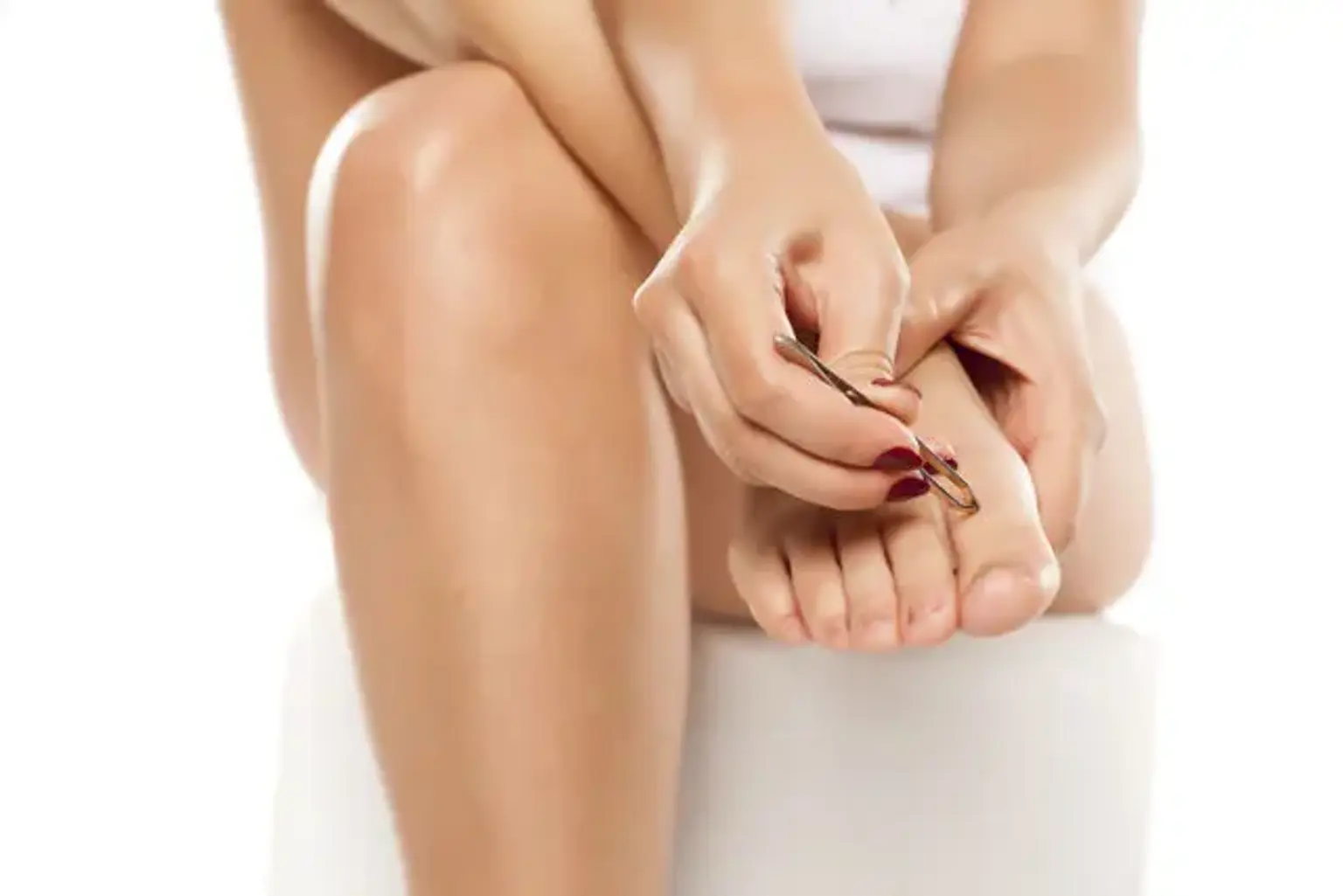
The best way to prepare your skin for hair removal is through a two step process cleansing the area and then performing gentle exfoliation. This combination removes surface oils, dirt, and dead skin cells that can clog the hair follicle and trap hair under the skin's surface.
Cleanse Thoroughly: Start by washing the area with a mild, non comedogenic cleanser and warm water. This softens the skin and hair, making removal easier and less traumatic to the skin.
Exfoliate Gently: Exfoliation is critical for preventing ingrown hairs. It removes the layer of dead skin cells keratin, allowing the hair to grow out freely. You have two main options:
Mechanical Exfoliation: Using a soft brush, scrub, or washcloth to physically slough away dead skin. This should be done gently in a circular motion. Avoid harsh scrubs with large, jagged particles, which can create micro tears in the skin.
Chemical Exfoliation: Applying products containing acids that dissolve the bonds holding dead skin cells together. Look for cleansers or pads with low concentrations of glycolic acid an alpha hydroxy acid or AHA or salicylic acid a beta hydroxy acid or BHA. Salicylic acid is particularly effective as it is oil soluble and can penetrate into the pore lining.
Perform this preparation routine 24 hours before waxing or epilating, or immediately before shaving.
How Can I Safely Shave to Avoid Razor Bumps and Irritation?
how-can-i-safely-shave-to-avoid-razor-bumps-and-irritationSafe shaving requires using a sharp, clean razor on well hydrated skin, shaving in the direction of hair growth, and applying proper aftercare. This technique minimizes the chance of cutting the hair too short or at a sharp angle, which is a primary cause of ingrown hairs.
Hydrate the Area: Shave at the end of a warm shower or apply a warm, damp towel to the area for several minutes. This softens the hair and skin, reducing the force needed to cut the hair.
Use a Lubricating Shave Gel: Always apply a high quality shaving cream or gel. This creates a protective barrier between the blade and your skin, ensuring a smoother glide and reducing friction and irritation.
Use a Sharp, Clean Blade: A dull blade tugs at the hair and is more likely to cause irritation. Replace your razor blade every 5-7 shaves or as soon as you feel it dragging. A single or double blade razor is often recommended over multi-blade cartridges for those prone to ingrown hairs, as multi-blade systems can cut hair below the skin level.
Shave With the Grain: Determine the direction your hair grows and shave in that same direction. While shaving against the grain provides a closer shave, it dramatically increases the risk of ingrown hairs. Do not pull your skin taut while shaving.
Rinse Thoroughly: After each pass of the razor, rinse the blade with hot water. Once you are finished, rinse your skin with cool water to help soothe it and reduce inflammation.
Pat Dry and Moisturize: Gently pat your skin dry with a clean towel. Apply a lightweight, alcohol free moisturizer to hydrate the skin and restore its protective barrier.
Which Hair Removal Method Is Best for Sensitive Skin?
which-hair-removal-method-is-best-for-sensitive-skinFor sensitive skin, the best hair removal methods are those that minimize direct trauma to the skin and hair follicle, such as careful shaving with the correct technique or professional laser hair removal. The choice depends on balancing the risk of irritation from different methods.
Shaving: When done correctly as described above, shaving can be gentle on sensitive skin because it only cuts hair at the surface. The key is using minimal pressure and excellent lubrication.
Depilatory Creams: These chemical based creams dissolve hair at the surface. While effective and painless for some, they can cause chemical irritation or allergic reactions in those with very sensitive skin. Always perform a patch test first.
Waxing/Epilating: These methods pull hair out from the root. They can be very effective but are often the most irritating for sensitive skin, causing significant redness, inflammation, and a higher risk of ingrown hairs as the new, finer hair struggles to break through the skin surface.
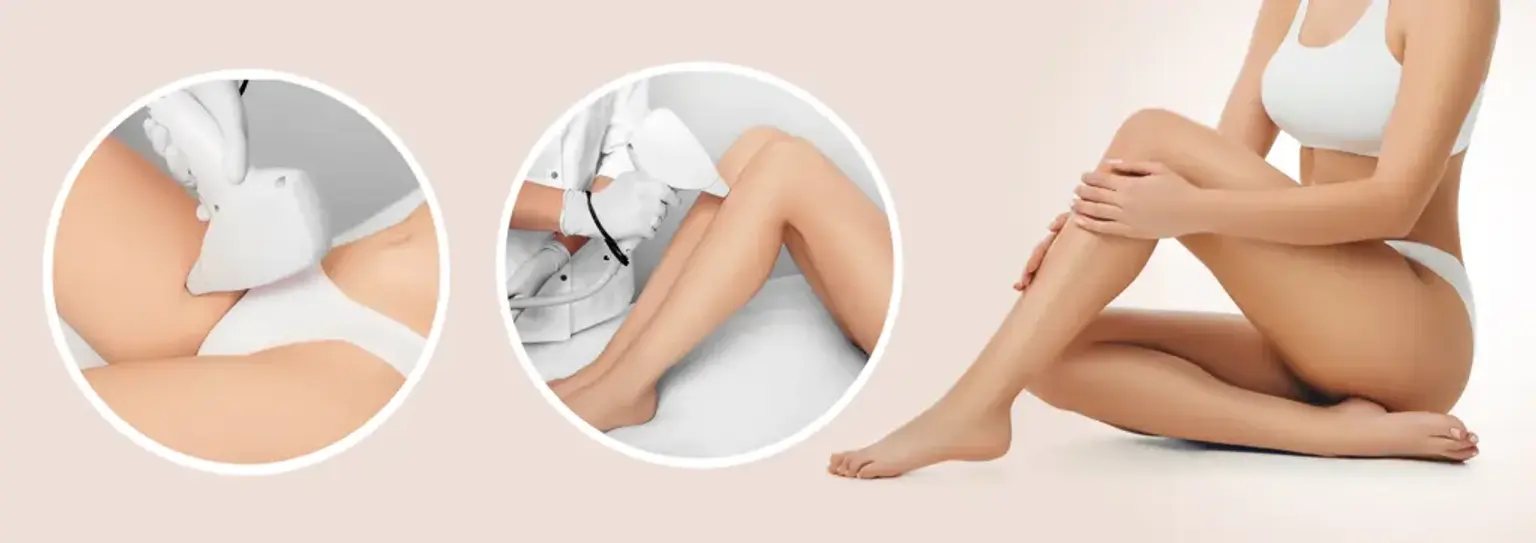
Laser Hair Removal: This is often considered an excellent long-term solution for sensitive skin prone to ingrown hairs. By targeting and damaging the hair follicle with light energy, it reduces hair growth over time. With less hair growth, there are fewer opportunities for hairs to become ingrown. Modern lasers have cooling systems to protect the skin's surface, making the treatment comfortable and safe for sensitive areas.
What Are the Most Effective Treatments for Existing Ingrown Hairs?
what-are-the-most-effective-treatments-for-existing-ingrown-hairsMild ingrown hairs can be effectively treated at home with warm compresses and topical exfoliants, while persistent or inflamed bumps may require professional intervention. The goal is to encourage the hair to grow out of the skin and reduce inflammation without causing scarring or infection.
Stop Hair Removal: Temporarily cease all shaving, waxing, or plucking in the affected area to allow the skin to heal.
Apply Warm Compresses: Soak a clean cloth in warm water and apply it to the ingrown hair for 10-15 minutes, several times a day. This softens the skin and can help draw the hair out.
Gentle Exfoliation: Use a chemical exfoliant containing salicylic acid or glycolic acid to help remove the dead skin trapping the hair. Avoid aggressive scrubbing, which will worsen inflammation.
Do Not Pick or Squeeze: Resisting the urge to pick at or tweeze the hair is crucial. This can lead to skin damage, infection, and permanent scarring or hyperpigmentation.
Use Soothing Topicals: Products containing ingredients like aloe vera or chamomile can help reduce redness and irritation. For inflamed bumps, an over the counter hydrocortisone cream can provide temporary relief.
If the ingrown hair is very painful, appears infected (e.g., filled with pus), or does not resolve within a week, consult a dermatologist.
"After years of struggling with painful razor bumps on my neck, I finally committed to a proper shaving technique and using a salicylic acid toner. The difference was night and day. It took patience, but my skin is finally clear." – an anonymous patient, Canada.
Recommended Clinics with Relevant Expertise in South Korea
recommended-clinics-with-relevant-expertise-in-south-koreaSouth Korea is home to world class dermatology and aesthetic clinics specializing in advanced skin treatments, including professional laser hair removal and therapies for related skin concerns.
Website | Clinic Name | Best Known For | Address | Contact |
|---|---|---|---|---|
All-line Clinic | Advanced Body & Face Contouring | Mapo-gu, Seoul, South Korea | ||
Plans Clinic | Specialized Facial Plastic Surgery | Gangnam-gu, Seoul, South Korea | ||
BLS Clinic | Non-Invasive Lifting & Anti-Aging | Gangnam-gu, Seoul, South Korea | ||
Natural Beauty Clinic | Comprehensive Aesthetic Dermatology | Gangnam-gu, Seoul, South Korea | ||
Clinic Trinity Raffaello | Personalized Anti-Aging & Skin Rejuvenation | Gangnam-gu, Seoul, South Korea | ||
Cheongdam Oracle Dermatology | Advanced Laser & Dermatological Treatments | Gangnam-gu, Seoul, South Korea | ||
Cheongdam Qbq Clinic | Full-Spectrum Dermatological Care | Gangnam-gu, Seoul, South Korea | ||
Oracle Clinic Cheongdam | Innovative Skin Boosters & Lifting | Gangnam-gu, Seoul, South Korea |
Popular Aesthetic Procedures in South Korea
popular-aesthetic-procedures-in-south-koreaBeyond hair removal, Korean clinics offer a wide range of advanced treatments for skin rejuvenation, lifting, and body contouring. The costs are estimates and can vary based on the clinic, specific technology used, and the extent of the treatment area.
Treatment/Procedure Name | Duration | Hospitalization? | Avg Cost Range (USD) in South Korea | Contact |
|---|---|---|---|---|
Laser Hair Removal | 15-60 min | Not Needed | $50 - $300 | |
High Fat Dissolving Injection | 20-30 min | Not Needed | $200 - $600 | |
Triple Body Injection | 20-30 min | Not Needed | $300 - $800 | |
Titanium Lifting | 45-90 min | Not Needed | $1,500 - $3,500 | |
Face Onda Lifting | 30-45 min | Not Needed | $1,000 - $2,500 | |
Body Onda Lifting | 45-75 min | Not Needed | $1,500 - $4,000 | |
Full Body Contouring | 30-60 min | Needed | $5,000 - $20,000 | |
Combination Skin Boosters | 30-60 min | Not Needed | $400 - $1,200 | |
Jaw Botox | 10-15 min | Not Needed | $100 - $400 | |
Calf Botox | 15-20 min | Not Needed | $300 - $700 | |
Rejuran Healer | 30-45 min | Not Needed | $300 - $600 | |
Vitaran | 30-45 min | Not Needed | $250 - $500 | |
Juvelook | 30-45 min | Not Needed | $400 - $800 | |
Skin Botox – Full Face | 30-45 min | Not Needed | $350 - $700 |
Frequently Asked Questions About Hair Removal and Ingrown Hairs
frequently-asked-questions-about-hair-removal-and-ingrown-hairsThis section addresses common follow-up questions to provide further clarity.
1. Can laser hair removal permanently solve ingrown hair problems?
1.-can-laser-hair-removal-permanently-solve-ingrown-hair-problemsLaser hair removal can provide a permanent reduction in hair and is one of the most effective long-term solutions for preventing ingrown hairs. By destroying the follicle's ability to produce hair, it eliminates the possibility of that hair becoming ingrown. While it may require multiple sessions and occasional touch ups, most patients experience a dramatic and lasting improvement in razer bumps and irritation.
2. How do dermatologists professionally treat severe ingrown hairs?
2.-how-do-dermatologists-professionally-treat-severe-ingrown-hairsA dermatologist will first assess if the bump is a simple ingrown hair or if it has developed into a cyst or an infection folliculitis. Treatment may involve making a tiny incision with a sterile needle or scalpel to release the trapped hair, prescribing topical or oral antibiotics if infection is present, or injecting a steroid solution to quickly reduce significant inflammation and swelling. For chronic cases, they will often recommend long-term solutions like topical retinoids or laser hair removal.
3. What ingredients should I look for in after-care products?
3.-what-ingredients-should-i-look-for-in-after-care-productsThe best after care products are gentle, hydrating, and may contain mild chemical exfoliants to keep pores clear. Look for lotions or serums that are non comedogenic and alcohol free. Key ingredients include:
Hydrators: Hyaluronic acid, ceramides, glycerin.
Soothing Agents: Aloe vera, niacinamide, chamomile.
Mild Exfoliants for use 1-2 days after, not immediately: Salicylic acid (BHA), glycolic acid (AHA), or lactic acid.
4. What is the difference between an ingrown hair and folliculitis?
4.-what-is-the-difference-between-an-ingrown-hair-and-folliculitisAn ingrown hair pseudofolliculitis is a mechanical issue where a hair grows back into the skin, causing a non-infectious inflammatory bump. Folliculitis is an infection or inflammation of the hair follicles themselves, often caused by bacteria like Staphylococcus, yeast, or fungi. While an ingrown hair can become infected and turn into folliculitis, folliculitis can also occur on its own without an ingrown hair present.
5. Is it safe to tweeze an ingrown hair?
5.-is-it-safe-to-tweeze-an-ingrown-hairIt is generally not safe to tweeze an ingrown hair, especially if it is deep under the skin. Digging into the skin with tweezers can introduce bacteria, worsen inflammation, and lead to infection and permanent scarring or dark spots post-inflammatory hyperpigmentation. If a hair is clearly visible at the surface, you may be able to gently guide it out with sterile tweezers, but never break the skin to get to it.
Your Path to Clear, Irritation-Free Skin Starts Here Now!
your-path-to-clear-irritation-free-skin-starts-herePersistent ingrown hairs or unwanted hair can be frustrating but you don’t have to manage it alone. Advanced treatments like professional laser hair removal offer lasting results. With CloudHospital, you’ll be connected to top clinics in South Korea. A dedicated Care Manager ensures a seamless experience, from your first questions to post-treatment care. Start Your Confidential Inquiry to receive a free, personalized treatment plan and discover the best solution for your skin.