

The clinical information regarding Dry Skin (Xerosis) in this article has been rigorously verified against the latest guidelines from the American Academy of Dermatology (AAD) and primary research from databases like PubMed. This piece was reviewed for accuracy and patient-centric clarity and was last updated in October 2023.
Introduction
introductionDry skin, known medically as xerosis cutis, is more than just a temporary discomfort; it's a common condition that can affect one's quality of life, leading to itching, flaking, and a compromised skin barrier. While often manageable with simple lifestyle changes, persistent or severe dry skin can indicate an underlying issue requiring professional attention. This comprehensive guide provides a detailed overview of the causes, symptoms, and the advanced dermatological treatments available for effectively managing dry skin.
What is Xerosis (Dry Skin)?
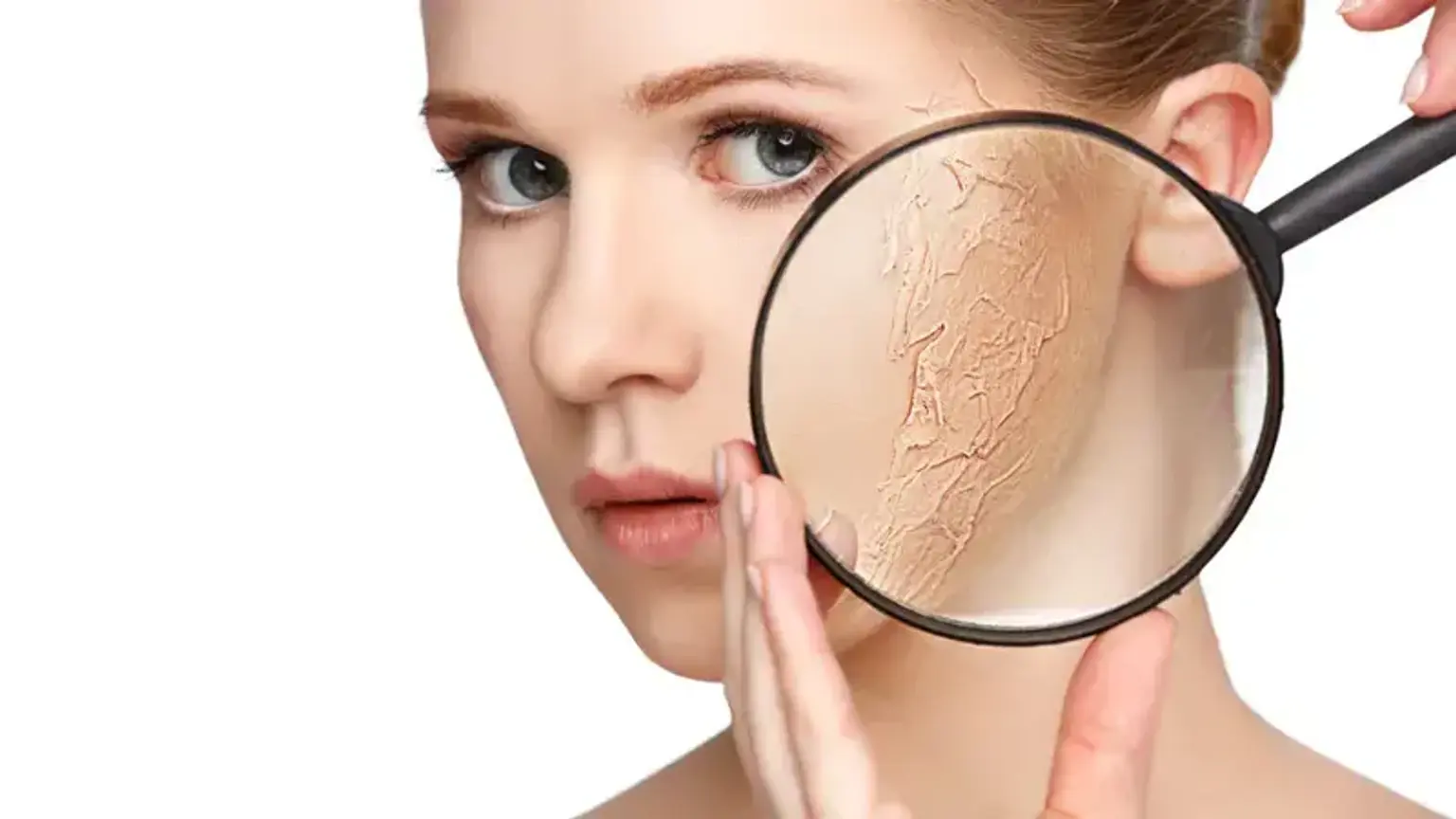
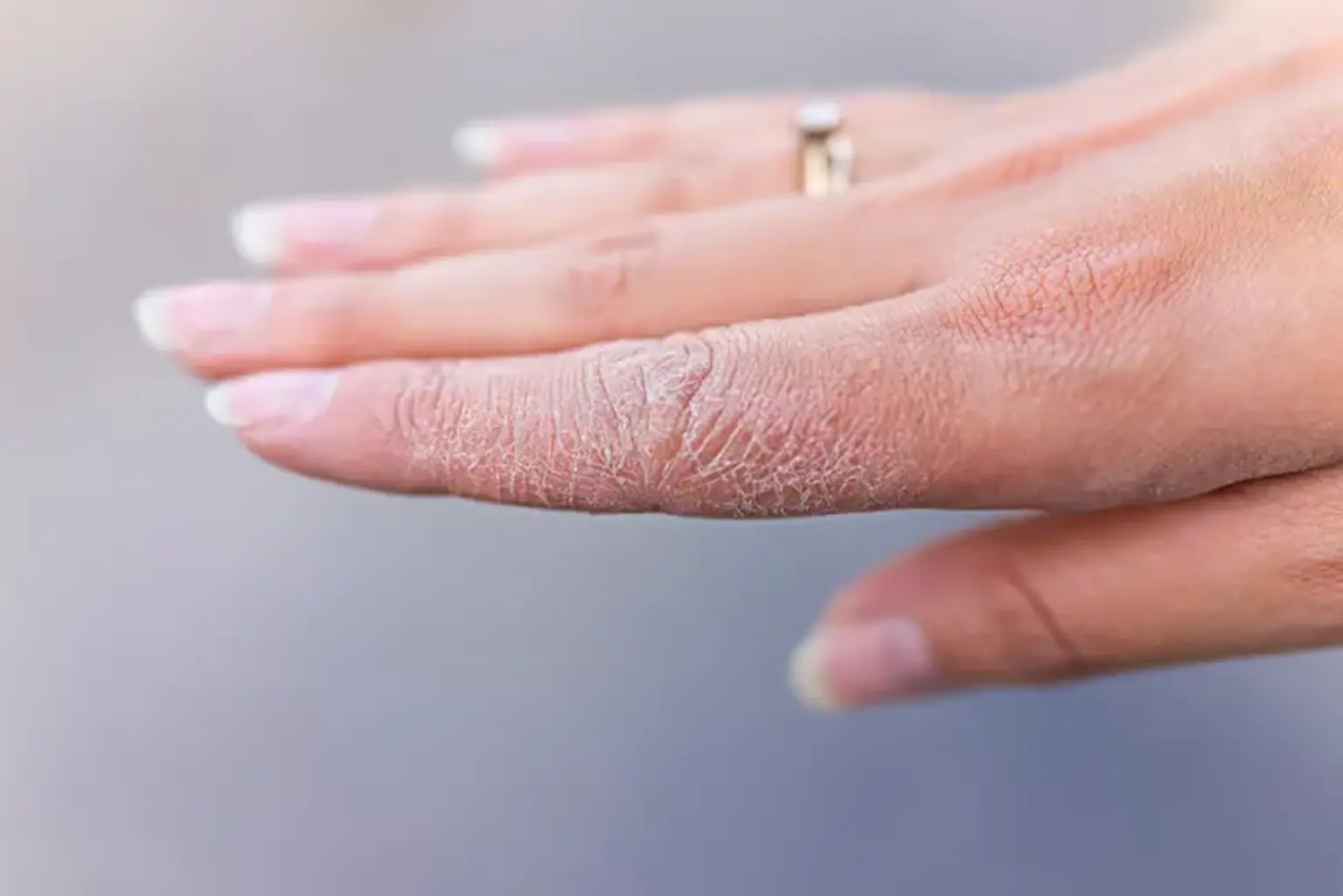
what-is-xerosis-(dry-skin)Xerosis is the medical term for abnormally dry skin. It stems from a lack of moisture in the stratum corneum, the outermost layer of the skin. A healthy stratum corneum is composed of dead skin cells corneocytes embedded in a lipid rich matrix of ceramides, cholesterol, and fatty acids. This structure acts as the body's primary environmental shield, known as the skin barrier. When this barrier is depleted of water and protective lipids, it loses its integrity, leading to increased transepidermal water loss (TEWL) and the classic symptoms of dryness, such as roughness, scaling, and itching pruritus.
What causes extremely dry, flaky skin?
what-causes-extremely-dry-flaky-skinThe primary cause of dry, flaky skin is a compromised skin barrier that cannot retain adequate moisture. This impairment can be triggered or worsened by a combination of environmental, genetic, and lifestyle factors.
Environmental Factors: Low humidity, cold temperatures, and winter weather are major culprits, as they draw moisture out of the skin. Over-cleansing with harsh soaps, excessive exposure to hot water, and central heating also strip the skin of its natural oils.
Age: As people age, their skin naturally produces less sebum, the oily substance that helps lubricate and waterproof the skin. This physiological change makes older adults more susceptible to xerosis.
Underlying Medical Conditions: Persistent dry skin can be a symptom of other conditions, including atopic dermatitis eczema, psoriasis, hypothyroidism, or diabetes.
Genetics: An individual's predisposition to developing dry skin and related conditions can be inherited.
Harsh Skincare Products: Products containing alcohol, strong fragrances, or aggressive detergents can disrupt the delicate lipid matrix of the skin barrier.
What is the difference between dry and dehydrated skin?
what-is-the-difference-between-dry-and-dehydrated-skinWhile often used interchangeably, dry and dehydrated skin are distinct conditions. The key difference lies in what the skin is lacking.
Dry Skin (Xerosis): This is a skin type characterized by an insufficient production of natural oils, or lipids. It is often a chronic or long term condition determined by genetics. A person with a dry skin type struggles to retain moisture because their skin barrier is inherently less robust. Symptoms are persistent flakiness, a feeling of tightness, and a rough texture.
Dehydrated Skin: This is a skin condition characterized by a lack of water, not oil. Any skin type, including oily or combination skin, can become dehydrated. It is a temporary state caused by external factors like weather, diet, or insufficient water intake. Signs of dehydration include dullness, fine lines that appear more pronounced, and dark under eye circles.
A simple test is to gently pinch the skin on your cheek. If it wrinkles easily under the pressure and is slow to bounce back, it is likely dehydrated.
What are the best professional treatments for severe dry skin?
what-are-the-best-professional-treatments-for-severe-dry-skinWhen over the counter moisturizers and lifestyle adjustments are not enough, a dermatologist may recommend professional treatments. These are designed to deeply hydrate the skin, repair the skin barrier, and stimulate the skin's own regenerative processes.
Prescription Topicals: For severe cases or those associated with eczema, a doctor may prescribe corticosteroid ointments to reduce inflammation or non-steroidal creams like calcineurin inhibitors.
Hydrating Facials and Peels: Professional grade treatments using ingredients like hyaluronic acid, lactic acid, and other humectants can provide an intense surge of moisture. Gentle chemical peels can remove the outer layer of dead, flaky cells, allowing moisturizers to penetrate more effectively.
Skin Boosters: This is a highly effective treatment for improving intrinsic skin hydration.
Description: Skin Boosters like Rejuran Healer, Juvelook, or hyaluronic acid-based micro droplet injections are administered directly into the dermal layer. They work from the inside out to improve skin hydration, texture, and elasticity.
Mechanism: Unlike topical moisturizers that sit on the surface, skin boosters deliver hydrating substances directly where they are needed. Rejuran Healer, for instance, uses polynucleotides (PN) to repair damaged skin cells and stimulate collagen, fundamentally improving the skin's health and moisture retaining capacity. Juvelook combines Hyaluronic Acid with PDLLA to provide immediate hydration and long term collagen stimulation.
Laser and Light Therapies: Certain non ablative laser treatments can improve skin texture and stimulate collagen production without damaging the skin's surface, which can indirectly help improve barrier function over time.
When should I see a dermatologist for persistent dry skin?
when-should-i-see-a-dermatologist-for-persistent-dry-skinIt is advisable to consult a dermatologist if your dry skin does not improve with self-care, or if it is accompanied by any of the following signs:
The skin is intensely itchy, interfering with sleep or daily activities.
The skin is red, inflamed, or painful.
You have open sores or infections from scratching.
There are large areas of scaling or peeling skin.
Symptoms persist for weeks or months despite consistent moisturizing.
A dermatologist can accurately diagnose the cause, rule out underlying conditions, and create a targeted treatment plan.
"For years, my skin felt tight and was constantly flaking, especially on my legs and arms. No amount of lotion seemed to make a lasting difference. Finally getting a proper diagnosis and a treatment plan that included barrier-repairing creams and lifestyle tips was a huge relief. The constant itching is gone, and my skin feels comfortable for the first time in a long time." – an anonymous patient, Canada.
What lifestyle changes can prevent or improve dry skin?
what-lifestyle-changes-can-prevent-or-improve-dry-skinManaging and preventing dry skin often involves adopting consistent, skin friendly habits. These simple adjustments can significantly strengthen your skin barrier and improve its ability to retain moisture.
Use a Humidifier: Running a humidifier in your home, especially during winter or in dry climates, adds moisture back into the air.
Modify Your Bathing Routine:
Limit showers and baths to 5-10 minutes.
Use lukewarm water instead of hot water.
Choose gentle, fragrance free cleansers.
Pat skin dry gently with a soft towel, leaving it slightly damp.
Moisturize Immediately: Apply a thick, high quality moisturizer within minutes of bathing to lock in moisture. Look for products containing ceramides, hyaluronic acid, glycerin, and petrolatum.
Choose Skin-Friendly Fabrics: Wear soft, breathable fabrics like cotton against your skin. Avoid wool and synthetic fabrics that can cause irritation.
Stay Hydrated: Drink plenty of water throughout the day to hydrate your skin from the inside out.
How is chronic dry skin (xerosis) diagnosed?
how-is-chronic-dry-skin-(xerosis)-diagnosedDiagnosing xerosis is typically straightforward and based on a physical examination and patient history. A dermatologist will:
Visual Examination: The doctor will inspect the skin for tell tale signs like scaling, fine lines, redness, and fissures.
Medical History Review: You will be asked about your symptoms, personal and family history of skin conditions like atopic dermatitis, your bathing habits, and the types of skincare products you use.
Ruling Out Other Conditions: If symptoms are severe or unusual, the doctor may perform further tests, such as a skin biopsy or blood tests, to rule out underlying medical issues like thyroid disease or psoriasis that could be causing the dryness.
Recommended Clinics with Relevant Expertise in South Korea
recommended-clinics-with-relevant-expertise-in-south-koreaSouth Korea is renowned for its advanced dermatological care. The following clinics offer a range of treatments beneficial for skin health, hydration, and overall rejuvenation.
Website | Clinic Name | Best Known For | Address | Contact |
|---|---|---|---|---|
All-line Clinic | Body Contouring, Fat Dissolving Injections, Lifting | Mapo-gu, Seoul, South Korea | ||
Plans Clinic | Facial Contouring, Anti-Aging, Lifting Treatments | Gangnam-gu, Seoul, South Korea | ||
BLS Clinic | Premium Lifting (Ulthera, Thermage), Skin Boosters | Gangnam-gu, Seoul, South Korea | ||
Natural Beauty Clinic | Non-invasive Lifting, Facial Aesthetics, Petit Procedures | Gangnam-gu, Seoul, South Korea | ||
Clinic Trinity Raffaello | Premium Anti-aging, Regenerative Medicine, Lifting | Gangnam-gu, Seoul, South Korea | ||
Cheongdam Oracle Dermatology | Comprehensive Dermatology, Laser & Lifting Specialist | Gangnam-gu, Seoul, South Korea | ||
Cheongdam Qbq Clinic | Extensive Laser, Lifting, and Dermatology Services | Gangnam-gu, Seoul, South Korea | ||
Oracle Clinic Cheongdam | Customized Lifting Programs, Advanced Anti-aging | Gangnam-gu, Seoul, South Korea |
Recommended Treatment/Procedure Names with Average Costs in South Korea
recommended-treatmentprocedure-names-with-average-costs-in-south-koreaWhile not all of these procedures directly treat dry skin, many, especially skin boosters and lifting treatments, improve overall skin health, texture, and hydration.
Treatment/Procedure Name | Duration | Hospitalization? | Avg Cost Range (USD) in South Korea | Contact |
|---|---|---|---|---|
Skin Booster (e.g., Rejuran, Juvelook) | 30-60 min | Not Needed | $300 - $1,200 | |
Combination Skin Boosters | 45-60 min | Not Needed | $500 - $1,200 | |
Rejuran Healer | 30-45 min | Not Needed | $300 - $600 | |
Vitaran | 30-45 min | Not Needed | $250 - $500 | |
Juvelook | 45-60 min | Not Needed | $400 - $700 | |
Lizne | 30-45 min | Not Needed | $300 - $550 | |
Skin Botox – Full Face | 30-45 min | Not Needed | $400 - $800 | |
Hydrogen Toning | 30-45 min | Not Needed | $150 - $300 | |
Mirajet Needle-Free Injector | 30-45 min | Not Needed | $300 - $550 | |
Acne Peeling | 30-45 min | Not Needed | $150 - $350 | |
Pregnancy Skin Care | 30-60 min | Not Needed | $200 - $500 | |
Platinum Photothermal Therapy | 45-60 min | Not Needed | $300 - $600 | |
Scar & Pore Laser | 30-60 min | Not Needed | $300 - $800 | |
Pigmentation & Whitening | 30-60 min | Not Needed | $250 - $700 | |
Secret Laser (Microneedling RF) | 30-45 min | Not Needed | $400 - $800 | |
High Fat Dissolving Injection | 20-30 min | Not Needed | $200 - $500 | |
V-Contour Injection | 15-20 min | Not Needed | $200 - $500 | |
Triple Body Injection | 30-45 min | Not Needed | $400 - $800 | |
Body Sculpting Injection | 20-30 min | Not Needed | $300 - $700 | |
Full Body Contouring | 30-60 min | Not Needed | $5,000 - $15,000 |
What Are Common Questions About Dry Skin?
what-are-common-questions-about-dry-skinHere are direct answers to some of the most frequently asked questions about managing dry skin.
1. Can diet affect my dry skin?
1.-can-diet-affect-my-dry-skinYes, diet can influence skin health. Diets rich in omega-3 fatty acids found in fish, walnuts, and flaxseed and antioxidants found in fruits and vegetables can support skin barrier function. Dehydration is a major contributor, so ensuring adequate water intake is crucial.
2. Is dry skin hereditary?
2.-is-dry-skin-hereditaryA predisposition to dry skin can be hereditary. If your parents have dry skin or conditions like eczema, you are more likely to experience it as well. This genetic component affects your skin's ability to produce and maintain the necessary lipids for a healthy barrier.
3. Can dry skin be cured permanently?
3.-can-dry-skin-be-cured-permanentlyFor many, dry skin is a constitutional skin type that cannot be cured but can be very effectively managed. Through a consistent skincare routine, lifestyle modifications, and professional treatments when needed, individuals can maintain a healthy, comfortable, and hydrated skin barrier, effectively keeping symptoms at bay.
4. Why does my skin get drier in the winter?
4.-why-does-my-skin-get-drier-in-the-winterSkin gets drier in the winter due to a significant drop in environmental humidity. Cold, dry outdoor air and dry, heated indoor air both leach moisture from your skin. This constant environmental assault weakens the skin barrier, leading to increased water loss and xerosis.
5. Are expensive moisturizers always better?
5.-are-expensive-moisturizers-always-betterNot necessarily. The effectiveness of a moisturizer depends on its ingredients, not its price tag. Look for products with proven barrier repairing ingredients like ceramides, hyaluronic acid, petrolatum, glycerin, and dimethicone. A well formulated, affordable product can be just as effective as a luxury one.
6. Can Skin Boosters like Rejuran Healer help with dry skin?
6.-can-skin-boosters-like-rejuran-healer-help-with-dry-skinYes, absolutely. Skin boosters are one of the most effective professional treatments for improving the fundamental hydration of the skin. They work by delivering hydrating and cell repairing ingredients like hyaluronic acid or polynucleotides directly into the dermis. This helps the skin retain moisture from within, repairs the skin barrier, and improves texture and resilience in a way that topical products cannot.
Restore Your Skin's Health: Get Expert Advice on Dry Skin Today!
restore-your-skin's-health:-get-expert-advice-on-dry-skin-todayStruggling with persistent dry, itchy, or uncomfortable skin can be frustrating. You don't have to manage it alone. The advanced dermatological clinics in South Korea offer cutting-edge solutions, from barrier-repairing therapies to innovative skin boosters, that can restore your skin's hydration and health. Take the first step towards lasting comfort and a radiant complexion. We provide a seamless, transparent process and a dedicated Care Manager to support you from your initial inquiry to your post-recovery care. Start Your Confidential Inquiry with CloudHospital and receive a personalized plan from top-tier specialists.