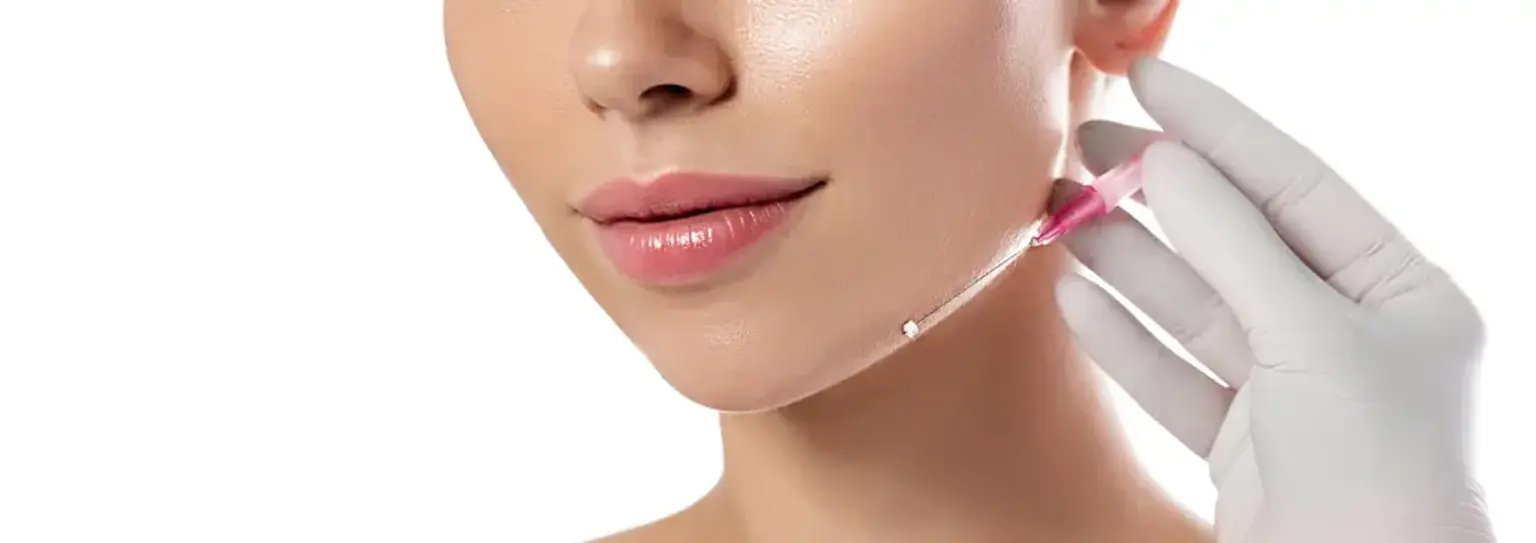


The clinical information regarding Thread Lifting in this article has been rigorously verified against the latest guidelines from the American Academy of Dermatology (AAD) and primary research from databases like PubMed. This piece was reviewed for accuracy and patient-centric clarity and was last updated in October 2023.
Introduction
introductionA thread lift is a popular minimally invasive procedure designed to lift and tighten sagging skin tissues. Using biocompatible, absorbable sutures, dermatologists and plastic surgeons can create a subtle, refreshed look without major surgery. To cut through the online noise and provide direct, trustworthy information, we present this expert-driven Q&A, addressing the most critical questions patients have about the thread lift procedure.
What exactly is a thread lift and how does it work?
what-exactly-is-a-thread-lift-and-how-does-it-work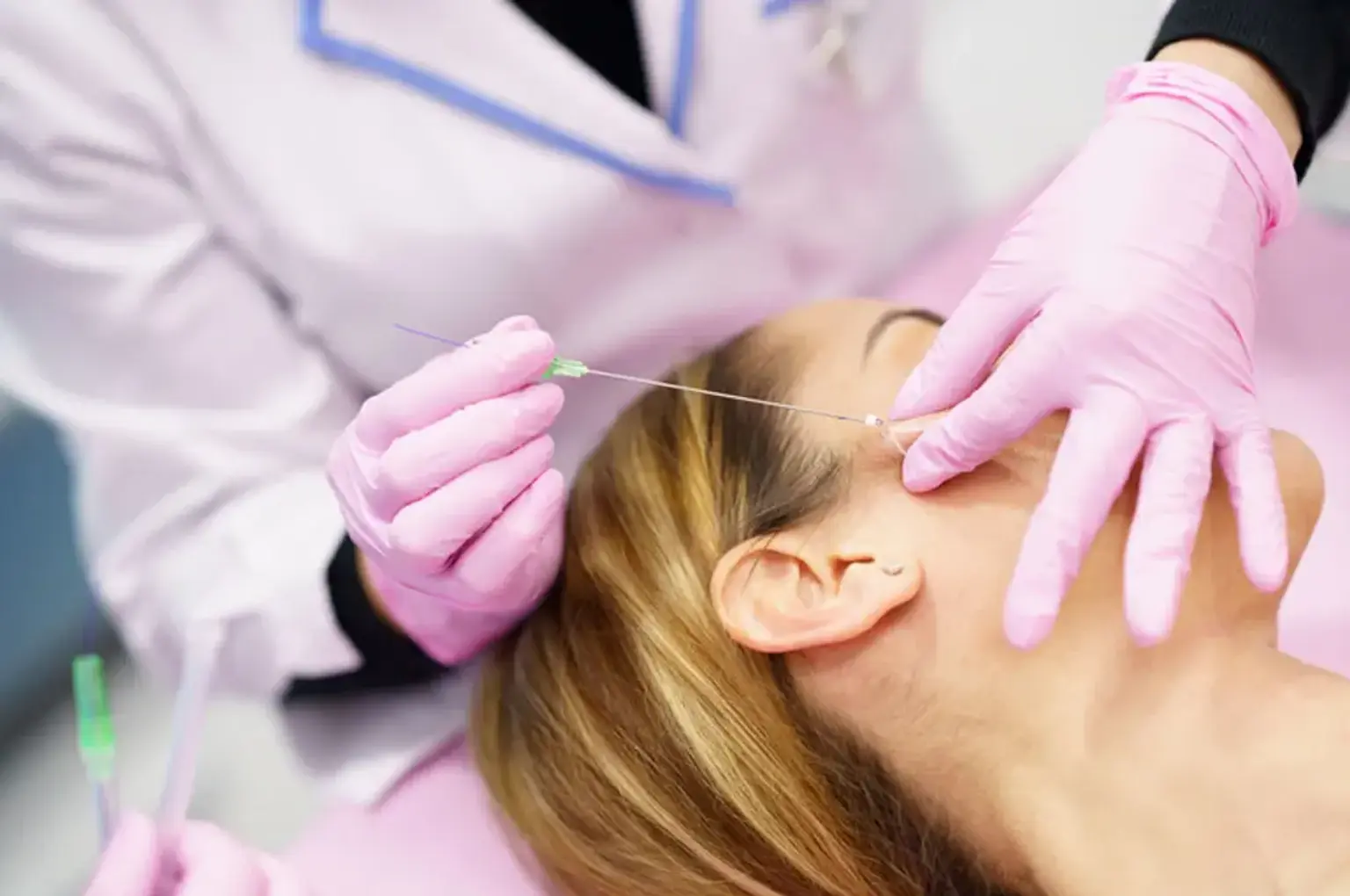
A thread lift is a cosmetic procedure that provides a temporary lift to facial tissues using medical grade sutures, or threads. The process has a dual action effect.
Immediate Mechanical Lift: The threads, which often have tiny barbs or cones, are inserted into the subcutaneous fat layer beneath the skin. When positioned, they physically grip the sagging tissue, allowing the practitioner to reposition and lift the skin instantly. This provides an immediate improvement in contours, particularly for the jowls, neck, and eyebrows.
Long-Term Collagen Production: The threads are made from materials like Polydioxanone (PDO), Poly-L-Lactic Acid (PLLA), or Polycaprolactone (PCL). The body perceives these sutures as foreign objects and triggers a healing response. This response stimulates the production of new collagen, the protein responsible for skin's firmness and elasticity. This biological effect improves skin quality over time, even after the threads have dissolved.
How long do the results of a thread lift actually last?
how-long-do-the-results-of-a-thread-lift-actually-lastThe longevity of thread lift results depends primarily on the type of thread material used, the patient's age, skin condition, and lifestyle. The initial mechanical lift is visible immediately, while the collagen-boosting effects appear gradually.
(PDO) Polydioxanone Threads: These are the most common and typically dissolve within 4-6 months. The resulting collagen production can extend the aesthetic benefits for up to 12-18 months.
(PLLA) Poly-L-Lactic Acid Threads: These are more durable, taking up to 12-18 months to dissolve. They provide a more robust collagen response, with results potentially lasting for two years or more.
(PCL) Polycaprolactone Threads: This is the longest-lasting material, dissolving over a period of 24 months. The stimulation of collagen continues throughout this period, offering the most durable results of the three.
Is getting a thread lift a painful procedure?
is-getting-a-thread-lift-a-painful-procedurePatient discomfort is managed effectively. Before the procedure begins, a local anesthetic is injected at the entry and exit points of the threads. Patients may feel a slight stinging sensation from the anesthetic injections. During the thread insertion, most people report feeling pressure or a pulling sensation rather than sharp pain. Post-procedure, mild soreness, tenderness, and swelling are common and feel similar to a muscle ache. These symptoms are typically well-managed with over-the-counter pain relievers and usually subside within a few days to a week.
Who is the ideal candidate for a thread lift?
who-is-the-ideal-candidate-for-a-thread-liftThe best candidates for a thread lift are typically individuals in their late 30s to early 50s who are experiencing mild to moderate skin laxity. They are looking for a noticeable lift and skin tightening but do not have severe sagging that would require a surgical facelift.
An ideal candidate generally has:
Good skin quality: Healthy, elastic skin responds better to the procedure.
Mild to moderate sagging: Particularly around the jowls, jawline, neck, or brow area.
Realistic expectations: Understands that a thread lift provides a subtle, natural looking improvement, not the dramatic results of a surgical facelift.
Good overall health: Not pregnant or breastfeeding and without active skin infections or autoimmune diseases affecting the skin.
What are the potential risks and side effects of thread lifts?
what-are-the-potential-risks-and-side-effects-of-thread-liftsWhile a thread lift is considered a low-risk procedure compared to surgery, potential side effects and complications can occur. Most are minor and temporary.
Common Side Effects:
Bruising and swelling at the insertion points
Mild pain or soreness
A sensation of tightness
Minor dimpling or puckering of the skin usually resolves on its own
Less Common Risks:
Infection: As with any procedure that breaks the skin, there is a risk of infection, minimized by sterile technique.
Thread Migration or Extrusion: A thread may move from its original position or poke through the skin. This requires professional removal.
Asymmetry: An uneven result between the two sides of the face.
Nerve Irritation: A rare complication that can cause temporary numbness or muscle weakness.
Choosing a highly experienced, board-certified practitioner is the most critical factor in minimizing these risks.
"I had so many questions and was confused by all the different information online. Sitting down with a professional who explained exactly how the threads work, what to expect during recovery, and what results were realistic for me was a huge relief. It gave me the confidence to move forward." – an anonymous patient, Australia.
Recommended Clinics with Relevant Expertise in South Korea
recommended-clinics-with-relevant-expertise-in-south-koreaFor those considering a thread lift or other aesthetic procedures, South Korea is a global hub for dermatological innovation. The following clinics are noted for their expertise in lifting, anti-aging, and facial contouring.
Website | Clinic Name | Best Known For | Address | Contact |
|---|---|---|---|---|
All-line Clinic | Fat dissolving and body contouring treatments | Mapo-gu, Seoul, South Korea | ||
Plans Clinic | Facial contouring, anti-aging, and rhinoplasty | Gangnam-gu, Seoul, South Korea | ||
BLS Clinic | Laser lifting, body contouring, and dermatology | Gangnam-gu, Seoul, South Korea | ||
Natural Beauty Clinic | Rhinoplasty, eye surgery, and facial contouring | Gangnam-gu, Seoul, South Korea | ||
Clinic Trinity Raffaello | Anti-aging, stem cell therapy, and premium lifting | Gangnam-gu, Seoul, South Korea | ||
Cheongdam Oracle Dermatology | Comprehensive dermatology, laser, and lifting treatments | Gangnam-gu, Seoul, South Korea | ||
Cheongdam Qbq Clinic | Facial contouring, advanced lifting, and revision surgery | Gangnam-gu, Seoul, South Korea | ||
Oracle Clinic Cheongdam | Advanced dermatology, acne treatment, and lifting | Gangnam-gu, Seoul, South Korea |
Associated Aesthetic Procedures and Average Costs in South Korea
associated-aesthetic-procedures-and-average-costs-in-south-koreaThread lifts are often combined with other treatments for a comprehensive rejuvenation effect. Below are common aesthetic procedures available in South Korea, with estimated costs.
Treatment/Procedure Name | Duration | Hospitalization? | Avg. Cost Range (USD) in S. Korea | Contact |
|---|---|---|---|---|
High Fat Dissolving Injection | 20-30 mins | Not Needed | $400 - $800 | |
Triple Body Injection | 30-45 mins | Not Needed | $500 - $1,200 | |
Titanium Lifting | 45-60 mins | Not Needed | $1,500 - $3,500 | |
Face Onda Lifting | 30-45 mins | Not Needed | $1,200 - $2,500 | |
Body Onda Lifting | 40-75 mins | Not Needed | $1,500 - $4,000 | |
Full Body Contouring (Surgical) | 2-5 hours | Needed (1-2 days) | $10,000 - $25,000 | |
Combination Skin Boosters | 45-60 mins | Not Needed | $600 - $1,500 | |
Jaw Botox | 10-15 mins | Not Needed | $200 - $500 | |
Rejuran Healer | 30-45 mins | Not Needed | $400 - $700 | |
Juvelook | 45-60 mins | Not Needed | $500 - $900 | |
Skin Botox – Full Face | 30-45 mins | Not Needed | $450 - $800 | |
Mirajet Needle-Free Injector | 30-60 mins | Not Needed | $700 - $1,800 | |
Thermage FLX | 60-90 mins | Not Needed | $2,000 - $4,500 | |
Shurink | 30-45 mins | Not Needed | $500 - $1,200 | |
Inmode | 45-60 mins | Not Needed | $800 - $2,500 | |
Ulthera | 60-90 mins | Not Needed | $2,500 - $5,000 | |
miraDry | 60-90 mins | Not Needed | $2,000 - $3,500 |
How Can I Best Prepare for My Thread Lift Consultation?
how-can-i-best-prepare-for-my-thread-lift-consultationPreparation is key to a productive consultation. Being ready allows you to maximize your time with the specialist and make an informed decision.
1. What is the recovery time and aftercare for a thread lift?
1.-what-is-the-recovery-time-and-aftercare-for-a-thread-liftRecovery is minimal compared to surgery. Most patients resume normal daily activities within 24-48 hours. However, specific aftercare instructions are crucial for optimal results.
First 48 Hours: Apply cold packs to reduce swelling. Sleep on your back with your head elevated. Avoid washing your face or applying makeup.
First 1-2 Weeks: Avoid strenuous exercise, saunas, and steam rooms. Refrain from excessive facial movements, like chewing hard foods or making exaggerated expressions.
First 3 Weeks: Avoid dental appointments and facial massages. Be gentle when cleansing your face.
2. How does a thread lift compare to a surgical facelift?
2.-how-does-a-thread-lift-compare-to-a-surgical-faceliftThis is a critical distinction based on goals, downtime, and permanence.
Invasiveness: A thread lift is minimally invasive, using only local anesthesia. A facelift is a major surgery requiring general anesthesia and significant incisions.
Results: A thread lift provides a subtle, natural lift. A facelift produces a more dramatic and transformative result by surgically removing excess skin and repositioning underlying muscle.
Longevity: Thread lift results last 1-3 years. Facelift results can last for a decade or more.
Downtime: Thread lift recovery is a few days to a week. Facelift recovery involves several weeks of significant swelling and bruising.
Cost: Thread lifts are significantly less expensive than surgical facelifts.
3. What questions should I ask my doctor during the consultation?
3.-what-questions-should-i-ask-my-doctor-during-the-consultationBeing prepared with a list of questions ensures all your concerns are addressed.
Am I a good candidate for this procedure? Why or why not?
What type of threads (PDO, PLLA, PCL) do you recommend for me, and why?
How many threads will I need to achieve my desired result?
Can I see before-and-after photos of your previous thread lift patients?
What are the most common side effects you see with your patients?
What is the total cost, including any follow-up appointments?
What other treatments could be combined with a thread lift for better results?
4. Are virtual consultations available for international patients?
4.-are-virtual-consultations-available-for-international-patientsYes, most top-tier clinics in South Korea offer virtual consultations for international patients. This allows you to speak directly with a coordinator and often the doctor, discuss your goals, share photos for assessment, and receive a preliminary treatment plan and cost estimate before committing to travel.
Begin Your Transformation: Get Expert Advice on Thread Lifting
begin-your-transformation:-get-expert-advice-on-thread-liftingTaking the next step can feel overwhelming, but obtaining clear, personalized advice is the most important part of the journey. By inquiring through CloudHospital, you gain access to South Korea’s leading clinics that specialize in creating natural, youthful results. A dedicated Care Manager from CloudHospital ensures a seamless, transparent process, supporting you from your initial questions to post-procedure care. And Start Your Confidential Inquiry and Get Expert Guidance Today.