
The clinical information regarding Intense Pulsed Light (IPL) Therapy in this article has been rigorously verified against the latest standards of care from the American Academy of Dermatology (AAD) and primary research from databases like PubMed. This piece was reviewed for accuracy and patient-centric clarity and was last updated in October 2023.
Introduction
introductionIntense Pulsed Light (IPL) therapy is a versatile and popular non-invasive treatment in dermatology designed to address a wide range of skin concerns. Its primary goal is to improve skin tone and texture by targeting pigment and vascular irregularities. Unlike a laser, which uses a single, focused wavelength of light, IPL utilizes a broad spectrum of light delivered in short, powerful pulses. This guide provides a detailed examination of the procedure, its benefits, risks, and what you can expect if you are considering this treatment to achieve clearer, more youthful looking skin.
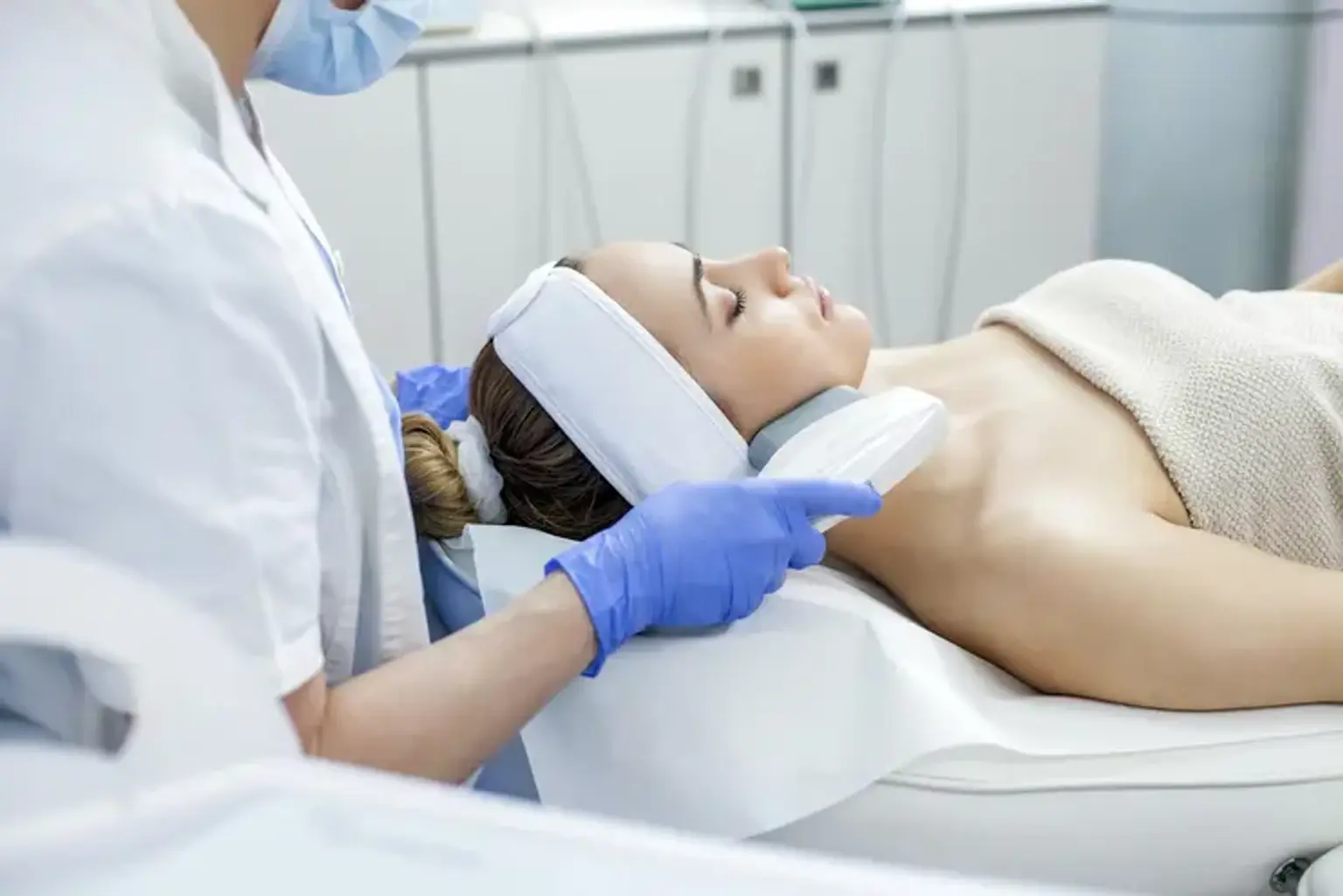
How Does Intense Pulsed Light (IPL) Therapy Work?
how-does-intense-pulsed-light-(ipl)-therapy-workIntense Pulsed Light therapy works by emitting high-intensity, broad spectrum light that penetrates the skin without harming the surface layer. This light energy is absorbed by specific targets, known as chromophores, within the skin. The two primary targets for cosmetic IPL are:
Melanin: The pigment responsible for brown spots, sun damage, and unwanted freckles.
Hemoglobin: The red protein in blood cells, found in the fine, visible blood vessels that cause facial redness and conditions like rosacea.
When the light energy is absorbed by these chromophores, it converts to heat. This heat selectively damages and destroys the targeted cells either the melanin-filled cells causing hyperpigmentation or the small blood vessels causing redness. The body’s natural healing process then removes these damaged cells, resulting in a clearer, more even complexion. The gentle heating of the deeper skin layers also stimulates the production of new collagen, which helps improve skin texture and firmness over time.
What Skin Conditions Can IPL Therapy Effectively Treat?
what-skin-conditions-can-ipl-therapy-effectively-treatIPL therapy is highly effective for a variety of pigment-related and vascular skin issues, primarily on the face, neck, chest, and hands. Key benefits and treatable conditions include:
Sun Damage (Photoaging): Reduces the appearance of sun spots, age spots, and uneven skin tone caused by UV exposure.
Hyperpigmentation: Fades freckles, lentigines, and other forms of brown discoloration.
Vascular Lesions: Diminishes broken capillaries telangiectasias, spider veins, and generalized redness.
Rosacea: Controls the redness and flushing associated with rosacea, a common chronic skin condition. Success rates for improving rosacea symptoms are often high, with many patients seeing significant reduction in redness.
Acne: Can help reduce inflammation and kill certain acne causing bacteria, although it's not typically a first-line treatment.
Overall Skin Rejuvenation: Improves skin texture, reduces pore size, and promotes a brighter, more luminous complexion by stimulating collagen.
Who is an Ideal Candidate for IPL Treatment?
who-is-an-ideal-candidate-for-ipl-treatmentAn ideal candidate for IPL therapy is someone with lighter skin tones seeking improvement for the conditions listed above. The best candidates generally meet the following criteria:
Skin Type: Individuals with fair to light-brown skin Fitzpatrick skin types I, II, and III) are ideal. The contrast between the target dark pigment or red vessels and the surrounding skin is crucial for safety and efficacy.
Primary Concerns: Your main issues are surface level, such as sun spots, redness, broken capillaries, or overall blotchy skin tone.
Realistic Expectations: You understand that multiple sessions are typically required for optimal results and that IPL is not a solution for deep wrinkles or significant sagging.
Good Health: You do not have any active skin infections or conditions that could be worsened by the treatment.
Sun Avoidance: You are committed to avoiding sun exposure before and after treatment, as a tan can significantly increase the risk of side effects.
What Are the Risks and Contraindications of IPL?
what-are-the-risks-and-contraindications-of-iplWhile IPL is generally considered safe when performed by a qualified professional, it is not suitable for everyone. Potential risks are low but can include temporary redness, swelling, and mild discomfort.
Key contraindications and factors that increase risk include:
Darker Skin Tones: Individuals with dark brown or black skin are at a higher risk of burns, blistering, and post-inflammatory hyperpigmentation because the IPL device may have difficulty distinguishing between the target chromophore and the natural melanin in the skin.
Recent Sun Exposure or Tanning: Tanned skin has excess melanin, increasing the risk of adverse effects. You should avoid sunbathing and tanning beds for at least four weeks before a session.
Certain Medications: Photosensitizing drugs, such as some antibiotics or acne medications like isotretinoin, must be discontinued prior to treatment.
Active Skin Conditions: Not recommended for those with active sores, eczema, or psoriasis in the treatment area.
Pregnancy: As a precaution, IPL is not performed on pregnant women.
The IPL Procedure: A Step-by-Step Patient Journey
the-ipl-procedure:-a-step-by-step-patient-journeyUnderstanding the treatment process from start to finish can help alleviate anxiety and set clear expectations. The journey is straightforward and typically involves three phases.
Before the Procedure: Consultation and Preparation
before-the-procedure:-consultation-and-preparationYour journey begins with a thorough consultation with a dermatologist. They will assess your skin type, discuss your goals, and determine if you are a good candidate. They will review your medical history and any medications you are taking. You will be instructed to avoid sun exposure, tanning beds, and certain topical products like retinoids for several weeks leading up to your first session.
During the Procedure: The Treatment Session
during-the-procedure:-the-treatment-sessionOn the day of the treatment, the area will be cleansed, and a cool gel will be applied to your skin. This gel helps protect the skin's surface and facilitates the smooth movement of the IPL handpiece. You will be given protective eyewear. The clinician will then place the smooth, glass surface of the IPL device directly onto your skin and deliver precise pulses of light. Each pulse feels like a warm snap of a rubber band. A typical full face session lasts between 20 to 30 minutes.
Immediately After the Procedure: The Initial Recovery Phase
immediately-after-the-procedure:-the-initial-recovery-phaseImmediately following the treatment, your skin will likely be red and feel warm, similar to a mild sunburn. This sensation usually subsides within a few hours. Mild swelling may also occur. Any pigmented spots that were treated will typically darken over the next 24-48 hours before flaking off naturally within one to two weeks.
"After my first IPL session, my sun spots got darker, which the doctor told me to expect. About a week later, they just...flaked away like coffee grounds. My skin tone underneath was so much clearer and more even. It was amazing to see." – an anonymous patient, Australia.
What is the Full Recovery Timeline After an IPL Session?
what-is-the-full-recovery-timeline-after-an-ipl-sessionRecovery from IPL is minimal, with virtually no downtime required. Most patients can return to work and daily activities immediately.
First 24-48 Hours: Expect redness and mild swelling. You can apply a cold compress to soothe the skin. Avoid hot showers, saunas, and strenuous exercise.
First Week: The treated pigmented spots will darken and then begin to flake off. Do not pick or scrub at these areas. Use a gentle cleanser and a strong moisturizer. It is critical to apply broad spectrum sunscreen (SPF 30+) daily, as your skin will be highly sensitive to UV light.
1-2 Weeks Post-Treatment: The flaking should be complete. You will begin to see a visible improvement in skin tone, with reduced redness and pigmentation.
Ongoing: Continue diligent sun protection to maintain your results and prevent new damage from forming.
How Many IPL Sessions Are Needed and How Long Do Results Last?
how-many-ipl-sessions-are-needed-and-how-long-do-results-lastThe number of sessions required depends on the condition being treated and the desired outcome. For optimal results, most individuals need a series of 3 to 5 treatments, spaced approximately four weeks apart. This allows your skin to heal fully between sessions and provides a cumulative effect.
The results of an IPL treatment series can be long lasting, especially if you protect your skin from the sun. The treated spots and broken capillaries are permanently removed by the body. However, IPL does not stop the aging process or prevent new sun damage from occurring. Many patients opt for one or two maintenance sessions per year to keep their skin clear and vibrant.
Recommended Clinics with Relevant Expertise in South Korea
recommended-clinics-with-relevant-expertise-in-south-koreaSouth Korea is a global leader in dermatological technology and non-invasive procedures. The following clinics are renowned for their expertise in laser treatments, skin rejuvenation, and overall aesthetic medicine.
Website | Clinic Name | Best Known For | Address | Contact |
|---|---|---|---|---|
All-line Clinic | Non-surgical lifting & body contouring | Mapo-gu, Seoul, South Korea | ||
Plans Clinic | Plastic surgery (eyes, nose, breast) | Gangnam-gu, Seoul, South Korea | ||
BLS Clinic | Laser treatments, lifting, injectables | Gangnam-gu, Seoul, South Korea | ||
Natural Beauty Clinic | Plastic surgery & anti-aging | Gangnam-gu, Seoul, South Korea | ||
Clinic Trinity Raffaello | Stem cell therapy & advanced anti-aging | Gangnam-gu, Seoul, South Korea | ||
Cheongdam Oracle Dermatology | Comprehensive dermatology & laser treatments | Gangnam-gu, Seoul, South Korea | ||
Cheongdam Qbq Clinic | Comprehensive dermatology & laser treatments | Gangnam-gu, Seoul, South Korea | ||
Oracle Clinic Cheongdam | Lifting, anti-aging, and skin rejuvenation | Gangnam-gu, Seoul, South Korea |
Recommended Treatment/Procedure Names with Average Costs in South Korea
recommended-treatmentprocedure-names-with-average-costs-in-south-koreaThe table below provides an overview of common aesthetic procedures available in South Korea, offering a comparison of costs and treatment parameters.
Treatment/Procedure Name | Duration | Hospitalization? | Avg. Cost (USD) in S.Korea | Contact |
|---|---|---|---|---|
IPL (Photofacial) | 20-30 mins | Not Needed | $150 - $400 | |
Rejuran Healer | 20-30 mins | Not Needed | $300 - $600 | |
Juvelook | 30-45 mins | Not Needed | $400 - $700 | |
Skin Botox – Full Face | 20-30 mins | Not Needed | $350 - $650 | |
Jaw Botox | 5-10 mins | Not Needed | $80 - $250 | |
Calf Botox | 15-20 mins | Not Needed | $400 - $800 | |
Thermage FLX | 45-90 mins | Not Needed | $1,500 - $3,500 | |
Ulthera | 30-90 mins | Not Needed | $1,200 - $3,000 | |
Inmode Lifting | 30-60 mins | Not Needed | $500 - $1,500 | |
Shurink Universe | 20-40 mins | Not Needed | $300 - $900 | |
Titanium Lifting | 60-90 mins | Not Needed | $1,000 - $2,500 | |
Face Onda Lifting | 20-40 mins | Not Needed | $600 - $1,200 | |
Pigmentation & Whitening Laser | 15-30 mins | Not Needed | $150 - $500 | |
Face Fat Dissolving Injection | 15-20 mins | Not Needed | $100 - $300 | |
Hydrogen Toning | 30-45 mins | Not Needed | $150 - $300 |
Frequently Asked Questions (FAQs) about IPL Therapy
frequently-asked-questions-(faqs)-about-ipl-therapy1. Does IPL therapy hurt?
1.-does-ipl-therapy-hurtMost patients describe the sensation as a quick, warm snap, similar to a rubber band flicking against the skin. Discomfort is mild and very brief. A cooling gel is applied to minimize the sensation, and no anesthesia is required.
2. Will I need to take time off work for IPL?
2.-will-i-need-to-take-time-off-work-for-iplNo, there is no required downtime. Patients can immediately return to their normal daily activities. You may experience some redness for a few hours, but this can typically be covered with makeup if desired.
3. Can IPL be combined with other treatments?
3.-can-ipl-be-combined-with-other-treatmentsYes, IPL is often part of a comprehensive skin rejuvenation plan. It can be combined with treatments like [Skin Boosters] (e.g., Rejuran Healer), microdermabrasion, or radiofrequency treatments like Thermage for enhanced results. However, treatments are usually spaced out to allow the skin to heal properly.
4. Is IPL the same as a laser treatment?
4.-is-ipl-the-same-as-a-laser-treatmentNo. The key difference is the type of light used. A laser emits a single, focused wavelength of light to target a very specific problem. IPL uses broad-spectrum light (multiple wavelengths), which allows it to treat several conditions simultaneously. This makes it very versatile for general photorejuvenation.
5. How should I care for my skin after IPL?
5.-how-should-i-care-for-my-skin-after-iplPost-treatment care is simple but crucial. Use a gentle, non-abrasive cleanser and a rich moisturizer. Avoid products with harsh ingredients like retinoids or glycolic acid for about a week. Most importantly, apply a broad-spectrum sunscreen with an SPF of 30 or higher every day, regardless of the weather.
6. Can IPL make my pigmentation worse?
6.-can-ipl-make-my-pigmentation-worseWhen performed correctly on an appropriate candidate, IPL should not worsen pigmentation. However, if performed on a patient with an unsuitable skin type like very dark skin or a recent tan, or if post-treatment sun exposure is not avoided, there is a risk of developing post-inflammatory hyperpigmentation (PIH). This is why a professional consultation is essential.
Reveal Your Clearest Skin: Inquire About IPL Therapy Today!
reveal-your-clearest-skin:-inquire-about-ipl-therapy-todayTaking the first step toward addressing concerns like sun damage, redness, or an uneven complexion can be empowering. Intense Pulsed Light therapy offers a proven, non-invasive solution to restore your skin's natural clarity and vibrance. For a seamless and transparent experience, we provide end-to-end support, from your initial inquiry to your post-recovery care. A dedicated Care Manager can help you connect with top specialists and coordinate a personalized treatment plan. And Start Your Confidential Inquiry with CloudHospital to receive a free, personalized treatment plan and quote from leading dermatology clinics.