

The clinical information regarding Microdermabrasion in this article has been rigorously verified against the latest guidelines from the American Academy of Dermatology (AAD) and primary research from databases like PubMed. This piece was reviewed for accuracy and patient-centric clarity and was last updated in October 2023.
Introduction
introductionMicrodermabrasion is a minimally invasive cosmetic procedure designed to renew overall skin tone and texture. It is a cornerstone treatment in dermatology, effectively addressing sun damage, wrinkles, fine lines, age spots, acne scars, melasma, and other skin-related concerns. This guide provides a detailed, evidence-based examination of the procedure, from its underlying science to recovery and results, for individuals considering this path to clearer, healthier skin.
How Does Microdermabrasion Work?
how-does-microdermabrasion-work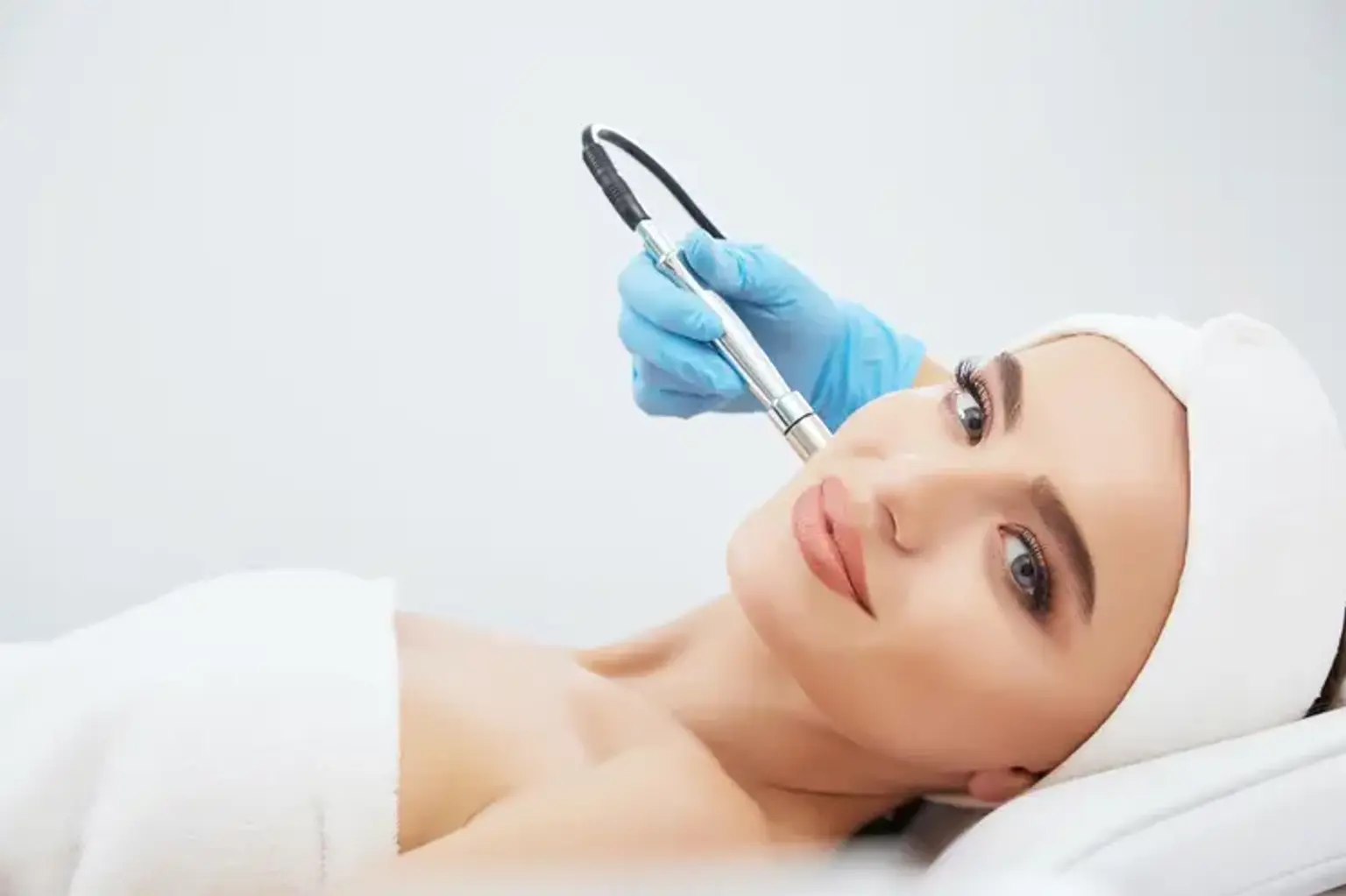
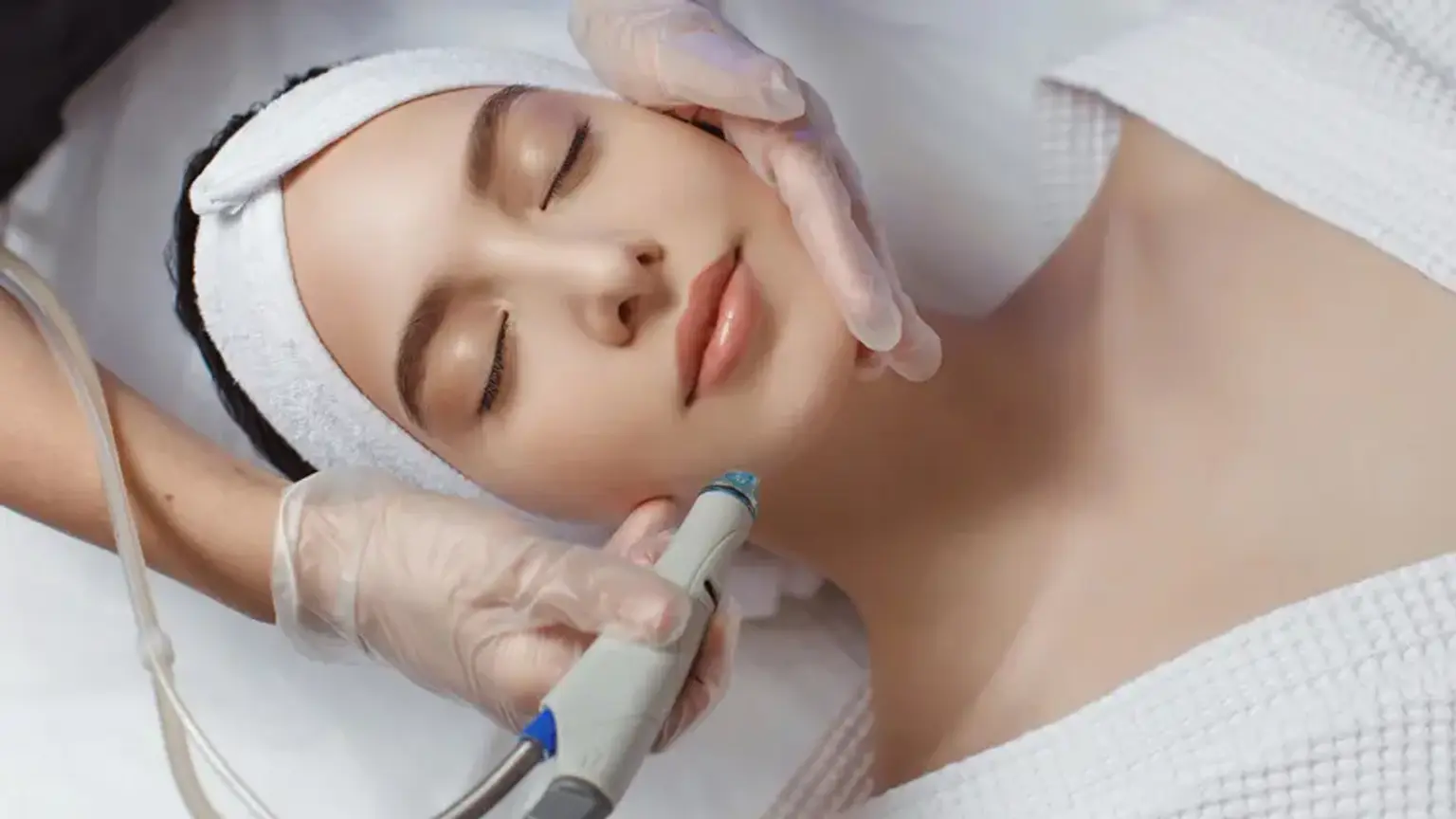
Microdermabrasion works by physically exfoliating the outermost layer of dead, dull skin cells, known as the stratum corneum. A specialized, handheld device propels fine crystals or uses a diamond-tipped wand to gently abrade the skin's surface. Simultaneously, a built-in vacuum suctions away the exfoliated cells and debris. This process triggers the body's natural healing response, accelerating cell turnover and stimulating the production of new collagen and elastin, which leads to firmer, smoother, and more radiant skin over time.
There are two primary methods:
Crystal Microdermabrasion: This technique uses a handpiece to emit fine crystals typically aluminum oxide or sodium bicarbonate to sand away the outer skin layer.
Diamond-Tip Microdermabrasion: This newer method employs a laser-cut diamond tip to exfoliate the skin. It is generally considered more precise, especially for sensitive areas like around the eyes.
What are the Key Benefits of Microdermabrasion?
what-are-the-key-benefits-of-microdermabrasionThe primary advantage of microdermabrasion is its ability to improve skin appearance with minimal risk and no downtime. Patients often seek this treatment for its wide range of benefits.
Improved Skin Texture: Reduces roughness for a smoother, softer feel.
Brighter, More Even Skin Tone: Fades areas of hyperpigmentation, including age spots, sun spots, and melasma.
Reduced Appearance of Fine Lines: Softens superficial wrinkles, particularly around the eyes and mouth.
Minimized Pores: Clears out clogged pores and can make them appear smaller.
Diminished Acne and Scarring: Helps clear up mild acne and reduces the visibility of superficial acne scars.
Enhanced Product Absorption: By removing the dead-cell barrier, it allows skincare products to penetrate more effectively.
Who is an Ideal Candidate for Microdermabrasion?
who-is-an-ideal-candidate-for-microdermabrasionMicrodermabrasion is safe for most skin types and colors. An ideal candidate is a healthy adult with realistic expectations who wishes to address specific superficial skin concerns.
You may be a good candidate if you have:
Fine lines or wrinkles
Mild, non-inflammatory acne and superficial acne scars
Dull or uneven skin tone and texture
Sun-damaged skin or age spots
Enlarged pores or blackheads
The procedure may not be suitable for individuals with:
Active skin conditions like rosacea, eczema, dermatitis, or widespread acne.
Skin infections, such as herpes simplex cold sores, warts, or impetigo.
A history of keloid scarring.
Recent use of isotretinoin Accutane within the last 6-12 months.
What are the Risks and Contraindications of Microdermabrasion?
what-are-the-risks-and-contraindications-of-microdermabrasionWhile microdermabrasion is considered a very safe procedure, some minor, temporary side effects can occur. These typically resolve within a few hours to a day.
Common Side Effects: Mild skin tightness, redness, and slight sensitivity, comparable to a mild sunburn.
Less Common Risks: Minor bruising from the vacuum suction, dry or flaky skin, or temporary reactivation of cold sores.
Serious risks are rare when the procedure is performed by a qualified dermatologist or licensed esthetician. It is critical to disclose your full medical history and any skin conditions during the consultation.
What Are the Steps of the Microdermabrasion Procedure?
what-are-the-steps-of-the-microdermabrasion-procedureThe patient journey for microdermabrasion is straightforward and designed for comfort and efficiency.
Before the Procedure: Consultation and Preparation
before-the-procedure:-consultation-and-preparationYour journey begins with a consultation. A dermatologist will assess your skin, discuss your goals, and determine if microdermabrasion is the right choice. You will be advised to avoid sun exposure, tanning creams, and other exfoliating products like scrubs or chemical peels for about a week before your appointment. You should also arrive at the clinic with a clean, makeup-free face.
During the Procedure: What Happens in the Treatment Room
during-the-procedure:-what-happens-in-the-treatment-roomThe procedure itself is typically performed in an office or clinic setting and does not require anesthesia. You will be seated in a reclining chair while the practitioner cleanses your skin. They will then pass the microdermabrasion device over the targeted areas. You may feel a mild scratching or sanding sensation, along with the gentle pulling of the vacuum. The entire process is relatively quick, usually lasting between 30 and 40 minutes for the face.
Immediately After the Procedure: The Initial Recovery Phase
immediately-after-the-procedure:-the-initial-recovery-phaseAfter the treatment, your practitioner will apply a hydrating moisturizer and sunscreen. Your skin may appear slightly pink or red, but this typically fades within a few hours. There is no downtime required, and you can resume your daily activities immediately.
"My skin felt incredibly smooth and clean right away. There was a bit of pinkness, but by the next morning, my complexion just looked so much brighter and felt refreshed. It was the perfect reset." – an anonymous patient, Australia.
What is the Recovery Timeline for Microdermabrasion?
what-is-the-recovery-timeline-for-microdermabrasionRecovery is swift and uncomplicated, making it a popular lunchtime procedure.
First 24 Hours: Skin may be pink and feel sensitive. Avoid heavy sun exposure and strenuous exercise that causes heavy sweating.
Days 1-3: Continue to use a gentle cleanser, a rich moisturizer, and broad-spectrum sunscreen SPF 30 or higher. Avoid harsh active ingredients like retinoids or glycolic acid.
First Week: Your skin will be more sensitive to the sun, so diligent sun protection is crucial to protect the fresh, new skin layer and prevent hyperpigmentation.
Long-Term: You can resume your regular skincare routine after a few days, as advised by your provider.
How Long Do Microdermabrasion Results Last?
how-long-do-microdermabrasion-results-lastThe immediate results, such as a brighter complexion and smoother texture, are noticeable right away. However, for more significant concerns like fine lines or discoloration, a series of treatments is typically required to achieve optimal and lasting results. Most dermatologists recommend a course of 5 to 10 sessions, spaced 2 to 4 weeks apart. After the initial series, maintenance treatments every 1-3 months can help preserve the benefits.
Recommended Clinics with Relevant Expertise in South Korea
recommended-clinics-with-relevant-expertise-in-south-koreaSouth Korea is renowned for its advanced dermatological care. The following clinics offer a range of aesthetic treatments and are well-regarded for their expertise in skin health and rejuvenation.
Website | Clinic Name | Best Known For | Address | Contact |
|---|---|---|---|---|
All-line Clinic | Lifting, Body Contouring, Fat Dissolving Injections | Mapo-gu, Seoul, South Korea | ||
Plans Clinic | Body Contouring, Liposuction, Fat Dissolving | Gangnam-gu, Seoul , South Korea | ||
BLS Clinic | Laser Treatments, Lifting, Botox & Fillers | Gangnam, Seoul, South Korea | ||
Natural Beauty Clinic | Plastic Surgery (Eyes, Nose), Dermatology | Gangnam-gu, Seoul , South Korea | ||
Clinic Trinity Raffaello | Premium Anti-Aging, Stem Cell Therapy | Gangnam-gu, Seoul , South Korea | ||
Cheongdam Oracle Dermatology Clinic | Comprehensive Dermatology, Laser & Skin Boosters | Gangnam-gu, Seoul, South Korea | ||
Oracle Clinic Cheongdam | Large Dermatology Network, Pigmentation & Scar Care | Gangnam-gu, Seoul, South Korea | ||
Cheongdam Qbq Clinic | Aesthetic Treatments, Lifting, Skin Care | Gangnam-gu, Seoul , South Korea |
Recommended Treatment/Procedure Names with Average Costs in South Korea
recommended-treatmentprocedure-names-with-average-costs-in-south-koreaThe cost of aesthetic treatments in South Korea can vary based on the clinic, the technology used, and the complexity of the patient's case. The table below provides an overview of popular procedures and their estimated costs.
Treatment/Procedure Name | Treatment Duration | Hospitalization? | Avg Cost Range (USD) in S. Korea | Contact |
|---|---|---|---|---|
High Fat Dissolving Injection | 20-30 mins | Not Needed | $300 - $800 | |
Triple Body Injection | 30-45 mins | Not Needed | $400 - $1,000 | |
Titanium Lifting | 40-60 mins | Not Needed | $1,500 - $3,500 | |
Face Onda Lifting | 20-40 mins | Not Needed | $800 - $2,000 | |
Body Onda Lifting | 30-60 mins | Not Needed | $1,000 - $3,000 | |
Full Body Contouring | 30-45 mins | Needed (1-2 days) | $8,000 - $20,000 | |
Combination Skin Boosters | 30-45 mins | Not Needed | $400 - $900 | |
Jaw Botox | 10-15 mins | Not Needed | $150 - $400 | |
Calf Botox | 15-20 mins | Not Needed | $400 - $800 | |
Rejuran Healer | 20-30 mins | Not Needed | $350 - $700 | |
Vitaran | 20-30 mins | Not Needed | $300 - $600 | |
Juvelook | 30-40 mins | Not Needed | $450 - $850 | |
Skin Botox – Full Face | 20-30 mins | Not Needed | $300 - $600 | |
Thermage FLX | 45-90 mins | Not Needed | $1,800 - $4,000 | |
Shurink | 30-45 mins | Not Needed | $400 - $1,200 | |
Inmode | 30-60 mins | Not Needed | $800 - $2,500 | |
Ulthera | 45-90 mins | Not Needed | $1,500 - $3,500 | |
Scar & Pore Laser | 30-60 mins | Not Needed | $300 - $1,000 | |
miraDry | 60-90 mins | Not Needed | $2,000 - $3,500 | |
Hydrogen Toning | 20-30 mins | Not Needed | $150 - $300 |
Frequently Asked Questions (FAQs) about Microdermabrasion
frequently-asked-questions-(faqs)-about-microdermabrasion1. Is the microdermabrasion procedure painful?
1.-is-the-microdermabrasion-procedure-painfulMicrodermabrasion is not considered painful. Most patients report a mild, tolerable scratching or vibrating sensation on their skin during the treatment. Anesthesia is not necessary, and any discomfort is minimal and temporary.
2. How many microdermabrasion sessions are needed for visible results?
2.-how-many-microdermabrasion-sessions-are-needed-for-visible-resultsWhile a single session will leave your skin looking brighter and feeling smoother, lasting and more significant improvements require a series of treatments. For issues like hyperpigmentation or fine lines, a course of 5-10 sessions spaced 2-4 weeks apart is common to achieve the desired outcome.
3. Will I have a visible scar from microdermabrasion?
3.-will-i-have-a-visible-scar-from-microdermabrasionNo. Microdermabrasion is a non-surgical, superficial procedure that only affects the outermost layer of the skin. It does not cut or burn the skin and therefore does not cause scarring. It is actually used to help reduce the appearance of minor, superficial scars.
4. How soon can I wear makeup or exercise after the procedure?
4.-how-soon-can-i-wear-makeup-or-exercise-after-the-procedureIt is best to wait at least 12-24 hours before applying makeup to allow the skin to breathe and recover. You can typically resume light activities immediately, but it is recommended to avoid strenuous exercise that causes significant sweating for at least 24 hours to prevent irritation.
5. Can microdermabrasion be combined with other treatments?
5.-can-microdermabrasion-be-combined-with-other-treatmentsYes, microdermabrasion is often used to prepare the skin for other treatments. By removing the dead skin barrier, it can enhance the effectiveness of treatments like chemical peels, photofacials, or the absorption of specialized serums and skin boosters. A dermatologist can create a customized treatment plan that combines procedures for optimal results.
6. What is the difference between microdermabrasion and dermabrasion?
6.-what-is-the-difference-between-microdermabrasion-and-dermabrasionMicrodermabrasion is a gentle, superficial exfoliating treatment with no downtime, performed by an esthetician or dermatologist. Dermabrasion is a much more aggressive, surgical resurfacing procedure performed by a surgeon under anesthesia. It removes deeper layers of skin and is used for significant scarring or deep wrinkles, requiring a lengthy recovery period.
Reveal Your Best Skin: Start Your Journey Today!
reveal-your-best-skin:-start-your-journey-todayTaking the first step toward clearer, more radiant skin is a decision in self-care. Microdermabrasion offers a proven, effective, and safe method to refresh your appearance and boost your confidence with no downtime. To explore if this treatment is right for you and to connect with leading dermatology experts in South Korea, we invite you to take the next step. By inquiring, you will receive personalized guidance from a dedicated Care Manager who will assist you through the entire process from initial questions to post-treatment care ensuring a seamless and transparent experience. And Start Your Confidential Inquiry through CloudHospital to receive a, personalized treatment plan and quote.