
The clinical information regarding Poison Ivy Explained: Symptoms, Treatment, and Prevention Tips in this article has been rigorously verified against the latest guidelines from the American Academy of Dermatology (AAD) and primary research from databases like PubMed. This piece was reviewed for accuracy and patient-centric clarity and was last updated in May 2024.
Introduction
introductionPoison ivy exposure is a common cause of intensely itchy and painful skin rashes. An estimated 85% of the population is allergic to the oil found in the plant, leading to millions of cases of allergic contact dermatitis annually. Understanding the cause, recognizing the symptoms, and knowing the proper treatment steps are crucial for rapid relief and preventing complications. This guide offers a comprehensive overview for anyone seeking to understand and manage a poison ivy rash effectively.
What Exactly is a Poison Ivy Rash?
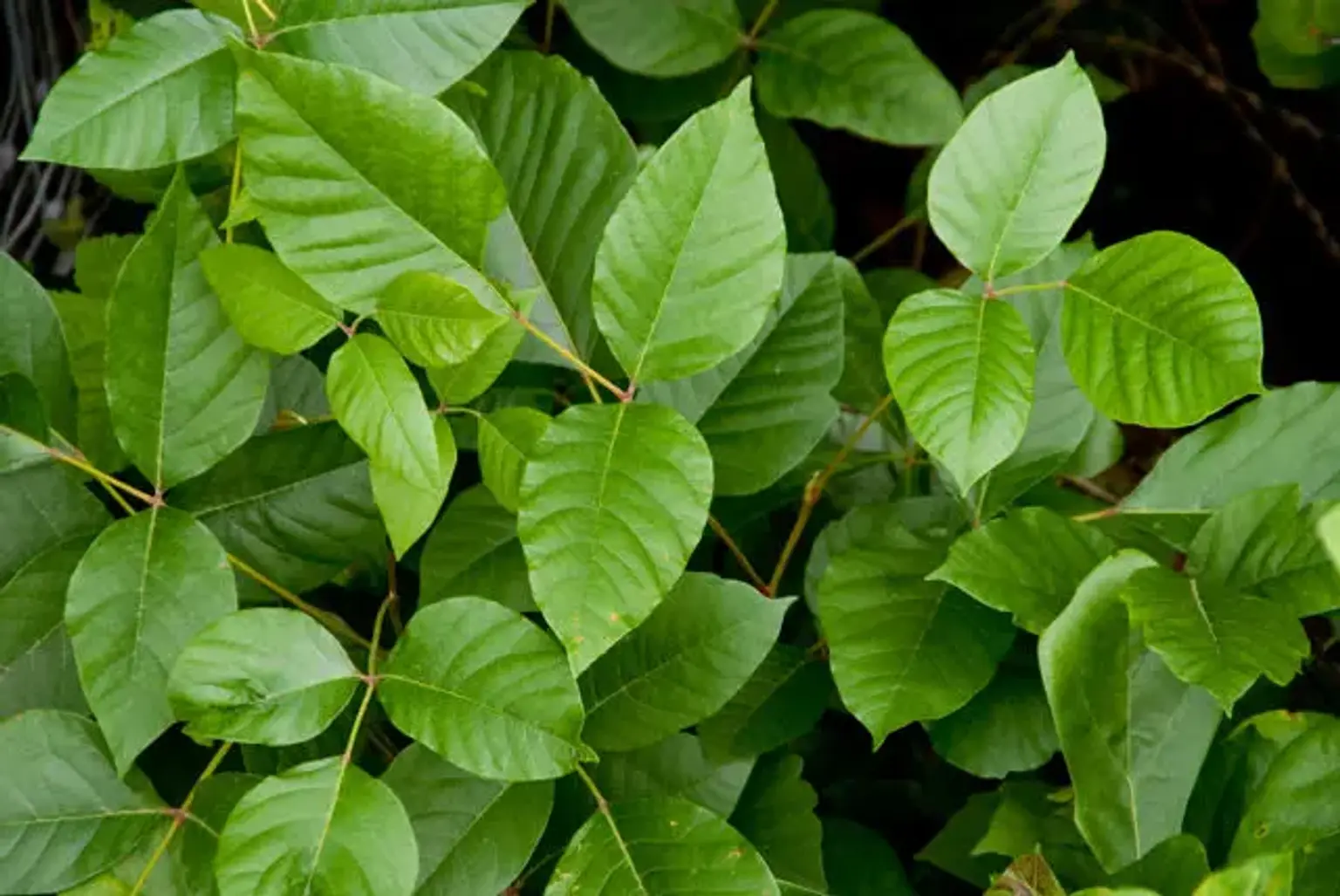
what-exactly-is-a-poison-ivy-rashA poison ivy rash is a form of allergic contact dermatitis caused by an oily resin called urushiol. This oil is found in the leaves, stems, and roots of poison ivy, poison oak, and poison sumac plants. When urushiol touches the skin, it triggers an allergic reaction in most people, resulting in a characteristic itchy, blistering rash. The reaction is not an infection but an immune system response to the foreign substance.
What are the First Signs and Symptoms of Poison Ivy?
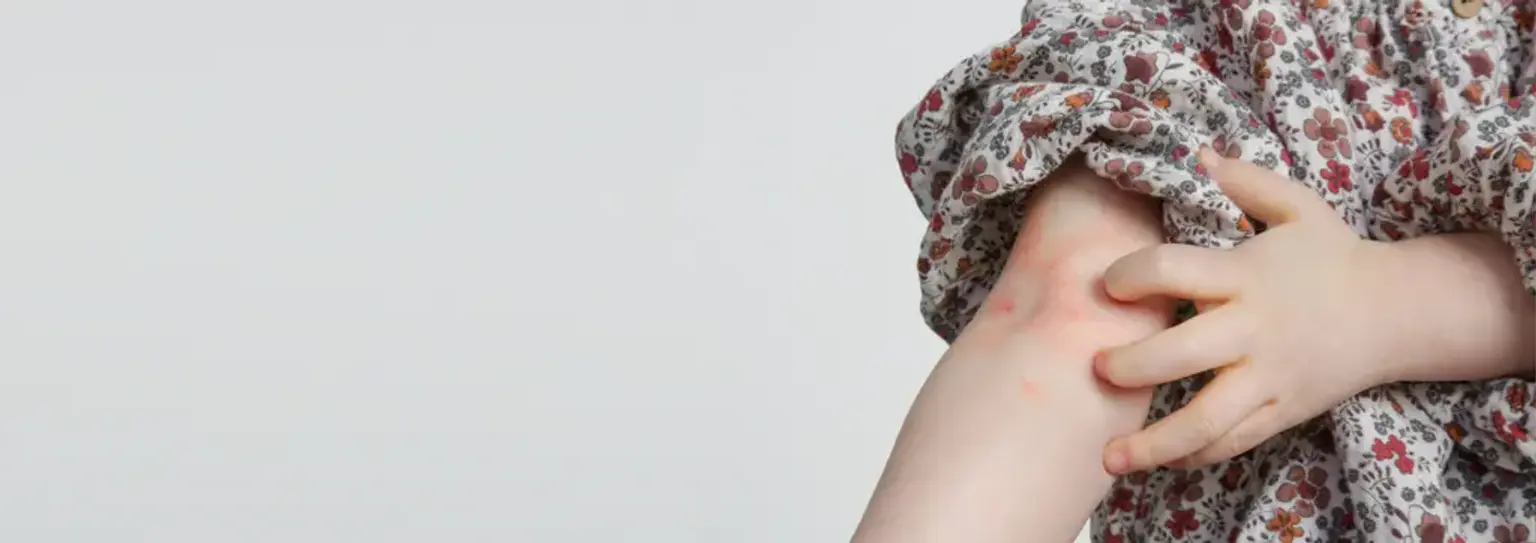
what-are-the-first-signs-and-symptoms-of-poison-ivyThe first sign of a poison ivy rash is typically intense itching and redness in the area that came into contact with the plant's urushiol oil.
Symptoms usually appear within 12 to 72 hours after exposure but can manifest as early as four hours or as late as ten days. The severity of the reaction depends on individual sensitivity and the amount of urushiol that contacts the skin.
Key signs and symptoms include:
Intense Itching: This is often the first and most distressing symptom.
Redness and Swelling: The affected skin becomes red and swollen.
Bumps and Blisters: Red bumps or larger fluid filled blisters emerge. These may appear in streaks or lines, mapping where the plant brushed against the skin.
Weeping Fluid: The blisters may break open and ooze a clear or yellowish fluid. This fluid is not contagious and does not contain urushiol.
Crusting: As the blisters dry, they form a crust before healing.
How long does a poison ivy rash last?
how-long-does-a-poison-ivy-rash-lastA poison ivy rash typically lasts from one to three weeks without treatment. The first sentence to answer is: With proper care, most poison ivy rashes resolve within two to three weeks. The duration can vary based on the severity of the rash and the person's sensitivity. Mild cases may clear up faster, while severe cases, especially those with extensive blistering or affecting sensitive areas like the face or genitals, may last longer and require medical intervention.
How is a Poison Ivy Rash Diagnosed?
how-is-a-poison-ivy-rash-diagnosedA poison ivy rash is almost always diagnosed based on a physical examination and the patient's history. A dermatologist or primary care physician can identify the rash by its characteristic appearance the linear streaks, redness, and blistering. The doctor will ask about recent outdoor activities, such as hiking, gardening, or yard work, to confirm likely exposure to poison ivy, oak, or sumac. In most cases, no special tests are needed for a definitive diagnosis.
What are the Most Effective Treatments for Poison Ivy?
what-are-the-most-effective-treatments-for-poison-ivyTreatment for poison ivy focuses on relieving symptoms like itching and inflammation and allowing the skin to heal. Options range from simple at home care for mild rashes to prescription medications for severe reactions.
At-Home and Over-the-Counter Care
at-home-and-over-the-counter-careFor mild to moderate rashes, the following can provide significant relief:
Cool Compresses: Applying cool, wet compresses to the affected areas for 15-30 minutes several times a day can soothe itching and reduce inflammation.
Calamine Lotion or Hydrocortisone Cream: Applying over the counter calamine lotion or 1% hydrocortisone cream can help calm the itch.
Oatmeal Baths: Soaking in a cool or lukewarm colloidal oatmeal bath can provide widespread itch relief.
Oral Antihistamines: Pills like diphenhydramine can help reduce itching, especially at night, but they do not speed up the healing of the rash itself.
Medical and Prescription Treatments
medical-and-prescription-treatmentsFor severe, widespread, or persistent rashes, a doctor may prescribe stronger treatments:
Topical Corticosteroids: Prescription strength steroid creams are more potent than over the counter versions and are effective at reducing inflammation.
Oral Corticosteroids: For severe reactions, especially those involving the face, genitals, or large areas of the body, a doctor may prescribe oral steroids like prednisone. It is critical to complete the full course of medication as prescribed to prevent the rash from rebounding.
Antibiotics: If the blisters become infected from scratching, a doctor will prescribe antibiotics to treat the secondary bacterial infection.
"I didn't realize what it was at first, just a few itchy spots on my arm after gardening. Within two days, it was a full-blown nightmare of weeping blisters and an itch that felt deep under my skin. Getting a prescription steroid cream from my doctor was the only thing that finally brought relief and stopped the misery." – an anonymous patient, United States.
Is poison ivy contagious to others?
is-poison-ivy-contagious-to-othersThe rash from poison ivy is not contagious from person to person. The first sentence to answer is: You cannot get poison ivy by touching someone else's rash or the fluid from their blisters. The blister fluid is a product of your body's immune response and does not contain urushiol.
However, the urushiol oil itself can be spread. You can develop a rash if you touch:
Contaminated Clothing: Urushiol can remain potent on clothing, tools, and pet fur for a long time.
Direct Contact: Touching the oil still present on another person's skin shortly after their exposure.
Airborne Particles: Burning poison ivy plants is extremely dangerous, as the urushiol can be carried in the smoke and inhaled, causing a severe reaction in the lungs and on the skin.
When Should You Go to the Doctor for Poison Ivy?
when-should-you-go-to-the-doctor-for-poison-ivyYou should see a doctor if your rash is severe or if you experience certain worrisome symptoms. Seek medical attention if:
The rash covers a large portion of your body (more than 25%).
The rash is on your face, eyes, lips, or genitals.
You have a fever over 100°F.
The blisters are oozing pus, which indicates a possible bacterial infection.
The itching is so severe that you cannot sleep.
The rash does not improve after a week of home care.
You have difficulty breathing, which is a medical emergency that can occur if you inhaled smoke from burning poison ivy.
Recommended Clinics with Dermatological Expertise in South Korea
recommended-clinics-with-dermatological-expertise-in-south-koreaFor any skin condition, from common rashes to complex dermatological issues, consulting with a specialist is key. The following clinics in South Korea are known for their advanced dermatological and aesthetic services. While they are renowned for cosmetic procedures, their dermatologists are equipped to diagnose and treat a wide range of skin conditions.
Website | Clinic Name | Best Known For | Address | Contact |
|---|---|---|---|---|
All-line Clinic | Lifting, Anti-aging, Body Contouring | Mapo-gu, Seoul, South Korea | ||
Plans Clinic | Lifting, Facial Contouring, Anti-aging | Gangnam-gu, Seoul, South Korea | ||
BLS Clinic | Lifting, Injectables, Laser Treatments | Gangnam-gu, Seoul, South Korea | ||
Natural Beauty Clinic | Plastic Surgery, Facial Contouring | Gangnam-gu, Seoul, South Korea | ||
Clinic Trinity Raffaello | Lifting, Body Contouring, Skin Rejuvenation | Gangnam-gu, Seoul, South Korea | ||
Cheongdam Oracle Dermatology Clinic | General Dermatology, Laser Treatments, Anti-aging | Gangnam-gu, Seoul, South Korea | ||
Oracle Clinic Cheongdam | General Dermatology, Lifting, Skin Boosters | Gangnam-gu, Seoul, South Korea | ||
Cheongdam Qbq Clinic | Lifting, Anti-aging Treatments | Gangnam-gu, Seoul, South Korea |
Advanced Dermatological & Aesthetic Procedures in South Korea
advanced-dermatological-and-aesthetic-procedures-in-south-koreaTop Korean clinics offer a vast array of cutting edge treatments for skin health, rejuvenation, and body contouring. Below is a list of popular procedures with estimated costs and details.
Treatment/Procedure Name | Treatment Duration | Hospitalization? | Avg Cost Range (USD) in S. Korea | Contact |
|---|---|---|---|---|
High Fat Dissolving Injection | 20-30 mins | Not Needed | $300 - $800 | |
Triple Body Injection | 30-45 mins | Not Needed | $400 - $900 | |
Titanium Lifting | 60-90 mins | Not Needed | $2,000 - $4,000 | |
Face Onda Lifting | 45-60 mins | Not Needed | $1,500 - $3,000 | |
Body Onda Lifting | 60-90 mins | Not Needed | $2,000 - $4,500 | |
Full Body Contouring | 2-6 months | Not Needed | $5,000 - $20,000 | |
Combination Skin Boosters | 45-60 mins | Not Needed | $500 - $1,200 | |
Jaw Botox | 10-15 mins | Not Needed | $150 - $400 | |
Calf Botox | 15-20 mins | Not Needed | $400 - $800 | |
Rejuran Healer | 30-45 mins | Not Needed | $400 - $700 | |
Vitaran | 30-45 mins | Not Needed | $350 - $650 | |
Juvelook | 45-60 mins | Not Needed | $600 - $1,000 | |
Skin Botox – Full Face | 30-45 mins | Not Needed | $400 - $800 | |
Abdomen Fat Dissolving Injection | 20-30 mins | Not Needed | $400 - $1,000 | |
Arm Fat Dissolving Injection | 20-30 mins | Not Needed | $300 - $700 | |
High Lower Body Fat Dissolving Injection | 30-45 mins | Not Needed | $500 - $1,200 | |
Face Fat Dissolving Injection | 20-30 mins | Not Needed | $250 - $600 | |
Thermage FLX | 60-90 mins | Not Needed | $2,000 - $3,500 | |
Ulthera | 60-90 mins | Not Needed | $1,800 - $3,200 | |
miraDry | 60-90 mins | Not Needed | $1,500 - $2,500 | |
Hydrogen Toning | 30-45 mins | Not Needed | $200 - $400 |
Common Questions About Poison Ivy
common-questions-about-poison-ivy1. How can I prevent a poison ivy rash?
1.-how-can-i-prevent-a-poison-ivy-rashThe best way to prevent a poison ivy rash is to avoid contact with the plant. Learn to identify poison ivy, oak, and sumac in your area. When in wooded or overgrown areas, wear long sleeves, long pants, boots, and gloves. After potential exposure, wash your skin immediately with soap and lukewarm water. Clean your fingernails thoroughly and wash any clothing or tools that may have touched the plant.
2. Does scratching the rash make it spread?
2.-does-scratching-the-rash-make-it-spreadNo, scratching a poison ivy rash does not cause it to spread to other parts of your body. The rash only appears where urushiol oil has touched the skin. A rash that seems to be spreading is often due to a delayed reaction in areas that received a smaller dose of urushiol or were contaminated later. However, scratching can break the skin and lead to a secondary bacterial infection.
3. Are some people immune to poison ivy?
3.-are-some-people-immune-to-poison-ivyYes, a small percentage of the population, around 10-15%, is not allergic to urushiol and will not develop a rash upon contact. However, sensitivity can change over time. Someone who has never reacted before may develop an allergy after repeated exposures.
4. What should I do if my pet gets into poison ivy?
4.-what-should-i-do-if-my-pet-gets-into-poison-ivyPets are generally not sensitive to urushiol, but the oil can stick to their fur and then transfer to you. If you suspect your pet has been in poison ivy, wear rubber gloves and give them a thorough bath with pet shampoo and water to wash the oil off their coat.
Take Control of Your Skin Health Today
take-control-of-your-skin-health-todayWhether you're dealing with an acute issue like a poison ivy rash or seeking advanced dermatological care, getting expert advice is the first step. The process can be seamless and transparent. Inquire about your skin concerns through CloudHospital for faster, customized assistance from top specialists. A dedicated Care Manager will support you through the entire process, from inquiry to post-recovery care. Start Your Confidential Inquiry and get a free personalized treatment plan.