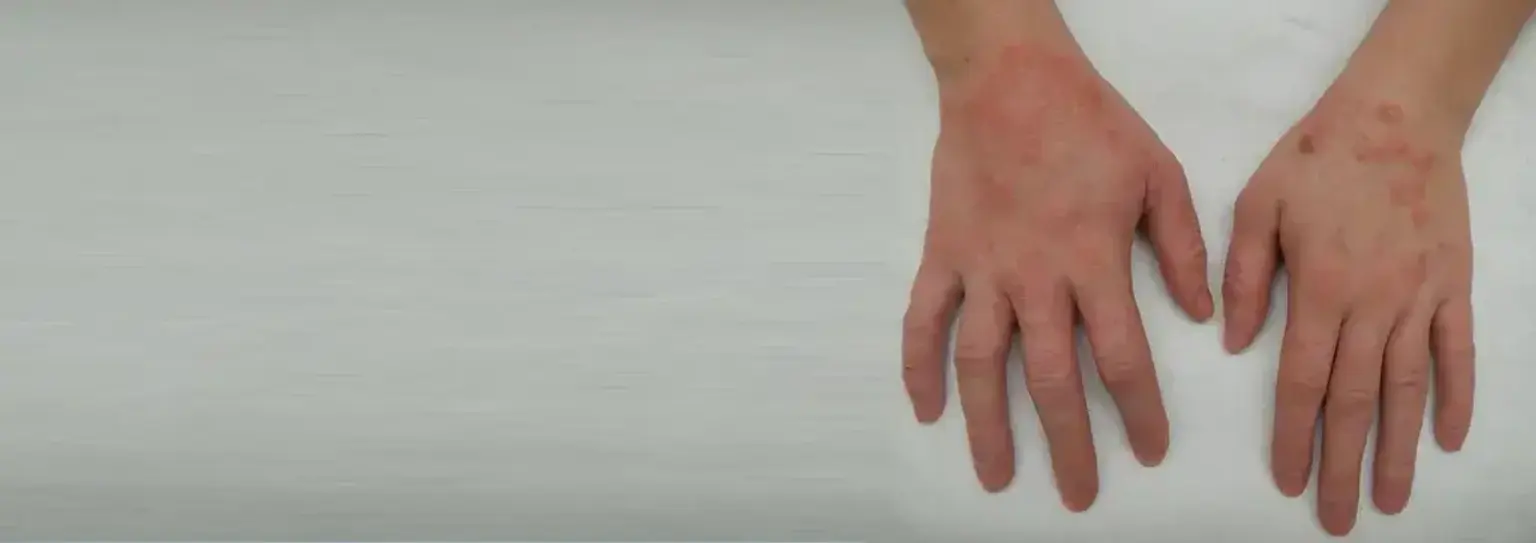

The clinical information regarding Recovery After Hemangioma Diagnosis and Treatment in Korea in this article has been rigorously verified against the latest guidelines from the American Academy of Dermatology (AAD) and primary research from databases like PubMed. This piece was reviewed for accuracy and patient-centric clarity and was last updated in May 2024.
Introduction
introductionA successful outcome following hemangioma diagnosis and treatment depends heavily on the care taken after the procedure. This guide will provide a comprehensive, step-by-step overview of the recovery process, from the first 24 hours to long-term management, to ensure a smooth and effective healing journey.
What Should I Expect in the First 48 Hours After Hemangioma Treatment?
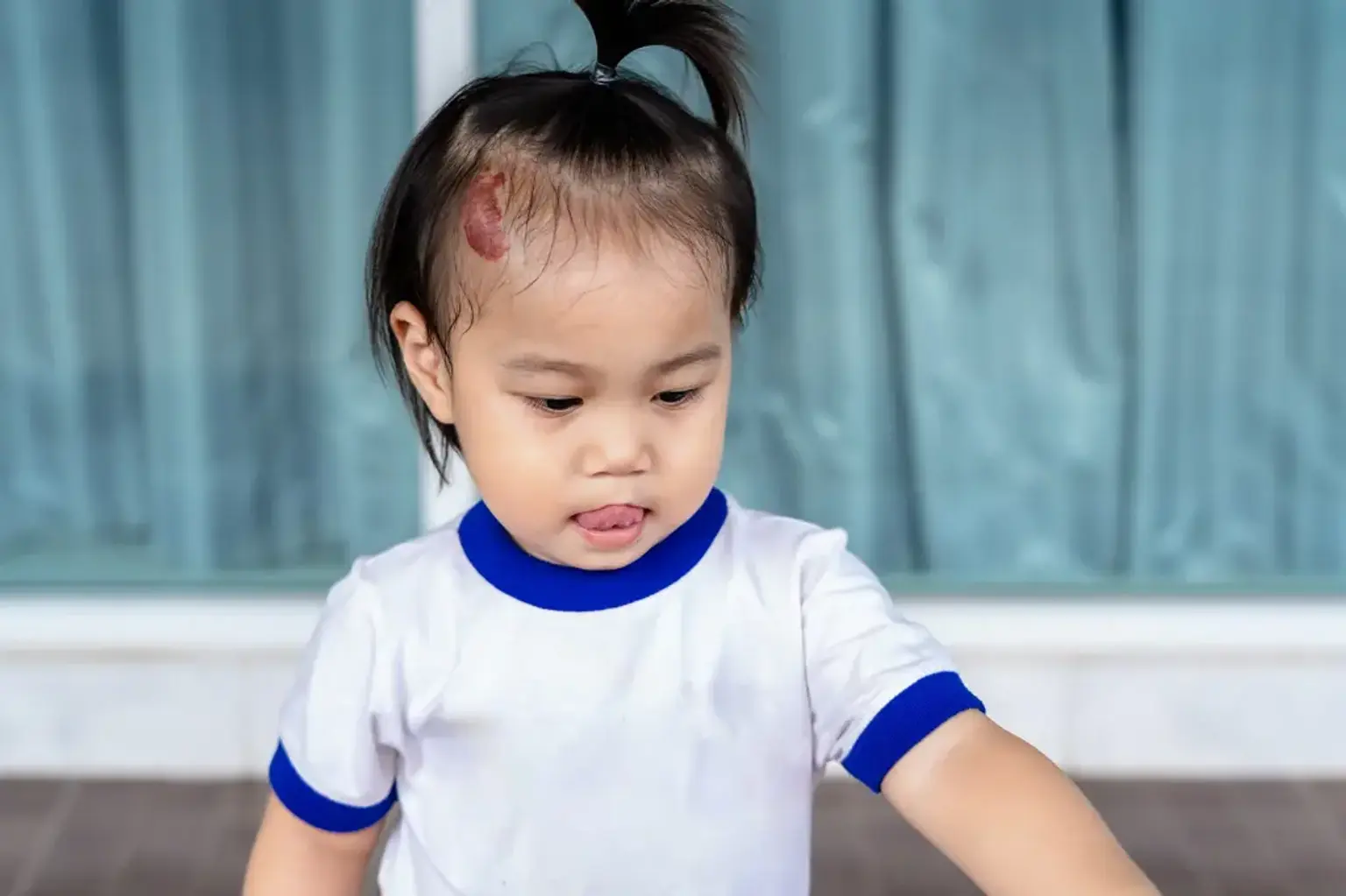
what-should-i-expect-in-the-first-48-hours-after-hemangioma-treatmentImmediately after hemangioma treatment, patients should expect initial discomfort, swelling, and possibly bruising at the treated site. Clinical staff will closely monitor vital signs, assess the treatment area for any immediate complications, and manage initial pain. Depending on the treatment type such as laser therapy, sclerotherapy, or surgical excision specific aftercare instructions will be provided. For instance, after laser treatment, the area might appear red or purplish, and a crust may form. Swelling is common, especially around facial hemangiomas, and often peaks within the first 24-48 hours. Patients might feel drowsy or nauseous if general anesthesia was used, requiring close supervision.
What is the Aftercare Timeline for the First Month After Hemangioma Treatment?
what-is-the-aftercare-timeline-for-the-first-month-after-hemangioma-treatmentThe first month of recovery involves critical healing and requires diligent aftercare.
Week 1: During the first week, the primary focus is wound care and managing initial side effects. If a dressing was applied, it would typically be changed as instructed, often daily. Swelling and bruising will be most prominent and will gradually begin to subside. Pain medication may be prescribed to manage discomfort. It is crucial to keep the treated area clean and dry, avoiding direct sun exposure and vigorous activities that could stress the healing site. For topical treatments like propranolol, consistent application is key.
Weeks 2-4: By weeks 2-4, most initial swelling and bruising should have significantly decreased. Any crusts or scabs from laser treatment will likely have fallen off, revealing new, sensitive skin underneath. Patients can typically resume light daily activities, but strenuous exercise or activities that put pressure on the treated area should still be avoided. Sun protection becomes even more critical to prevent post-inflammatory hyperpigmentation or hypopigmentation. Follow-up appointments are often scheduled within this period to assess healing progress and adjust aftercare instructions as needed.
How Do I Manage Common Side Effects Like Pain and Swelling After Hemangioma Treatment?
how-do-i-manage-common-side-effects-like-pain-and-swelling-after-hemangioma-treatmentManaging common post-treatment side effects is crucial for comfort and optimal healing.
Pain and Discomfort: Mild to moderate pain is common after most hemangioma treatments. This can typically be managed with over-the-counter pain relievers like acetaminophen or ibuprofen, as advised by your doctor. For more intense pain, especially after surgical excision, prescription pain medication may be provided. Applying a cold compress indirectly wrapped in a cloth to the treated area can also help numb the site and reduce inflammation.
Swelling and Bruising: Elevating the treated area, especially for facial hemangiomas, can significantly reduce swelling. Cold compresses, applied for 15-20 minutes at a time, several times a day, are effective for the first 48 hours. Bruising will naturally resolve over several weeks, gradually changing from purplish-red to greenish-yellow before fading. Avoiding blood-thinning medications if medically safe to do so before and after the procedure can also minimize bruising.
Skin Discoloration/Scarring: Some temporary skin discoloration or changes in texture are possible. Protecting the area from the sun is paramount to prevent permanent pigmentation changes. For surgical sites, proper wound care minimizes scarring. Your dermatologist may recommend silicone sheets or gels once the wound has closed to improve scar appearance.
What Long-Term Care is Needed to Maintain My Hemangioma Treatment Results?
what-long-term-care-is-needed-to-maintain-my-hemangioma-treatment-resultsLong-term care is essential to ensure the best possible aesthetic and functional outcomes and to monitor for any recurrence.
Activity and Exercise: Most normal activities can be resumed gradually after the initial recovery period typically 4-6 weeks. However, any activities that put excessive strain on the treated area, especially if it was a large or deep hemangioma, should be approached cautiously. Your doctor will provide specific guidance based on your individual case.
Sun Protection: Protecting the treated area from the sun is a lifelong commitment, particularly for skin that has undergone laser therapy or surgical removal. Use a broad-spectrum sunscreen with an SPF of 30 or higher daily, wear protective clothing, and seek shade during peak sun hours. This prevents pigment changes and protects delicate new skin.
Follow-Up Appointments: Regular follow-up appointments are critical. These allow your dermatologist to monitor the long-term results, check for any signs of recurrence, address any evolving concerns, and provide ongoing guidance. The frequency of these appointments will decrease over time but are vital for comprehensive long-term management.
Patient Story: "After my hemangioma was treated in Seoul, the detailed aftercare instructions and the kindness of the nursing staff made all the difference. I felt truly cared for throughout the entire healing process, which allowed me to focus on getting better without worry." – An anonymous patient, Australia.
Recommended Clinics with Relevant Expertise in South Korea
recommended-clinics-with-relevant-expertise-in-south-koreaWebsite | Clinic Name | Best Known For | Address | Contact |
|---|---|---|---|---|
Plans Clinic | Advanced Dermatology & Anti-Aging Treatments | Gangnam-gu, Seoul, South Korea | ||
Natural Beauty Clinic | Skin Rejuvenation & Non-Invasive Aesthetics | Gangnam-gu, Seoul, South Korea | ||
Clinic Trinity Raffaello | Specialized Aesthetic & Regenerative Dermatology | Gangnam-gu, Seoul, South Korea | ||
Oracle Clinic Cheongdam | Advanced Skin Care & Laser Treatments | Gangnam-gu, Seoul, South Korea | ||
Cheongdam Qbq Clinic | Focused on Dermatology & Aesthetic Solutions | Gangnam-gu, Seoul , South Korea | ||
Three Wishes Dermatology Clinic | Advanced Skin Care & Laser Treatments | Mapo-gu, Seoul, South Korea | ||
Wonjin Beauty Medical Center | Advanced Dermatology & Anti-Aging Treatments | Seocho-gu, Seoul, South Korea | ||
Cheongdam Oracle Dermatology Clinic | Extensive Dermatology, Laser & Aesthetic Procedures | Gangnam-gu, Seoul, South Korea |
Recommended Treatment/Procedure Names with Average Costs in South Korea
recommended-treatmentprocedure-names-with-average-costs-in-south-koreaTreatment/Procedure Name | Duration | Hospitalization | Avg Cost Range (USD) in S. Korea | Contact |
|---|---|---|---|---|
High Fat Dissolving Injection | 30-60 mins | Not Needed | $300 - $800 | |
Triple Body Injection | 30-60 mins | Not Needed | $400 - $1000 | |
Titanium Lifting | 60-90 mins | Not Needed | $1000 - $3000 | |
Face Onda Lifting | 45-60 mins | Not Needed | $800 - $2500 | |
Body Onda Lifting | 60-90 mins | Not Needed | $1200 - $3500 | |
Full Body Contouring | 2-5 hours | Needed (1-2 days) | $5000 - $15000 | |
Combination Skin Boosters | 30-45 mins | Not Needed | $500 - $1500 | |
Jaw Botox | 15-20 mins | Not Needed | $200 - $500 |
What Other Questions Do Patients Have About Hemangioma Recovery?
what-other-questions-do-patients-have-about-hemangioma-recoveryThis section addresses the most common practical questions patients have about their day-to-day life during recovery.
1. When can I safely return to work or school after hemangioma treatment?
1.-when-can-i-safely-return-to-work-or-school-after-hemangioma-treatmentThe return to work or school depends on the size and location of the hemangioma, the treatment method, and the nature of your job. For small, non-facial hemangiomas treated with laser or sclerotherapy, many can return to light duties within a few days. Surgical removal of larger hemangiomas, especially on the face, might require 1-2 weeks off for initial healing and to allow swelling and bruising to subside. Always consult your doctor for personalized advice.
2. How should I care for the treated area during bathing and showering?
2.-how-should-i-care-for-the-treated-area-during-bathing-and-showeringFor the first 24-48 hours after treatment, you may be advised to keep the treated area completely dry. After this, gentle washing with mild soap and water is usually permitted. Avoid scrubbing, harsh chemicals, or very hot water directly on the site. Pat the area dry with a clean, soft towel rather than rubbing. If dressings are present, ensure they remain clean and dry or change them as instructed after showering.
3. Is it normal to experience itching or tingling during hemangioma healing?
3.-is-it-normal-to-experience-itching-or-tingling-during-hemangioma-healingYes, itching, tingling, or a sensation of tightness are common as the treated area heals. This is often a sign of nerve regeneration and tissue repair. Avoid scratching, which can disrupt healing and potentially introduce infection. Over-the-counter hydrocortisone cream or prescribed topical agents may be recommended by your doctor to alleviate severe itching. Persistent or worsening itching should be reported to your clinic.
4. What dietary considerations are important during hemangioma recovery?
4.-what-dietary-considerations-are-important-during-hemangioma-recoveryWhile there are no strict dietary restrictions specific to hemangioma recovery, maintaining a healthy, balanced diet rich in protein, vitamins, and minerals supports overall healing. Staying well-hydrated is also crucial. Avoiding excessive alcohol and smoking is highly recommended, as both can impair healing and increase the risk of complications.
5. Can hemangiomas reappear after successful treatment?
5.-can-hemangiomas-reappear-after-successful-treatmentWhile treatment aims for complete resolution, there is a small possibility of recurrence, especially for certain types of hemangiomas or if treatment was not fully comprehensive. Your doctor will monitor for this during follow-up appointments. Promptly report any new or returning lesions to your dermatologist for evaluation.
What Are the Best Tips for a Smooth Hemangioma Recovery?
what-are-the-best-tips-for-a-smooth-hemangioma-recoveryOptimizing your recovery environment and practices can significantly contribute to a smoother healing process.
Preparing your recovery space at home: Ensure you have a comfortable, clean, and quiet space to rest. Keep necessary medications, wound care supplies, and entertainment within easy reach. Arrange for help with daily tasks if the hemangioma's location or your treatment makes movement difficult.
The role of nutrition and hydration: A diet rich in fruits, vegetables, lean proteins, and whole grains provides the essential nutrients for tissue repair. Ample water intake helps maintain overall health and supports cellular function during healing.
Leveraging your support system: Having a strong support system can alleviate stress and assist with practical needs. Do not hesitate to ask for help with errands, meal preparation, or simply for emotional support during your recovery.
What Warning Signs Require a Call to My Doctor?
what-warning-signs-require-a-call-to-my-doctorPromptly contacting your doctor for any concerning symptoms is critical to prevent complications.
Signs of infection: Increasing redness, warmth, swelling, pus discharge, or a fever higher than 100.4°F (38°C).
Excessive bleeding: Any significant bleeding that saturates dressings quickly or doesn't stop with gentle pressure.
Severe or worsening pain: Pain that is not relieved by prescribed medication or is rapidly intensifying.
Allergic reaction: Hives, rash, difficulty breathing, or severe itching around the treated area.
Any other concerning symptoms: If you notice anything unusual or are significantly worried about your recovery, contact your clinic.
Achieve Lasting Clarity: Start Your Hemangioma Recovery Journey Now!
achieve-lasting-clarity:-start-your-hemangioma-recovery-journeyEmbark on your path to lasting clarity and well-being after hemangioma treatment in Korea. Our partner clinics offer world-class expertise and compassionate care tailored to your unique needs. Get a Free Personalized Treatment Plan and experience a seamless, transparent process with a dedicated Care Manager like CloudHospital providing end-to-end support, from your initial inquiry to post-recovery care. And Start Your Confidential Inquiry today.