

The clinical information regarding Sclerotherapy in this article has been rigorously verified against the latest guidelines from the American Academy of Dermatology (AAD) and primary research from databases like PubMed. This piece was reviewed for accuracy and patient-centric clarity and was last updated in October 2023.
Introduction
introductionSpider veins, the small, web-like clusters of red, blue, or purple veins that appear on the skin's surface, are a common cosmetic concern. While typically harmless, they can cause individuals to feel self-conscious about their appearance. Sclerotherapy is a leading medical procedure in dermatology designed to effectively eliminate these veins. This comprehensive guide provides a detailed examination of the procedure, from its mechanism to recovery, for individuals considering this highly effective treatment.
How Does Sclerotherapy Work to Eliminate Spider Veins?
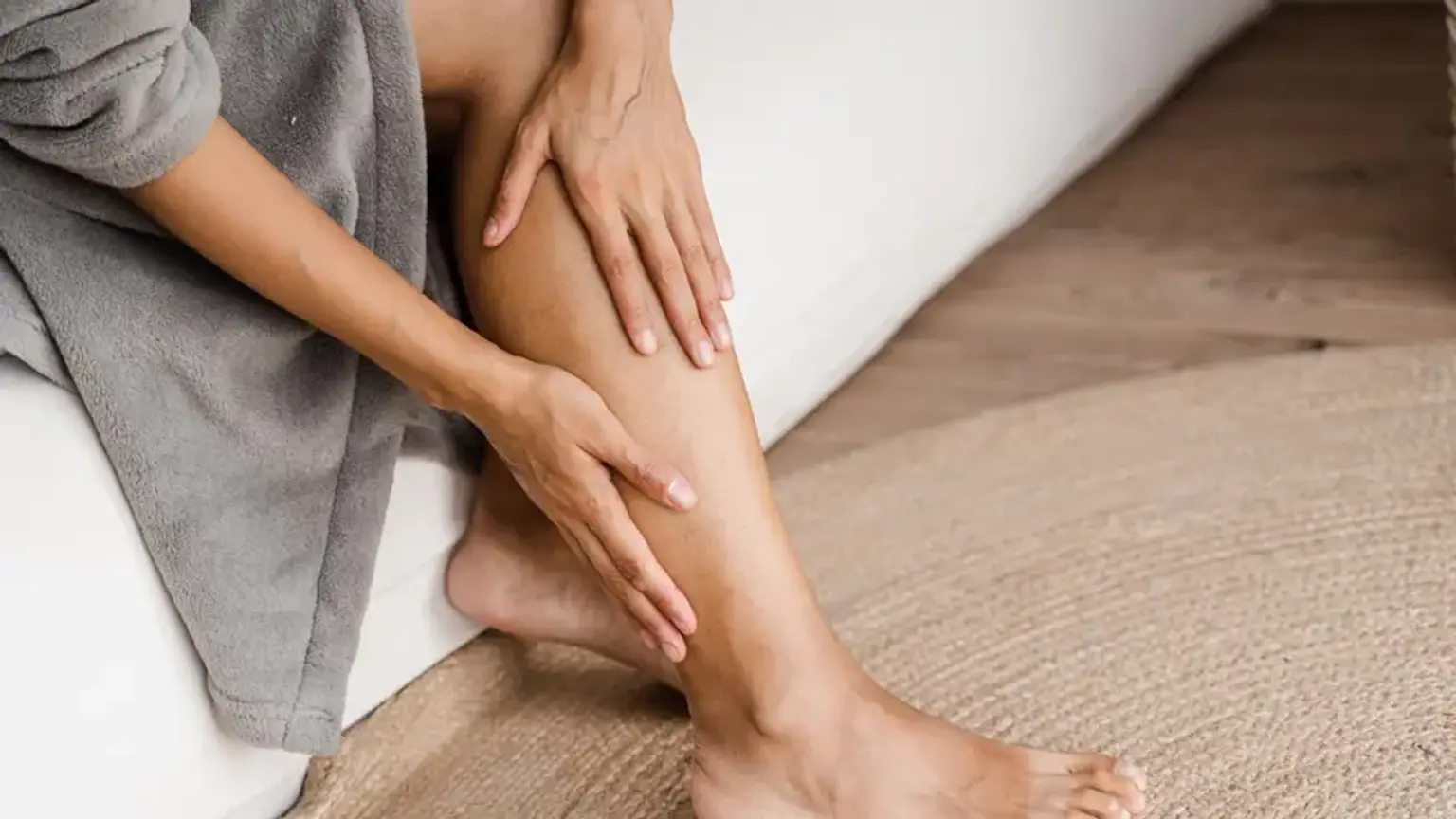
how-does-sclerotherapy-work-to-eliminate-spider-veinsSclerotherapy works by injecting a specialized chemical solution, known as a sclerosant, directly into the targeted spider vein. This solution irritates the inner lining of the blood vessel, causing it to swell, stick together, and eventually collapse. Once the vein has collapsed, it can no longer hold blood, and the flow is naturally rerouted to healthier veins nearby. Over the following weeks, the collapsed vein is reabsorbed by the body and fades from view, resulting in clearer, more even-toned skin. The procedure is considered the gold standard for treating spider veins telangiectasias and small varicose veins.
What are the Key Benefits of Sclerotherapy?
what-are-the-key-benefits-of-sclerotherapySclerotherapy offers significant, visible improvements for patients. The primary benefits include:
High Efficacy: The treatment has a proven track record of successfully eliminating or dramatically reducing the appearance of treated veins. Many patients see a 60% to 80% improvement after a course of treatment.
Minimally Invasive: It is an office-based procedure that requires no major incisions, no general anesthesia, and minimal downtime.
Quick Procedure: A typical session lasts only 15 to 45 minutes, depending on the number and size of the veins being treated.
Cosmetic Improvement: It effectively clears the skin of unwanted spider veins, boosting confidence and allowing patients to feel more comfortable with their appearance.
Symptom Relief: For individuals who experience symptoms like aching, burning, or swelling associated with their veins, sclerotherapy can provide significant relief.
Who is a Good Candidate for Sclerotherapy?
who-is-a-good-candidate-for-sclerotherapyA good candidate for sclerotherapy is an individual in good overall health who wishes to cosmetically improve the appearance of spider veins or small varicose veins. Ideal candidates typically have:
Visible spider veins telangiectasias or small, superficial reticular veins.
Realistic expectations about the outcome of the procedure.
No history of blood clotting disorders or deep vein thrombosis (DVT), unless cleared by a specialist.
The ability to commit to post-procedure care, including wearing compression stockings.
Individuals who are not pregnant or breastfeeding. A consultation with a dermatologist or vascular specialist is essential to confirm candidacy.
What are the Risks and Side Effects of Sclerotherapy?
what-are-the-risks-and-side-effects-of-sclerotherapySclerotherapy is a very safe procedure, but like any medical treatment, it carries potential side effects and risks. These are generally mild and temporary.
Common, Temporary Side Effects:
Bruising, redness, or small sores at the injection site.
Raised, red areas that typically resolve within a few days.
Hyperpigmentation darkened skin along the treated vein, which usually fades over several months.
Temporary tiny new blood vessels, a phenomenon known as matting, which often resolves on its own.
Less Common but More Serious Risks:
Allergic reaction to the sclerosant solution.
Inflammation phlebitis of the treated vessel.
Blood clots, though this is rare when treating small surface veins.
Skin ulceration if the solution is improperly injected.
Choosing an experienced, board-certified provider significantly minimizes these risks.
What Are the Steps of the Sclerotherapy Procedure?
what-are-the-steps-of-the-sclerotherapy-procedureThe patient journey for sclerotherapy is straightforward and can be broken down into three main phases.
Before the Procedure: Consultation and Preparation
before-the-procedure:-consultation-and-preparationYour journey begins with a detailed consultation. The dermatologist will examine your veins, review your medical history, and discuss your goals to confirm you are a suitable candidate. You will be instructed to avoid certain medications like aspirin or anti-inflammatory drugs and to refrain from applying any lotion to your legs on the day of the procedure.
During the Procedure: What Happens in the Clinic
during-the-procedure:-what-happens-in-the-clinicYou will lie down comfortably with your legs slightly elevated. The skin over the treatment area will be cleansed with an antiseptic solution. Using a very fine needle, the dermatologist will inject the sclerosant solution directly into the targeted spider veins. You may feel a mild prick and a slight burning sensation as the solution enters the vein. The provider will work methodically, treating multiple veins in a single session, which typically lasts between 15 and 45 minutes.
Immediately After the Procedure: The Initial Recovery Phase
immediately-after-the-procedure:-the-initial-recovery-phaseOnce the injections are complete, the provider may apply compression and massage the area to help disperse the solution. You will be fitted with compression stockings, which are crucial for the healing process. You can walk and resume most normal activities immediately after leaving the clinic.
"The compression stockings were a bit of a nuisance for the first few days, but seeing the spider veins fade away completely over the next month was absolutely worth it. My legs haven't looked this clear in years." – An anonymous patient, USA.
What is the Recovery Timeline for Sclerotherapy?
what-is-the-recovery-timeline-for-sclerotherapyThe recovery timeline for sclerotherapy is quick, with most instructions focused on maximizing the treatment's effectiveness.
First 24-72 Hours: You will be required to wear compression stockings continuously to help seal the treated veins. Walking is encouraged to promote healthy blood flow.
First 1-2 Weeks: Continue wearing compression stockings as advised by your doctor often during the day. Avoid strenuous exercise, hot baths, saunas, and direct sun exposure on the treated areas.
2-6 Weeks: Bruising and redness will fade. The treated veins will begin to harden and be absorbed by the body. You will notice a gradual but significant fading of the veins.
1-3 Months: The final results become apparent as the veins are fully reabsorbed and disappear. For complete clearance, some patients may require a follow-up session after 4-6 weeks.
How Long Do Sclerotherapy Results Last?
how-long-do-sclerotherapy-results-lastThe results of sclerotherapy are considered permanent, as the treated veins are destroyed and will not reappear. However, the procedure does not prevent the formation of new spider veins in the future. Genetics, lifestyle, and hormonal factors can contribute to the development of new veins over time. Many patients have periodic maintenance treatments every few years to keep their legs clear.
Recommended Clinics with Relevant Expertise in South Korea
recommended-clinics-with-relevant-expertise-in-south-koreaSouth Korea is a global leader in dermatology and aesthetic procedures, offering high-quality care with advanced technology. Here are some top clinics known for their expertise in skin and body treatments.
Website | Clinic Name | Best Known For | Address | Contact |
|---|---|---|---|---|
All-line Clinic | Body Contouring & Fat Dissolving | Mapo-gu, Seoul, South Korea | ||
Plans Clinic | Lifting, Anti-aging, Body Contouring | Gangnam-gu, Seoul , South Korea | ||
BLS Clinic | Lifting (Ulthera, Thermage), Botox & Fillers | Gangnam, Seoul, South Korea | ||
Natural Beauty Clinic | Plastic Surgery (Eyes, Nose) & Anti-Aging | Gangnam-gu, Seoul , South Korea | ||
Clinic Trinity Raffaello | Lifting, Body Contouring, Skin Care, Fat Graft | Gangnam-gu, Seoul , South Korea | ||
Cheongdam Oracle Dermatology Clinic | Comprehensive Dermatology & Laser Treatments | Gangnam-gu, Seoul, South Korea | ||
Oracle Clinic Cheongdam | Dermatology, Anti-aging, Laser Treatments | Gangnam-gu, Seoul, South Korea | ||
Cheongdam Qbq Clinic | Lifting, Fat Dissolving, Skin Boosters | Gangnam-gu, Seoul , South Korea |
Recommended Treatment/Procedure Names with Average Costs in South Korea
recommended-treatmentprocedure-names-with-average-costs-in-south-koreaThe following table outlines various popular aesthetic treatments available in South Korea, providing an estimate of their duration, need for hospitalization, and average cost.
Treatment/Procedure Name | Treatment Duration | Hospitalization? | Avg Cost Range (USD) in S. Korea | Contact |
|---|---|---|---|---|
High Fat Dissolving Injection | 20-30 mins | Not Needed | $400 - $800 | |
Triple Body Injection | 30-45 mins | Not Needed | $500 - $1,000 | |
Titanium Lifting | 60-90 mins | Not Needed | $1,500 - $3,000 | |
Face Onda Lifting | 30-45 mins | Not Needed | $800 - $1,500 | |
Body Onda Lifting | 45-60 mins | Not Needed | $1,000 - $2,000 | |
Full Body Contouring | 2-4 hours | Not Needed | $3,000 - $8,000 | |
Combination Skin Boosters | 45-60 mins | Not Needed | $500 - $1,200 | |
Jaw Botox | 10-15 mins | Not Needed | $200 - $400 | |
Calf Botox | 15-20 mins | Not Needed | $400 - $700 | |
Rejuran Healer | 30-45 mins | Not Needed | $350 - $600 | |
Vitaran | 30-45 mins | Not Needed | $300 - $550 | |
Juvelook | 45-60 mins | Not Needed | $450 - $800 | |
Skin Botox – Full Face | 30-45 mins | Not Needed | $400 - $750 | |
Abdomen Fat Dissolving Injection | 20-30 mins | Not Needed | $400 - $800 | |
Arm Fat Dissolving Injection | 20-30 mins | Not Needed | $300 - $600 | |
High Lower Body Fat Dissolving Injection | 30-45 mins | Not Needed | $600 - $1,200 | |
Face Fat Dissolving Injection | 15-20 mins | Not Needed | $250 - $500 | |
Mirajet Needle-Free Injector | 30-60 mins | Not Needed | $600 - $1,200 | |
Lizne | 30-45 mins | Not Needed | $350 - $600 | |
Thermage FLX | 60-90 mins | Not Needed | $1,800 - $3,500 | |
Shurink | 30-45 mins | Not Needed | $400 - $800 | |
Inmode | 30-60 mins | Not Needed | $600 - $1,500 | |
Ulthera | 60-90 mins | Not Needed | $2,000 - $4,000 | |
Scar & Pore Laser | 30-60 mins | Not Needed | $300 - $900 | |
Pigmentation & Whitening | 30-60 mins | Not Needed | $250 - $700 | |
miraDry | 60-90 mins | Not Needed | $1,500 - $2,500 |
Frequently Asked Questions (FAQs) about Sclerotherapy
frequently-asked-questions-(faqs)-about-sclerotherapy1. Is the sclerotherapy procedure painful?
1.-is-the-sclerotherapy-procedure-painfulThe procedure is generally well-tolerated. Patients report a small pinprick from the fine needle and a mild, temporary burning or cramping sensation as the sclerosant is injected. Discomfort is minimal and subsides very quickly. No anesthesia is required.
2. How many sclerotherapy sessions will I need?
2.-how-many-sclerotherapy-sessions-will-i-needThe number of sessions depends on the quantity and size of the veins being treated. While some patients with very few spider veins may achieve their desired results in one session, most people require two to four sessions, spaced about 4-6 weeks apart, for optimal clearance.
3. Can sclerotherapy be used to treat large varicose veins?
3.-can-sclerotherapy-be-used-to-treat-large-varicose-veinsSclerotherapy is most effective for small to medium-sized veins, specifically spider veins and reticular veins. While it can be used for some smaller varicose veins, larger, bulging varicose veins often require different treatments like endovenous laser ablation EVLA or radiofrequency ablation.
4. What is the difference between sclerotherapy and laser vein treatment?
4.-what-is-the-difference-between-sclerotherapy-and-laser-vein-treatmentSclerotherapy uses a chemical solution to close veins, while laser treatments use light energy to heat and destroy them. Sclerotherapy is generally considered more effective for reticular veins and larger spider veins, whereas lasers can be excellent for the tiniest facial spider veins. An experienced dermatologist can determine the best approach for your specific needs.
5. When can I return to work after sclerotherapy?
5.-when-can-i-return-to-work-after-sclerotherapyYou can return to work and most daily activities immediately after the procedure. In fact, walking is encouraged. The main restriction is avoiding strenuous, high-impact exercise like running or heavy weightlifting for several days to a week, as advised by your doctor.
Clear Your Skin with Confidence: Inquire About Sclerotherapy Today
clear-your-skin-with-confidence:-inquire-about-sclerotherapy-todayTaking the step to treat spider veins is a decision to invest in your comfort and confidence. With a proven, minimally invasive procedure like sclerotherapy, clear and beautiful legs are within reach. The key is to seek treatment from experienced professionals who can guide you safely toward your desired results. For a seamless and transparent process, a confidential inquiry through a trusted platform can connect you with leading dermatology clinics in South Korea. You will be supported by a dedicated Care Manager for end-to-end assistance, from initial questions to post-procedure care. Start Your Confidential Inquiry through CloudHospital and receive a personalized treatment plan from top-tier specialists.