

The clinical information regarding Shingles (herpes zoster) in this article has been rigorously verified against the latest guidelines from the American Academy of Dermatology (AAD) and primary research from databases like PubMed. This piece was reviewed for accuracy and patient-centric clarity and was last updated in June 2024.
Introduction
introductionShingles, known clinically as herpes zoster, is a painful viral infection that causes a blistering rash. It is caused by the reactivation of the varicella-zoster virus, the same virus that causes chickenpox. An estimated one in three people in the United States will develop shingles in their lifetime. This guide offers a comprehensive, evidence-based overview for those seeking to understand the condition, manage its symptoms, and explore effective prevention strategies.
What is Shingles?
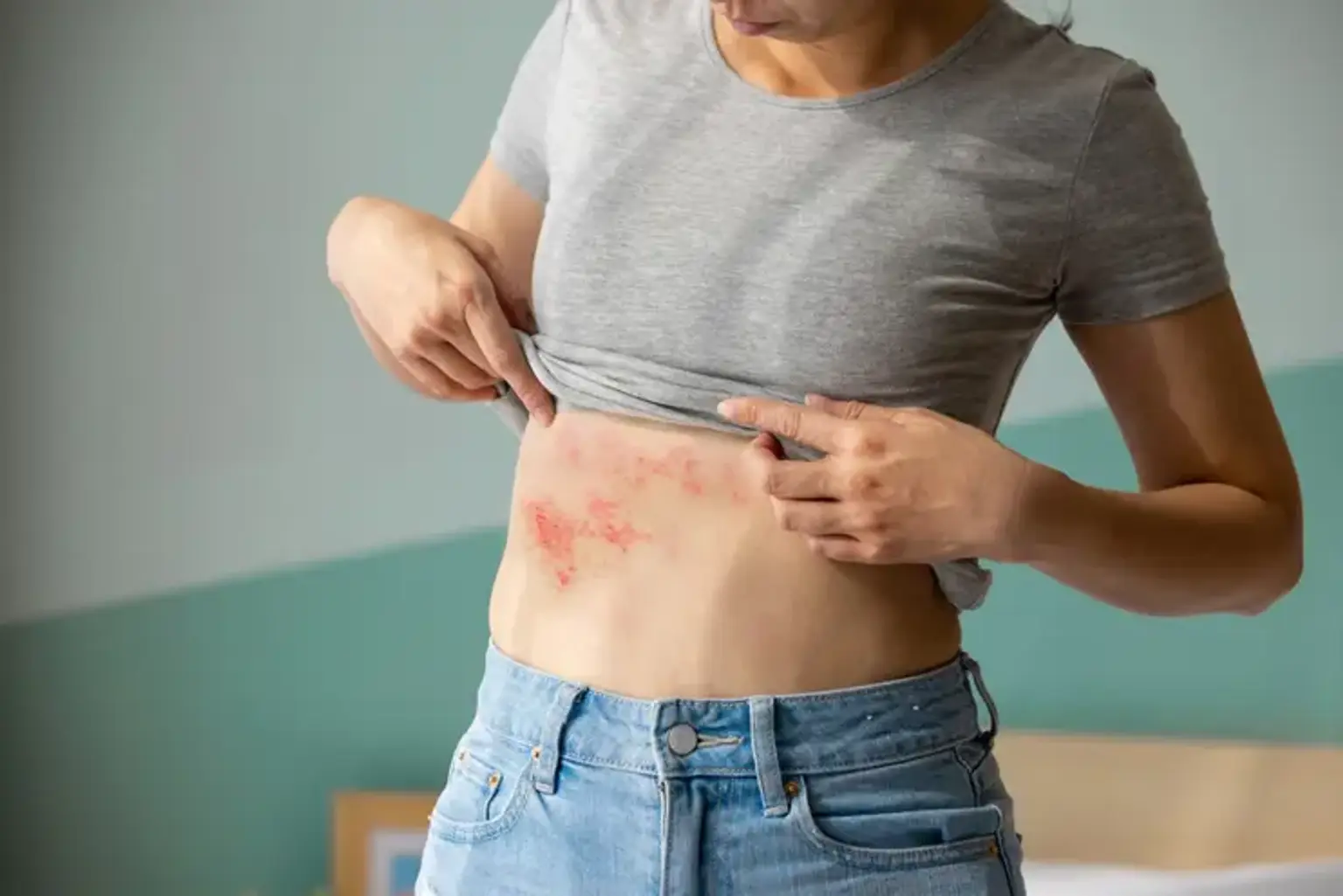
what-is-shinglesShingles is a neurological and dermatological condition resulting from the reactivation of the varicella-zoster virus (VZV). After a person recovers from chickenpox, the virus does not leave the body. Instead, it travels to nerve tissues near the spinal cord and brain, where it remains dormant. For reasons not fully understood, but often linked to a weakened immune system, the virus can reactivate years or even decades later. When it reactivates, it travels along nerve pathways to the skin, producing the characteristic shingles rash.
What are the Main Triggers for a Shingles Outbreak?
what-are-the-main-triggers-for-a-shingles-outbreakThe primary trigger for a shingles outbreak is a decline in the body's specific immunity to the varicella-zoster virus. While anyone who has had chickenpox can get shingles, certain factors significantly increase the risk of the virus reactivating.
Advancing Age: The risk of shingles increases sharply after age 50. This is the most significant risk factor, as the immune system naturally weakens with age.
Weakened Immune System (Immunocompromised): Conditions that weaken the immune system make it harder for the body to keep the virus dormant. This includes:
Cancers, particularly leukemia and lymphoma.
Human immunodeficiency virus (HIV).
Treatment with immunosuppressive drugs, such as steroids, or medications taken after an organ transplant.
Chemotherapy or radiation treatments for cancer.
Significant Physical or Emotional Stress: Periods of intense stress are thought to potentially suppress immune function, allowing the virus to reactivate.
Physical Trauma or Injury: In some cases, an injury to a specific area of the body has been anecdotally linked to a shingles outbreak in that same area.
What are the First Signs of Shingles?
what-are-the-first-signs-of-shinglesThe first symptoms of shingles are often felt before any rash appears. These prodromal symptoms typically occur in the specific area of skin, known as a dermatome, where the rash will eventually develop.
Localized Pain, Burning, or Tingling: This is the most common initial sign. The sensation can range from a mild itch or tingle to severe, stabbing, or burning pain on one side of the body.
Numbness or Oversensitivity to Touch: The affected skin may feel unusually sensitive.
General Malaise: Some people experience flu-like symptoms without a fever, such as chills, headache, fatigue, or an upset stomach.
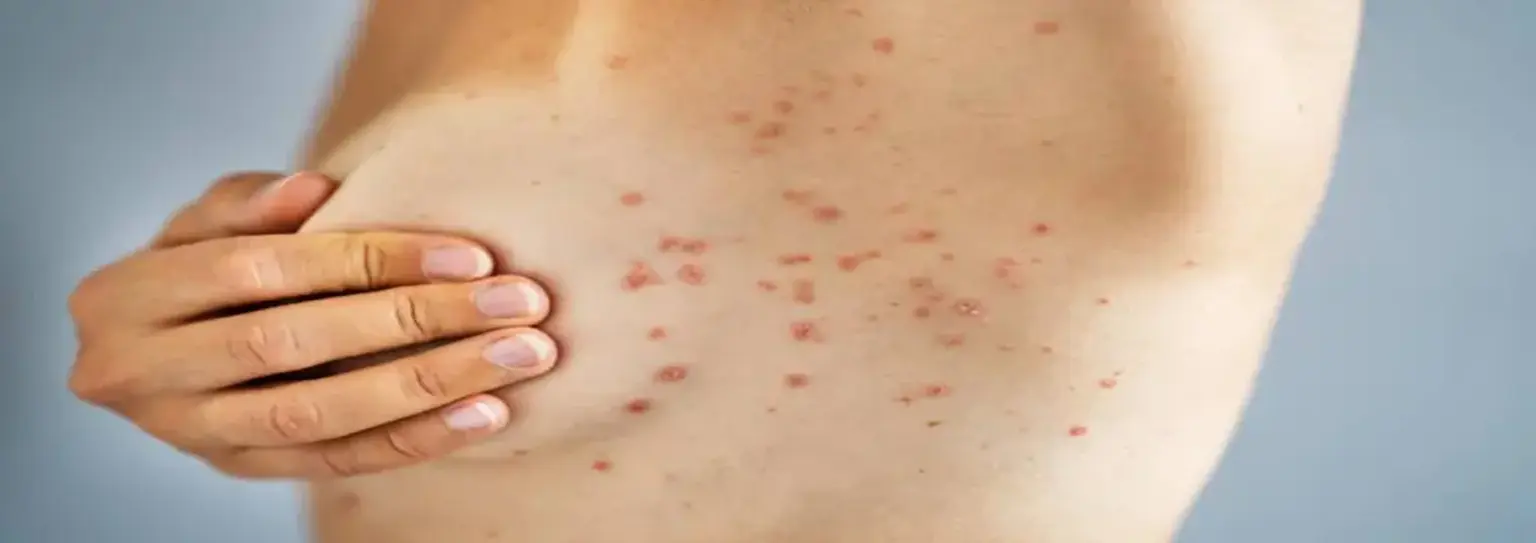
Within 1 to 5 days after these initial sensations begin, a red rash will appear in the same location. This rash quickly develops into fluid-filled blisters, similar in appearance to chickenpox.
How is Shingles Diagnosed?
how-is-shingles-diagnosedA shingles diagnosis is most often made through a physical examination of the rash and blisters. A healthcare provider can typically identify shingles based on its distinctive pattern and unilateral distribution along a dermatome.
In cases where the diagnosis is uncertain, particularly if a rash is not present a condition known as zoster sine herpete, a doctor may take a tissue scraping or a swab of fluid from the blisters. This sample is sent to a laboratory for a polymerase chain reaction (PCR) test to detect VZV DNA, confirming the diagnosis.
What is the Most Effective Treatment for Shingles Nerve Pain?
what-is-the-most-effective-treatment-for-shingles-nerve-painTreating shingles involves a multi-faceted approach focused on speeding recovery, reducing rash severity, and, crucially, managing pain, especially the persistent nerve pain known as postherpetic neuralgia (PHN).
Antiviral Medications: These are the cornerstone of shingles treatment and are most effective when started within 72 hours of the rash appearing. They help shorten the duration of the infection and reduce the risk of complications. Common prescriptions include:
Acyclovir
Valacyclovir
Famciclovir
Pain Relief Medications:
Over-the-counter pain relievers: Acetaminophen or ibuprofen can help with mild pain.
Nerve Pain Medications: For moderate to severe pain and to help prevent PHN, doctors often prescribe anticonvulsants like gabapentin or pregabalin.
Tricyclic Antidepressants: Medications like amitriptyline can be effective in managing nerve pain.
Topical Agents: Creams, gels, or patches containing capsaicin or lidocaine can provide localized relief.
Corticosteroids: In some cases, a short course of a steroid like prednisone may be prescribed alongside antiviral medication to reduce inflammation and pain, particularly in older patients.
How Can I Effectively Prevent Shingles?
how-can-i-effectively-prevent-shinglesThe most effective way to prevent shingles is through vaccination. The recommended vaccine is Shingrix.
The CDC recommends two doses of Shingrix, separated by 2 to 6 months, for adults 50 years and older. It is also recommended for adults 19 years and older who have a weakened immune system. Shingrix is a recombinant zoster vaccine and has been shown to be more than 90% effective at preventing shingles and PHN in clinical trials. Even if you have had shingles before, the vaccine can help prevent future occurrences.
"I thought it was just a strange muscle pull in my back. Then the burning started, followed by the blisters. Getting the diagnosis was a relief because I finally knew what it was, and the antiviral medication started to help within days. The nerve pain lingered, but knowing what was happening was the first step to managing it." – an anonymous patient, United States.
When Should I See a Doctor for a Shingles Rash?
when-should-i-see-a-doctor-for-a-shingles-rashYou should see a doctor as soon as you suspect you have shingles. Prompt medical attention is crucial for several reasons.
Early Treatment: Starting antiviral medication within 72 hours of the rash appearing is critical for reducing the severity and duration of the illness.
Preventing Complications: Early treatment significantly lowers the risk of developing long-term complications like postherpetic neuralgia (PHN).
Protecting the Eyes: If the shingles rash appears on your face, especially near the eye, it is a medical emergency. This condition, called herpes zoster ophthalmicus, can lead to permanent eye damage and vision loss if not treated immediately.
Recommended Clinics with Relevant Expertise in South Korea
recommended-clinics-with-relevant-expertise-in-south-koreaSouth Korea is home to world-class dermatology clinics staffed by experts in treating complex skin conditions. The clinics listed below are recognized for their advanced technology and high standards of patient care.
Website | Clinic Name | Best Known For | Address | Inquire Now |
|---|---|---|---|---|
All-line Clinic | Advanced Body Contouring and Skin Rejuvenation | Mapo-gu , Seoul, South Korea | ||
Plans Clinic | Surgical and Non-Surgical Facial Anti-Aging | Gangnam-gu, Seoul, South Korea | ||
BLS Clinic | Lifting, Laser, and Injectable Treatments | Gangnam-gu, Seoul, South Korea | ||
Natural Beauty Clinic | Natural-Result Plastic Surgery and Skin Care | Gangnam-gu, Seoul, South Korea | ||
Clinic Trinity Raffaello | Comprehensive Health and Aesthetic Medicine | Gangnam-gu, Seoul, South Korea | ||
Cheongdam Oracle Dermatology Clinic | Specialized Laser and Acne Scar Treatments | Gangnam-gu, Seoul, South Korea | ||
Oracle Clinic Cheongdam | Premium Dermatological and Anti-Aging Solutions | Gangnam-gu, Seoul, South Korea | ||
Cheongdam Qbq Clinic | Personalized Aesthetic and Skin Treatments | Gangnam-gu, Seoul, South Korea |
Recommended Treatment/Procedure Names with Average Costs in South Korea
recommended-treatmentprocedure-names-with-average-costs-in-south-koreaWhile the following advanced dermatological and aesthetic procedures do not treat shingles directly, they represent the high level of expertise available at the recommended South Korean clinics for various skin and body concerns. Costs are estimates and can vary.
Treatment/Procedure Name | Duration | Hospitalization? | Avg. Cost(USD) in S. Korea | Contact |
|---|---|---|---|---|
High Fat Dissolving Injection | 30-45 mins | Not Needed | $400 - $800 | |
Triple Body Injection | 30-60 mins | Not Needed | $500 - $1,000 | |
Titanium Lifting | 60-90 mins | Not Needed | $2,000 - $4,000 | |
Face Onda Lifting | 45-60 mins | Not Needed | $1,500 - $3,000 | |
Body Onda Lifting | 60-90 mins | Not Needed | $2,000 - $4,500 | |
Full Body Contouring | 2-5 hours | Needed (1 day) | $8,000 - $20,000 | |
Combination Skin Boosters | 45-60 mins | Not Needed | $400 - $900 | |
Jaw Botox | 15-20 mins | Not Needed | $150 - $400 | |
Calf Botox | 20-30 mins | Not Needed | $400 - $800 | |
Rejuran Healer | 30-45 mins | Not Needed | $350 - $700 | |
Vitaran | 30-45 mins | Not Needed | $300 - $600 | |
Juvelook | 45-60 mins | Not Needed | $500 - $900 | |
Skin Botox – Full Face | 30-45 mins | Not Needed | $400 - $800 | |
Thermage FLX | 60-90 mins | Not Needed | $2,000 - $4,000 | |
Ulthera | 60-90 mins | Not Needed | $1,800 - $3,500 | |
Pigmentation & Whitening Laser | 30-60 mins | Not Needed | $200 - $500 | |
miraDry | 60-90 mins | Not Needed | $2,000 - $3,500 |
What Are Common Questions About Shingles?
what-are-common-questions-about-shinglesThis section addresses practical questions patients have about shingles.
1. How long is the shingles virus contagious?
1.-how-long-is-the-shingles-virus-contagiousA person with an active shingles rash can spread the varicella-zoster virus to someone who has never had chickenpox or the chickenpox vaccine. The virus is spread through direct contact with fluid from the shingles blisters. It is not contagious before the blisters appear or after they have crusted over. Shingles itself cannot be passed from person to person; instead, an exposed individual would develop chickenpox.
2. Can you get shingles more than once?
2.-can-you-get-shingles-more-than-onceYes, it is possible to get shingles more than once, although it is uncommon. Recurrence is more likely in individuals with weakened immune systems. The CDC still recommends the Shingrix vaccine for people who have already had shingles to help prevent a future episode.
3. Can diet affect a shingles outbreak?
3.-can-diet-affect-a-shingles-outbreakWhile no specific diet can cure shingles, a healthy, balanced diet can support your immune system during recovery. Focus on foods rich in vitamins A, B12, C, and E, and the amino acid lysine. It may be beneficial to limit foods high in arginine, an amino acid that the virus may use to replicate, such as nuts, chocolate, and gelatin.
4. How long does shingles last?
4.-how-long-does-shingles-lastThe entire shingles episode, from the first symptom to the rash completely clearing, typically lasts between 3 to 5 weeks. The pain can begin a few days before the rash, the rash develops into blisters over 3-5 days, and the blisters scab over in 7-10 days. The scabs usually clear up two to four weeks later.
5. What is the difference between shingles and hives?
5.-what-is-the-difference-between-shingles-and-hivesShingles is caused by a virus and presents as a painful, blistering rash on one side of the body. Hives (urticaria) are an allergic skin reaction that causes intensely itchy welts that can appear anywhere on the body and typically move around, disappearing and reappearing in different spots. Hives are itchy, whereas shingles is primarily painful.
Your Path to Relief: Get Expert Shingles Care Today!
your-path-to-relief:-get-expert-shingles-care-todayNavigating a shingles diagnosis can be daunting, but you don't have to do it alone. Seeking prompt, expert care is the most important step toward a swift recovery and preventing long-term complications. By connecting with leading dermatologists, you gain access to accurate diagnosis, effective treatment plans, and compassionate support. The journey to relief begins with a single step. We provide a seamless, transparent process and a dedicated Care Manager to guide you from your initial questions through to your post-recovery care. Start Your Confidential Inquiry with CloudHospital and receive a personalized plan from top-tier specialists.