

The clinical information regarding Skin Tags in this article has been rigorously verified against the latest guidance from the American Academy of Dermatology AAD and primary research from databases like PubMed. This piece was reviewed for accuracy and patient centric clarity and was last updated in October 2023.
Introduction
introductionNearly half of all adults will develop at least one skin tag during their lifetime, making these small growths an extremely common dermatological feature. While their appearance can sometimes cause concern, understanding their nature is the first step toward peace of mind. This document provides a comprehensive clinical explanation of skin tags, answering fundamental questions about their causes, their health implications, and the safest, most effective methods for their removal.
What Exactly Is a Skin Tag?
what-exactly-is-a-skin-tag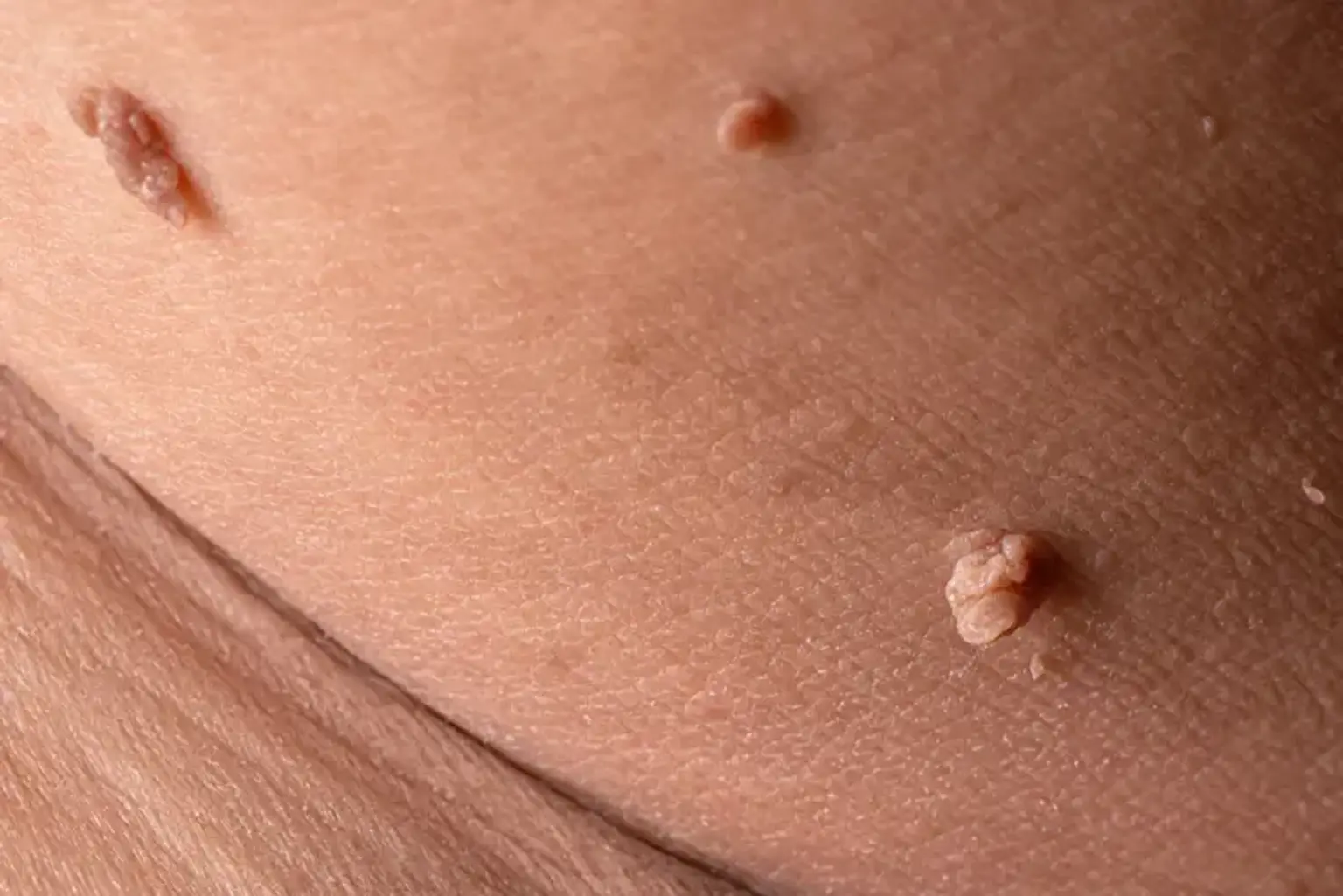
A skin tag, known clinically as an acrochordon, is a small, soft, benign skin growth that hangs off the skin. These growths are composed of a core of loosely arranged collagen fibers and blood vessels encased in a thin layer of epidermis. They typically appear as small, flesh colored or slightly darker flaps of tissue connected to the skin's surface by a thin stalk called a peduncle. Skin tags are not cancerous and do not have the potential to become cancerous. They are a cosmetic issue, not a medical one, unless they become frequently irritated.
What Causes Skin Tags to Suddenly Appear?
what-causes-skin-tags-to-suddenly-appearThe precise cause of skin tags is not fully understood, but they are strongly associated with friction. This is why they most commonly develop in skin folds and areas where skin rubs against skin or clothing.
Key contributing factors include:
Friction: The most common trigger. They are frequently found on the neck, in the armpits, under the breasts, in the groin area, and on the eyelids.
Genetics: There appears to be a hereditary component, as they often run in families.
Age: They are more common in middle aged and older adults.
Weight: Being overweight or obese increases the skin surface area and the number of skin folds, leading to more friction and a higher likelihood of developing skin tags.
Metabolic Factors: A significant correlation exists between multiple skin tags and insulin resistance, metabolic syndrome, and type 2 diabetes. Their presence can sometimes be an external marker for these underlying conditions.
Hormonal Changes: Fluctuations in hormone levels, such as those occurring during pregnancy, can also lead to the formation of skin tags.
Are Skin Tags a Sign of Something Serious?
are-skin-tags-a-sign-of-something-seriousSkin tags themselves are not a sign of anything serious; they are fundamentally harmless. They pose no threat to your health and are not contagious. The primary concerns associated with skin tags are cosmetic dissatisfaction or physical irritation. A skin tag can become painful, inflamed, or may bleed if it is repeatedly snagged by clothing, jewelry, or a razor. While the tags are benign, the appearance of multiple new skin tags may warrant a conversation with a doctor about screening for metabolic issues like diabetes, given the known association.
"I had a cluster of tags on my neck that always got irritated by my necklaces and collars. Getting them removed was so simple and made me feel much more comfortable in my own skin." – an anonymous patient, Australia.
It is crucial, however, to be certain that a growth is a skin tag and not something more serious, like a mole, seborrheic keratosis, or a neurofibroma. A dermatologist can provide a definitive diagnosis with a simple visual examination.
What Are the Professional Methods for Skin Tag Removal?
what-are-the-professional-methods-for-skin-tag-removalProfessional removal by a dermatologist is the safest and most effective way to address unwanted skin tags. The goal is to eliminate the growth with minimal pain, scarring, or risk of infection.
The most common in office procedures are:
Cryotherapy: This method involves freezing the skin tag with liquid nitrogen. The extreme cold destroys the tissue, and the tag typically falls off within 10 to 14 days.
Electrosurgery or Cauterization: A specialized medical device uses a high frequency electrical current to burn off the skin tag at its base. This method is very quick and the heat helps to seal the wound, minimizing bleeding.
Surgical Excision: The dermatologist uses a scalpel or surgical scissors to carefully cut the skin tag away. This method provides immediate removal and is often preferred for larger skin tags to ensure the entire growth is excised.
Why You Should Avoid Removing a Skin Tag at Home
why-you-should-avoid-removing-a-skin-tag-at-homeAttempting to remove a skin tag at home is strongly discouraged due to significant risks. Over the counter kits, home remedies like tying the base with thread, or attempting to cut it off yourself can lead to several complications.
The primary risks of do it yourself removal include:
Misdiagnosis: The growth you believe is a skin tag could be a different type of lesion, potentially a cancerous one. Only a medical professional can provide an accurate diagnosis.
Infection: Non sterile tools and an improper environment can introduce bacteria into the skin, leading to a serious infection.
Bleeding: Skin tags contain blood vessels. Cutting one off can result in significant bleeding that may be difficult to control at home.
Incomplete Removal: If the base of the tag is not fully removed, it can grow back.
Scarring: Improper removal techniques are a common cause of permanent and often unsightly scars, defeating the cosmetic purpose of removal.
Recommended Clinics with Relevant Expertise in South Korea
recommended-clinics-with-relevant-expertise-in-south-koreaSouth Korea is renowned for its advanced dermatological and cosmetic clinics. The following institutions are noted for their expertise in a wide range of skin treatments and are equipped to provide safe and effective skin tag removal.
Website | Clinic Name | Best Known For | Address | Contact |
|---|---|---|---|---|
All-line Clinic | Lifting & Body Contouring | Mapo-gu, Seoul, South Korea | ||
Plans Clinic | Plastic & Anti Aging Surgery | Gangnam-gu, Seoul, South Korea | ||
BLS Clinic | Advanced Lifting & Skin Treatments | Gangnam-gu, Seoul, South Korea | ||
Natural Beauty Clinic | Facial Plastic Surgery | Gangnam-gu, Seoul, South Korea | ||
Clinic Trinity Raffaello | Stem Cell & Anti Aging Therapy | Gangnam-gu, Seoul, South Korea | ||
Cheongdam Oracle Dermatology | Comprehensive Dermatology & Laser Treatments | Gangnam-gu, Seoul, South Korea | ||
Cheongdam Qbq Clinic | Laser, Lifting & Skin Boosters | Gangnam-gu, Seoul, South Korea | ||
Oracle Clinic Cheongdam | Non-Invasive Lifting & Contouring | Gangnam-gu, Seoul, South Korea |
Related Dermatology Procedures with Average Costs in South Korea
related-dermatology-procedures-with-average-costs-in-south-koreaWhile skin tag removal is a specific procedure, patients visiting these top tier clinics often inquire about other aesthetic dermatology treatments to improve overall skin health and appearance. The costs for specific skin tag removal are typically determined per tag or per session and should be confirmed during a consultation.
Treatment/Procedure Name | Duration | Hospitalization? | Avg. Cost (USD) in S.Korea | Contact |
|---|---|---|---|---|
Laser Treatment | 20-30 minutes | Not Needed | $100 - $400 | |
Secret Laser | 30-45 minutes | Not Needed | $300 - $700 | |
Scar & Pore Laser | 30-60 minutes | Not Needed | $400 - $800 | |
Pigmentation & Whitening | 20-40 minutes | Not Needed | $200 - $500 | |
Hydrogen Toning | 30-45 minutes | Not Needed | $150 - $300 | |
Acne Peeling | 20-30 minutes | Not Needed | $100 - $250 | |
Thermage FLX | 45-90 minutes | Not Needed | $1500 - $3000 | |
Shurink | 30-45 minutes | Not Needed | $300 - $800 |
Your Key Questions About Skin Tags Answered
your-key-questions-about-skin-tags-answeredThis section addresses the most common and practical follow up questions patients have about skin tags.
1. Are skin tags related to HPV or cancer?
1.-are-skin-tags-related-to-hpv-or-cancerNo, skin tags are not caused by the human papillomavirus HPV and have no association with any form of skin cancer. They are benign growths of normal skin tissue, whereas warts are caused by HPV and cancers involve abnormal cell growth.
2. Do skin tags grow back after removal?
2.-do-skin-tags-grow-back-after-removalA skin tag will not grow back in the same spot if it is completely removed by a professional. However, because you may be genetically or metabolically predisposed to them, new skin tags can still form in other areas, especially in regions of high friction.
3. Is skin tag removal painful?
3.-is-skin-tag-removal-painfulNo, the procedure is typically not painful as a local anesthetic is used to numb the area completely. For cryotherapy or very small tags, the sensation is often described as a brief sting, but for excision or electrocautery, the dermatologist will inject a small amount of lidocaine to ensure you feel no discomfort during the removal.
4. What is the recovery time after skin tag removal?
4.-what-is-the-recovery-time-after-skin-tag-removalRecovery is very fast and requires minimal downtime. After the procedure, a small scab will form where the tag was removed, and it is important to keep the area clean and dry. This scab typically falls off on its own within one to two weeks, revealing new, healthy skin underneath.
5. Does insurance cover skin tag removal?
5.-does-insurance-cover-skin-tag-removalInsurance coverage for skin tag removal varies widely. If the removal is performed for purely cosmetic reasons, it is almost never covered. However, if a skin tag is determined to be medically necessary to remove, for example if it is frequently irritated, bleeding, or causing pain, some insurance plans may offer coverage.
6. Can skin tags bleed?
6.-can-skin-tags-bleedYes, a skin tag can bleed if it is twisted, pulled, or cut, because it contains its own blood supply. While the bleeding is usually minor and can be stopped with direct pressure, frequent bleeding is a common reason people seek professional removal.
Take the First Step Towards Clearer, Smoother Skin Now!
take-the-first-step-towards-clearer-smoother-skinIf skin tags are a source of irritation or self consciousness, professional assessment and removal is a simple and effective solution. You can achieve clear, comfortable skin with expert care. The process begins with a simple inquiry to connect with world class dermatology clinics in South Korea. Let us help you navigate your options through a seamless, transparent process. A dedicated Care Manager from CloudHospital will provide end to end support, from your initial inquiry to your post treatment care. And Start Your Confidential Inquiry.