
The clinical information regarding Chickenpox: Quick Relief Tips and Effective Treatment Options in this article has been rigorously verified against the latest guidelines from the American Academy of Dermatology (AAD) and primary research from databases like PubMed. This piece was reviewed for accuracy and patient-centric clarity and was last updated in October 2023.
Introduction
introductionThe relentless itch and discomfort of chickenpox can be a miserable experience for both children and adults. Caused by the highly contagious varicella-zoster virus (VZV), this common illness is characterized by an unmistakable blister-like rash. Dealing with the symptoms, worrying about potential scarring, and knowing when medical intervention is necessary can be overwhelming. This guide provides evidence-based, effective solutions for immediate relief and outlines the definitive medical treatments available to ensure a safe and speedy recovery.
What Causes Chickenpox and What Are Its Symptoms?
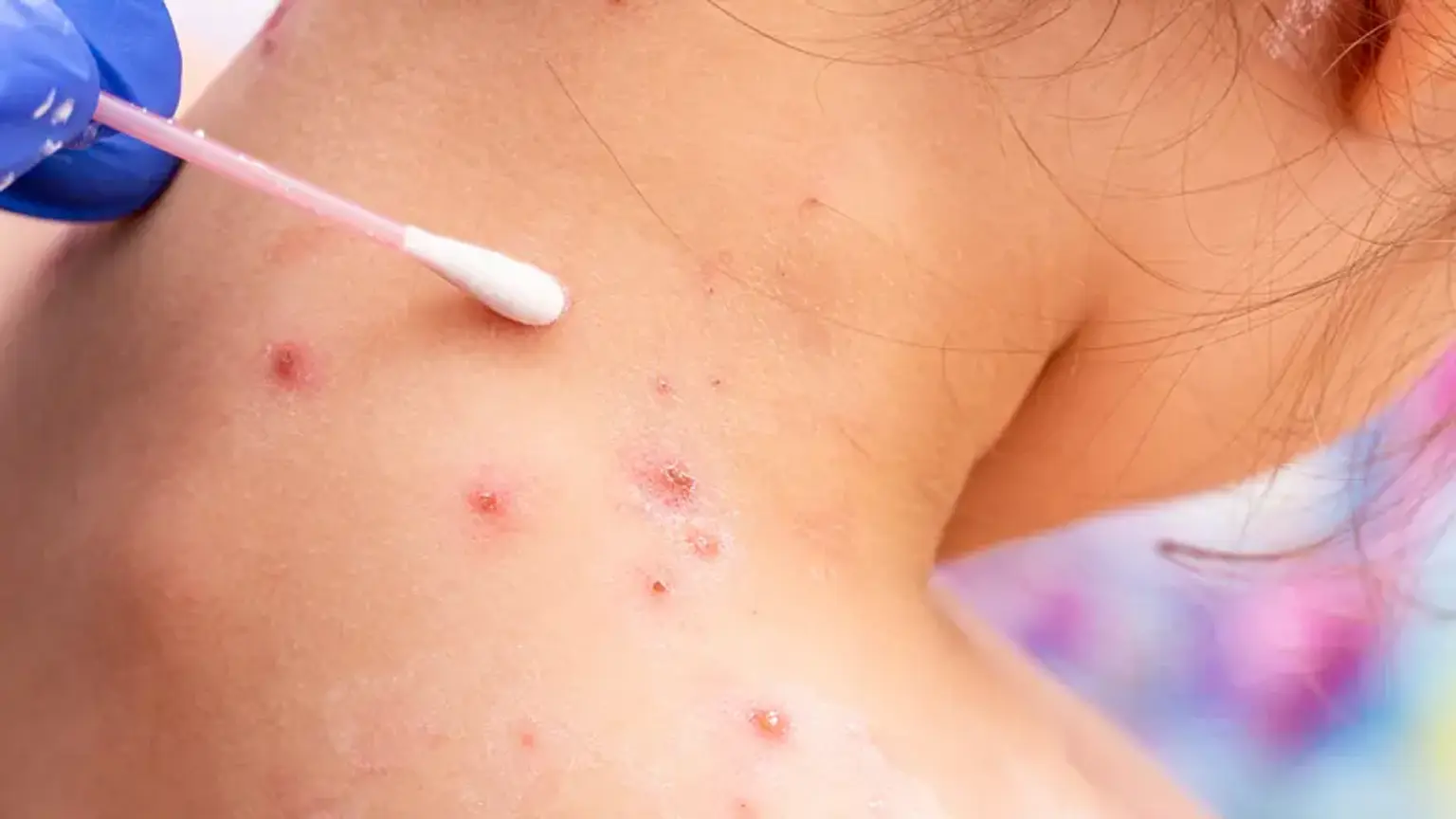
what-causes-chickenpox-and-what-are-its-symptomsChickenpox is a primary infection caused by the varicella-zoster virus (VZV). It spreads easily through the air from an infected person's coughing or sneezing, or by direct contact with fluid from the blisters. The illness typically begins with a fever, headache, and fatigue. Within a day or two, the characteristic itchy rash appears.
The rash progresses through several distinct stages over 5 to 10 days:
Papules: Small, raised pink or red bumps appear over several days.
Vesicles: Within about a day, these bumps become fluid-filled blisters. This is the hallmark of the infection.
Crusts and Scabs: The blisters leak and then crust over, forming scabs.
New bumps continue to appear for several days, so it's common to have all three stages of the rash bumps, blisters, and scabs at the same time. A person is considered contagious until all blisters have fully crusted over. While often considered a mild childhood illness, chickenpox can lead to serious complications, especially in adults, infants, pregnant women, and people with weakened immune systems.
How Can I Stop Chickenpox From Itching Fast?
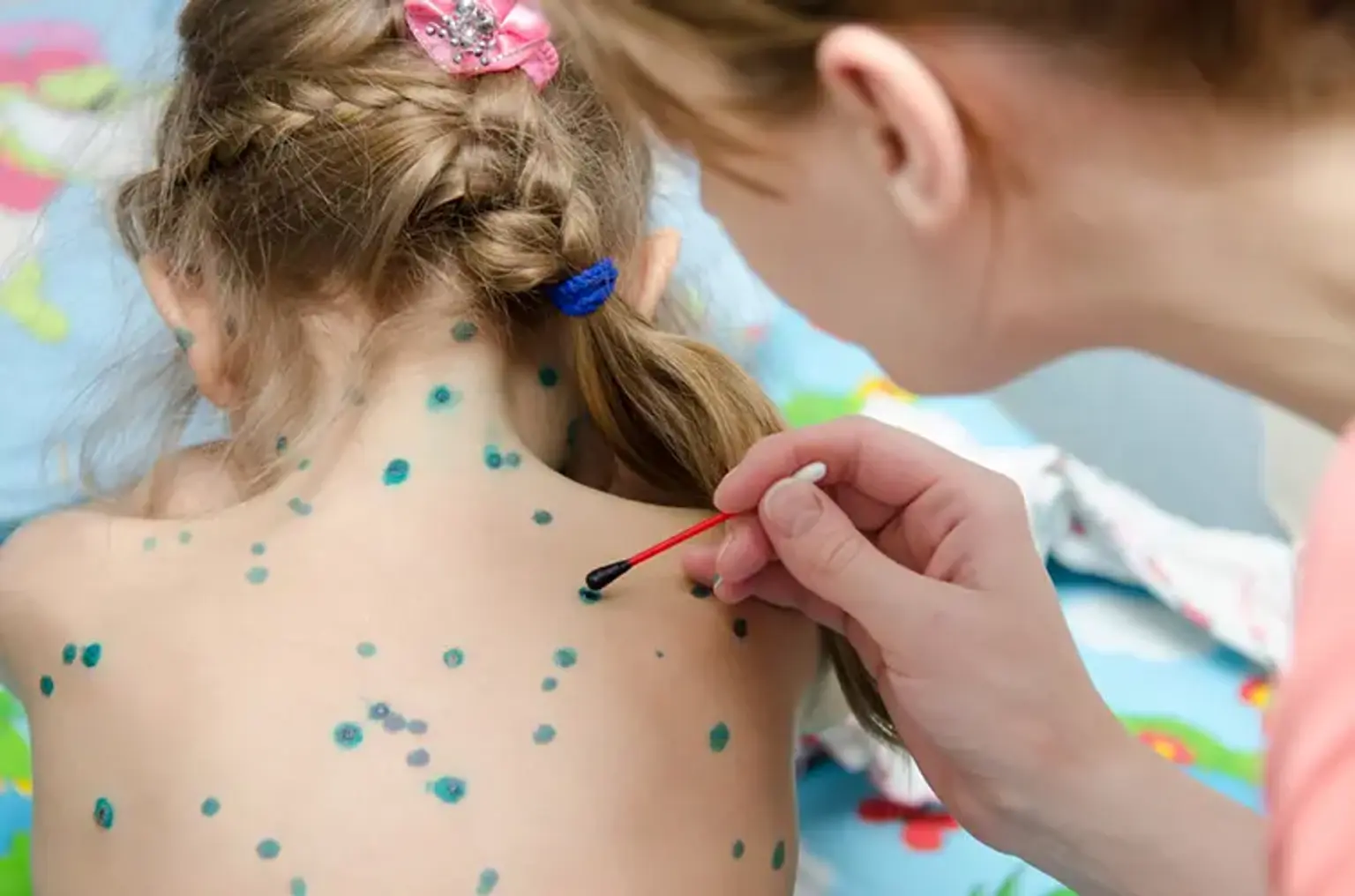
how-can-i-stop-chickenpox-from-itching-fastYou can stop chickenpox from itching fast by using cool compresses, taking colloidal oatmeal baths, and applying soothing topical lotions like calamine. The primary goal of at-home care is to relieve pruritus itching and prevent skin damage from scratching, which can lead to bacterial infections and permanent scarring.
Colloidal Oatmeal Baths: This is one of the most effective methods for soothing widespread itching. Colloidal oatmeal contains compounds that have anti-inflammatory and moisturizing properties. Add finely ground oatmeal to a lukewarm bath and soak for 15-20 minutes.
Cool Compresses: Applying cool, damp washcloths to itchy areas can provide immediate, temporary relief by calming irritated nerve endings.
Calamine Lotion: This classic pink lotion contains zinc oxide, which has mild antiseptic and astringent properties that help dry out the blisters and soothe the skin.
Keep Fingernails Short: Trim fingernails and consider placing soft mittens on a young child's hands at night to minimize skin damage from involuntary scratching.
Wear Loose-Fitting Clothing: Opt for light, soft, breathable fabrics like cotton to reduce irritation against the rash.
What is the Best Treatment for Chickenpox in Adults?
what-is-the-best-treatment-for-chickenpox-in-adultsThe best treatment for chickenpox in adults typically involves a prescription for an oral antiviral medication. Adults are at a significantly higher risk for developing severe complications from chickenpox, including pneumonia, encephalitis inflammation of the brain, and hepatitis. Antiviral therapy, when started early, can reduce the severity of symptoms, shorten the duration of the illness, and lower the risk of these dangerous complications.
Are Antiviral Medications Necessary for Chickenpox?
are-antiviral-medications-necessary-for-chickenpoxAntiviral medications like acyclovir are not necessary for all healthy children but are strongly recommended for high-risk populations. This includes adolescents, adults, pregnant women, and any individual with a weakened immune system. These medications work by inhibiting the varicella-zoster virus's ability to replicate.
For maximum effectiveness, antiviral treatment should be initiated within the first 24 to 72 hours after the rash first appears. Common antiviral drugs prescribed for chickenpox include:
Acyclovir
Valacyclovir
Famciclovir
A medical consultation is required to determine if antiviral therapy is appropriate.
How Long Does the Chickenpox Rash Last?
how-long-does-the-chickenpox-rash-lastThe chickenpox rash typically lasts about 5 to 10 days. The entire cycle, from the appearance of the first spots to the point where all blisters have crusted over, marks the active phase of the illness. New blisters will stop forming around day 5 to 7, and most scabs will have fallen off within one to two weeks after that. You or your child can typically return to work or school once all blisters have formed a scab and no new blisters are developing.
Can I Prevent Scarring From Chickenpox?
can-i-prevent-scarring-from-chickenpoxYes, you can help prevent scarring from chickenpox by avoiding scratching the blisters, keeping the skin clean to prevent secondary infection, and allowing scabs to fall off naturally. Scratching is the number one cause of chickenpox scars. When a blister is opened prematurely, it disrupts the skin's healing process and can introduce bacteria, leading to a deeper wound that is more likely to scar. Once the scabs have healed, keeping the new skin well-moisturized can also support optimal healing. For any persistent or deep scars, dermatological treatments like laser treatment or chemical peels can be effective solutions.
"The constant itching was unbearable, and I was so worried about my son getting scars. Following the doctor's advice for oatmeal baths and starting the antiviral medicine quickly made a huge difference. Seeing his relief was my relief." – Sarah K., United States.
Recommended Clinics with Relevant Expertise in South Korea
recommended-clinics-with-relevant-expertise-in-south-koreaWhile chickenpox is often managed by a general practitioner, individuals seeking specialized care for skin complications or post-illness scar revision can consult with expert dermatologists. The following clinics in South Korea are noted for their advanced dermatological and aesthetic services.
Website | Clinic Name | Best Known For | Address | Contact |
|---|---|---|---|---|
All-line Clinic | Body contouring and aesthetic dermatology | Mapo-gu, Seoul, South Korea | ||
Plans Clinic | Advanced plastic surgery and skin rejuvenation | Gangnam-gu, Seoul , South Korea | ||
BLS Clinic | Lifting, Botox, and comprehensive dermatology | Gangnam, Seoul, South Korea | ||
Natural Beauty Clinic | Anti-aging and aesthetic plastic surgery | Gangnam-gu, Seoul , South Korea | ||
Clinic Trinity Raffaello | Skin boosters, lifting, and general aesthetics | Gangnam-gu, Seoul , South Korea | ||
Cheongdam Oracle Dermatology Clinic | Comprehensive dermatology and laser treatments | Gangnam-gu, Seoul, South Korea | ||
Oracle Clinic Cheongdam | Premier dermatology and anti-aging center | Gangnam-gu, Seoul, South Korea | ||
Cheongdam Qbq Clinic | Aesthetic dermatology and skin health | Gangnam-gu, Seoul , South Korea |
Recommended Treatment/Procedure Names with Average Costs in South Korea
recommended-treatmentprocedure-names-with-average-costs-in-south-koreaThe approach to managing chickenpox ranges from simple over-the-counter remedies to prescription medications and post-illness scar treatments.
Treatment/Procedure Name | Treatment Duration | Hospitalization? | Avg Cost Range (USD) in S. Korea | Contact |
|---|---|---|---|---|
Oral Antivirals (e.g., Acyclovir) | 30-60 mins | Not Needed | $20 - $150 | |
Calamine Lotion (OTC) | 10-20 mins | Not Needed | $5 - $15 | |
Colloidal Oatmeal Bath Products (OTC) | 10-20 mins | Not Needed | $10 - $20 | |
Post-Infection Scar Laser Treatment | 15-30 mins | Not Needed | $200 - $800 | |
Intravenous (IV) Acyclovir | 1-2 hours | Needed | $1,000 - $5,000 | |
Varicella Vaccine (Prevention) | 30-60 mins | Not Needed | $100 - $200 | |
Varicella-Zoster Immune Globulin (VARIZIG) | 20-40 mins | Not Needed | $3,000 - $10,000 |
What Other Questions Do People Have About These Solutions?
what-other-questions-do-people-have-about-these-solutions1. What are the signs of a severe chickenpox infection?
1.-what-are-the-signs-of-a-severe-chickenpox-infectionSigns of a severe infection requiring immediate medical attention include a very high or prolonged fever, a rash that spreads to one or both eyes, extreme drowsiness or difficulty waking up, a stiff neck, difficulty breathing or a severe cough, trouble walking, and severe vomiting. Blisters that become very red, warm, or tender may indicate a serious secondary bacterial skin infection.
2. Is it possible to get chickenpox twice?
2.-is-it-possible-to-get-chickenpox-twiceIt is extremely rare for a healthy person to get chickenpox twice. After infection, most people develop lifelong immunity. However, in rare cases, a second infection can occur, particularly if the initial infection was very mild or if the person has become immunocompromised later in life.
3. What is the difference between chickenpox and shingles?
3.-what-is-the-difference-between-chickenpox-and-shinglesBoth chickenpox and shingles are caused by the same varicella-zoster virus. Chickenpox is the primary infection. After you recover, the virus remains dormant in your nerve tissue. Years or decades later, the virus can reactivate and cause shingles, which is a painful, blistering rash that typically appears in a localized band on one side of the body. You cannot get shingles unless you have previously had chickenpox.
4. Is the chickenpox vaccine effective?
4.-is-the-chickenpox-vaccine-effectiveYes, the chickenpox vaccine varicella vaccine is highly effective. The U.S. Centers for Disease Control and Prevention (CDC) states that two doses of the vaccine are over 90% effective at preventing chickenpox. Vaccinated individuals who do get chickenpox known as break through infection typically have a much milder case with fewer blisters and a lower fever.
5. Can I take aspirin or ibuprofen for chickenpox fever?
5.-can-i-take-aspirin-or-ibuprofen-for-chickenpox-feverNever give aspirin or aspirin-containing products to a child or teenager with chickenpox. Its use is linked to a rare but serious condition called Reye's syndrome, which can cause liver and brain damage. For fever, it is safest to use acetaminophen. Some health authorities advise caution with ibuprofen, as there is a potential link to an increased risk of severe secondary skin infections, though this link is not definitively proven. Always consult a doctor or pharmacist before administering any medication for fever during a chickenpox infection.
Your Path to Clear Skin and Relief Starts Here!
your-path-to-clear-skin-and-relief-starts-hereNavigating a chickenpox infection, especially in adults or when complications arise, requires expert medical care. You don’t have to manage it alone. CloudHospital offers a seamless and transparent process that connects you with top-tier dermatologists for accurate diagnosis, effective treatment, and prevention of long-term issues like scarring. With the support of a dedicated Care Manager from your initial inquiry to full recovery, you’ll receive a personalized care plan designed for fast and comfortable healing. Start Your Confidential Inquiry and take the first step toward expert-guided relief.