
The clinical information regarding The Korean Approach to Scalp Stabilization Treatment in this article has been rigorously verified against the latest guidelines from the American Academy of Dermatology (AAD) and primary research from databases like PubMed. This piece was reviewed for accuracy and patient-centric clarity and was last updated in May 2024.
Introduction
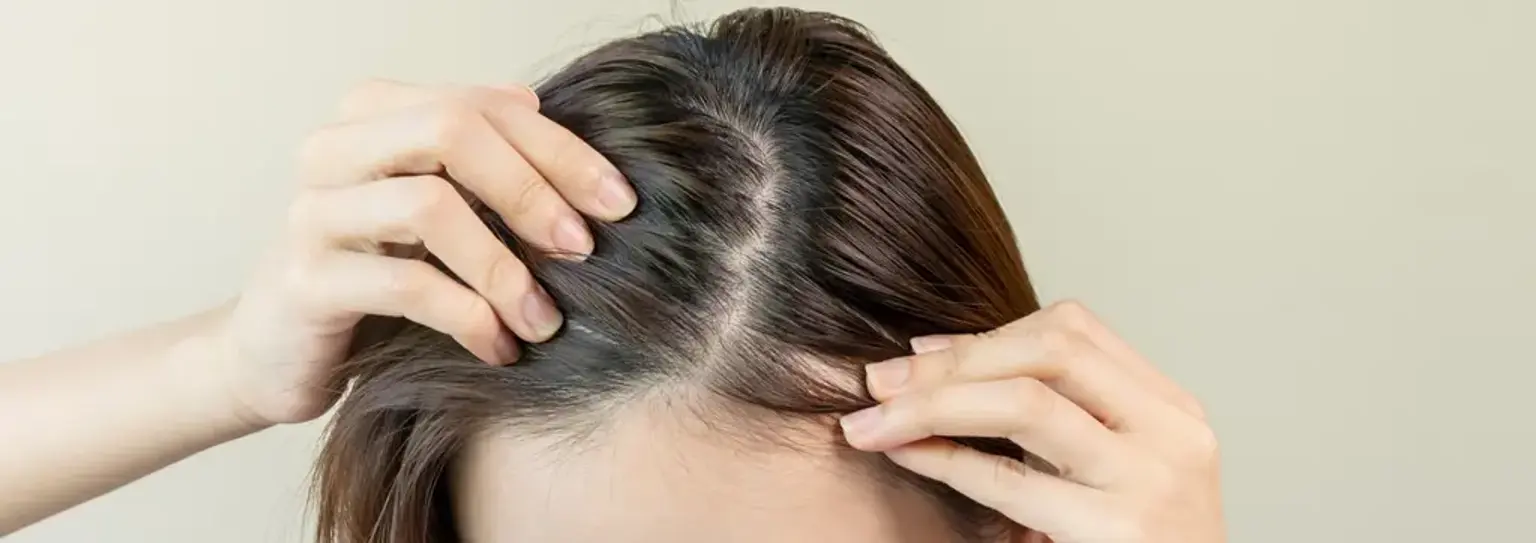
introductionScalp Stabilization Treatment, a key component of advanced dermatological care, aims to halt hair loss progression and promote a healthy environment for hair regrowth. Primarily focusing on revitalizing the scalp and fortifying existing hair follicles, it is a crucial procedure within the Dermatology department. This guide provides a detailed examination of this innovative Korean approach for individuals considering effective solutions for hair thinning and loss.
How Does Scalp Stabilization Treatment Work?
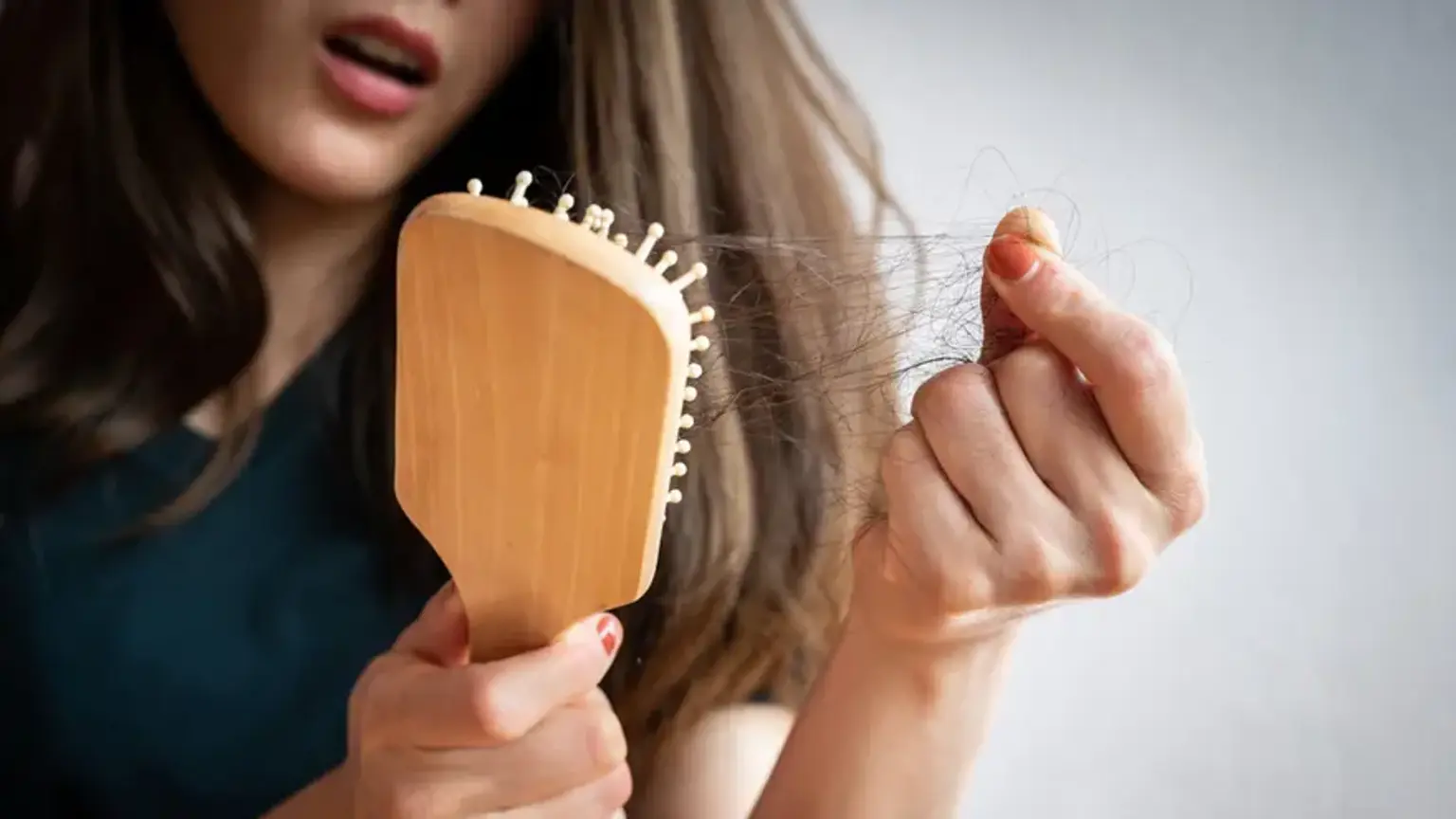
how-does-scalp-stabilization-treatment-workScalp Stabilization Treatment works by addressing the underlying causes of hair loss, such as inflammation, poor circulation, and nutrient deficiencies in the scalp, through a multi-faceted approach. This typically involves a combination of specialized serums, growth factors, micro-needling, and sometimes low-level laser therapy (LLLT) to stimulate follicular unit activity and improve overall scalp health. The goal is to optimize the scalp environment, reduce hair shedding, and encourage stronger, healthier hair growth.
What are the Key Benefits of Scalp Stabilization Treatment?
what-are-the-key-benefits-of-scalp-stabilization-treatmentThe primary benefits of Scalp Stabilization Treatment include:
Reduced Hair Loss: Significantly decreases the rate of hair shedding by strengthening hair follicles.
Improved Hair Density: Promotes the growth of thicker, more robust hair strands, leading to a fuller appearance.
Enhanced Scalp Health: Addresses issues like dandruff, itchiness, and inflammation, creating an optimal environment for hair.
Stimulated Follicular Activity: Activates dormant hair follicles and boosts the metabolic activity of existing ones.
Non-Invasive Nature: Many components of the treatment are non-surgical, offering a comfortable patient experience.
Synergistic Effects: Can be effectively combined with other hair restoration therapies like PRP therapy or hair transplantation for superior outcomes.
Who is a Good Candidate for Scalp Stabilization Treatment?
who-is-a-good-candidate-for-scalp-stabilization-treatmentIdeal candidates for Scalp Stabilization Treatment typically meet the following criteria:
Individuals experiencing early to moderate stages of hair thinning or androgenetic alopecia.
Those seeking to prevent further hair loss and maintain existing hair density.
Patients with a healthy scalp but experiencing signs of inflammation or poor circulation.
Individuals looking for non-surgical or minimally invasive alternatives to hair transplantation.
Patients who have undergone hair transplantation and wish to enhance the survival and growth of transplanted follicles.
Those with diffuse hair loss patterns rather than localized bald patches.
Individuals committed to following a recommended treatment plan and maintenance schedule.
What are the Risks and Contraindications of Scalp Stabilization Treatment?
what-are-the-risks-and-contraindications-of-scalp-stabilization-treatmentWhile generally safe, Scalp Stabilization Treatment does have potential risks and contraindications:
Mild Scalp Irritation: Temporary redness, itching, or tenderness at the treatment site.
Temporary Shedding: A brief period of increased hair shedding may occur as dormant follicles are stimulated.
Allergic Reactions: Rare reactions to specific serums or components used in the treatment.
Infection: Minimal risk, particularly with micro-needling, if proper sterilization protocols are not followed.
Contraindications:
Active scalp infections or severe skin conditions in the treatment area.
Individuals with certain autoimmune diseases or bleeding disorders.
Pregnant or breastfeeding women, as the safety of all components has not been fully established.
Patients on blood-thinning medications may need to adjust their regimen after consulting their physician.
What Are the Steps of the Scalp Stabilization Treatment Procedure?
what-are-the-steps-of-the-scalp-stabilization-treatment-procedureThe Scalp Stabilization Treatment journey typically involves several key stages, from initial consultation to the treatment itself and subsequent aftercare.
Before the Procedure: Consultation and Preparation
before-the-procedure:-consultation-and-preparationThe process begins with a comprehensive consultation with a dermatologist. This involves a detailed examination of the scalp using tools like dermatoscopy, assessment of hair loss patterns, and discussion of medical history. Blood tests may be recommended to rule out underlying deficiencies or hormonal imbalances. Patients receive instructions on how to prepare, which may include avoiding certain hair products or medications.
During the Procedure: What Happens in the Treatment Room
during-the-procedure:-what-happens-in-the-treatment-roomThe actual treatment often involves several components. The scalp is cleansed, and a topical anesthetic may be applied for comfort. Techniques like micro-needling are used to create micro-channels in the scalp, enhancing the absorption of specialized growth factor serums, peptides, and vitamins. Low-level laser therapy (LLLT) might also be incorporated to stimulate cellular activity and improve blood circulation. The duration typically ranges from 30 to 60 minutes, depending on the specific protocol.
Immediately After the Procedure: The Initial Recovery Phase
immediately-after-the-procedure:-the-initial-recovery-phaseImmediately after the treatment, patients may experience mild redness or sensitivity, similar to a light sunburn. The scalp is typically cleaned, and soothing serums or masks may be applied. Patients are advised to avoid washing their hair for a specific period usually 24 hours and to refrain from strenuous activities. Detailed post-care instructions are provided, emphasizing gentle handling of the scalp.
Patient Story: "After my Scalp Stabilization Treatment, my scalp felt incredibly refreshed, and the initial redness subsided quickly. Within weeks, I noticed significantly less hair shedding, and my hair felt stronger and healthier than it had in years." – An anonymous patient, South Korea.
What is the Recovery Timeline for Scalp Stabilization Treatment?
what-is-the-recovery-timeline-for-scalp-stabilization-treatmentRecovery from Scalp Stabilization Treatment is generally quick and involves minimal downtime:
Day 0-1: Mild redness and tenderness may be present. Avoid washing hair and strenuous activities.
Day 2-3: Redness usually subsides significantly. Resume gentle hair washing as directed by the clinic.
Week 1: Most initial side effects resolve. Scalp feels normal. Continue with recommended home care.
Month 1-3: Initial hair shedding may occur, followed by noticeable reduction in hair loss and signs of new hair growth.
Ongoing: Regular maintenance sessions are typically recommended to sustain results.
How Long Do Scalp Stabilization Results Last?
how-long-do-scalp-stabilization-results-lastThe results of Scalp Stabilization Treatment are considered long-lasting, especially with consistent maintenance. While the treatment effectively revitalizes follicles and promotes regrowth, its permanence depends on managing underlying factors that contribute to hair loss, such as genetics, hormones, and lifestyle. Patients are typically advised that maintenance sessions, usually every 1-3 months, are crucial to sustain the benefits and continue to prevent future hair loss. Without ongoing support, the effects may gradually diminish over time as the scalp environment is no longer actively optimized.
Recommended Clinics with Relevant Expertise in South Korea
recommended-clinics-with-relevant-expertise-in-south-koreaWebsite | Clinic Name | Best Known For | Address | Contact |
|---|---|---|---|---|
Delight Dermatology Clinic | Comprehensive Aesthetics, Hair Loss Treatments | Seocho-gu, Seoul, South Korea | ||
Plans Clinic | Advanced Anti-Aging & Hair Restoration | Gangnam-gu, Seoul , South Korea | ||
BLS Clinic | Dermatology, Laser & Injectable Treatments | Gangnam-gu, Seoul , South Korea | ||
Lienjang Clinic Seoul | Natural-looking Aesthetic Enhancements | Mapo-gu, Seoul, South Korea | ||
MJ Dermatology Clinic | Specialized Hair and Scalp Care | Gangnam-gu, Seoul, South Korea | ||
Oracle Clinic Cheongdam | General & Aesthetic Dermatology | Gangnam-gu, Seoul, South Korea | ||
Cheongdam Qbq Clinic | Advanced Skin and Hair Solutions | Gangnam-gu, Seoul , South Korea | ||
Renewme Skin Clinic | Hair Restoration and Scalp Health | Seocho-gu, Seoul, South Korea |
Recommended Treatment/Procedure Names with Average Costs in South Korea
recommended-treatmentprocedure-names-with-average-costs-in-south-koreaTreatment/Procedure Name | Duration | Hospitalization | Avg Cost Range (USD) in S. Korea | Contact |
|---|---|---|---|---|
Scalp Stabilization Treatment | 45-90 mins | Not Needed | $500 - $2000 | |
Intensive Hair Loss Treatment | 60-90 mins | Not Needed | $300 - $1500 | |
PRP (Platelet-Rich Plasma) for Hair | 60-90 mins | Not Needed | $400 - $1200 | |
Hair Mesotherapy | 30-60 mins | Not Needed | $200 - $600 | |
Scalp Scaling & Detox | 45-60 mins | Not Needed | $100 - $300 | |
Low-Level Laser Therapy (LLLT) | 20-30 mins | Not Needed | $50 - $200 | |
Exosome Hair Restoration | 60-90 mins | Not Needed | $1500 - $4000 | |
Micro-needling for Hair Growth | 30-45 mins | Not Needed | $150 - $500 | |
Derma Stamp / Derma Roller Treatment | 30-45 mins | Not Needed | $100 - $400 | |
Hair Loss Consultation & Diagnosis | 30-60 mins | Not Needed | $50 - $200 |
Frequently Asked Questions (FAQs) about Scalp Stabilization Treatment
frequently-asked-questions-(faqs)-about-scalp-stabilization-treatment1. Is Scalp Stabilization Treatment effective for all types of hair loss?
1.-is-scalp-stabilization-treatment-effective-for-all-types-of-hair-lossScalp Stabilization Treatment is most effective for common types of hair loss, such as androgenetic alopecia pattern baldness and diffuse thinning, where follicles are still present but miniaturized. It is less effective for complete baldness where follicles are absent, or for hair loss due to specific medical conditions requiring alternative treatments. A thorough consultation is essential to determine suitability.
2. How many sessions of Scalp Stabilization Treatment are typically needed?
2.-how-many-sessions-of-scalp-stabilization-treatment-are-typically-neededThe number of sessions required varies depending on the individual's degree of hair loss, scalp condition, and response to treatment. Generally, an initial course of 4-8 weekly or bi-weekly sessions is recommended, followed by maintenance sessions every 1-3 months. Your dermatologist will create a personalized treatment plan based on your needs.
3. What is the difference between Scalp Stabilization Treatment and hair transplantation?
3.-what-is-the-difference-between-scalp-stabilization-treatment-and-hair-transplantationScalp Stabilization Treatment focuses on strengthening existing hair and stimulating dormant follicles through non-surgical methods. Hair transplantation, conversely, involves surgically moving healthy hair follicles from one area of the scalp to a balding area. Scalp stabilization can be a standalone solution for early hair loss or a complementary treatment to enhance the results and longevity of a hair transplant.
4. Are there any side effects from the serums or solutions used?
4.-are-there-any-side-effects-from-the-serums-or-solutions-usedSerious side effects are rare. Some patients may experience mild irritation, redness, or itching immediately after treatment, which typically subsides within hours. Allergic reactions are possible but uncommon. Clinics use medical-grade, often hypoallergenic, products. Always inform your practitioner of any known allergies or skin sensitivities during your consultation.
5. Can Scalp Stabilization Treatment be combined with other hair loss remedies like Minoxidil or Finasteride?
5.-can-scalp-stabilization-treatment-be-combined-with-other-hair-loss-remedies-like-minoxidil-or-finasterideYes, Scalp Stabilization Treatment often complements conventional hair loss remedies like topical Minoxidil or oral Finasteride. In fact, combining these approaches can lead to synergistic effects, potentially enhancing overall hair regrowth and stabilization. Always discuss all current medications and treatments with your dermatologist to ensure a safe and effective combined regimen.
6. Is Scalp Stabilization Treatment suitable for both men and women?
6.-is-scalp-stabilization-treatment-suitable-for-both-men-and-womenAbsolutely. Scalp Stabilization Treatment is designed to be effective for both men and women experiencing various forms of hair thinning and loss. The underlying principles of stimulating follicular health and improving scalp environment are beneficial regardless of gender. Treatment protocols may be slightly adjusted based on individual hair loss patterns and hormonal considerations.
7. How quickly can one expect to see results from Scalp Stabilization Treatment?
7.-how-quickly-can-one-expect-to-see-results-from-scalp-stabilization-treatmentWhile individual results vary, patients typically begin to notice a reduction in hair shedding within 1-2 months. Visible improvements in hair density and texture usually become apparent after 3-6 months of consistent treatment. Optimal results are generally observed after 6-12 months, with ongoing maintenance crucial for sustained benefits.
Reclaim Your Confidence: Inquire About Scalp Stabilization Today!
reclaim-your-confidence:-inquire-about-scalp-stabilization-todayAre you ready to address hair loss and revitalize your scalp? The Korean approach to Scalp Stabilization Treatment offers a pathway to healthier, fuller hair. Take the proactive step towards regaining your confidence and enhancing your well-being. Inquire through CloudHospital for a seamless, transparent process and benefit from a dedicated Care Manager who will support you from initial inquiry to post-recovery care. Get a Free Personalized Treatment Plan and start your journey with expert guidance.